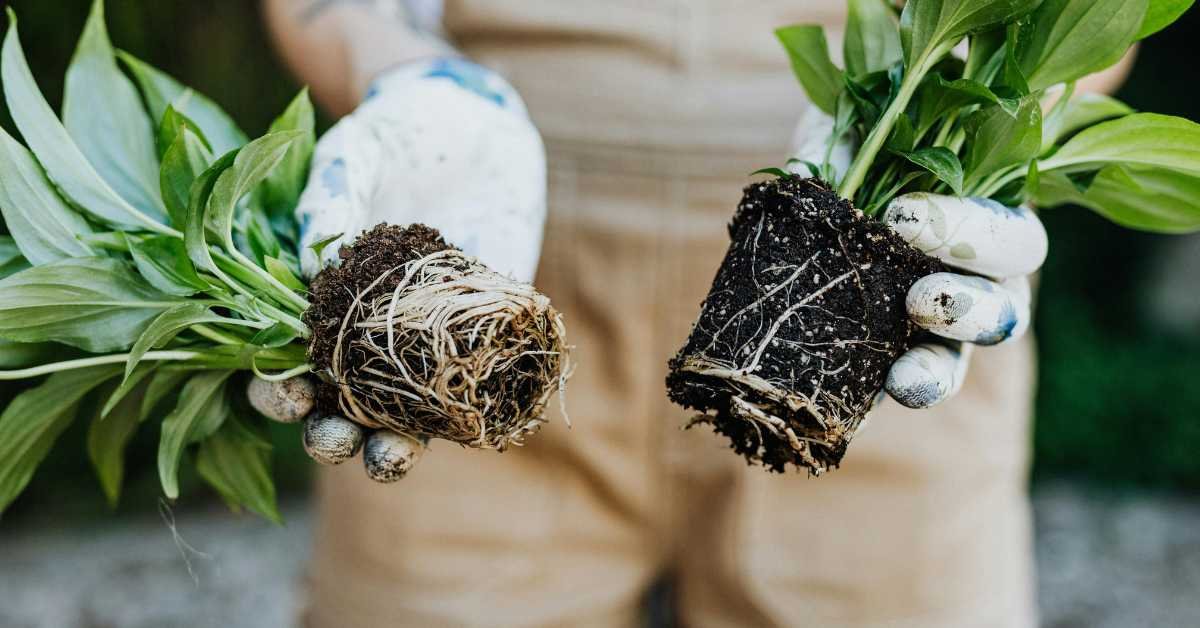
Some plants survive on balconies while others slowly decline, and it happens because balconies are not neutral spaces.
Plants would look similar from the outside, but they function very differently.
Every tiny thing impacts your balcony plants, including sunlight timing, wind behavior, containers, and small caring habits.
I didn’t make most of these mistakes as gardening wasn’t a thing for me, but I have seen others make these mistakes.
Balconies Don’t Share the Same Environment
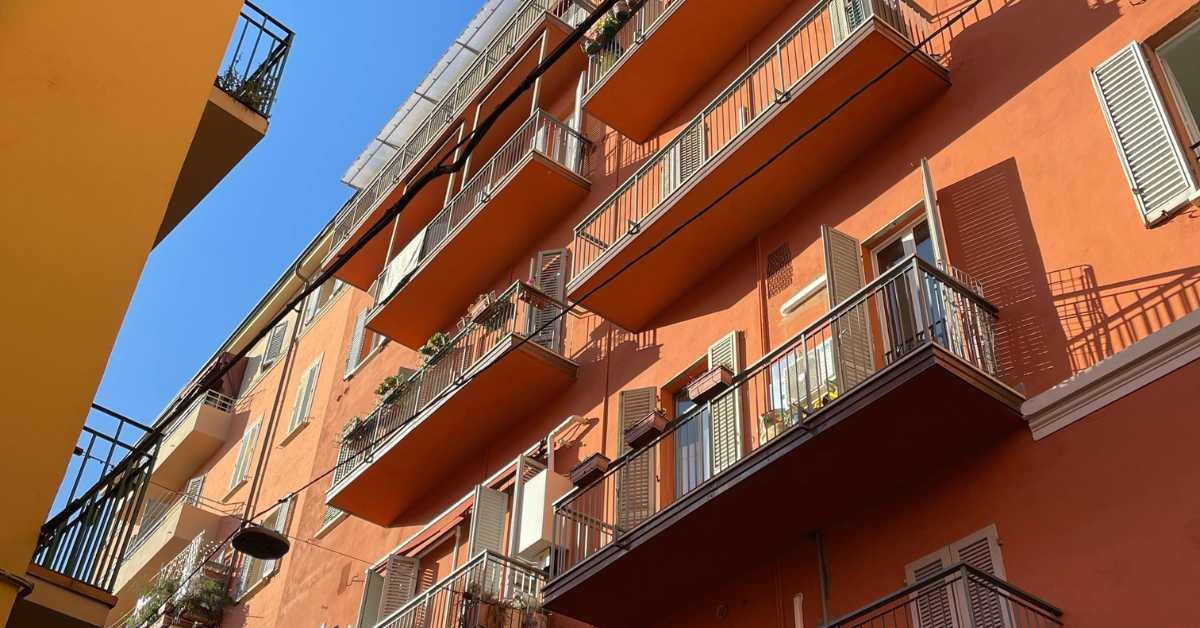
Two balconies in the building or area can have the same temperature if you check on the phone or on any device, but still behave completely differently.
And that’s because if the balcony or sun direction changes, like if your balcony gets long, direct sun, it will behave like a warm, drying environment.
On the other hand, the second balcony that receives reflected light will stay cooler and damper.
Now, plants will respond to this immediately, but you may not even notice.
This is why if you buy a plant recommended for “balcony growing” and still can’t grow it.
Things you may notice
Initially, when you get plants and start growing them, they won’t fail immediately.
Many of them will survive weeks or even months in sub-optimal light, and could see thin leaves, which we call New Growth.
But after a week or a month, growth will slow down and eventually decline, and that’s obvious if you’re growing plants that require sunlight, along with those plants that are suitable for optimal light.
This is also why copying Instagram pages given or Facebook group preferred lists won’t always work.
Their balcony may receive stronger morning sun, longer afternoon light, or less reflected heat.
Therefore, you should always pay attention to the environment.
Pot Size Decides a Plant’s Future
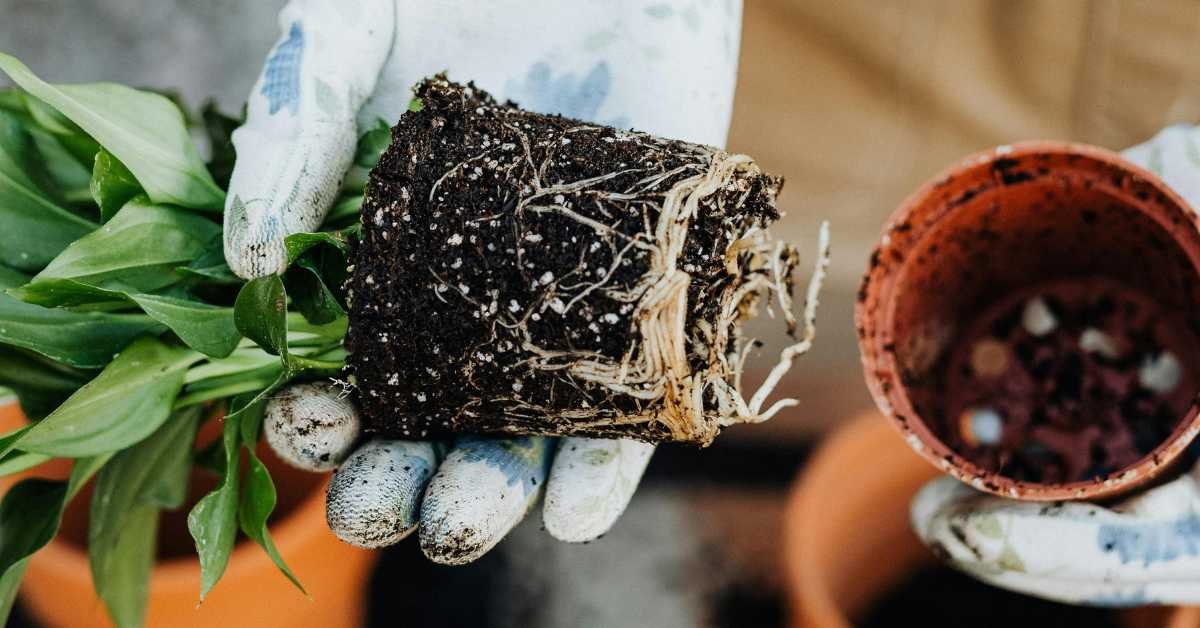
If you’re using the same pot size for every plant, it’s a mistake too, which won’t let your plants thrive.
Some plants have compact root systems, and they’re happy in shallow or narrow containers.
But other plants will appear fine at first in small pots, then slowly stall.
Most of the time, this happens with fruiting plants and woody plants like citrus or dwarf varieties.
For example, a lemon plant in a small container won’t collapse right away. Initially, it will look healthy, with green leaves, and you may even see new shoots.
But after reaching a limit, it won’t be able to spread its roots properly, and the result will be decline or improper growth, especially if you didn’t choose the correct variety.
The solution is pretty simple: whenever you’re buying plants, you can check their pot size requirement. If you’re buying from a local nursery, you can ask them too.
Also read: How to Choose Pot, Soil, and Space
Wind Is a Stress Factor Most People Underestimate
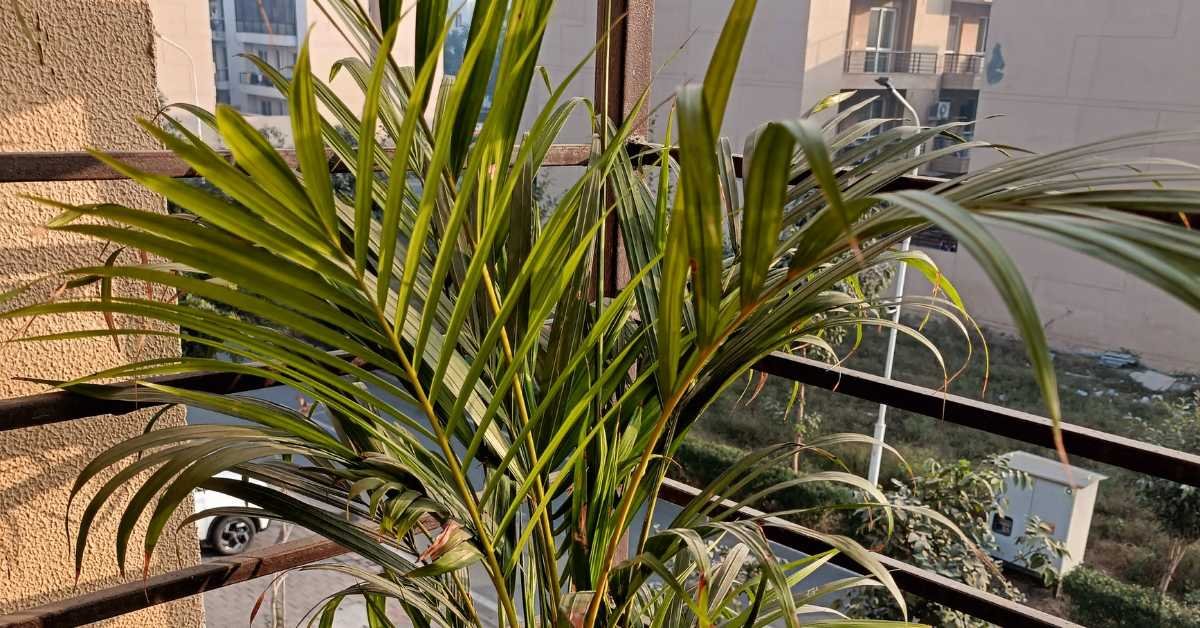
Wind behaves differently on balconies than in open ground. In the balcony, wind accelerates between buildings, funnels around corners, and hits plants multiple times from the same angles.
And if you’re having taller plants, they will suffer most, even if you can’t see any visibly damaged plants.
But in the long run, constant air movement will stress them, which will disturb the plant’s roots. And because of that, plants will want to focus on their stability instead of growing stems, leaves, etc.
After fighting sometimes, it’ll give up.
This is why smaller, compact plants will outperform taller ones in exposed balconies.
You might even misdiagnose wind stress as nutrient deficiency or poor soil. But now you know the real issue might also be pressure.
Inconsistent Watering is also a Problem
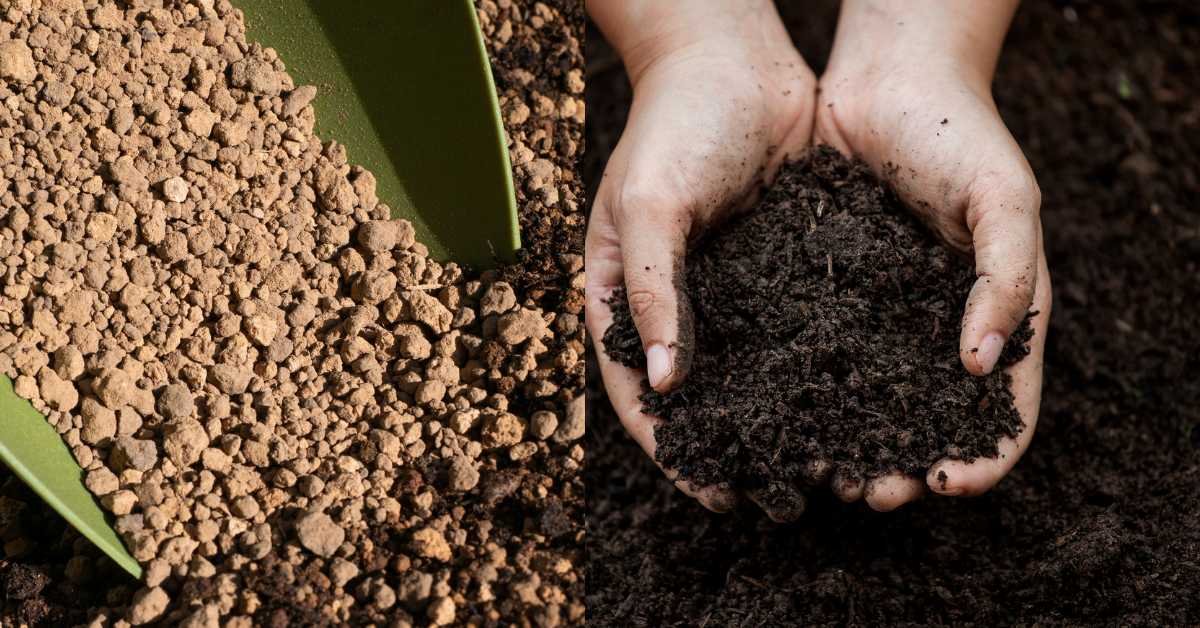
Watering is a small part of gardening, which we think isn’t hard to follow; we shouldn’t just overwater or underwater.
But maybe I feel like that as I’m an experienced gardener; however, many gardeners overlook it.
You should always remember that balcony conditions exaggerate watering mistakes.
If you have multiple pots and containers, but some are in more sunny areas of the balcony that heat up faster, and your soil is often dry.
While others are in a little shady area, so watering needs will be different, even though they’re on the same balcony.
Besides this, if you forget to water for just a day, that’s okay, but if you’re regularly inconsistent, sometimes providing water in the afternoon, sometimes in the evening, or missing, it will cause your plants to decline.
As for the growth mode, your plants will shift into survival mode.
Therefore, I recommend you be consistent when it comes to water, check regularly or based on plant needs, and provide water after touching the soil with your fingers, when it feels dry.
Same Balcony, Different Micro-Zones
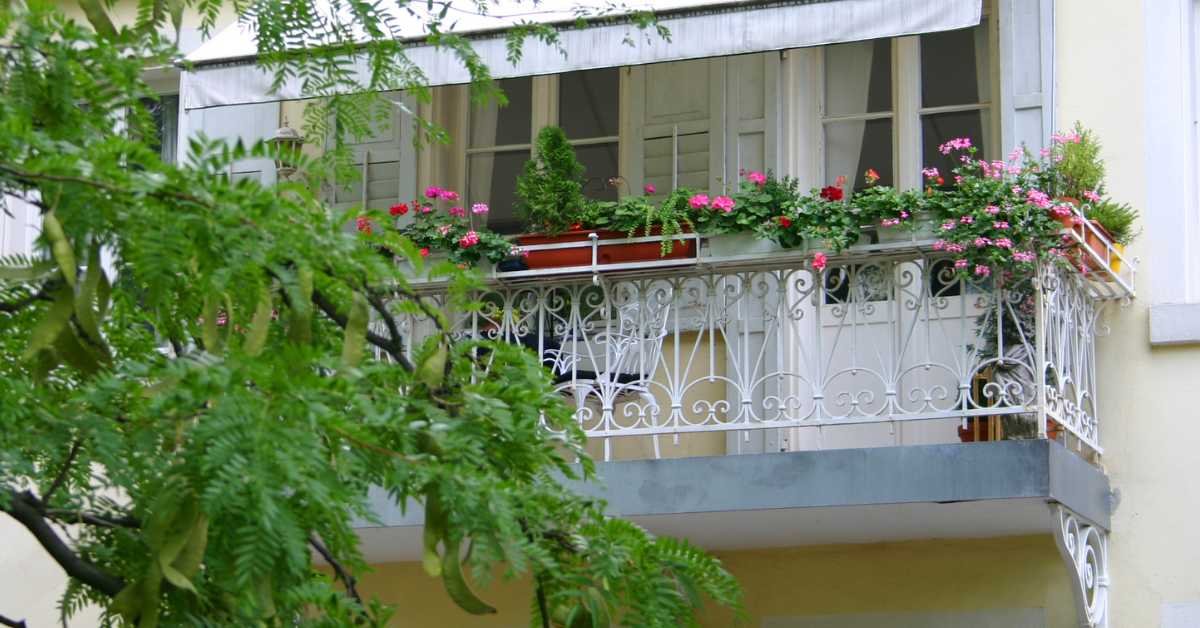
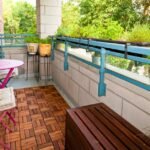
Balconies are full of micro environments that you won’t notice until you observe them closely.
Even on the same balcony, you can check all the walls; some might be cooler, while others won’t, like I have three walls in my balcony, but on the right side is mostly cool, sunlight touches it too, but less than the other sides.
Besides this, railing and other small factors also change the environment on the same balcony.
And we don’t focus on them, though, you don’t have to, because rarely does it affect plants, but yes, it does. Personally, I didn’t face this problem.
However, if you’re doing other things right, like watering, pots or container size, etc, and your few plants are dying in a particular area of the balcony, then you can pay attention to it.
I recommend that you measure sunlight on the balcony before you start gardening, so you’ll fix that problem even before it starts.
You can put low shade balcony plants in shady areas and other bases on their requirements.
Why These Problems Go Unnoticed
Most gardeners know about drainage, soil quality, and fertilizers, because these are basic things discussed everywhere. I do them too.
But things that I discussed are really discussed, though many experienced gardeners might know these things, but personally, I have never seen them discuss these things.
That’s why I’m discussing these factors like light direction, root space, wind stress, water consistency, etc.
They also won’t cause immediate failure, but plants will decline slowly.
What This Really Means for Balcony Gardening
Being a balcony gardener, whether you’re already doing it or just going to start, you shouldn’t copy anyone blindly.
Instead of that, you should get matching plants to the exact conditions your space provides.
Your plants will survive easily if their needs align with the environment.
Conclusion
When your balcony plants fail, it means the plants and environment in your balcony are mismatched.
You would want to pay attention to the light direction and the pot’s size, as it might be too tight. Besides this, inconsistent watering and heavy winds also play a big role.
All these combined make a plant decline.
It’s sometimes confusing that the same plant can thrive a few floors away or in another home nearby, and that’s only because they won’t be making such tiny mistakes.
FAQs
Why do some plants survive at first and then slowly die later?
That’s because many plants can tolerate poor conditions, but only for a certain time.
After that, they face problems like root restriction, low light, wind stress, or inconsistent watering. And because of that, they start dying later.
Can two balconies in the same building really be that different?
Yes! Direction, reflected heat, wind flow, and even nearby walls or railings can change how your balcony behaves.
For balcony plants, these differences are big, even if they look minor to us.
Is pot size really that important if the plant looks healthy?
Yes, it’s important! Especially if you are growing fruit plants and woody plants.
They will initially look healthy, while their roots will be slowly running out of space.
By the time you’ll be able to see symptoms above soil, but before that, restriction would already be affecting growth for a while.
If wind isn’t breaking branches, is it still a problem?
Often, yes! Constant wind will cause stress even without visible damage.
Balcony plants will start spending energy stabilizing themselves instead of growing, flowering, or fruiting.
Over time, this will weaken your plants.
Is watering more often the solution for struggling balcony plants?
Not necessarily; inconsistent watering is also a problem that you might not be paying attention to.
Plants like steady patterns; therefore, overcorrecting with extra watering will put a plant under stress instead of fixing it.
Should beginners avoid growing large plants on balconies?
Not always, but yes, large or tall plants will need more planning.
If your balcony is windy or space is limited, I’ll recommend growing compact plants, especially when you’re a beginner.
Although bigger plants are not hard, you’ll just need more care, like you might do something to reduce air speed if your balcony is too windy.

I’m Abraham creator of Balcony Gardening Ideas. I share balcony gardening tips, DIY projects, and hands-on plant care guides based on my own balcony garden experience. I grow vegetables, herbs, and flowers using organic methods and simple setups anyone can follow.