Balcony plants die because of common mistakes that we make unknowingly, such as overwatering, seasonal effects, plant choice, etc.
Also, plants don’t die quickly, like within a day or two; it takes some time, so if you take some precautions, you can stop your balcony plants from dying.
In this guide, I will explain all these mistakes in the same order I usually see them happen.
Overwatering Is the Most Common Reason Balcony Plants Die
When I was a child, I used to think that if I provided more water to my plant, it would grow faster.
However, my grandfather corrected me early; he said the plant will grow on its own schedule, and water is not food.
In balcony gardening, overwatering is especially bad because pots are not the same as garden soil.
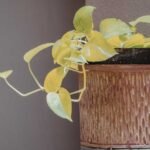
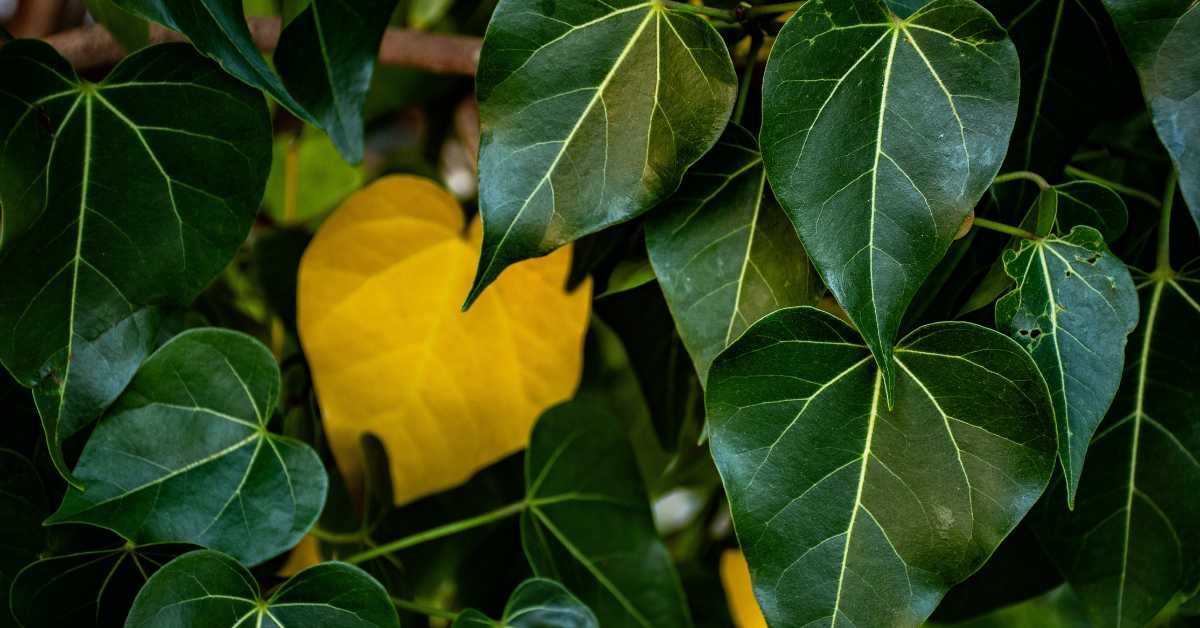
And especially, if drainage is not good, excess water will remain there and cause problems. And the side effects you will see on plants are yellowing leaves.
So, to avoid overwatering, you need to check the soil before providing it with water. I still do this every time.
This is how you’d do it exactly:
- Push your finger into the soil.
- If the top layer is already moist, the plant does not need water right now.
- If it’s dry, provide water.
Besides this, timing is also important; I prefer and recommend water in the morning.
And also, different plants have different water needs, like edible plants on my balcony need regular watering, on the other hand, my snake plant inside my room does not.
If I water them the same way, one of them will suffer; that’s why you should also know the requirements of your plants.
Seasonal Stress Weakens Plants Slowly
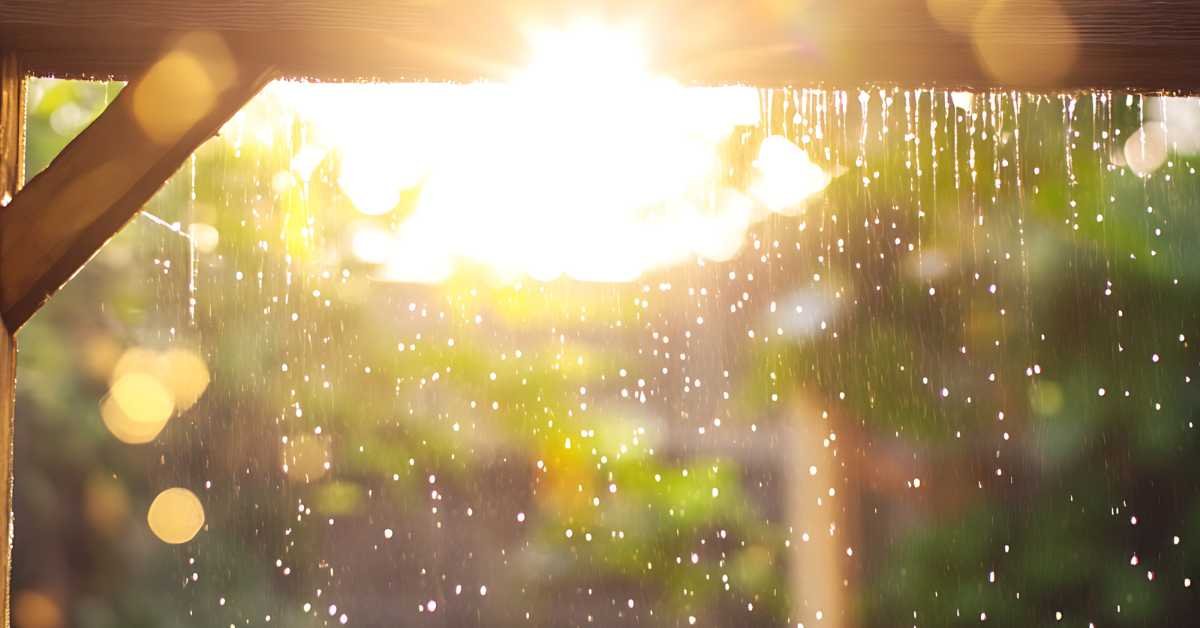
Direct summer sun, continuous rain, winter cold, and sudden temperature shifts hit balcony plants (much more than garden plants).
That’s because on a balcony, we have no buffering from larger trees or open ground. That’s why heat reflects off walls, rain hits pots directly, etc.
Therefore, if you notice that your plant is dying, and it was okay before, it might also be a seasonal effect on your plant.
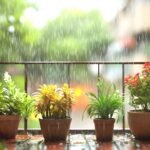
Small plants and seedlings are especially vulnerable to the seasonal shifts, like when rain comes with strong wind, it can make roots lose their place.
Also, it sometimes won’t kill the plant, just impact the growth, like make it slow, but meanwhile, if you make other mistakes, give water, feed unnecessarily, so yes, the plant might die.
Therefore, during the harsh season, you can either shift your pot slightly, provide shade, or shelter plants during heavy rain.
Choosing the Wrong Plant for Your Area Sets It Up to Fail
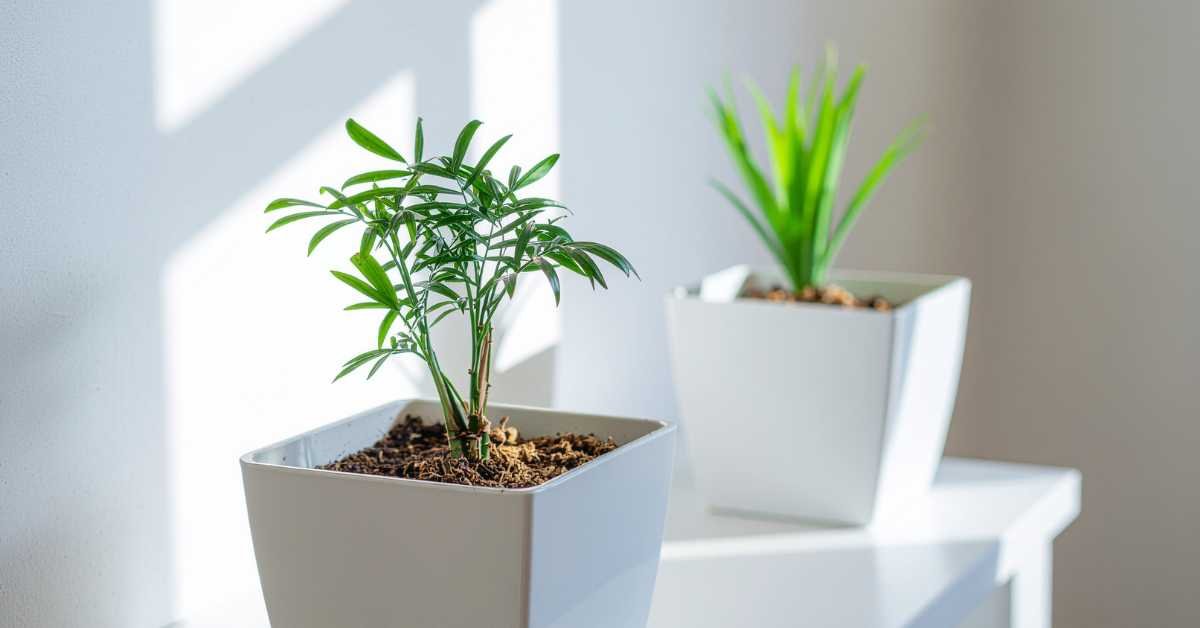
Not every plant belongs on every balcony, and it’s a mistake that a new gardener can make, like if you see on Google or YouTube, like low maintenance balcony plants, and then you get those plants from a nursery or Amazon.
So, in such a case, if your plant does not match the conditions of your balcony, your plant will die, sooner or later.
And yes, it’s also possible that the environment is different in your area, but on the balcony, it might be different.
That’s why you have to keep your local climate, balcony exposure, and seasonal pattern in mind.
Even in the beginning, when you get the plants, they may survive but later decline, no matter how carefully you care for them.
Also read: How to observe balcony sunlight
Light Mismatch Decline Plants
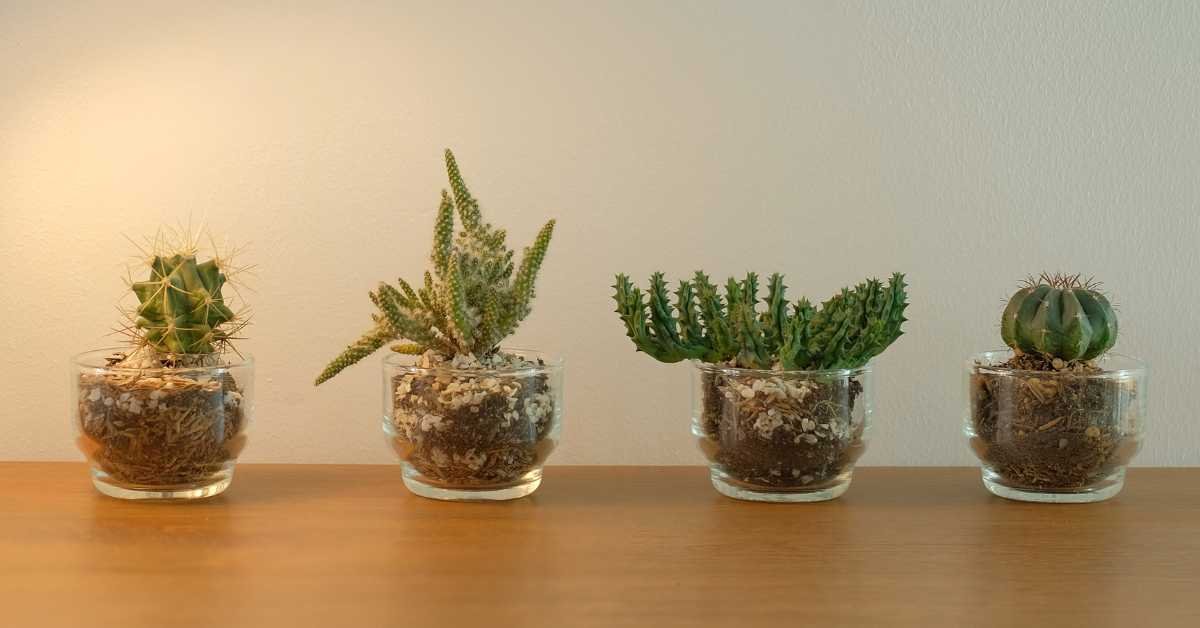
Plants are very specific about light, and balconies make this tricky.
Some plants are built for bright, direct sunlight, while others need indirect or filtered light. And if you mix them, your plant will slowly start declining.
I keep indoor plants like snake plants and peace lilies inside my room, where light is limited, and they are fine there.
If I put my strawberry plant in the same spot, it wouldn’t last long; strawberries need sunlight to function properly.
I once moved an indoor plant outdoors for a short experiment, and within a week, I noticed changes when I checked the roots.
Light problems that happen to plants are also similar to water problems, like pale leaves, slow growth, etc.
Therefore, make sure your plants match the light that you get on your balcony.
Wind Dries Out Soil
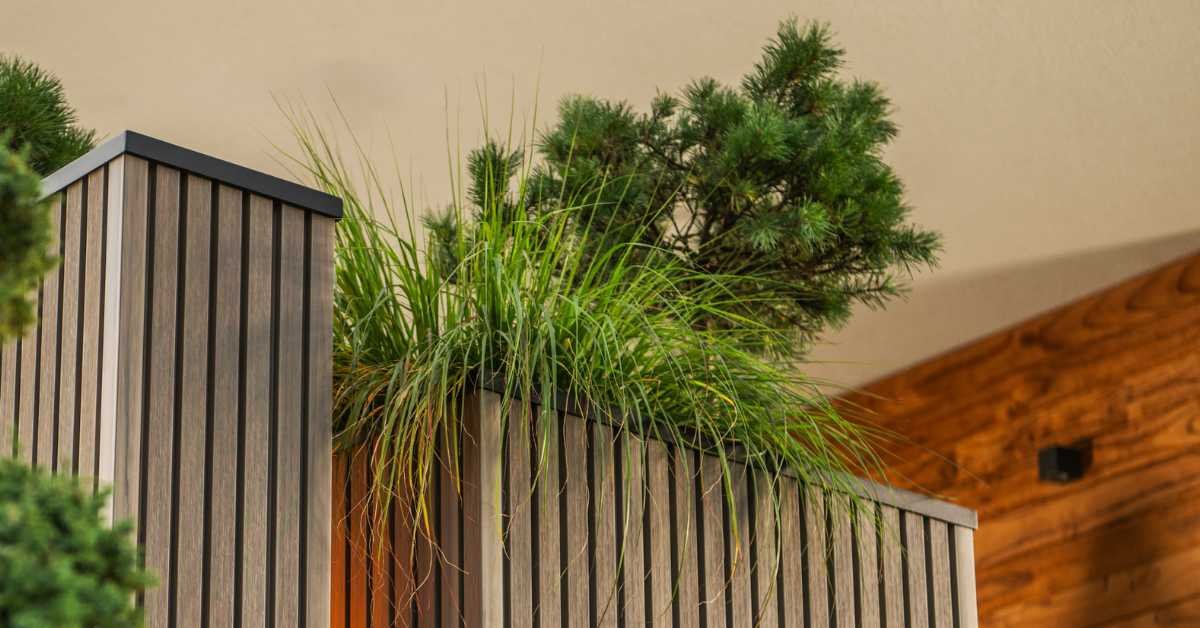
Wind is one of the most underestimated balcony problems; strong airflow strips moisture from the soil much faster than normal.
On hot, windy days, soil that is moist in the morning can become dry by evening, and this might confuse you because you would remember that I already provided water to my plants.
Besides this, wind also erodes soil from the pot’s surface, and it can also expose roots. And over time, this will disrupt water flow inside the pot.
However, it will only happen if you’re living in an area that is always windy.
And, in these conditions, watering will not be enough, but you can’t do that blindly either. So, you should do the same thing I said earlier: check the soil with your finger, if it’s completely dry, provide it, and wait.
Also read: Why low Maintenance balcony , garden fails in summer.
Poor Drainage Suffocates Roots
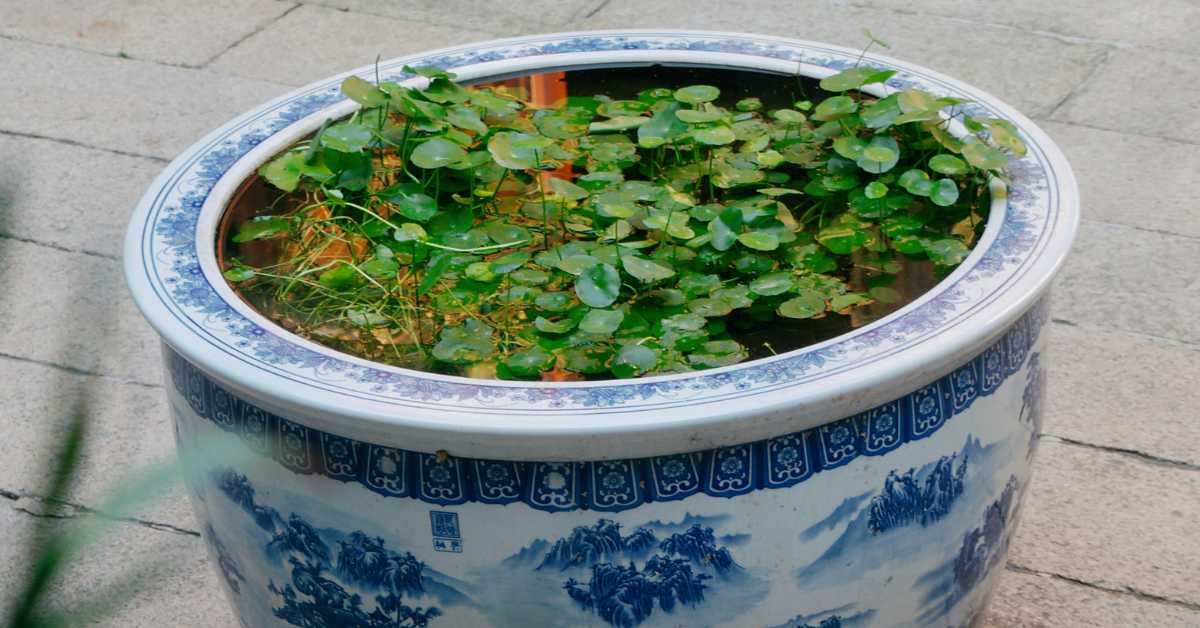
Even if you provide water at the right time, in the right quantity as per your plant’s requirement, your plants will find it hard to flourish if drainage is not done properly.
Without drainage, if you mistakenly provide extra water, it will remain in the pot, which will kill your plant.
Besides this, if you have hard, compacted soil, you should also fix it, because this type of soil won’t let water reach the root.
Pests and Chemicals Weaken Plants Gradually
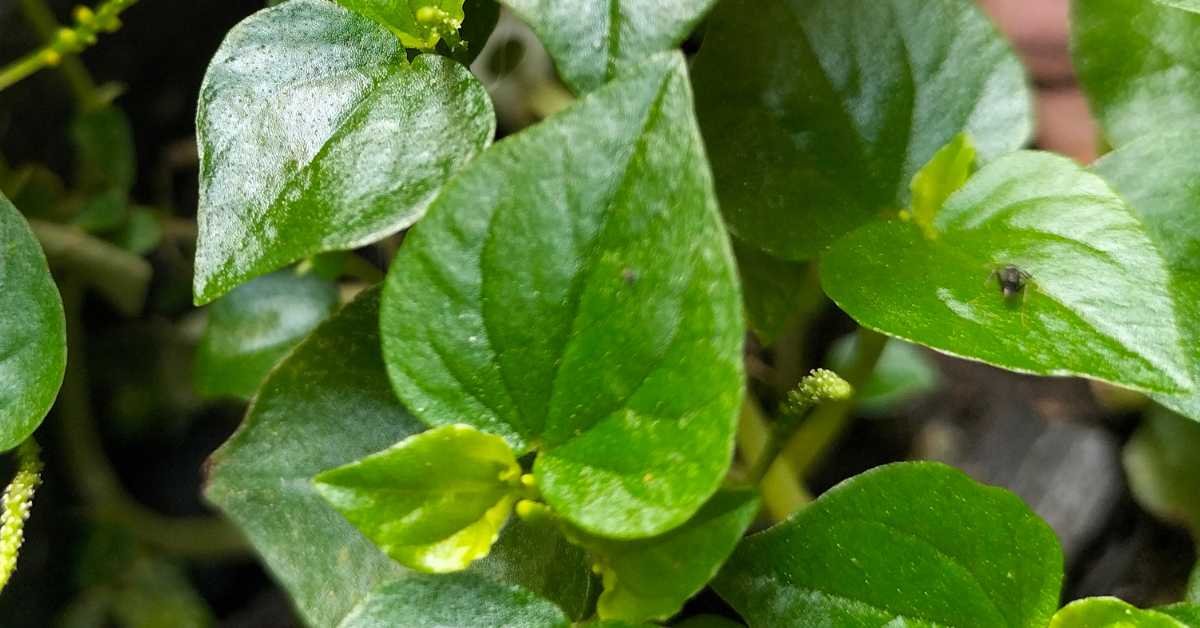
Pests also slowly destroy balcony plants; therefore, you have to check your plant regularly, especially when the plant isn’t growing properly.
Pest signs are small holes, sticky residue, curling leaves, etc., and if you see any of these signs, then you can use neem-based sprays.
Besides this, you should also keep the plant surroundings clean, especially of fallen leaves, water, etc. Sometimes, pets hide there.
And, yes, don’t overuse chemical pesticides; they will also damage plants as much as insects do.
Over-Fertilizing Also Plants
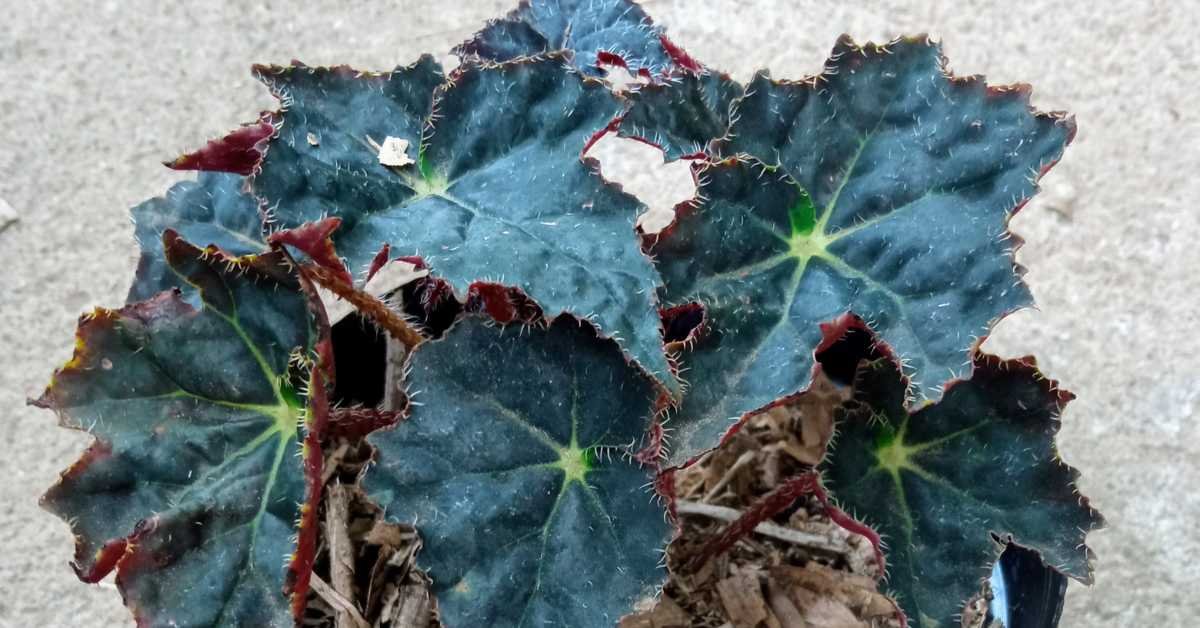
Fertilizing plants is very important for better plant growth, but over-fertilizing, or even fertilizing at the wrong time, like peak summer, can also kill your plants.
Because if you over-fertilize, your plant’s roots will burn, especially in summer, as heat already creates strain on plants.
Even low-maintenance balcony gardens need attention, but they don’t want too much feeding, either.
Conclusion
Your balcony plant will die when you repeat the mistake for a long time. And the mistake can be providing too much water, a wrong plant selection based on your climate conditions, harsh weather conditions, or when you are not protecting the plant, overfeeding, or any other mistake, but mainly, I see these mistakes, which I have just mentioned.
So my advice for you, if you want your plant to flourish and not die, then you should pay attention to a certain thing.
You have to provide water in the morning and check the soil before. If it is dry, then provide it and have proper drainage, look for pests; they shouldn’t be there. Keep your surrounding area clean for that.
Also, protect your plant from harsh conditions like rain with strong wind, and for that, you can use a color curtain.
FAQs
Why do my balcony plants look healthy for weeks and then suddenly collapse?
Some reasons that might be causing this problem are that you’re giving too much water, the soil is not good, poor drainage, etc.
Besides this, your plants might not be suitable for your balcony environment, because some are naturally hot and some are cool.
Is it better to water balcony plants daily in hot weather?
There is no doubt that heat increases water loss, but still, I recommend you check the soil before watering, as it will cause problems.
But yes, sometimes, you might have to provide twice the water, but again, see your local climate and soil.
Can I save a plant that’s already wilting badly?
Sometimes, yes, because it’s happening because of poor soil, drainage, water, etc, you can easily fix it.
But if the plant’s root has turned mushy or black, then it’s unlikely to recover.
Should I move plants often to protect them from the weather?
You can, but it’s not always necessary. If it’s an extreme situation, whether in summer or hot, then you can provide temporary shelter, like you can keep them inside a room, or use a curtain, to save your plant from extreme weather.
How do I know if my soil is the problem?
See that when you provide water, it remains on top, instead of going down towards the root, then it’s a problem with the soil.
Healthy soil starts absorbing within a short time.
Is losing one plant a sign I’m bad at balcony gardening?
Not at all, it happens just a couple of mistakes, and if you’ve figured out that your plant is dying, it’s a good sign, that means you’re learning, and once you catch the problem, you’ll fix everything.
So, in the beginning, it’s okay.

I’m Abraham creator of Balcony Gardening Ideas. I share balcony gardening tips, DIY projects, and hands-on plant care guides based on my own balcony garden experience. I grow vegetables, herbs, and flowers using organic methods and simple setups anyone can follow.