If you’re looking for the best summer balcony plant care tips, here’s the quick answer: you want to protect your plants from harsh heat, provide consistent watering, use a light, airy potting mix, give 4–6 hours of gentle sunlight, and adjust placement based on how intensely your balcony heats up.
Once you manage these few things, your balcony plants will stay healthy throughout the summer season.
Now let’s go deeper, step-by-step, because summer heat can either make your balcony garden thrive… or literally fry it in 24 hours.
How Hot Weather Affects Balcony Plants
- Soil dries faster: Especially in smaller pots and railing planters.
- Leaves burn: If they get intense afternoon sun.
- Roots overheat: Especially when you use black plastic pots.
- Water Dry too quickly: It happens even before plants absorb water.
- Balcony floors heat up. And heats back the plants too.
This is why summer balcony care is all about managing light, water, soil, heat, and airflow properly.
Before we move ahead, if you’re just setting up a balcony garden or want to rearrange things, you can check out: Small Balcony Garden Layout Ideas for a better arrangement.
1. Choose the Right Summer-Friendly Balcony Plants
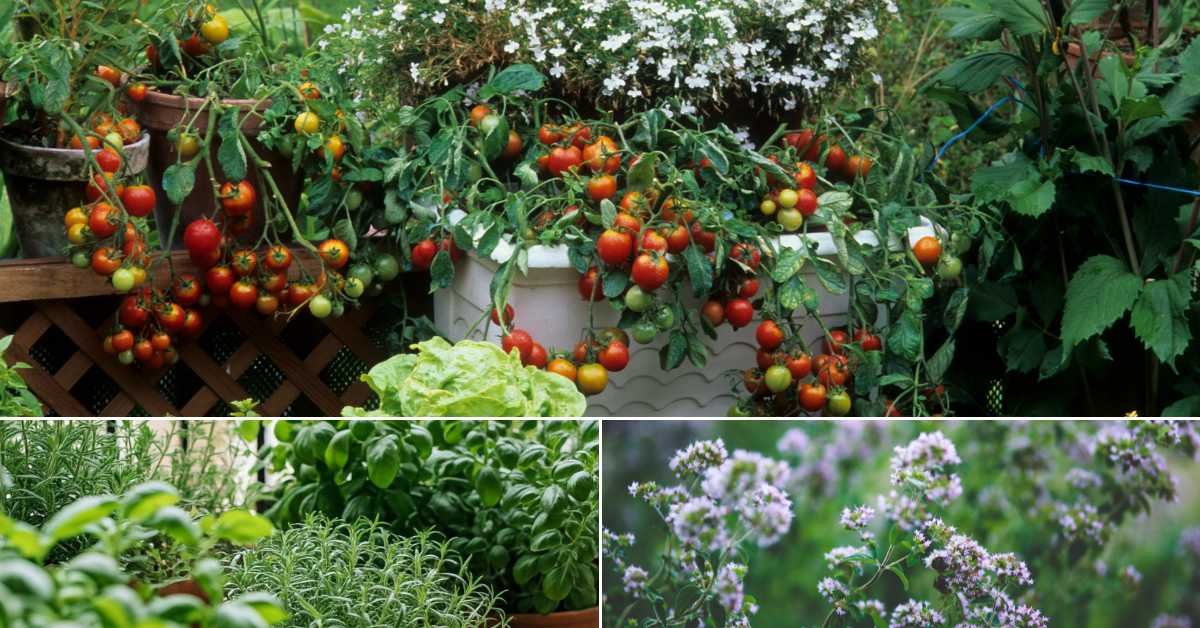
Best Vegetables for Hot Summers
You can grow heat-loving vegetables like:
- Tomatoes
- Chillies
- Okra
- Eggplants
- Cucumbers
- Malabar spinach
If you want more heat-tolerant vegetable options, you can also check: Best Vegetables for Balcony Garden.
Best Herbs for Summer
Some herbs actually love warm weather:
- Basil
- Mint
- Rosemary
- Oregano
- Thyme
For a complete list and placements, see: Best Herbs for Balcony Garden.
2. Give the Right Sunlight (Not Too Much)
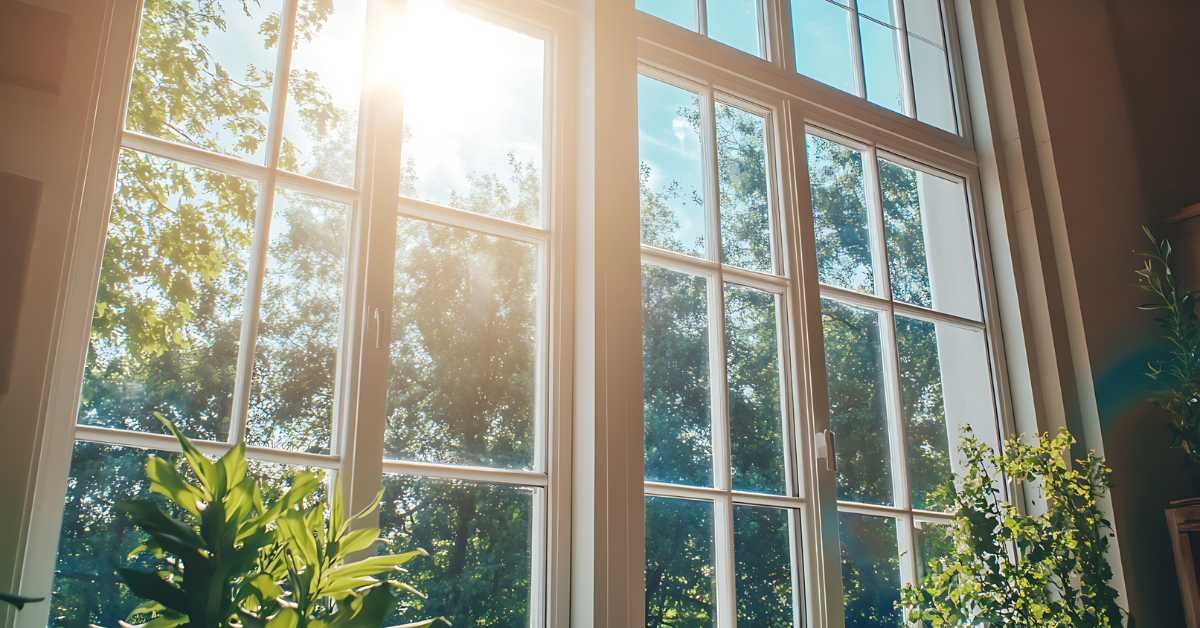
Summer sunlight can be brutal, especially on a balcony. Here’s my simple formula:
- Morning sun = good
- Afternoon sun = harsh
- Evening heat = stressful
If your balcony gets direct harsh sun for 6–8 hours, then in that bright heat, most plants will struggle.
What you should do:
- Shift all sensitive plants to areas with filtered light (shade cloths work well).
- Move herbs and leafy greens to places that get morning sun only.
- Fruiting plants like tomatoes or chillies can handle 4–6 hours of sun, but not intense afternoon heat.
- If your railing containers heat up fast, move them slightly inward.
If your balcony is small, try shifting pots around as the sun changes direction — it’s what I do too.
3. Water Smartly (Not Too Much & Not Too Little)
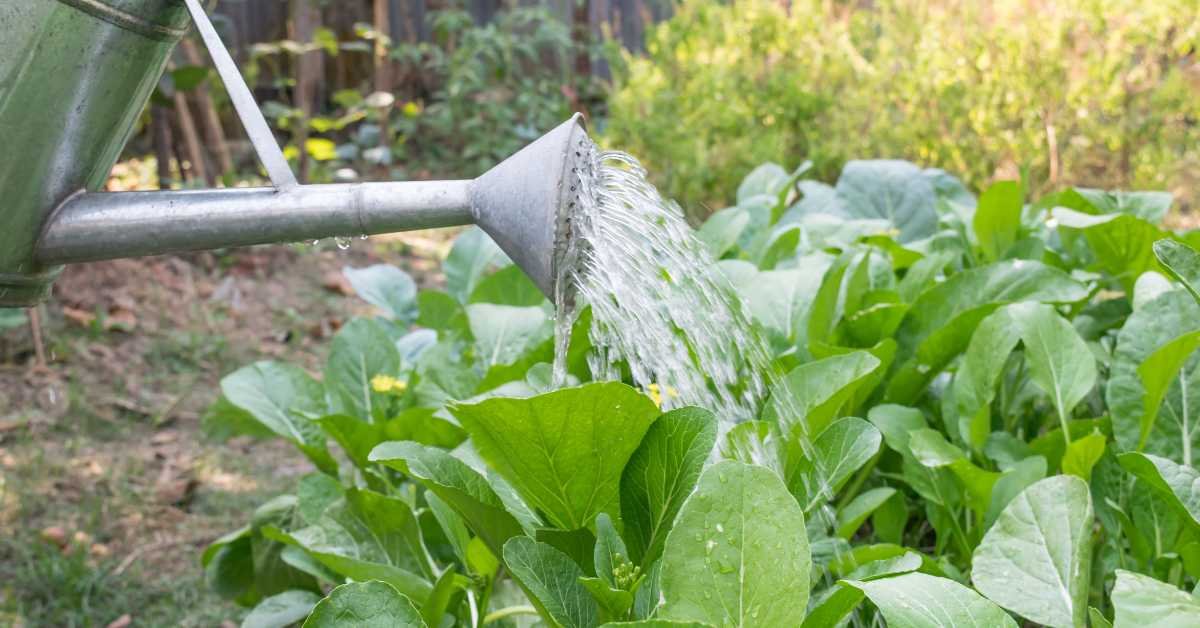
Water survives plants in summer — but overwatering also kills them. The trick is timing + method.
Best Time to Water Balcony Plants in Summer
- Early morning (5–8 am) — ideal
- Evening (after 6 pm) — okay, but skip if humidity is very high
How Exactly You Should Water
- Water slowly to allow the soil to absorb moisture.
- Always water the soil, not the leaves.
- Don’t let water sit in trays; it causes root rot.
- For railing planters, water twice (small sips) instead of flooding.
How to Know When Your Plant Actually Needs Water
Use the finger test:
- Insert your finger 2 inches deep
- If it feels dry → water
- If it’s moist → wait
If you want help with soil staying moist, here’s a page that helps: Balcony Garden Drainage Solutions — proper drainage helps retain the right amount of moisture.
4. Use the Right Soil Mix for Summer
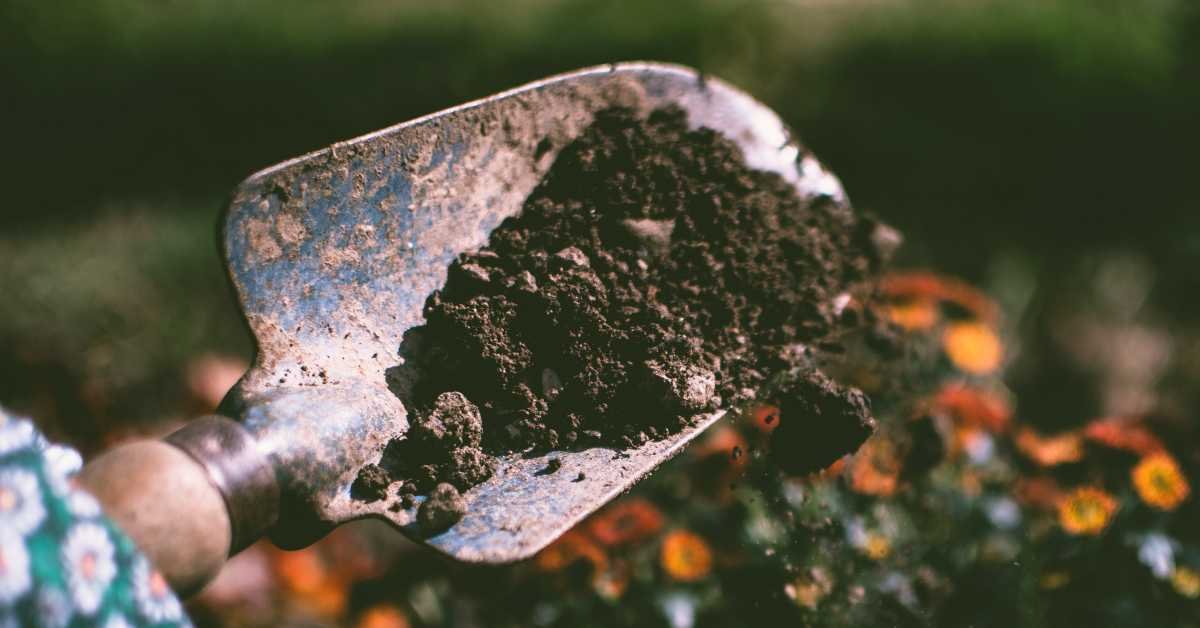
This part matters more than we think. In summer:
- Heavy soil compacts and suffocates roots
- Light soil keeps plants cool and airy
- Wrong soil leads to root rot + heat stress
So your potting mix should be:
Ideal Summer Potting Mix for Balcony Plants
- 40% potting soil
- 30% cocopeat
- 20% compost
- 10% perlite/pumice
This mixture stays airy, drains excess water, and still retains moisture.
To go deeper into good potting mix options, check: Best Soil for Balcony Plants.
5. Mulching – The Secret Weapon for Summer Balcony Gardening
If there is one tip that can completely transform your summer balcony garden, it’s this one.
Mulch helps:
- Reduce watering by 40%
- Keep soil cool
- Prevent soil from drying too quickly
- Stop weeds
- Keep roots protected
Best Mulching Materials
You can use:
- Coco chips
- Dry leaves
- Wood chips
- Straw
- Sugarcane mulch
- Grass clippings (dry them first)
Just add a 1-inch layer to each pot. It is very important in summer.
6. Hot Balcony Surfaces? Fix That Instantly
Whether you have tiles, cement, or metal railings, they all reflect heat. This raises the pot temperature like crazy.
How to Fix It
- Place pots on stands or wooden planks.
- Don’t keep pots directly on balcony floor tiles.
- Use coir mats or rubber mats under your containers.
By lifting pots up, you instantly reduce heat stress for the roots.
7. Shade Your Plants Without Blocking Light
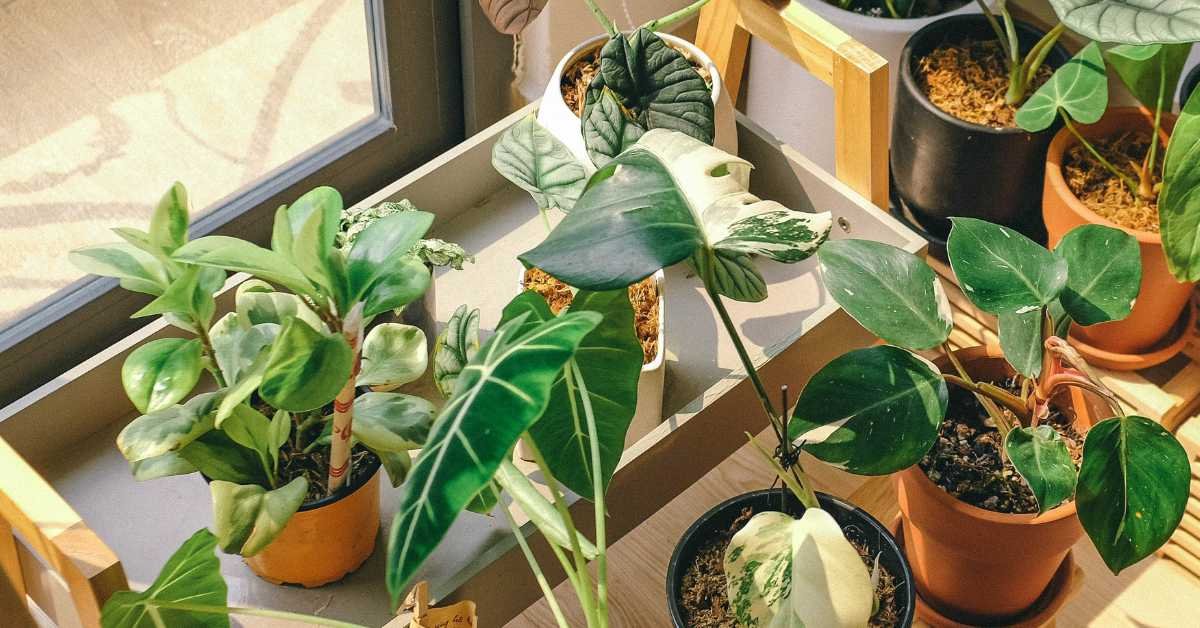
Your plants still need sunlight — but filtered sunlight.
Here are a few things you can use:
- Green shade net (50–75%)
- Cotton cloth
- Sheer curtains
- Old bedsheets
- Bamboo blinds
Which Shade Net to Use
- 50% for vegetables
- 75% for herbs and leafy greens
- No shade for succulents and heat-loving plants
You don’t need a full installation — just clip it to a railing or hooks.
8. Fertilize Better (Not More) in Summer
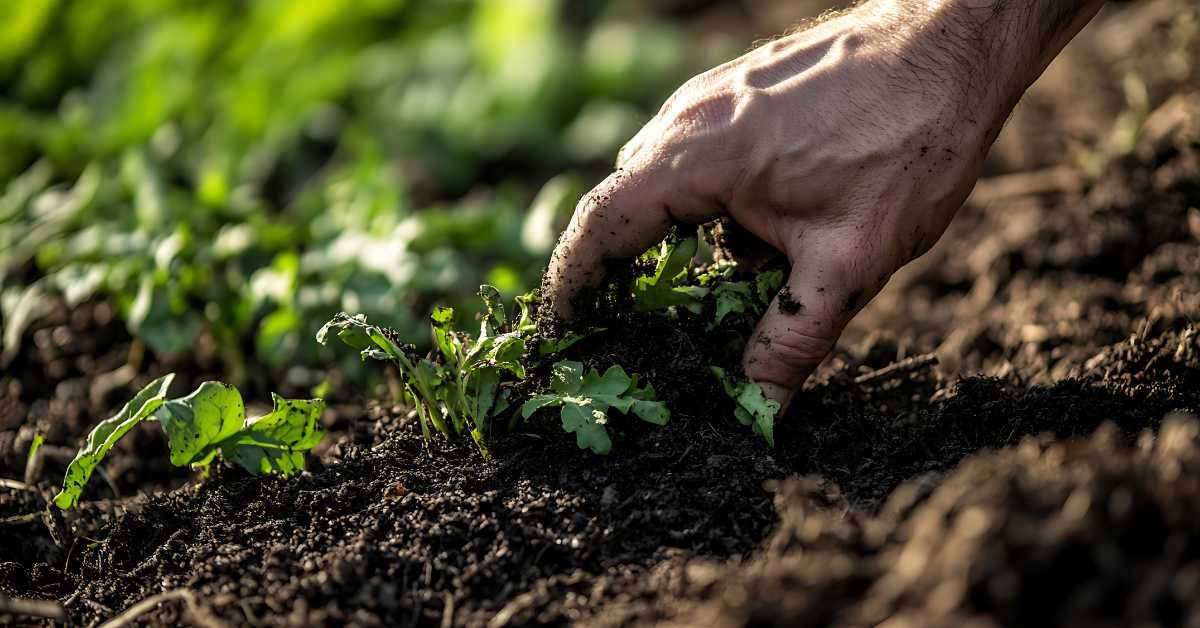
People make a big mistake—feeding too often during the summer.
Plants are already stressed. Heavy feeding burns roots.
Best Summer Fertilizers (Use Lightly)
- Vermicompost
- Seaweed extract
- Liquid compost tea
- Organic NPK
- Banana peel water (once a month)
How Often to Fertilize
- Liquid fertilizers → every 15 days
- Solid fertilizers → every 25–30 days
If your plants look yellow, give seaweed extract first — it helps reduce heat stress.
9. Protect Roots from Overheating
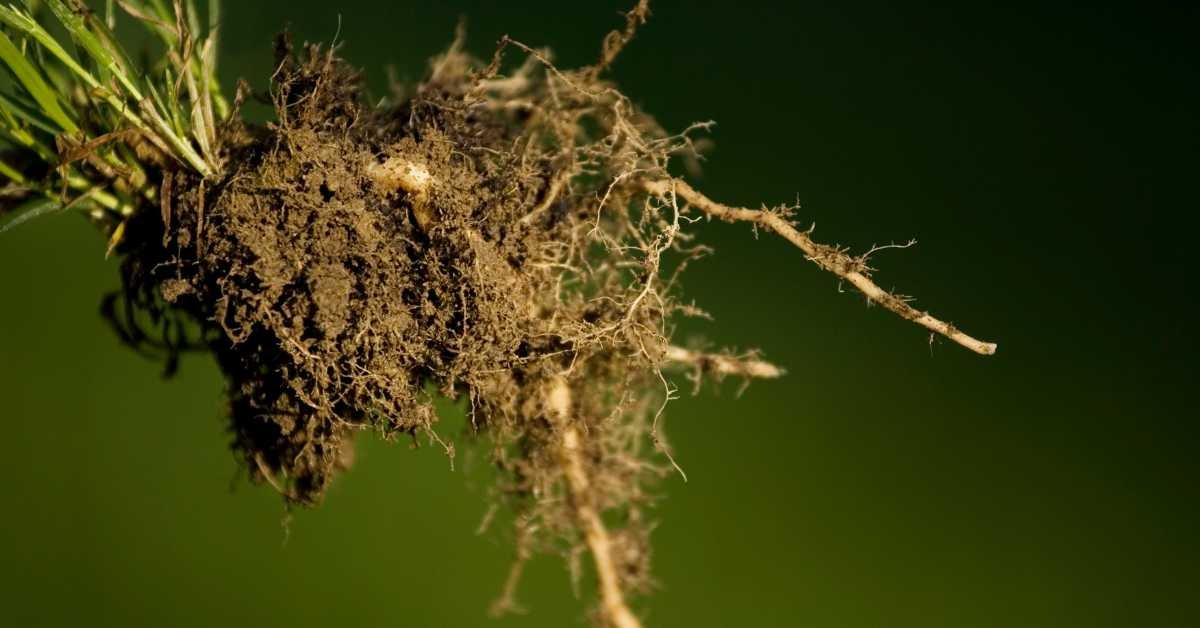
Black plastic pots heat up faster than any other.
How You Can Keep Roots Cool
- Wrap pots with jute bags
- Cover pots with a cloth
- Keep darker pots in shade
- Use ceramic or terracotta pots for heat-sensitive plants
- Double-pot method (small pot inside larger one)
Roots staying cool = plants staying alive.
10. Handle Wilting & Leaf Burn the Right Way
If you see:
- Drooping leaves
- Dry leaf tips
- Leaf burn marks
- Lower leaves are turning yellow
These are signs of heat stress.
Fix It Quickly
- Move the plant to the shade immediately
- Water lightly (don’t flood)
- Mist air around the plant, not on the leaves
- Add mulch
- Remove crispy leaves
Don’t prune too much in summer. Just remove the damaged parts.
11. Group Plants Strategically (This Helps Water Retention)
Plants placed together create a microclimate — cooler, more humid air.
Place:
- Herbs together
- Leafy greens together
- Vegetables together
- Shade-loving plants behind tall plants
This reduces evaporation and helps your plants stay healthy.
12. Pick Containers That Survive Summer Heat
Not all containers perform well in summer.
Best Containers for Summer
- Terracotta
- Ceramic
- Thick plastic
- Grow bags
Containers to Avoid
- Thin black plastic (heats too much)
- Metal pots (they cook the roots)
Grow bags are the best if your balcony gets extreme heat because they allow proper airflow.
If you’re looking for new ideas for railing planters, you can check: Small Balcony Railing Planter Ideas.
13. Improve Airflow (Most People Ignore This)
Stagnant hot air around plants makes them more prone to pests and fungal infections.
How to Improve Airflow
- Don’t overcrowd pots
- Keep some gaps between each plant
- Let natural wind flow through
- Place plants at different heights for airflow movement
If your balcony is a completely closed space, airflow becomes even more important.
14. Manage Balcony Drainage Properly
Summer watering increases, so drainage problems appear more frequently.
If your water has no place to go:
- Soil becomes soggy
- Roots rot
- Fungus grows
- Mosquitoes start breeding
And all this makes plants weak.
Here’s something that can help you: Balcony Garden Drainage Solutions — very important for summer.
Care Tips for Specific Balcony Types
Every balcony reacts differently in summer. Let me break it down quickly.
East-Facing Balcony (Best for Summer)
You get gentle morning sun only.
Perfect plants:
- Herbs
- Lettuce
- Spinach
- Tomatoes
- Chillies
West-Facing Balcony (Hottest)
You get harsh afternoon sun.
Tips:
- Use a shade net
- Move plants inward
- Avoid metal or black pots.
- Water early morning
South-Facing Balcony (Strong Sun)
Heat is strong but consistent.
Tips:
- Grow only heat-loving plants.
- I grow tomatoes, okra, and chillies as they grow well.
- You must mulch in summer.
- You should use terracotta pots and avoid black plastic for summer. If you already have plastic ones, then repot them asap.
North-Facing Balcony (Low Light)
Not directly related to summer, but during summer, it stays cooler.
For low-light conditions, you can also check: Best Herbs for Balcony Garden.
Common Summer Balcony Garden Problems
Here’s a quick reference chart:
| Problem | Reason | Solution |
| Leaves turn brown | Sunburn | Move to shade, water lightly |
| Soil dry too fast | Small pots / no mulch | Add mulch, use bigger pots |
| Plants drooping | Heat stress | Shift to filtered light |
| White spots | Powdery mildew | Improve airflow, use neem spray |
| Yellow leaves | Overwatering | Fix drainage, reduce water |
| Fruit drop (tomatoes, chillies) | Heat stress | Shade in afternoon |
Weekly Summer Balcony Plant Care Routine
Here’s a simple routine I use:
Daily
- Provide lite water
- You want to check soil moisture.
- Move your plants to a shady area.
- Mist air around the plants (not leaves)
Every 3 Days
- You want to rotate pots for even light.
- Check if there are pests
- Remove dried leaves
Weekly
- Provide your plant with a seaweed fertilizer.
- Give your plant deep watering, just once.
- Clean dust from your plants leaves
Monthly
- Add compost
- Light pruning
- Repot small plants if roots are exposed.
This routine will keep your balcony garden thriving even in peak summer.
Best Summer Watering Tools & Accessories
To make your summer plant care easier:
- Small watering can
- Spray bottle
- Moisture meter
- Mulch
- Drip irrigation pipe (optional)
- Shade net clips
You don’t need expensive tools. Even a simple mug works if you know how to water correctly.
Conclusion
These were the summer balcony plant care tips that actually work. And trust me, once you follow these simple things—like give the right sun, water smartly, use a light potting mix, add mulch, protect roots from heat, and fix drainage—your balcony plants will stay perfectly healthy even in the hottest months.
You don’t have to do anything fancy. Just be consistent.
Shift plants when the sun changes direction, water early morning, keep the soil light and airy, and watch your plants daily for small changes.
Summer heat can be tough, but balcony gardening becomes super simple when you understand your space and adjust things based on your sun pattern.
FAQs
How often should I water balcony plants in summer?
In summer, most balcony plants want water every day, especially in the morning. However, instead of fixing a schedule, you should check soil moisture first.
If the soil feels dry 2 inches deep, water. If it’s still moist, wait. Overwatering in summer is as harmful as underwatering.
Why do my balcony plants wilt even after watering?
This usually happens due to heat stress, not lack of water. If the sun is too harsh, the leaves droop even when the soil is moist.
.Move the plant to filtered light, add mulch, and let it cool down. Don’t flood it with more water; that will damage the roots.
What’s the best potting mix for summer balcony gardening?
A light, airy, water-retentive mix works best. You can use: 40% potting soil + 30% cocopeat + 20% compost + 10% perlite.
This keeps roots cool, drains fast, and still retains enough moisture. Perfect for extreme heat.

I’m Abraham creator of Balcony Gardening Ideas. I share balcony gardening tips, DIY projects, and hands-on plant care guides based on my own balcony garden experience. I grow vegetables, herbs, and flowers using organic methods and simple setups anyone can follow.