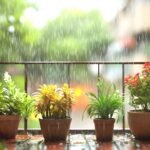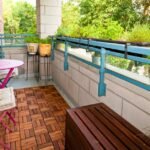
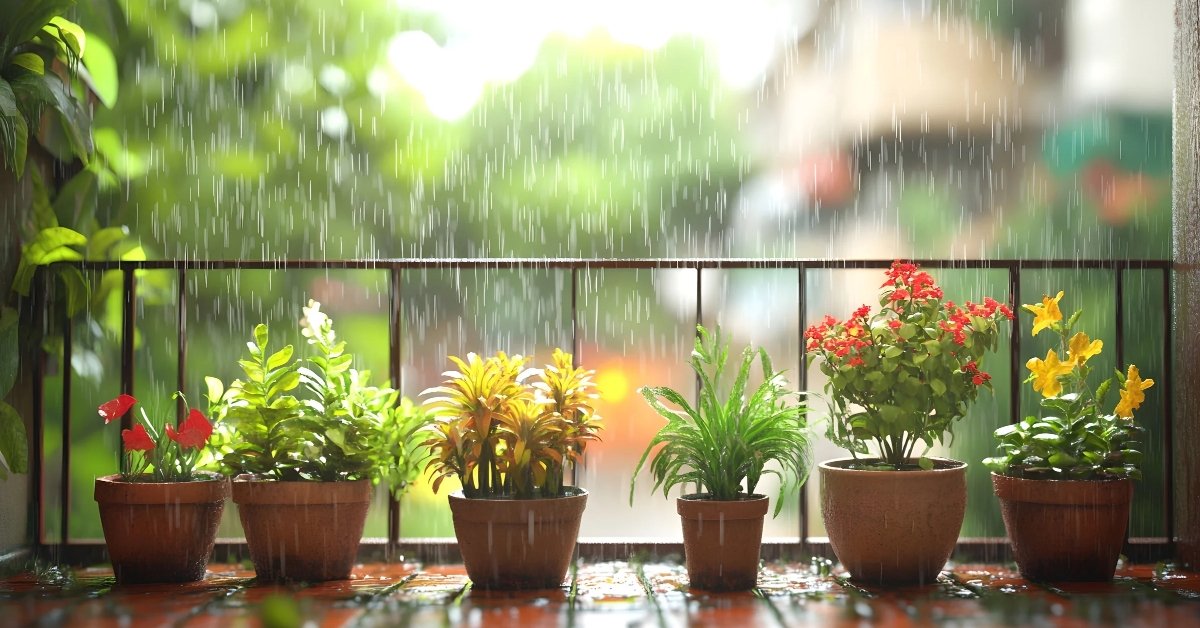
I live in Delhi, and here the rainy season comes once a year, and then I have to wait for a year.
Therefore, rain is not a big problem for my balcony plants. Most of the time, the rain is moderate. It comes, it goes, and the plants actually look better after the rain.
However, rainwater is only problematic when it is stuck in pots or when it happens continuously for a very long time.
So protecting balcony plants from rain, at least the way I have experienced it, is mostly about managing where rainwater goes after it falls.
Why is Rainwater Problematic and When it’s Not
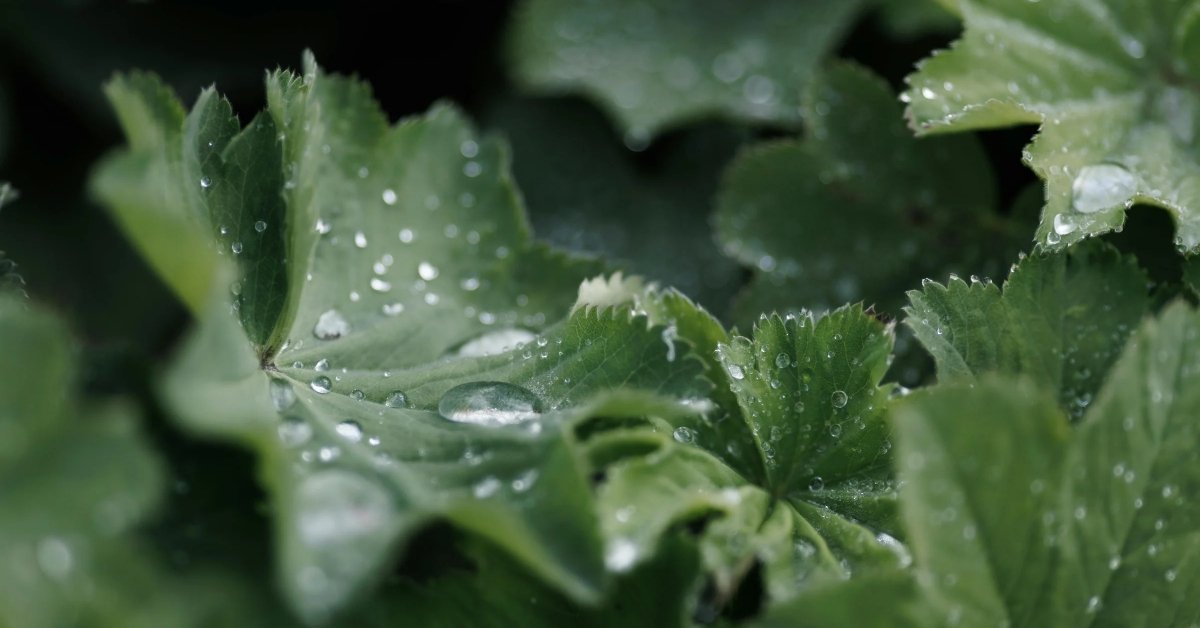
In normal rainy weather, your plants can handle rainwater, as it will wash leaves, clear dust, and allow the soil get a natural soak.
Whenever I see a plant struggle during the rainy season, I notice the following things:
- Water sits inside the pot for too long
- Water collects under the pot
- The soil becomes too tight and airless after rain for too long
I don’t rush to cover plants suddenly when the rain starts. I first look at whether water can leave the pot easily. If it can, rain is good for plants.
Always have Drainage Holes
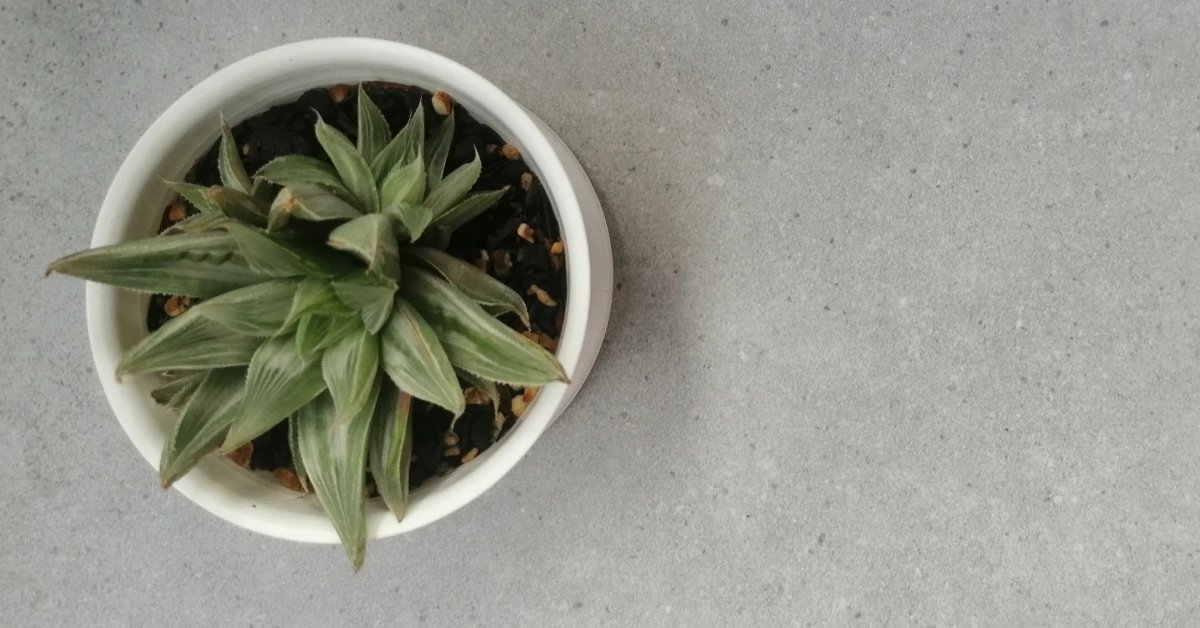
You should not compromise with drainage holes; any pot without proper drainage will cause trouble in the rainy season, no matter how careful you are.
Without drainage, soil will soak up all the water as water cannot go anywhere, and the soil will become wet. And plant roots don’t like to sit in that.
Therefore, you must have at least one good drainage hole, though multiple holes are better.
I always check this before the rainy season starts, because once the rain starts, it becomes harder to fix.
Lift Pots Slightly So Water Can Escape
It’s another small change that will help in the rainy season, you can lift pots slightly off the floor.
Because when a pot sits flat on the balcony surface, your pots might have drainage holes, but still, water might not escape easily.
Also, if you’re living somewhere where rain comes too frequently, then you must lift your pots a bit.
I tilt my pots slightly or place them on small stands, bricks, or even flat stones.
It is also good for airflow and letting water go.
Remove Self-Watering Trays During the Rainy Season
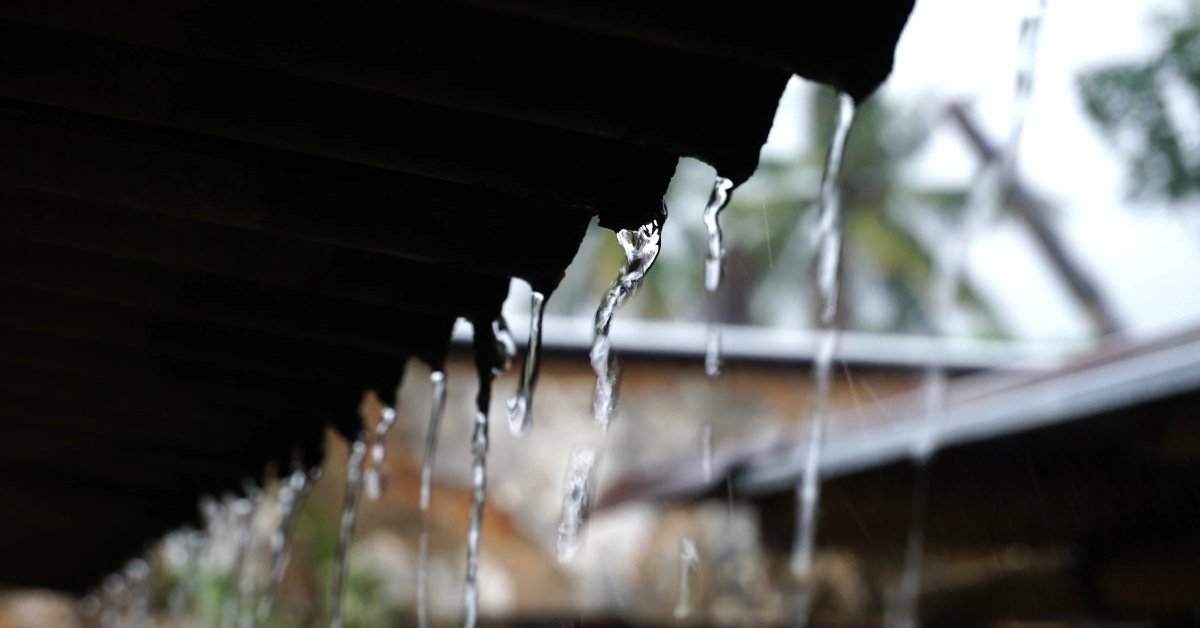
Self-watering trays are useful in summer, but during monsoon or continuous rain, they sometimes become a problem.
Because rainwater gets collected in those trays and turns them into small ponds.
So, if your pot has drainage, your water will just sit underneath and slowly move back up into the soil.
Too many plants don’t like that constant moisture, especially balcony plants that are already in containers.
Loosen the Soil When It Starts Feeling Hard
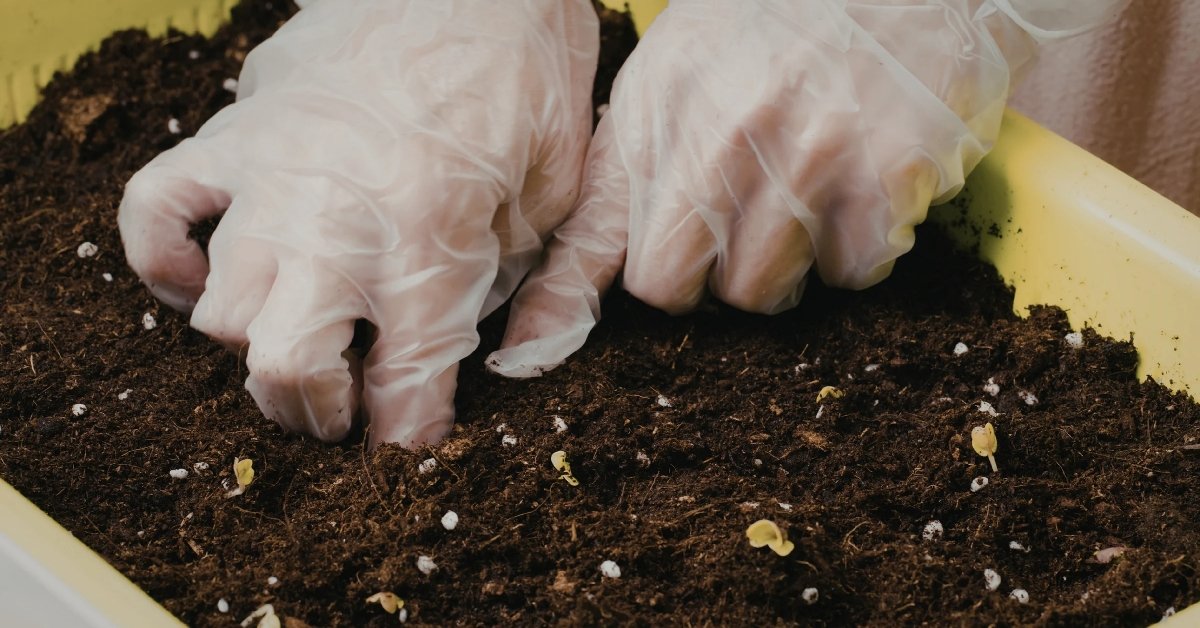
This is what I still do regularly, even after years of gardening.
Continuous rain changes the structure of potting soil because it presses the soil down. And because of that, the top layer of soil becomes hard.
And to this, I follow a simple trick: I just press the soil lightly with my finger, and it feels stiff, so I loosen it. Not too deeply, but just enough so it can let air pass again.
Reasons why it’s important:
- Roots get oxygen
- Excess moisture evaporates faster
- Fungus and bad smells reduce
- The plant recovers more quickly after rain
This is really important, even more in humid weather, because fungus spreads easily.
Protect from Harsh Wind
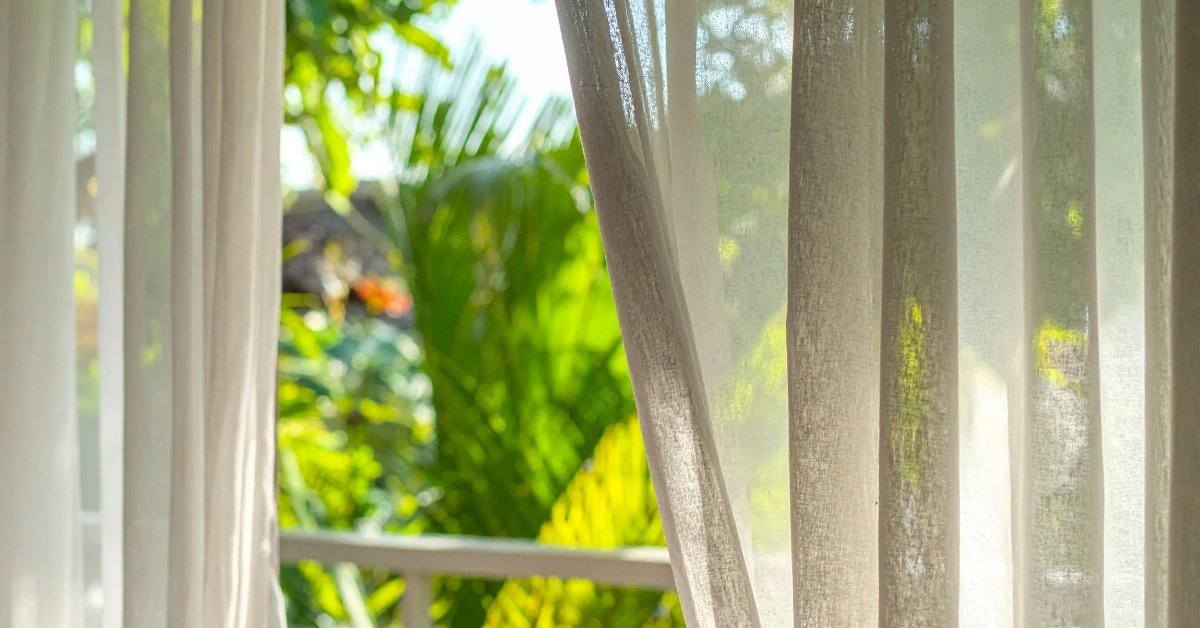
In Delhi, rain sometimes comes with fast air, and sometimes it has the power to stress plants.
For this, my most basic solution has worked fine for years: a large curtain tied with rope. I don’t use it every time it rains.
But do use it when the air is strong, and rain is continuous.
The curtains block direct wind and heavy sideways rain. Since I already have a rope available, it’s easy for me to set up and remove it after too much rain and harsh wind.
If you don’t have a curtain, you can also try other temporary covers:
- A large polythene sheet
- Netting
- Old bedsheets (knowing they’ll get wet)
Polythene works best when the rain doesn’t seem to stop, but you should only use it when it’s necessary or permanent.
Bring Plants Indoors When It’s Rain
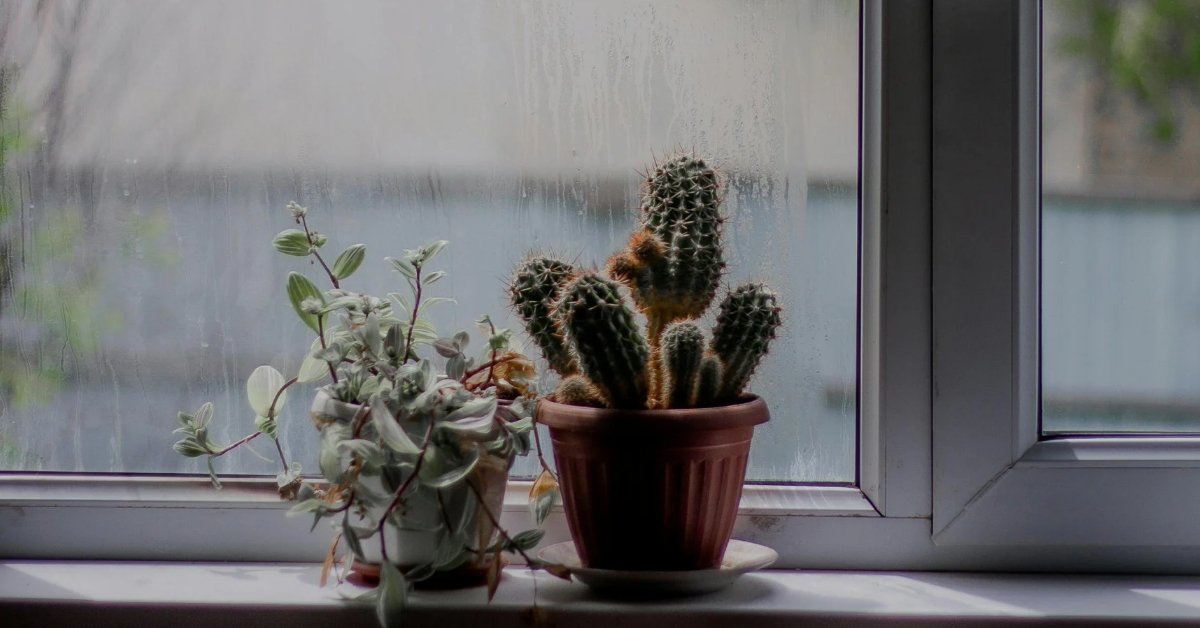
When I don’t want to bother myself to cover all balcony plants, if I see that the rain is heavy and continuous, I simply move some plants inside.
I don’t bring all of them in, but only the ones that are most sensitive. I place them just inside the room, not deep inside the house.
Mostly near the balcony wall or backside area, where light is low but airflow is still good.
Yes, it makes the floor a little dirty, but for me, this inconvenience is smaller than covering with polythene, or I don’t want to tie curtains.
Also, during the rainy season, sunlight is already limited. Keeping plants indoors won’t really harm my plants.
Also read: How to Maximize Balcony Space Without Overcrowding Your Plants
Choose Plants That Can Handle Rain
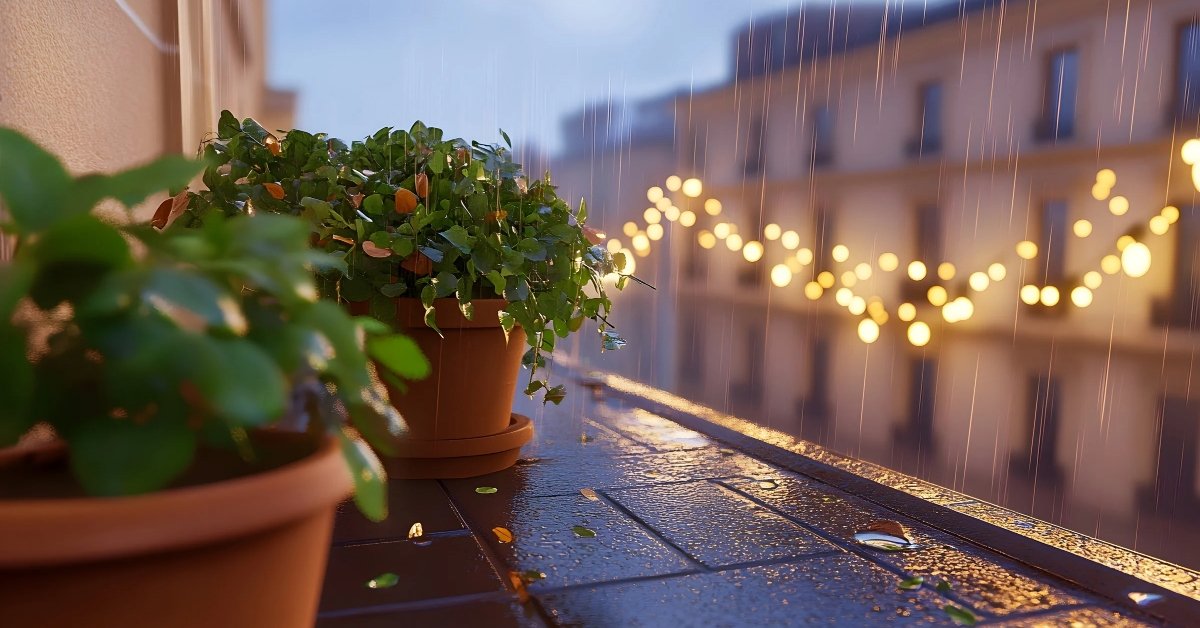
If you live in a place where rain happens too often, then you should choose the correct plants suitable for your environment.
Some plants naturally grow well during rainy seasons. For example, dwarf banana, lemon, and cherry tomato (with good drainage). If you grow vegetables like me, you can grow okra, spinach, amaranthus, green chilies, and beans.
Herbs like mint, lemongrass, coriander, turmeric, ginger, and basil are pretty good options.
Watch Closely for Fungus and Damage
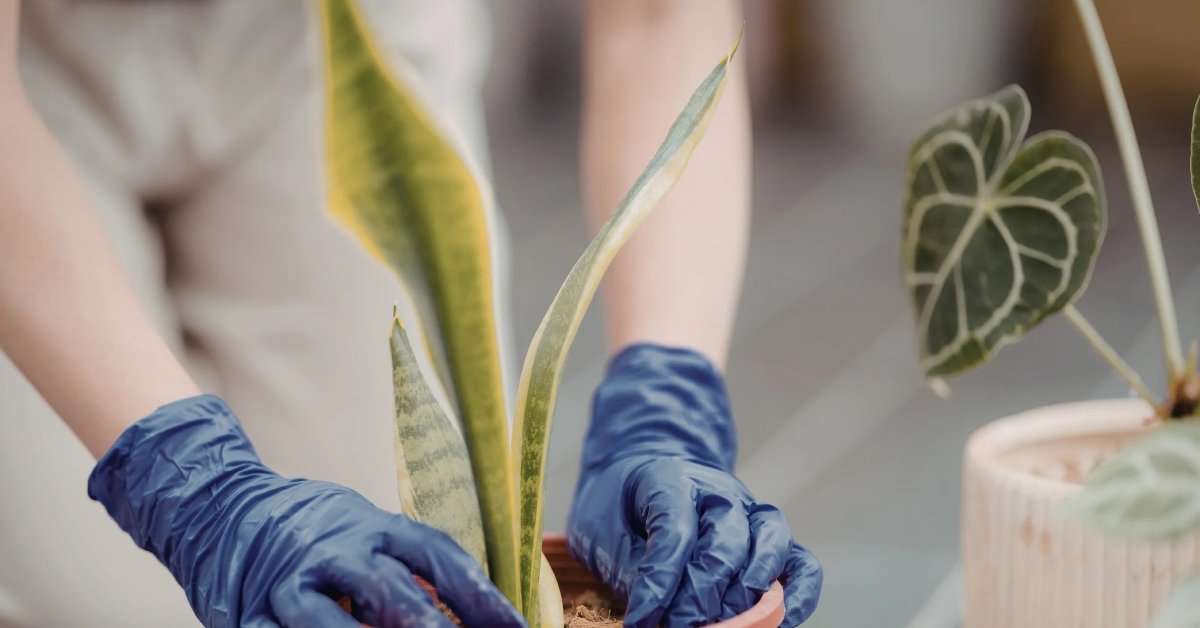
Rainy seasons are perfect conditions for fungus, as soil remains moist, humid air, and low sunlight, all of which encourage fungus.
I make it a habit to check leaves, stems, and soil surface more often during this time. Also, if I see damaged parts, I remove them early.
Your plants will recover faster if you handle problems quickly.
What Actually Keeps Balcony Plants Safe in Rain
After years of dealing with this, I don’t see rain as something to fight, especially in my area.
Look, if the water can flow out, soil can breathe, and your plants are not pushed around by wind, rain is good for your balcony plants.
Besides this, if it rains cats and dogs, I use curtains, put plants inside, otherwise do nothing at all.
Also, my protection changes based on how long the rain lasts, how strong the wind is, and how the pots are set up.
Conclusion
You should not treat rain as a threat, because it’ll be a threat only in some conditions, like when your balcony doesn’t have a way to let extra water go, same with pots, or when the soil isn’t good, or the rain happens continuously.
If it’s the rainy season right now, you can slightly lift your pots too.
And cover with curtains, or plastic sheets only when needed, like when the rain doesn’t stop, or the water is too fast.
FAQs
Should I cover balcony plants every time it rains?
No, light or short rain is okay, and it will help your balcony plants flourish more. You should only cover your plants during continuous rain or strong winds.
Is rainwater bad for potted plants?
Rainwater is not harmful; the problems start when rainwater stays trapped in the pot or tray for too long.
Why does soil smell bad after continuous rain?
It happens because of waterlogging, because compacted soil loses airflow. To get rid of this, you have loosen your soil.

I’m Abraham creator of Balcony Gardening Ideas. I share balcony gardening tips, DIY projects, and hands-on plant care guides based on my own balcony garden experience. I grow vegetables, herbs, and flowers using organic methods and simple setups anyone can follow.