If someone asks me which plant I should grow on my balcony? I ask about the sunlight pattern on their balcony.
Because this helps me decide what we should grow, like vegetables, herbs, flowers, etc.
However, especially if he’s a beginner, the next question I’m asked is how I can observe sunlight patterns.
So I tell them simple observation methods that help them know the sunlight without any special tools.
Why Sunlight Observation Matters More Than Plant Lists
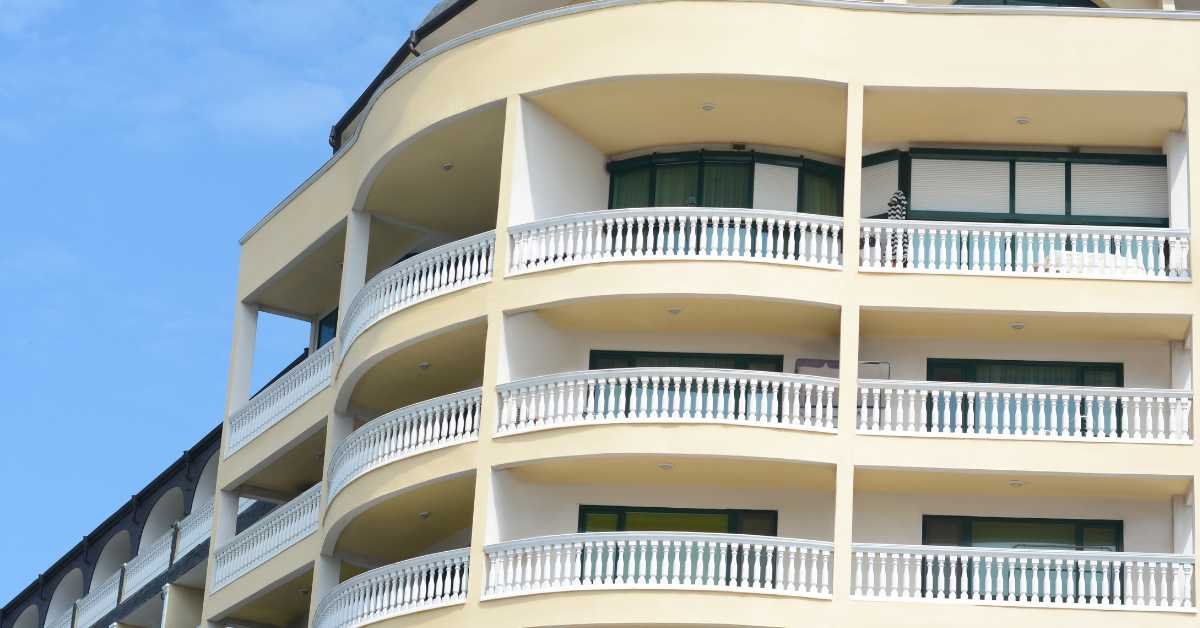
Plant lists only work after sunlight is clear; before even two balconies in the same building, one at the 3rd floor and another one at the fourth floor, can behave differently.
Like one might be getting sharp sunlight at home, and another one just bright or only morning light.
So, for plant selection, choosing the correct sunlight is really important.
The simplest way to measure sunlight: one full day

If I had to explain this to someone with zero gardening background, this is what I’d say:
Pick one day when you’re home, like a Sunday, and then check your balcony 4 to 5 times.
That’s it.
These time blocks will tell you almost everything you need to know.
1. Early morning (around 7 to 9 AM)
If your balcony is getting this, it’s soft sunlight. It will feel gentle on the skin.
This sunlight is good for herbs and leafy plants.
2. Late morning to early afternoon (around 10 AM to 1 PM)
This is the strongest window if the sun is directly hitting your balcony for a few hours.
It would be good for flowers, foliage, vegetables, etc.
3. Afternoon (around 2 to 5 PM)
This sun is harsher, especially in the summer season.
If your balcony is getting this, it’s fine for many plants.
But plants will react differently to this heat.
4. Evening (after 5 PM)
Evening light is usually weaker and angled, and that’s why you can’t grow most vegetables.
But it’s good for some shade-tolerant plants.
Measure Light Looking at Your Floor

This is one of the easiest ways to understand light.
You simply notice:
- Is sunlight actually touching the balcony floor?
- Or is the space bright but shaded?
- Does the sun move across the balcony, or hit only one corner?
Even if you miss a time slot, the floor can still tell you.
Heat is information
If you place your hand on the floor or railing:
- Warm but comfortable: That means the sun is gentle or you’re getting partial sun.
- Very hot to touch: Strong direct sun, good for most plants, including vegetables, fruits, etc.
- Barely warm but bright: That means you’re getting reflected light, not direct.
One Day is Enough, but Three Days are Better
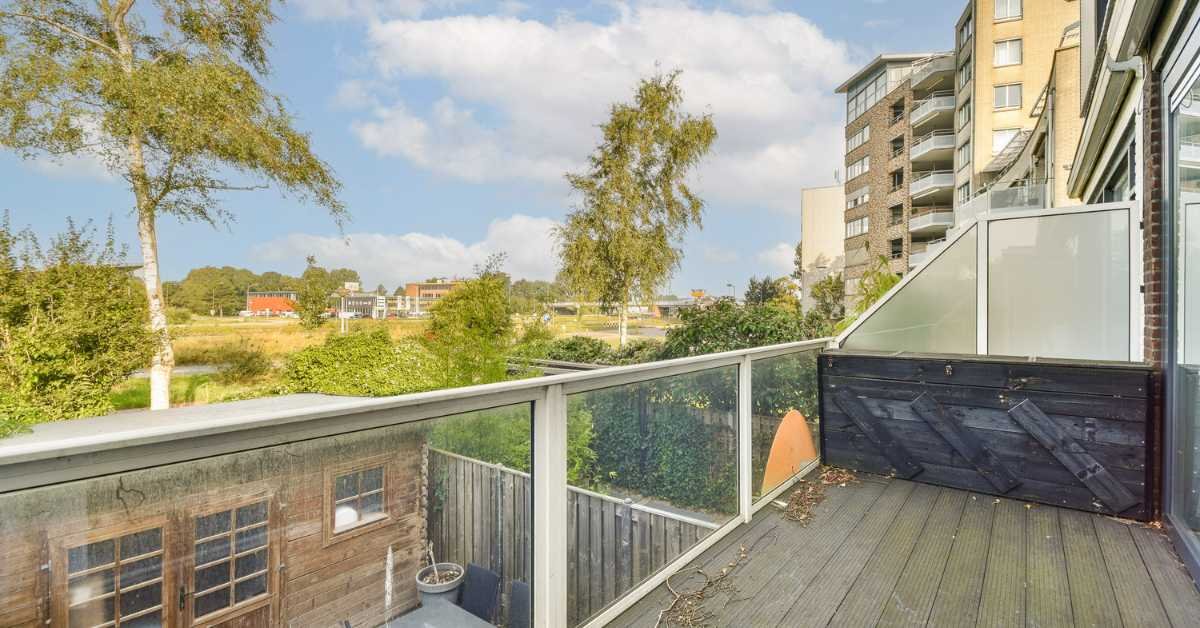
If you’re serious about getting it right, observe for three different types of days:
- Normal sunny day
- Cloudy or hazy day
- Very hot, clear day
Why? Balconies behave differently depending on cloud cover and seasonal angle.
I’m sharing from experience that if your balcony gets 4 to 6 hours of real direct sunlight on any normal day, you have more options to grow.
Sunlight Duration Matters More than Intensity
A common mistake is focusing only on how strong the sun feels.
Duration is often more important.
- 4 to 6 hours of moderate direct (Excellent)
- 1 hour of very harsh sun (good but not for all plants)
So, always remember that plants don’t photosynthesize only based on intensity; they need some time.
So when observing, always notice: How long does the sun stay here
Shadows Change Through the Year (and That’s Normal)
One thing many first-time balcony gardeners don’t expect is that sun patterns shift with seasons.
If your balcony is getting winter sun, maybe it’ll lose it in summer. And a shade balcony might suddenly light up in cooler months.
This is why observation is important here, too.
Choose Plants Becomes Obvious After This
Once you’ve done sunlight observation, plant decisions will be really easy.
- Long direct sun: You can grow vegetables, fruiting plants, and sun-loving herbs
- Gentle or filtered sun: Leafy greens, flowers, soft herbs
- Bright but no sun: it’s good for foliage plants as they don’t like harsh light
What I Didn’t Use and Why
I didn’t use
- Sunlight meter apps
- Compass directions
- Lux measurements
- Charts or diagrams
Btw, I’m not saying they’re useless, but for me they’re unnecessary at the beginning (especially when you have a bit of experience).
Your eyes, skin, and floor can give you faster feedback than any app.
Plus, you can also build by noticing patterns, though it’ll take time.
Remember only one thing
Before you buy plants, ask for recommendations. You should spend one day watching how sunlight behaves on your balcony.
Check a few times, meanwhile, you can touch the floor, notice shadows, floor, etc, that would be enough.
Everything else, like plant choice, placement, and success, ‘ll be decided after that.
Conclusion
It’s very easy and important to know your balcony’s sunlight behavior. Only after that can you decide what to grow.
Otherwise, if you grow randomly, it’ll be risky for any plant, especially vegetables or fruits.
I didn’t discuss the formulas, tools, apps, etc, that doesn’t mean they’re not helpful, actually, I didn’t use them till now, as my experience, plus my mom’s experience, was enough for me.
Also read: What Most People Get Wrong Before Buying Their First Balcony Plants
FAQs
How many hours of sunlight do balcony plants really need?
It depends on the type of plant you want to grow, but as a general reference, if you’re getting at least 4 hours, then you’ll have the most options.
Less than that will only work for leafy green, flower plants, shade-tolerant plants, etc.
Is one day of observation really enough?
Yes, that’s enough for most people, as only one day will give you a clear baseline of what plant you should grow.
If you want extra confidence, you can check over 2 to 3 different days (sunny, cloudy, very hot). However, you don’t need weeks of tracking sunlight only.
Does Bright Light Without Direct Sun Count As Sunlight?
No, not in the same way, bright indirect light is great for many plants, but it’s different from direct sunlight.
Especially, if you want to grow vegetables and fruiting plants, they will need actual sun touching the balcony, not just brightness.
My Balcony Gets Harsh Sun Only for a Short Time, Is that good or bad?
It’s good, but it mainly depends on what you want to grow, or the plant’s sunlight requirement.
Short bursts of harsh sun limit what you can grow, but they won’t make your balcony useless.
Some plants prefer intensity over duration, others don’t.
Can I grow vegetables without full-day sun?
Yes, you can grow, but not all vegetables, leafy greens, herbs, and some compact varieties can do well with partial sun.
But heavy fruiting plants will need longer direct exposure.
Why Not Just Follow a Plant List From the Internet?
Your balcony is unique, like different walls, floors, buildings, and directions, all of which change how sunlight behaves.
That’s why observation is important.

I’m Abraham creator of Balcony Gardening Ideas. I share balcony gardening tips, DIY projects, and hands-on plant care guides based on my own balcony garden experience. I grow vegetables, herbs, and flowers using organic methods and simple setups anyone can follow.