Best North Facing Balcony Plants to grow are the ones that thrive in low light, indirect sunlight, and cooler conditions. Peace Lily and Ferns are the easiest ones.
I’m sharing 16 best plants for a North-Facing Balcony that you can grow in pots, containers, railing baskets, or grow bags.
However, before choosing any plant, make sure your balcony has good airflow and you’re using the right potting mix — you can check my Best Soil for Balcony Plants guide for an easy mix that works for all low-light plants.
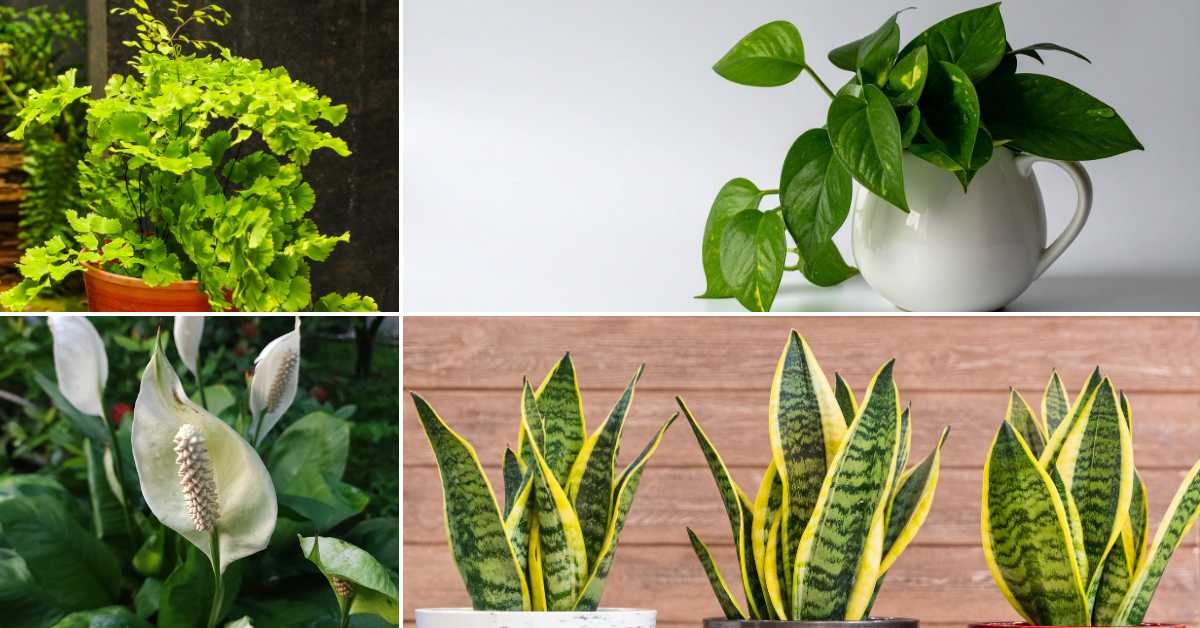
1. Ferns (Boston Fern, Maidenhair, Asparagus Fern)
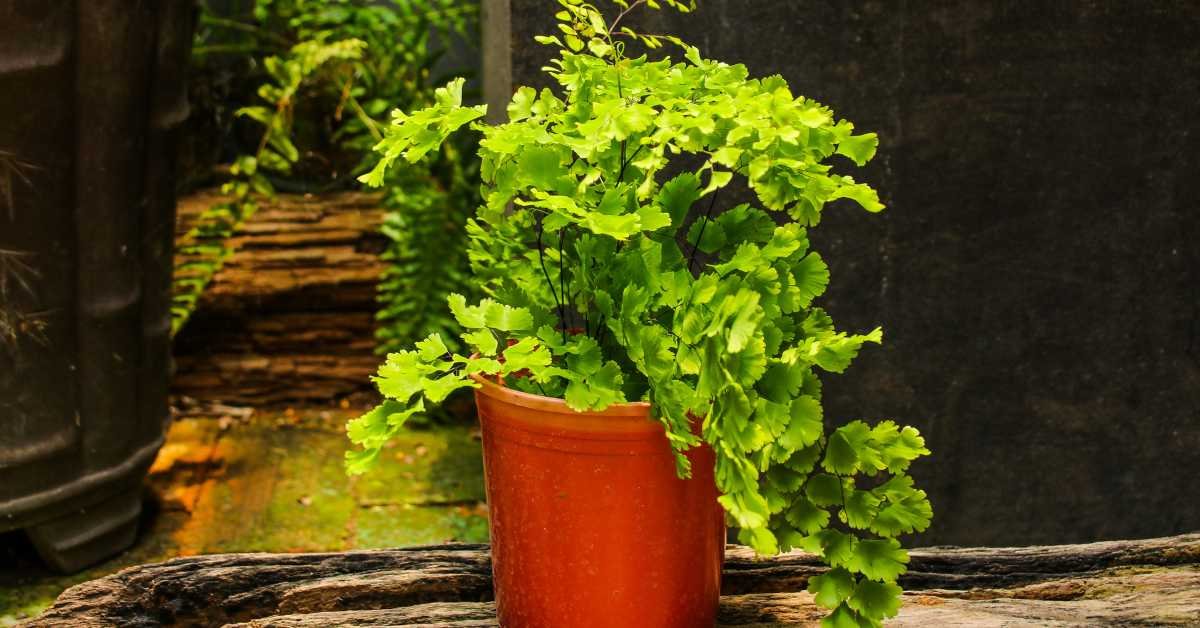
Ferns are one of the most reliable plants for low-light balconies. North-facing spots usually have gentle, cool light — exactly what ferns love.
Why They’re Perfect
- They prefer humidity and indirect light.
- They don’t like harsh sun.
- They fill empty corners beautifully.
Best Varieties for Pots
- Boston Fern
- Maidenhair Fern
- Bird’s Nest Fern
- Asparagus Fern
Use a pot that’s 10–12 inches deep with well-draining soil. Ferns like moisture but hate soggy soil, so also read my Balcony Garden Drainage Solutions guide — it will help you avoid root rot.
Tip: Mist occasionally or place a small tray of water nearby to increase humidity.
2. Peace Lily
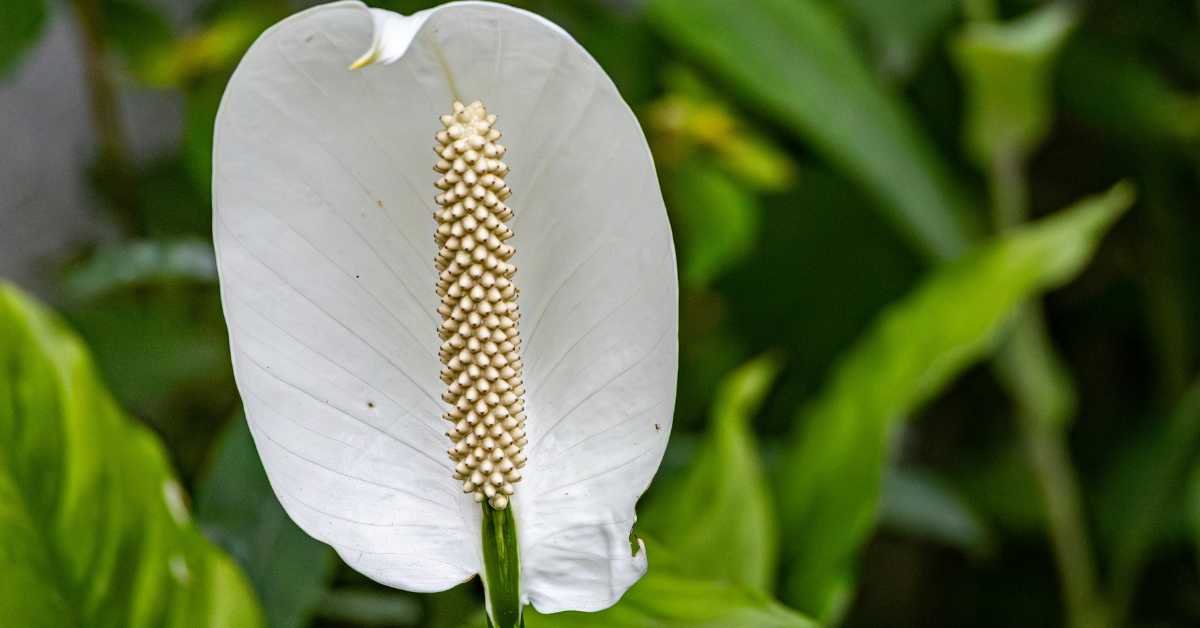
Peace Lily is one of the top shade-loving indoor-outdoor plants, and it does surprisingly well on north-facing balconies.
Why It Works Here
- Grows perfectly in filtered light.
- It doesn’t panic when sunlight is low.
- Gives beautiful white blooms even in shade.
Container Requirements
Use an 8–12-inch pot and keep the soil slightly moist, but never wet. Peace Lily tells you when it needs water — leaves droop slightly but bounce back fast.
3. Snake Plant (Sansevieria)
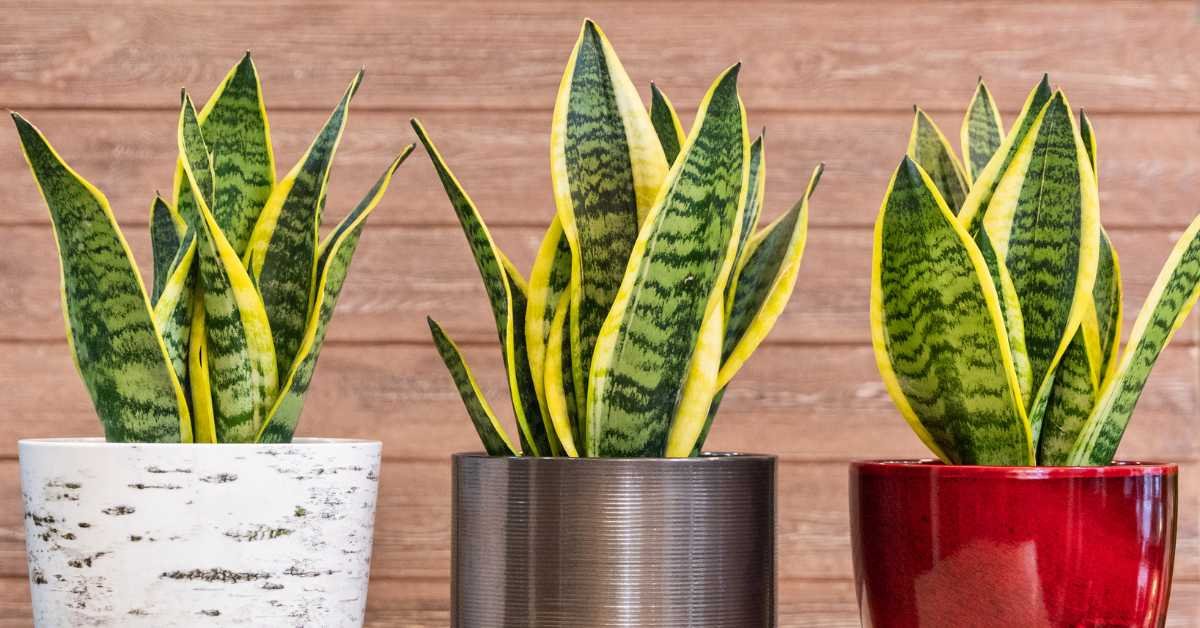
Snake plant is literally the hardest plant to kill, so if you want a plant that just sits there and stays perfect — this is it.
Why It’s Good for North-Facing Balconies
- Tolerates low light easily.
- Doesn’t need frequent watering.
- Handles small temperature drops.
You can place it in corners where no plant grows. Snake plants also look great in small balcony layouts, so if you need arrangement ideas, check my Small Balcony Garden Layout Ideas post.
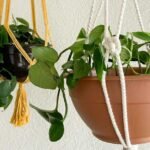
4. Money Plant (Pothos / Golden Pothos)
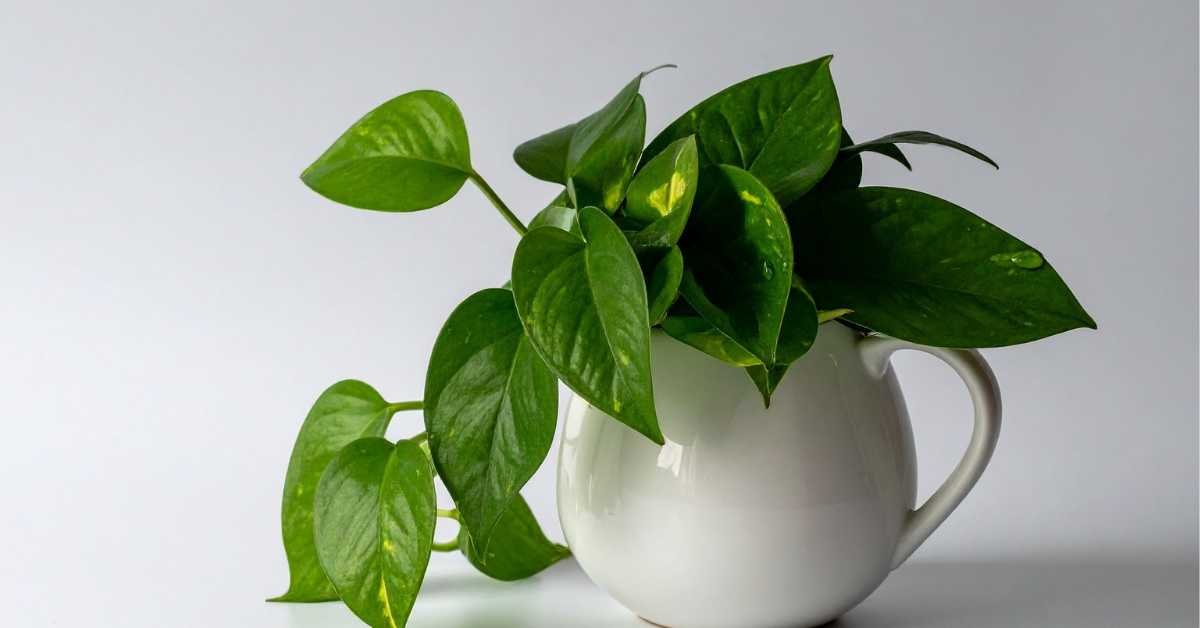
Pothos is one of the most famous shade-friendly trailing plants. On a north-facing balcony, it becomes fuller, greener, and doesn’t burn at all.
What Makes It Perfect
- Thrives in low light.
- You can grow it in hanging planters or railing baskets.
- Stays evergreen throughout the year.
Grow it in cocopeat-rich soil and water only when the top layer dries. It loves humidity, so balconies near kitchens or laundry areas work even better.
5. Caladium (Angel Wings)
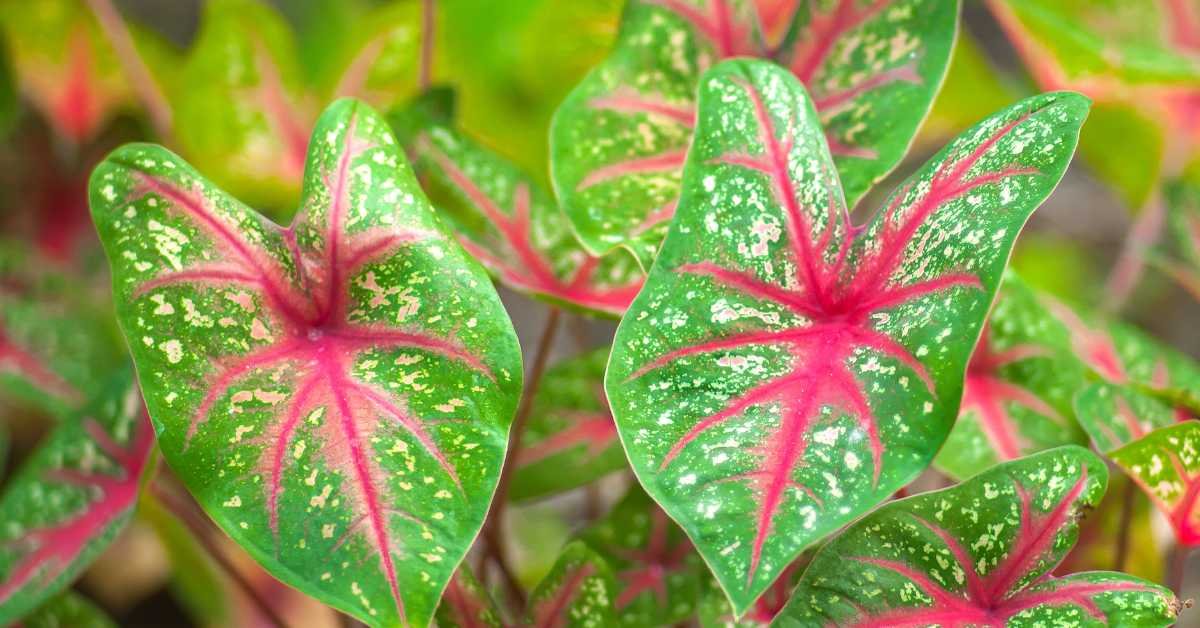
If you want color even in low-light conditions, Caladium is the best plant to pick. Their pink, red, and white leaves brighten up the shadiest balconies.
Why They Thrive in North-Facing Balconies
- Prefer soft morning or indirect light.
- Too much sun actually damages their leaves — so north-facing is ideal.
Choose medium-depth pots and keep the soil lightly moist. Avoid the afternoon sun at all costs.
6. Coleus
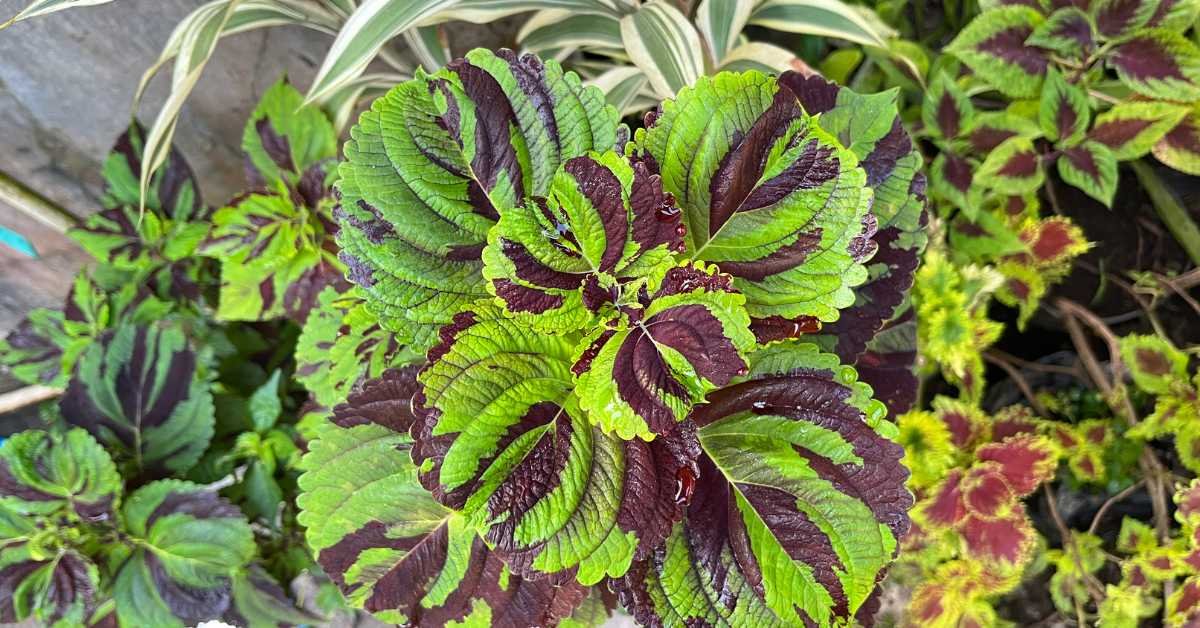
Coleus has beautiful, patterned leaves and grows quickly in partial shade. If your north-facing balcony gets at least 2–3 hours of bright, shaded light, coleus will thrive.
Why Grow Coleus
- Tons of leaf colors and patterns.
- Very fast-growing.
- Easy to propagate.
Pinch off the top occasionally to make it bushy instead of leggy.
7. Begonia (Tuberous & Wax Begonia)
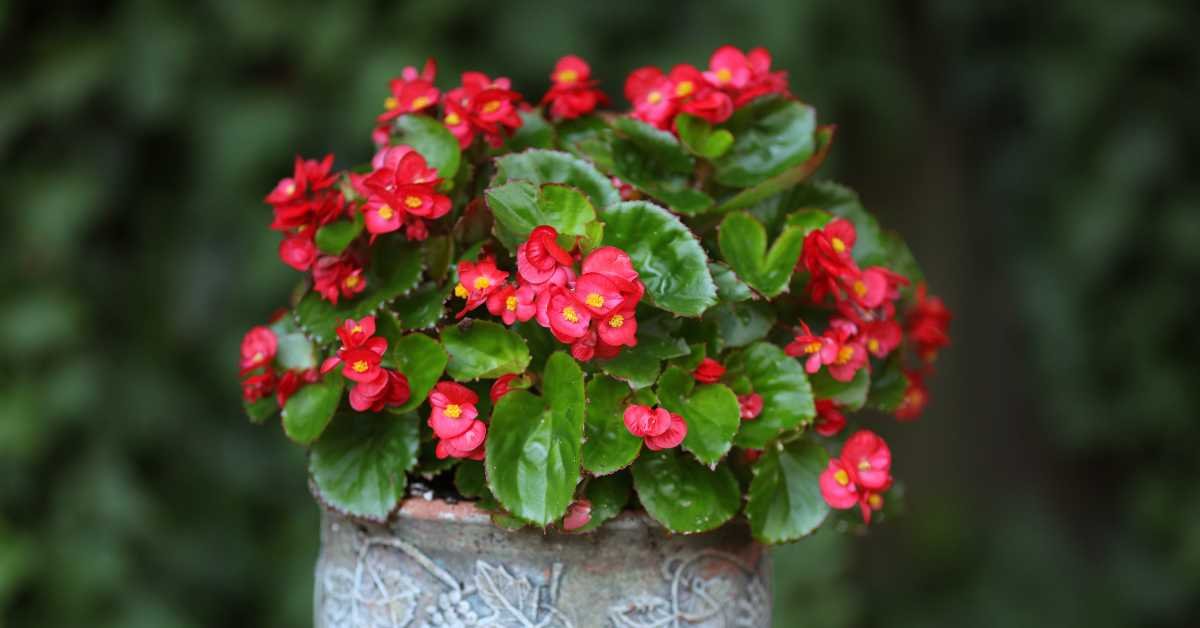
Begonias are one of the few flowering plants that actually bloom well in north-facing spaces.
Why They’re Great
- Bloom in low light.
- Compact growth.
- Very container-friendly.
If you’re into ornamentals, you will love begonias in shaded balconies. Keep soil slightly moist and never let them sit in soggy pots.
8. Impatiens (Shade-Loving Flowers)
If you want nonstop flowers even without sun, Impatiens are the best option.
Why They Work
- Designed for shade.
- Bloom like crazy.
- Grow well in railing or hanging baskets.
Pick compact varieties so they don’t become leggy.
9. Hostas
Hostas love cold, shady, north-facing conditions. They are extremely low-maintenance and look amazing with their large, variegated leaves.
Best Place to Keep Hostas
Grow them in wide containers so they can spread out. They don’t need deep pots but do like moisture. A 12-inch pot works well.
10. English Ivy
English ivy is one of the easiest climbers for low-light balconies. You can grow it in hanging baskets, railing planters, or let it trail down from shelves.
Why Grow Ivy on a North-Facing Balcony
- It loves shade.
- Doesn’t burn in indirect light.
- Fills vertical spaces effortlessly.
Don’t overwater — ivy prefers slightly dry soil between waterings.
11. ZZ Plant
The ZZ plant is perfect if you want a zero-maintenance balcony plant. It survives in low light and grows slowly but steadily.
Why It’s Perfect
- Thrives in shade.
- Needs very little water.
- Doesn’t attract pests easily.
Choose a medium-sized pot and water only when the soil becomes dry.
12. Fittonia (Nerve Plant)
If your north-facing balcony stays cool and humid, Fittonia will grow beautifully.
Why It Works Here
- Loves humidity and indirect light.
- Great for shaded corners.
- Looks stunning with its red and white veins.
Don’t place it near direct wind — it prefers gentle conditions.
13. Spider Plant
Spider Plant grows well in low to medium light and is perfect if your balcony doesn’t get harsh sunlight.
Why It’s Great
- Very forgiving plant.
- Perfect for hanging baskets.
- Produces baby “pups” you can replant.
Spider plants also do well even in narrow balconies, so they pairs nicely with planters from my Small Balcony Railing Planter Ideas guide.
14. Herbs That Grow in Shade (Mint, Parsley, Chives)
Most herbs need sun, but there are a few that grow very well on a north-facing balcony.
Best Shade-Friendly Herbs
- Mint (excellent in low light, spreads well)
- Parsley (loves soft, cool shade)
- Chives (slow but steady in indirect light)
If you want more details, check my Best Herbs for Balcony Garden article — I’ve already shared exactly how much light each herb needs.
Tip: Grow mint in a separate pot because it spreads aggressively.
15. Leafy Greens That Tolerate Shade (Spinach, Lettuce, Fenugreek)
Yes — you can grow a small harvest garden even in a north-facing balcony.
Best Low-Light Edible Plants
- Spinach – grows even in winter shade.
- Loose Leaf Lettuce – doesn’t need much sunlight.
- Fenugreek (Methi) – very fast-growing, shade-tolerant.
You can also plan to grow them in recycled bottles or small containers.
Soil Tip: Use a light, airy mix rich in cocopeat so roots can breathe even in low-light conditions.
16. Aglaonema (Chinese Evergreen)
Aglaonema is one of the top low-light plants in the world. And surprisingly, it performs even better on north-facing balconies than indoors.
Why Pick Aglaonema
- Tolerates deep shade.
- Has beautiful variegated leaves.
- Very beginner-friendly.
Keep the soil slightly moist and protect it from harsh, cold winds.
How to Make a North-Facing Balcony Garden Successful
Even with shade-friendly plants, you want to follow these simple rules:
1. Don’t Overwater
Shade means slow evaporation, so always touch the soil before watering. Your soil should be light and well-draining; otherwise, roots rot easily.
(You can check Best Soil for Balcony Plants for a perfect mix.)
2. Give Plants Enough Space
Just because the balcony is small doesn’t mean plants should be cramped.
Use vertical space — you can take ideas from my Small Balcony Garden Layout Ideas guide to organize your plants properly.
3. Add Reflective Surfaces
White walls, glossy tiles, or light-colored planters reflect light and make shaded plants grow better.
4. Clean the Leaves Often
Dust blocks what little light they receive. Wipe leaves once every 1–2 weeks.
5. Fertilize Lightly
Shade plants grow slowly, so feed them:
- Once every 4–6 weeks (liquid seaweed or all-purpose fertilizer).
Avoid heavy feeding. Low-light plants don’t use nutrients as fast as sun-loving plants.
Where to Place Plants on a North-Facing Balcony
Near the Railing
Plants like spinach, lettuce, ivy, and coleus love the slightly brighter spots here.
Back Corners
Perfect for ferns, Fittonia, ZZ plant, and Aglaonema.
Hanging Planters
Best for pothos, spider plants, impatiens, and mint.
If drainage is an issue, my Balcony Garden Drainage Solutions post will help you fix it quickly.
Important Notes for North-Facing Balconies
- Most of these plants love morning light (if available).
- Avoid keeping water-logged pots; shade + wet soil = fungal issues.
- Use a good quality potting mix — not garden soil.
- Some edible plants grow more slowly in shade — that’s normal.
- Rotate pots occasionally to keep growth even.
Conclusion
So, a north-facing balcony isn’t a problem at all — you just have to pick the plants that actually want shade, not the ones that force you to fight with the direction every day.
When you grow the right plants, they won’t stretch like crazy, they won’t burn, and you won’t babysit them every morning.
Most of the plants I listed will grow easily in indirect light, and honestly, a few of them (like ferns, pothos, aglaonema, mint, spinach) will grow even better here than in full sun balconies.
FAQs
Will plants grow fast on a north-facing balcony?
Some will, some won’t. Shade plants like pothos, ferns, mint, lettuce, and spinach will grow normally, but sun-loving plants will just sit there doing nothing.
Growth will always be slower than on a south-facing balcony, but steady, which is fine because at least the leaves won’t burn.
Do I need grow lights for a north-facing balcony?
Not unless your balcony is extremely dark or fully enclosed. Most of the plants I mentioned will grow with indirect daylight only.
But if your railing area is too shaded, you can keep a few plants close to the edge or use brighter-colored pots/walls to reflect more light.
Which edible plants actually work on a North facing balcony (without struggling)?
The reliable ones: spinach, lettuce, fenugreek (methi), mint, parsley, chives. These are shade-tolerant and won’t give you trouble.
And if you want more herb tips, check my Best Herbs for Balcony Garden guide — I’ve already explained their exact light needs there.
Why do plants rot faster on a shaded balcony?
Because shade + wet soil = slow evaporation. That’s why you never water “on schedule”. You touch the soil first, and if it’s dry, then you water.
Also, you need a well-draining mix, which I already explained in my Best Soil for Balcony Plants post.

I’m Abraham creator of Balcony Gardening Ideas. I share balcony gardening tips, DIY projects, and hands-on plant care guides based on my own balcony garden experience. I grow vegetables, herbs, and flowers using organic methods and simple setups anyone can follow.