Want to make a low maintenance balcony vegetable garden ideas that look beautiful and still give you a steady harvest?
Well! You can design your balcony garden to be both productive and stylish, with minimum daily work — once set up properly.
In short: You have to grow easy vegetables that handle heat, partial shade, or neglect well.
And design them smartly — using vertical layers, colorful planters, and mixed edible displays.
Below, I’ll share 13+ balcony garden designs and specific low-maintenance vegetables that not only grow well but also make your balcony look like a cozy green corner.
Why Go for Low Maintenance Balcony Vegetable Gardens?
Not everyone has time for pruning or daily watering. So, the trick is to design your balcony once and let it thrive on its own. These gardens are great for:
- Busy people who love greenery but can’t tend daily.
- Apartment dwellers with limited space.
- Beginners who want easy-growing vegetables.
- Anyone wanting both beauty and harvest — without constant care.
By choosing self-watering containers, the right plant combinations, and smart layouts, your balcony garden almost maintains itself.
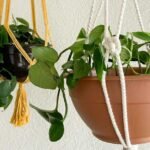
1. Hanging Basket Salad Bar Design
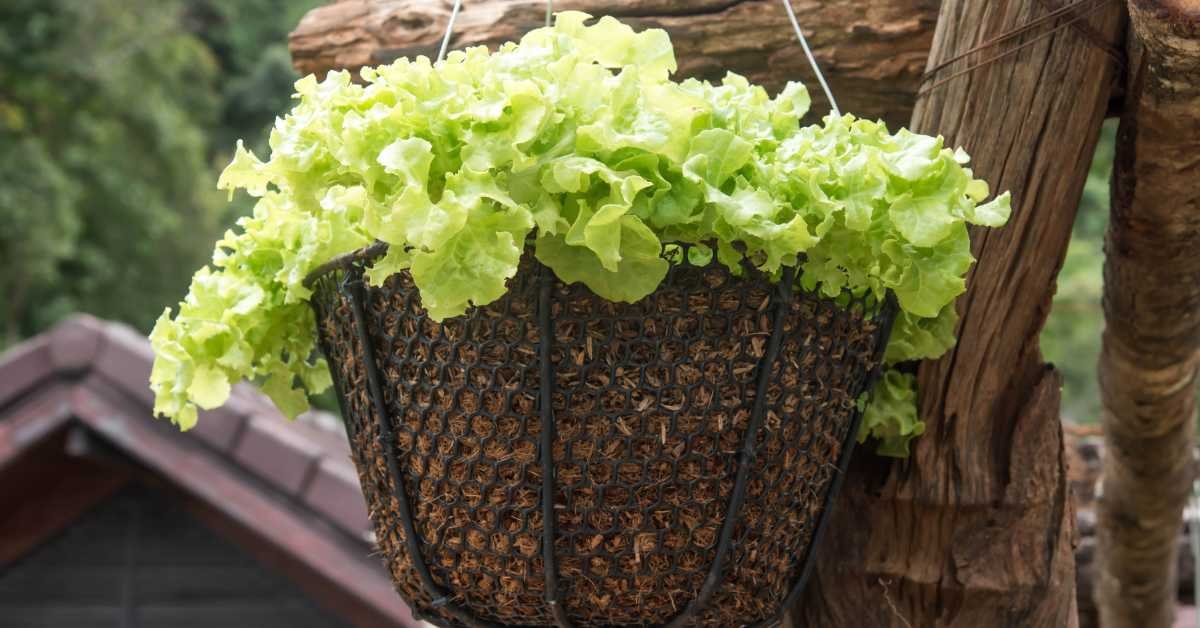
Want your balcony to look vibrant and still eat fresh salads? Hang baskets filled with leafy greens.
Use coco liners or fabric grow bags — they hold moisture better and dry slowly. Choose easy greens like:
- Spinach
- Lettuce (butterhead or loose-leaf)
- Arugula
- Swiss Chard
Hang 3–4 baskets at staggered heights. They’ll trail beautifully and give you that layered green curtain effect.
Tip: Mix greens with a few nasturtiums or mini tomatoes for edible color. Nasturtiums bloom bright orange-red and are edible, too.
This setup looks decorative, fills vertical space, and only needs watering every 2–3 days.
2. Vertical Vegetable Tower with Plastic Bottles or PVC Pipes
If you want a simple, low-maintenance but creative design. You need to try a vertical vegetable tower.
For that, you can use old plastic bottles or PVC pipes and create a tall structure. With small pockets for plants. (If you want a step-by-step version, check out this DIY vertical garden with plastic bottles: However, Grow:
- Lettuce varieties
- Cilantro
- Spinach
- Green onions
It saves floor space and turns your balcony wall into a living green wall.
Bonus design tip: Paint the bottles in pastel shades like mint or sage — gives a refreshing look.
Use a drip irrigation line on top or one self-watering system at the base — water flows down through each level.
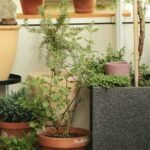
3. Colorful Container Corners with Compact Veggies
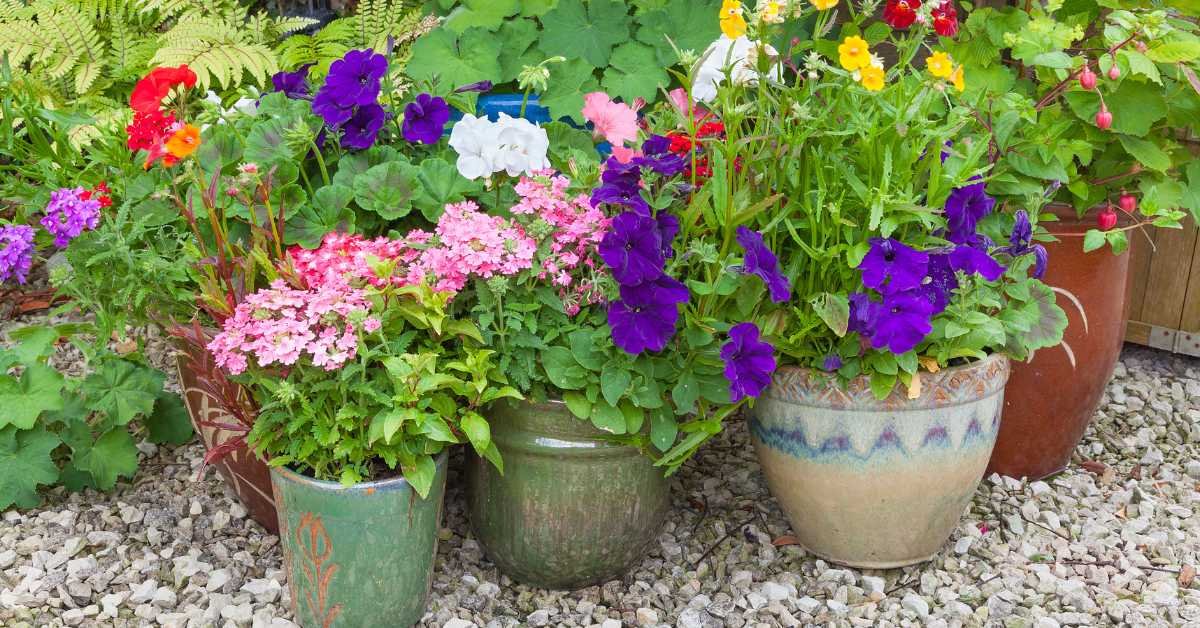
You can arrange different-sized containers in one corner. Keep the tallest at the back, smaller ones in front.
Plus, mix leafy vegetables with compact fruiting ones.
Example combo I recommend to you:
- Dwarf tomatoes (cherry and patio types are the best)
- Mini bell peppers
- Spinach
- Basil or parsley
You have to choose ceramic or terracotta planters. I really like their earthy tones. Besides this, you can also choose a bright-colored plastic container.
Group them in threes or fives, if you want visual balance.
You’ll get color from peppers, greenery from herbs, and cute clusters of red tomatoes — all in one corner.
Low maintenance hack: Use mulch or pebbles on top of soil — reduces evaporation, keeps balcony tidy.
4. Self-Watering Container Garden Setup
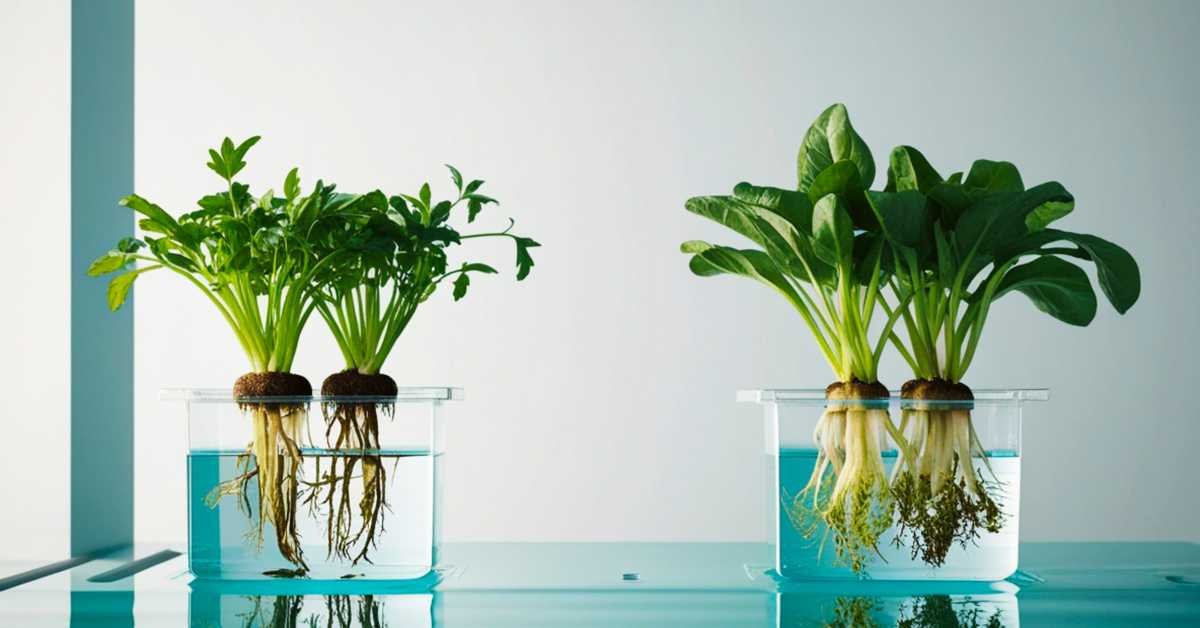
If watering is your biggest issue, make your garden self-watering.
Use self-watering planters or DIY versions (plastic bottle reservoir method). You can also follow this guide for easy DIY self-watering balcony planters.
Vegetables that love this:
- Tomatoes
- Cucumbers (bush types)
- Leafy greens
- Okra (compact variety)
Arrange them along the balcony railing or wall.
Self-watering containers reduce the frequency from daily to weekly watering.
Design-wise, align them in a neat linear row — keeps the balcony looking organized and clean.
5. Herb & Veggie Rail Planter Combo
Balcony rail planters aren’t just for flowers. Use them for compact vegetables and herbs — it’s space-saving and decorative.
If you want creative options, see these small balcony railing planter ideas.
Best low-maintenance choices:
- Mint
- Thyme
- Cilantro
- Small lettuce varieties
Herbs spill slightly over the railing, creating a lush edge.
You have to combine one or two mini cherry tomato plants between herbs. They will look beautiful.
Design note: Use matching metal railing planters for a uniform, clean look.
6. Step Shelf Vegetable Display
Add a tiered shelf rack or stair-step stand. Place bigger pots on the bottom, and small herbs or greens on the top.
Visually, it adds height and depth. Functionally, it keeps plants within easy reach.
Recommended plants:
- Bottom: Tomatoes, peppers, okra
- Middle: Spinach, chard, beet greens
- Top: Herbs — basil, mint, oregano
Tip: Choose lightweight planters if your balcony’s weight limit is low.
This “vertical shelf garden” looks neat and modern, and fits even in a 3×5 ft balcony.
7. Climbing Veggies with Trellis Design
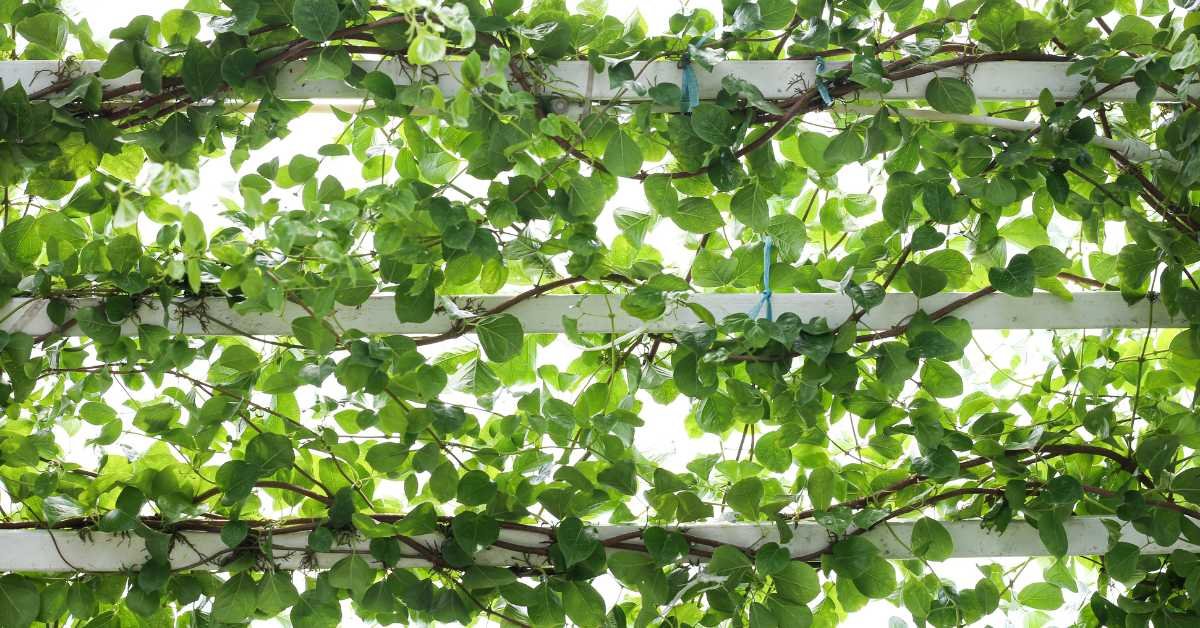
Train climbing vegetables on bamboo trellis or metal frames — adds structure and privacy too.
This will also help create shade for heat-sensitive plants (more ideas here: Creative Ways to provide shade for container plants)
Best low-care climbers:
- Pole beans
- Cucumbers (compact or bush types)
- Peas (dwarf or climbing)
Grow them in large rectangular planters along the balcony railing.
Once vines start climbing, they create a green living screen — a beautiful natural partition.
Add small string lights around the trellis in the evenings — your balcony will glow.
8. Raised Bed Vegetable Box (Mini Balcony Farm)
If you’ve a wider balcony (like 4–6 feet depth), go for one wooden raised bed instead of many pots.
It’s easier to maintain one large container with built-in drainage and a good soil mix. (Here’s a full guide on choosing the best soil for balcony plants:
Grow low-maintenance vegetables like:
- Lettuce
- Radish
- Kale
- Beetroot
- Spinach
They regrow quickly and need less fuss.
Add a front edge of trailing herbs like thyme or oregano to soften box edges — gives a cottage-garden vibe.
Design tip: Paint the wood planter soft gray or white for contrast against green foliage.
9. Rustic Crate Garden
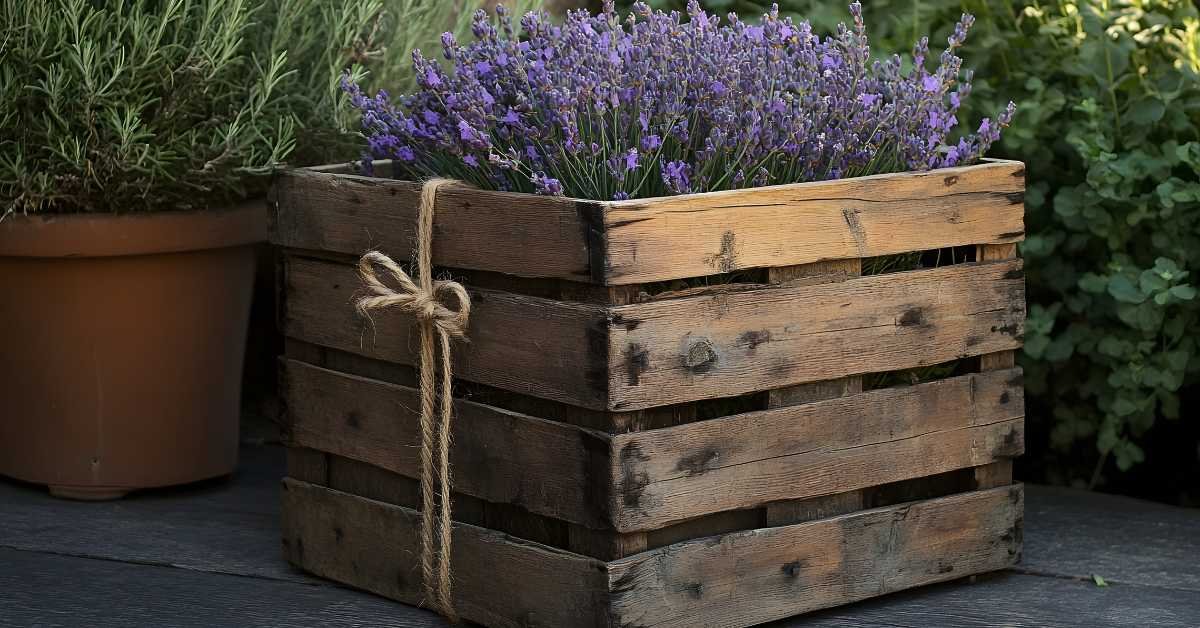
Use old wooden crates or wine boxes — rustic, cheap, and naturally breathable.
They suit small vegetables and herbs.
Grow:
- Garlic
- Spring onions
- Cilantro
- Lettuce
Group 4–6 crates together at slight angles for a casual, “farm-style” balcony.
Place one crate vertically as decoration (add a small chalkboard label).
Low maintenance trick — line crates with plastic or coco liner to retain moisture longer.
10. Color-Themed Balcony Veggie Layout
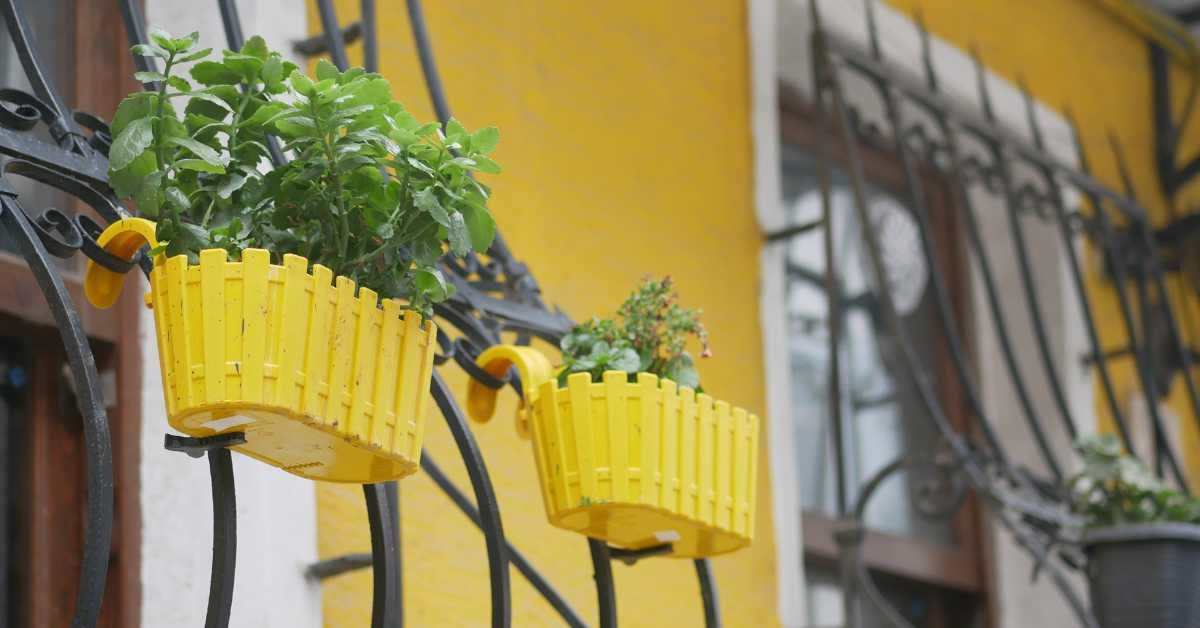
For beauty-focused gardeners — plan color themes. I recommend you choose vegetables by leaf or fruit color:
- Green: Spinach, kale, and beans.
- Red/Orange: Tomatoes, chili, and bell peppers.
- Purple: Eggplants and purple basil.
- Silver/Gray: Sage, dusty herbs.
Arrange by color blocks — it’s visually pleasing and still edible.
You can also go with “warm vs cool” zones — warm-colored veggies on one side, cool greens on the other.
Add matching colored pots for unity — like terracotta for warm tones, gray for cool tones.
11. Modern Minimalist Vegetable Balcony
If you prefer clean looks, go minimal.
Use matching white or black planters, all of similar height, and grow a few hardy plants only.
Minimalist veggies:
- Chili
- Spinach
- Herbs (thyme, basil, parsley)
- Cherry tomatoes
Stick to 4–6 planters maximum.
Arrange symmetrically or in two straight rows.
Add one tall plant, like a dwarf tomato, in the middle for focal balance.
Low maintenance advantage: fewer planters = less watering, less mess.
12. Compact Edible + Ornamental Mix
If you want a beautiful balcony garden that also gives something to eat, try mixing edible vegetables with ornamental plants. It looks great and takes very little care.
You can use small tubs or round baskets. Just mix both together like:
- Mini chili or dwarf tomato in the middle.
- Coleus, ornamental kale, or purple basil for color.
- Mint or oregano around edges.
This mix gives that full look, and you’ll still have herbs and vegetables growing.
Once it sets, you only water 2–3 times a week. The colors make the balcony bright and full, even when the vegetables are not fruiting.
Tip: Use the same type of pots or baskets that match each other. It keeps it looking clean, not messy.
13. Hanging Planter Ladder Design
You can hang your vegetable pots on a small ladder if you don’t have much floor space. It looks creative and takes very little care once done.
Take a wooden or metal ladder, lean it on the wall, and hang pots on each step.
It works best with lightweight plastic pots or recycled cans.
Good plants for this design:
- Lettuce or spinach on top of the steps.
- Herbs like basil, thyme, and parsley are in the middle.
- Cherry tomato or mini chili at the bottom (because it’s heavier).
You’ll get a nice cascading look when everything grows.
Paint your ladder in a pastel or rustic color to match your balcony.
This design also lets you move it anytime if the sunlight changes.
14. Balcony Vegetable Box with Companion Planting
If you want everything together and still low maintenance, try one big planter box divided into parts.
You can grow companion vegetables together — they support each other naturally, so you’ll have fewer pest problems and less fertilizer.
Some easy combos you can try:
- Tomato + basil + marigold — keeps pests away, smells good too.
- Spinach + beans — beans give nitrogen, spinach grows faster.
- Carrot + onion — saves space, both roots and tops grow fine.
Looks like a small farm in one box. Once set, you just water and harvest.
Add small wood dividers or bamboo sticks to separate sections — makes it neat and nice looking.
15. Balcony Vegetable Wall Planter Grid
If you want your balcony to look more modern, go for a wall grid design.
Use a metal or wooden frame and hang small pots on it in lines.
It’s like a vegetable wall and looks awesome even from a distance.
Grow simple things that don’t need deep pots:
- Lettuce, basil, chili, mint, and small tomatoes.
- Add a drip pipe or bottle system on top, so watering flows down automatically.
You can paint all pots in the same color tone — it looks cleaner.
Add fairy lights or string bulbs at night — gives a soft glow and makes the balcony look stylish without extra work.
Best Vegetables for Low Maintenance Balcony Gardens
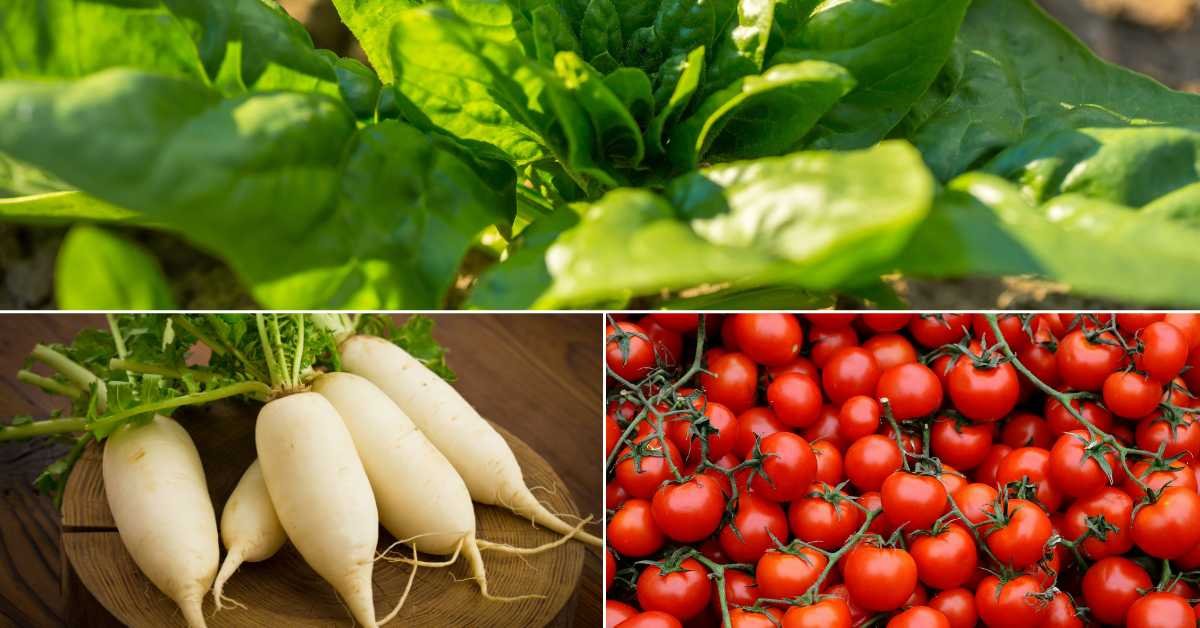
No matter how good your design is, your plants decide how easy it will be.
So pick vegetables that grow with less water, and can handle small containers or mixed light.
Here are the best low maintenance vegetables for balconies:
- Spinach
- Lettuce
- Radish
- Chili
- Okra
- Tomatoes (dwarf or cherry)
- Garlic
- Beetroot
- Green onions
- Kale
All of these don’t need much feeding or trimming.
Just give them a good soil mix and 3–5 hours of sun, and they’ll keep producing.
Avoid large or heavy feeders like broccoli, cauliflower, or pumpkin — they need space and daily care.
Smart Watering & Maintenance Tricks
To keep things easy:
- Use self-watering pots or bottles in soil as water storage.
- Cover the top of the soil with mulch, coco chips, or pebbles to hold moisture.
- Water once every 2–3 days (or when the soil’s top looks dry).
- Use slow-release fertilizer once every 3–4 weeks.
- Remove yellow leaves or dry parts — keeps plants healthy.
Tip: If your balcony gets wind or hot sun, shift plants close to the wall; they’ll stay moist longer.
Choose the Right Sunlight & Layout
Sunlight matters a lot.
Here’s a quick guide for US balconies:
- South-facing: You can grow almost everything — tomatoes, peppers, spinach.
- East-facing: Best for greens and herbs.
- West-facing: Gets hot, good for chili, okra, basil.
- North-facing: Less light — keep spinach, lettuce, mint here.
Keep taller pots at the back, shorter in front. It gives all plants sunlight and looks layered.
Balcony Decoration & Design Touches
A vegetable balcony can look nice too, not just useful.
Try small things to make it better:
- Use matching pots or color themes.
- Mix different leaf shapes — round basil, tall chili, frilly lettuce.
- Add small wood stands or crates for height difference.
- Put solar fairy lights or a tiny stool near plants.
- Use labels or chalkboards for plant names.
These little things make your garden look cozy and modern both.
Conclusion
That’s how you make a low maintenance balcony vegetable garden that looks good and grows well.
The key is simple — use easy vegetables, plan smart design, and keep things that don’t need much watering.
Once you set it up right, it will grow on its own mostly.
You’ll just trim, harvest, and enjoy your fresh food sitting on your own balcony.
No stress, no daily work, just a small green space that keeps giving all season.
FAQs
What are the easiest vegetables to grow on a balcony?
Spinach, lettuce, chili, tomato (dwarf), mint, and green onions are the easiest.
They grow fast, need less feeding, and stay fine even if you skip watering for a day or two.
How can I make my balcony vegetable garden truly low maintenance?
Keep it simple. Use self-watering pots, put a layer of coco chips or pebbles on top of the soil, and group plants with the same watering needs in one area.
Don’t grow too many different things at once — 5–6 right plants will do better than 15 random ones.
Once setup is done, you’ll just check 2–3 times a week.
Do vegetables grow well in shade or north-facing balconies?
Yes, but choose the right ones.
Spinach, lettuce, kale, and mint will still grow well in 3–4 hours of light.
Avoid heavy fruiting ones like tomatoes or okra if you don’t get full sun.
How do I keep my balcony vegetable garden looking beautiful?
Match your pots or planters, use vertical or ladder designs, and mix colorful vegetables like chili or purple basil with greens.
Add small lights or labels — makes it look designed and neat without adding any extra work.

I’m Abraham creator of Balcony Gardening Ideas. I share balcony gardening tips, DIY projects, and hands-on plant care guides based on my own balcony garden experience. I grow vegetables, herbs, and flowers using organic methods and simple setups anyone can follow.