Most balcony plants don’t need water every day. They only need it when the top layer of soil becomes dry, and this dryness can happen in 1 day, 2 days, or even 5 days, depending on sunlight, pot size, season, wind, and your soil mix.
So the right way to water balcony plants isn’t following a strict schedule — you have to understand when the plant actually needs it and how to give water properly so the roots stay healthy.
How Often Should You Water Balcony Plants?
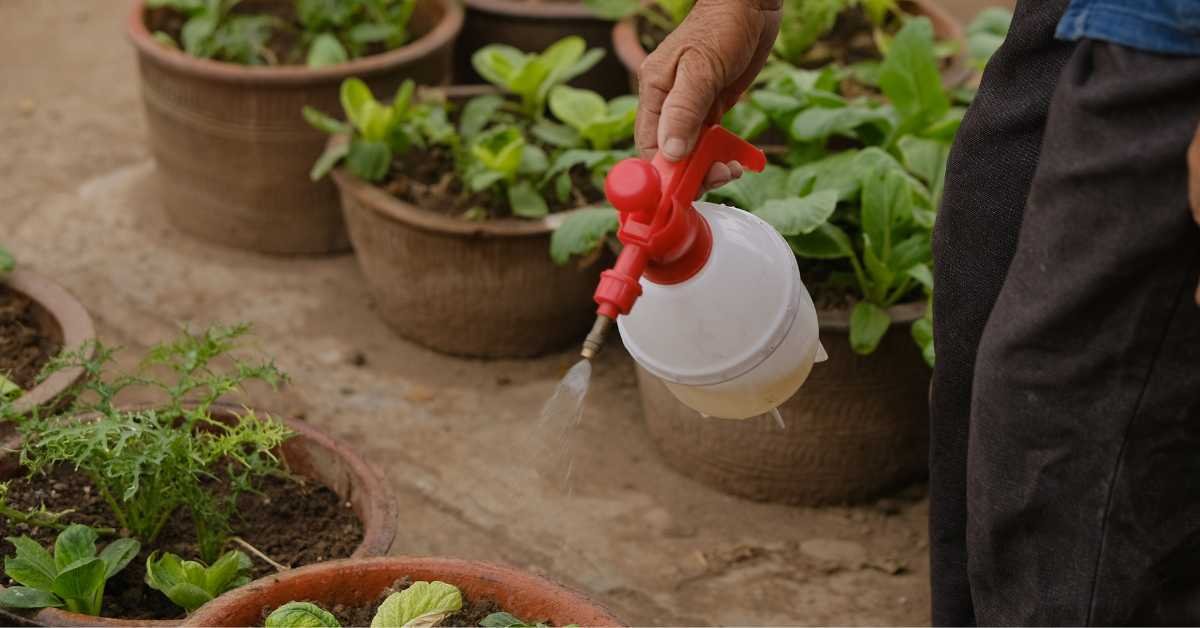
There is no single number that works for everyone, but here’s a simple range that fits most containers:
- Sunny/hot balconies: every 1–2 days
- Partial shade balconies: every 2–3 days
- Cool/north-facing balconies: every 3–5 days
- Succulents: every 7–14 days
- Seedlings: lightly every day (but only mist or sprinkle)
This is only a guideline.
The real answer depends on how quickly your soil dries. Your balcony might be windy, shaded, too small, or packed with containers — and each of these will change how often you should water.
So instead of guessing, follow the test below.
The Moisture Test (The Only Accurate Method)
The simplest way to know whether you should water your balcony plants:
Touch the soil
Push your finger 1–2 inches into the pot.
- Dry: water now.
- Slightly moist: don’t water yet.
- Wet: skip watering completely.
This test will immediately tell you your plant’s needs, even if the environment keeps changing (sun, rain, heatwaves, cloudy days, etc.).
If you don’t like touching soil, you can lift the pot slightly — dry pots feel very light, while moist pots feel heavier.
How Much Water Should You Give
Watering frequency matters, but the amount of water you give is even more important. A lot of people water often, but only pour a small amount. That creates shallow roots and weak plants.
The correct way:
Water slowly until you see water draining out from the bottom.
This ensures the water reaches the deeper root zone.
If your pot has no drainage hole, then it will definitely cause root rot. You’ll have to re-pot it in something with proper drainage, or nest the pot inside a bigger pot with drainage.
If drainage is a common issue on your balcony, then have a look at balcony garden drainage solutions later.
Sunlight Changes Watering Frequency
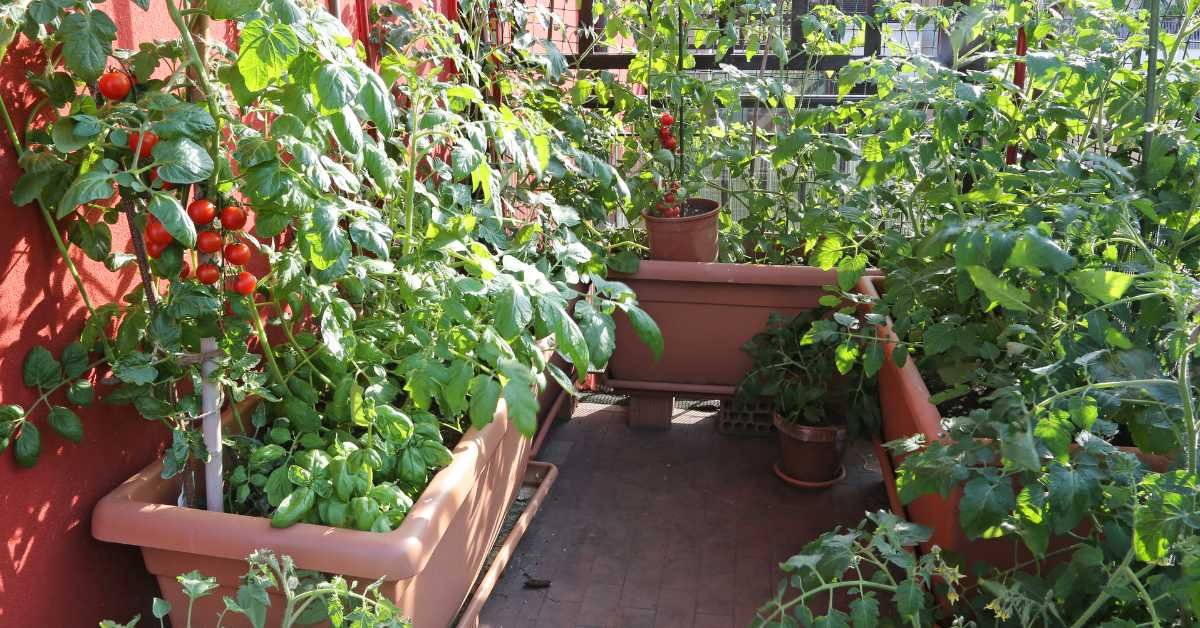
Your watering frequency instantly changes with the direction of your balcony:
1. South or West Facing (Most Sun)
- Water dries quickly.
- Fruiting plants drink aggressively after flowering.
- Watering is often needed every day in summer.
2. East Facing (Moderate Sun)
- Water every 2–3 days generally.
- Herbs grow well here because the moisture stays slightly longer.
3. North Facing (Low Light)
- Soil stays moist much longer.
- Water every 3–5 days, sometimes even longer in winter.
- Low-light spots are great for leafy greens; for ideas, you can check best vegetables for a balcony garden since many of them do fine here.
Seasons Affect Watering Too
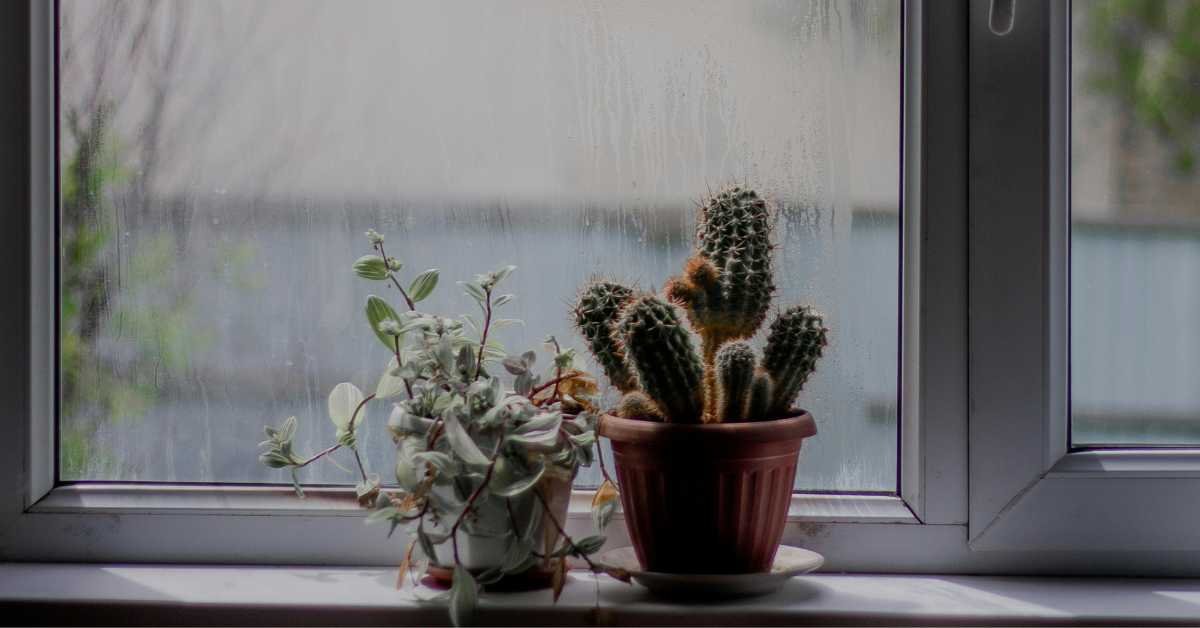
Your plants’ water needs change strongly with the seasons.
Summer
- Soil dries fast.
- Water more frequently.
- Fruiting plants need extra water.
- Daily watering might be needed on hot days.
For complete care tips, you can check Summer balcony plant care tips because watering is just one part of handling summer heat.
Spring
- Water every 2–3 days.
- New growth begins; moisture stays moderate.
Fall
- Cooler temps reduce evaporation.
- Water every 3–4 days.
See the full guide for fall here: Fall balcony gardening guide
Winter
- Plants drink very slowly.
- Water every 7–10 days, sometimes even less.
If you live in a cold region with frost concerns, you can also read balcony gardening tips for winter season later.
Pot Size Affects Watering Frequency
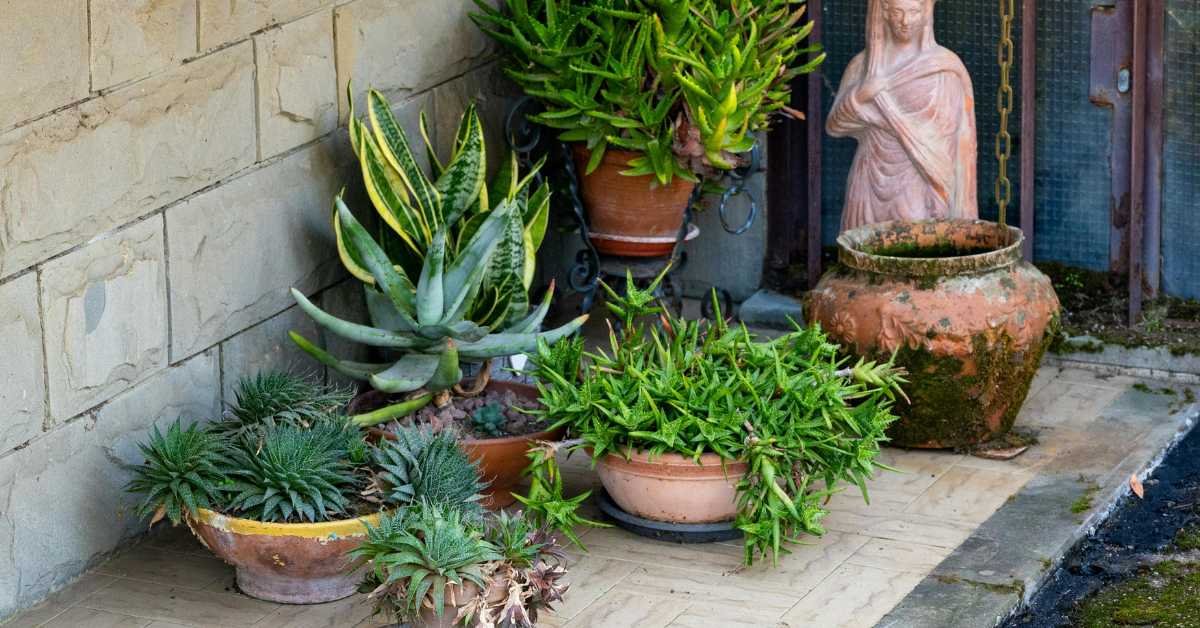
Pot size is one of the biggest factors people ignore. Smaller pots dry much faster, while bigger pots stay moist for longer.
Small Pots (4–6 inches)
- Need water daily in summer.
- Dry faster due to less soil volume.
Medium Pots (8–12 inches)
- Water every 2–3 days normally.
Large Pots, Buckets, or Grow Bags
- Water every 3–5 days.
- They retain moisture well and keep roots cooler.
Hanging Baskets
Wind exposure dries them quickly.
Expect watering every 1–2 days, especially in sunny spots.
Your Soil Mix Decides Everything

A lot of watering problems happen because the soil itself is wrong.
When Soil Is Too Heavy
- Holds water too long
- Causes rot
- Yellow leaves
- Fungus gnats
When Soil Is Too Sandy
- Dries extremely fast
- You’ll water every day
- Growth becomes stunted
A balanced mix holds moisture but doesn’t trap it. If you want a proper blend, take guidance from the best soil for balcony plants because soil and watering always go hand-in-hand.
Clear Signs of Overwatering
Overwatering is the most common balcony gardening mistake. I have seen that most plants die when we provide too much water rather than too little.
Here is what you will notice if you’re providing too much water:
- Yellow leaves
- Soil will stay wet for days
- Fungus will start growing on top
- Bad smell from the soil
- Mushy stems
- Leaves will start dropping even though the soil is wet
If you see these signs, you have to reduce watering immediately and check your pot’s drainage.
Clear Signs of Underwatering
Underwatering also has some signs, but they’re much easier to fix compared to overwatering.
- Soil will start pulling away from the pot edge
- You will notice crispy or brown leaf edges
- Slow or stunted growth
- Leaves are drooping, but will start recovering after watering
- Soil will look dusty or cracked
If your potting mix dries extremely quickly, add cocopeat or compost to help it retain moisture.
Correct Watering Method (This One Always Works)
- Water in the morning: Reduces fungal issues and helps plants handle daytime heat.
- Water around the base: Don’t pour on leaves unless you want fungal spots.
- Pour slowly: So the soil absorbs water properly instead of letting it run off.
- Let water drain out from the bottom: Roots need oxygen; standing water will suffocate them.
- Empty the bottom tray: Never allow your pot to sit in collected water.
This simple method prevents almost all watering-related problems.
Practical Watering Tips for Busy Gardeners
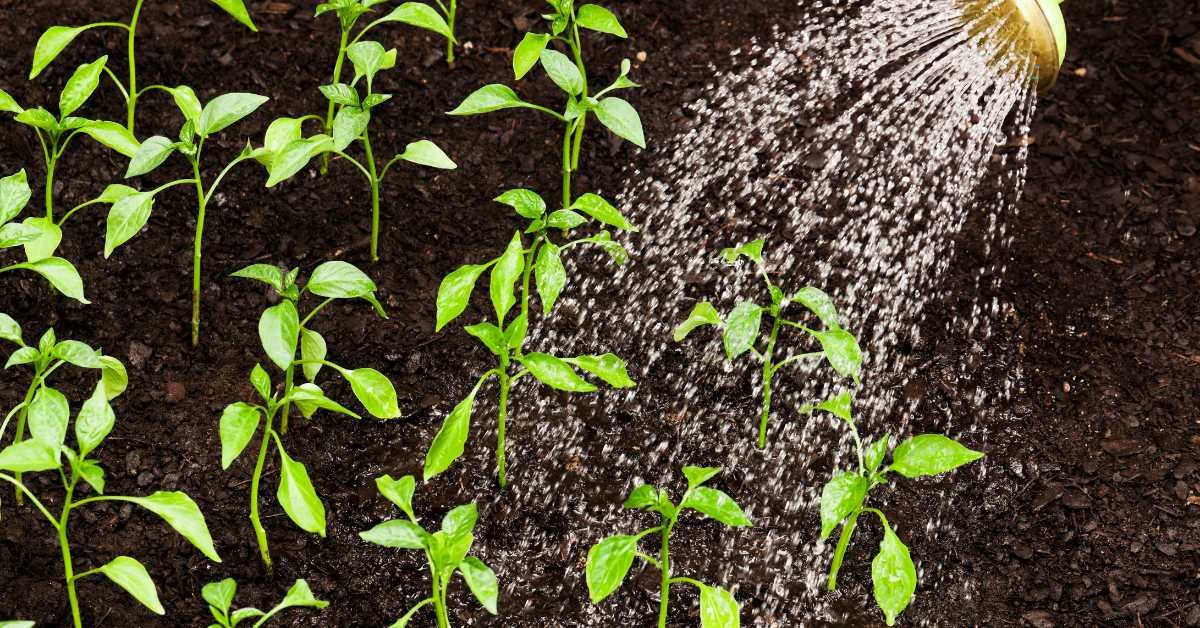
If you don’t always remember to water, try these ideas:
Mulch Your Pots
Add a layer of dried leaves, coco chips, or wood chips.
It reduces watering by 30–40%.
Use Larger Pots
More soil = less evaporation.
Group Plants with Similar Needs
Tomato and chilies together, mint separately, succulents alone.
Use a Moisture Meter
Useful if you have many pots.
Frequent Watering Mistakes to Avoid
Here are the mistakes that affect most balcony gardeners:
- Watering daily without checking the soil
- Watering at night
- Using pots with no drainage
- Pouring too much water quickly
- Overwatering herbs like basil or thyme
- Underwatering leafy greens that dry fast
- Keeping plants too close together (traps moisture)
- Using poor-quality soil that compacts
If you’re just starting a balcony setup or fixing hydration issues, balcony garden drainage solutions and balcony garden setup ideas can also help.
Watering Needs for Popular Balcony Plants
Tomatoes & Chilies
- Need consistent deep watering
- Every 1–2 days in warm weather
- Increase watering during flowering and fruiting
Mint
- Likes moisture
- Water when the top layer feels dry
- Great in partial shade
Basil
- Needs soil to dry slightly between watering
- Don’t keep constantly wet
Coriander
- Keep moist but never soggy
- Water every 2–3 days
Spinach, Lettuce, Fenugreek
- Dry fast
- Water every 1–2 days
Succulents
- Water only when completely dry
- Usually once every 7–14 days
If you want ideas for what else you can grow easily, here is the best list for beginners: Best vegetables for balcony garden
When You Should Increase Watering
- During heatwaves
- When plants are fruiting
- When plants are in small pots
- When humidity is low
- When your balcony gets strong afternoon sun
- During fast plant growth (spring and summer)
When You Should Reduce Watering
- Cloudy days
- Winter
- When the balcony receives very little sunlight
- When the soil stays moist longer than usual
- After pruning
- When the plant is sick or dormant
If You Travel or Forget to Water Often
You can easily prevent plants from drying out if you’re away for a few days:
- Use self-watering pots
- Insert a bottle drip system
- Add moisture-retaining crystals
- Group plants together
- Keep them away from harsh afternoon sun
If your balcony is very hot, these will help maintain moisture even when you’re not home.
Conclusion
Watering balcony plants isn’t about following a fixed routine — it’s about watching the soil, the weather, the plant’s growth stage, and how fast your containers dry.
Once you understand these patterns, you won’t overwater, underwater, or second-guess anything.
Just check the soil, water deeply when needed, make sure drainage is right, and adjust based on sun and season.
When this rhythm becomes normal, your balcony garden will stay green, productive, and much easier to manage throughout the year.
FAQs
How do I know the exact time to water balcony plants?
You don’t need a fixed clock for this. Just touch the soil. When the top layer feels completely dry, then you provide water. If it still feels slightly moist, skip it.
That’s the most accurate way, and it works in every season, every balcony, and every pot size.
Why do some of my plants stay wet for too long even when I don’t water them much?
That happens because the soil is heavy or your pot’s drainage hole is not working properly. When water doesn’t leave the pot, the roots stay wet for days.
So you should check the bottom hole, loosen the soil a little, and make sure the mix isn’t dense. Healthy soil drains fast but still holds a bit of moisture.
Is it okay if I water at night when I forget in the morning?
You can do it once in a while, but don’t make it a habit. Night watering keeps leaves and soil wet for too long, which attracts fungus and pests.
Morning is always better because the plant gets time to use the water during the day.
Why do my leaves turn yellow even though I water regularly?
Yellow leaves usually mean you’re actually watering too often. Balcony plants don’t like sitting in wet soil.
When roots don’t get enough air, they start rotting, and the leaves turn yellow from the bottom up.
So let the soil dry properly between watering, and make sure the drainage hole is open.

I’m Abraham creator of Balcony Gardening Ideas. I share balcony gardening tips, DIY projects, and hands-on plant care guides based on my own balcony garden experience. I grow vegetables, herbs, and flowers using organic methods and simple setups anyone can follow.