Sometimes beginner gardeners get their first balcony plants wrong because they buy what they like, not what is suitable for their balcony.
I never recommend choosing what looks good on social media, what someone else is growing, or what feels inspiring to you.
Instead, I ask people who are planning a balcony garden to check whether their balcony, light, time, or routine can actually support that plant.
Because of this mismatch, it will kill most beginner balcony gardens.
What People Think They’re Doing vs What’s Actually Happening
When I see beginners buy random balcony plants, it looks funny at first, maybe that’s because I already have a gardening background, and they don’t.
They do what makes sense from their point of view.
They see:
- Lush basil spilling over railings
- Tomatoes are loaded with fruit
- Jungle-style balconies on Instagram
- YouTube videos saying “anyone can grow food at home” (sometimes I also say)
What they don’t see:
- How long do I stay at home during the day?
- What direction does it face
- How much daily attention do those plants need
- How spaced out everything actually is
- How many failed attempts happened before that video
So they buy plants the same way people buy furniture online, based on looks, not fit.
And that’s the biggest mistake, according to me.
How Sunlight Affects
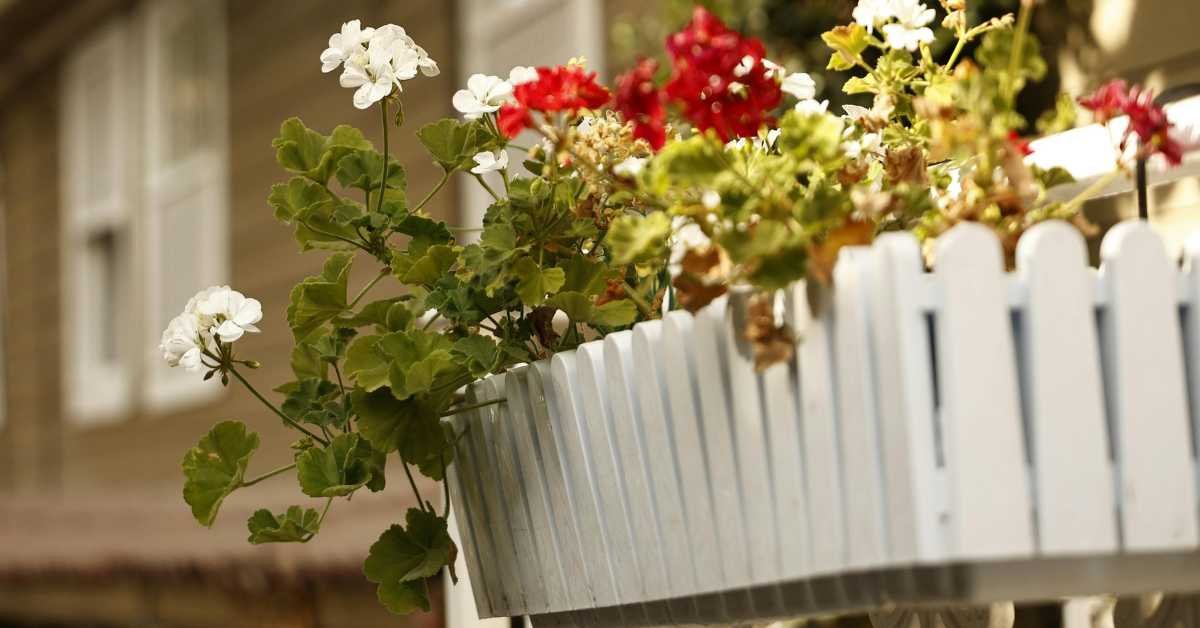
This is the biggest misunderstanding, by far, that many people don’t measure sunlight, but just guess.
Like, yeah, my balcony is getting sun, but I don’t track sunlight direction, how many hours of sunlight stay in the balcony, and especially at what time.
Because sunlight in the morning or late evening is not as strong as during the day.
Let’s say you find out your balcony gets 2 hours of direct sun; in such a case, you can’t grow tomatoes because they’ll need more sunlight.
But yes, you can grow Leafy Greens like lettuce, spinach, and kale.
So check the sunlight and your plants’ requirements.
Why Copying Works for Some People but Not For All
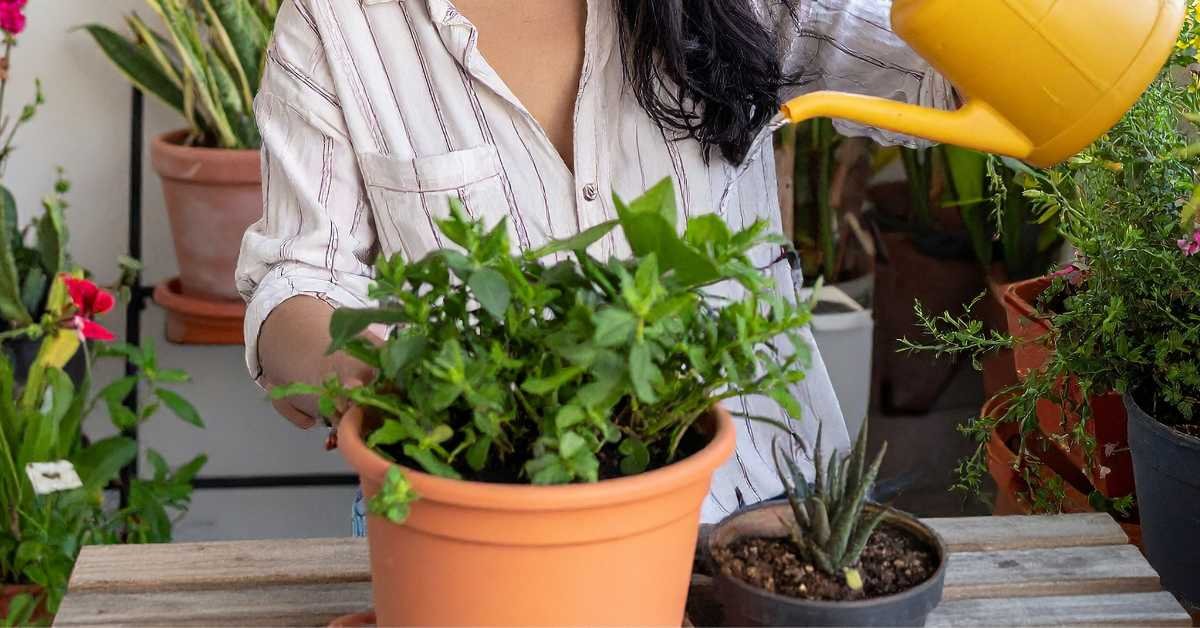
My balcony gets long, consistent sunlight, and I’m lucky for that, as everybody in an urban area can’t find a home like that.
So that’s why certain vegetables and many other plants work for me.
But now, if you start copying me while you have limited light, these are the things you will face:
- Your plant will stretch
- Growth will slow
- Leaves will turn pale
- You may never see flowering
- Pests will show up because the plant is already weak
So gardening is easy if you choose the correct plants for your balcony.
Time Matters as Much as Light (Sometimes More)
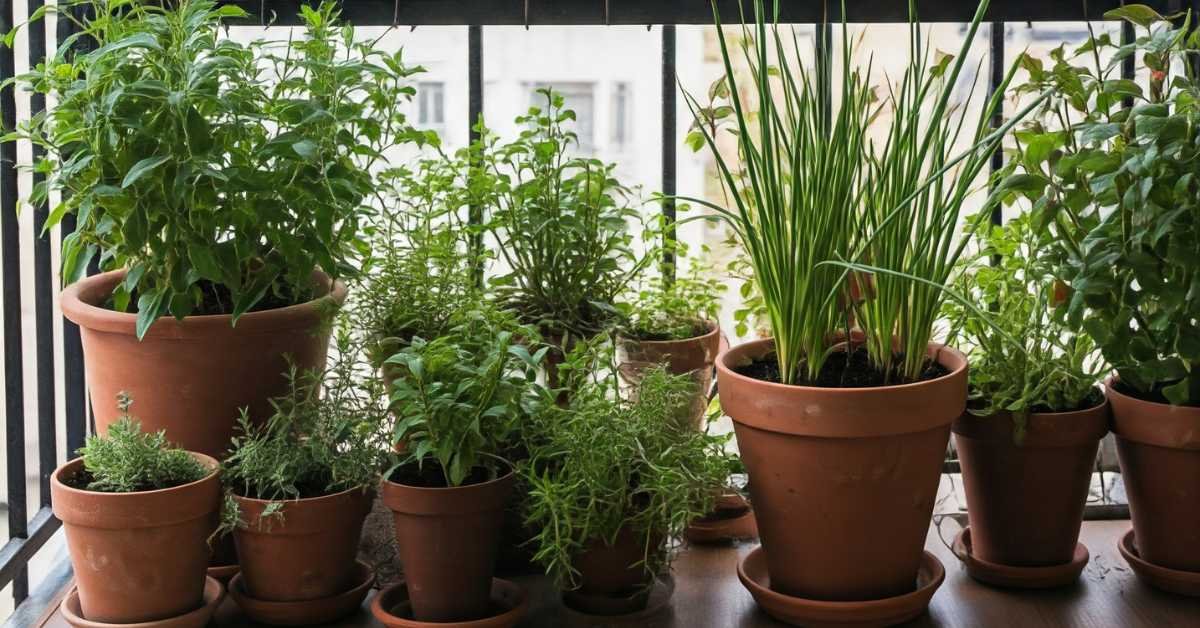
Even if you watch YouTube videos or read other blogs, timing is hardly discussed.
People choose plants assuming:
- Watering is occasional
- Pruning is optional; if I have time, I’ll do it; otherwise, it’s okay
- Feeding can be skipped
- Plants will “adjust.”
So, if you’re busy with work, travel, or you can’t follow a consistent routine, and you choose a high-maintenance plant, it won’t survive, no matter how good your intentions are.
So before choosing plants, also ask yourself:
- Do I have time to provide it with water daily in summer?
- Can I check my plants every 1 to 2 days?
- Will I notice early signs of stress?
- Can I prune on time, not weeks later?
If your answer is “maybe” or “probably not,” then that plant is already a bad match.
Momentum matters more than ambition
Beginners often start too intensely:
- Too many plants
- Different types
- Or have many expectations
But after having too many plants, they can’t be consistent, sometimes miss water, can’t take care, etc., so I say start slow with a few plants and once it becomes a habit, get more plants.
Spacing Mistakes Happen Even in Separate Pots
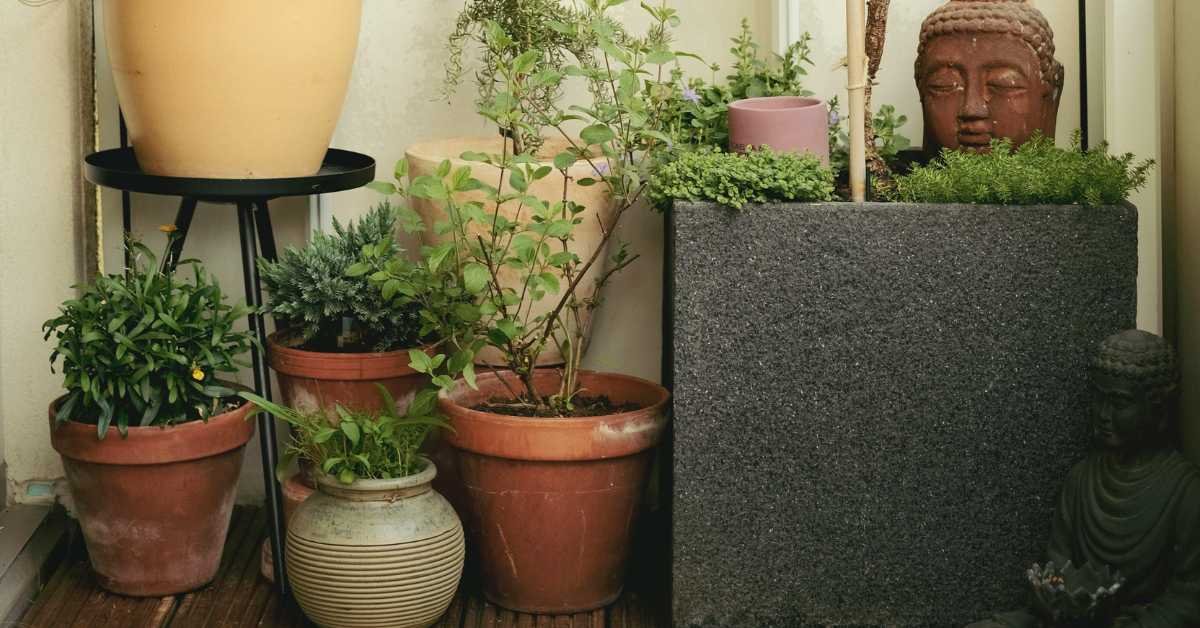
This one is subtle, and a lot of people don’t realize it. They think plants are in different pots, so it’s fine.
I’ve seen from my neighbor’s balcony:
- Her large plants were blocking the smaller plants
- Leaves overlap constantly
- Air would get trapped
- Moisture wouldn’t dry
So, you shouldn’t make this mistake, like even if you saw in any picture on social media, and you see that balcony is exactly like yours, so you can copy that exact layout, well yeah, but deeply look the plants pattern, (it’s tiny things, but can cause you a lot) as you’ll hardly focus on there).
Now ask yourself, did you even think about what I just said? Probably not.
Seasons Are not an Optional Context
You should never ignore the season completely. As some people just get plants based on:
- What’s available at the nursery
- Trending online (Like nowadays, Snake Plant, Chinese money plants, etc.)
- Or like what they like growing
Not based on:
- Temperature
- Humidity
- Seasonal growth cycles
If you can’t match the plant to the season and your balcony conditions, you’ll start at a disadvantage.
What I Actually Tell Beginners (and why)
When someone asks me what to grow, I ask:
- How much sun does your balcony get?
- Which direction does it face?
- How many hours are you available at home?
- How often can you check on plants?
- How much space do you have in the balcony (like there might be your sofa, chair, too)?
Only after that, I suggest plants.
And one more thing I always say, even if it sounds boring:
Grow what you like, not what I’m growing.
Right now, I’m growing vegetables, and you don’t enjoy cooking with them, so don’t go for that, you’ll lose all your interest.
Maybe you like:
- Strawberries
- Leafy herbs
- Flowers
- Low-maintenance greens
- Decorative foliage
That’s fine, so don’t copy me personally or someone else’s balcony.
Also read: How to Observe Sunlight pattern in your balcony
Conclusion
So if you’re a beginner balcony gardener, don’t choose plants emotionally. It’s easy to copy what looks good on Instagram reels, but a balcony isn’t Instagram. It’s a fixed environment with its own limits.
Therefore, you should treat your balcony like a set of conditions instead of an empty space. And choose plants based on sunlight, weather conditions, and most importantly, your free time that you’ll spend on maintenance.
When you choose plants that fit your balcony rather than forcing your balcony to fit the plants, you will actually enjoy gardening, as it’ll be too easy.
FAQs
How do I know how much sunlight my balcony really gets?
I don’t suggest you guess; you can simply pick one normal day (like Sunday, you’d be free on that day) and observe your balcony every hour from morning to evening.
You have to wait until direct sunlight hits your floor or plants.
Even if you’re getting 1 to 2 hours of direct sun, it’ll make a huge difference, but it will limit what you can grow.
Can I grow vegetables on a low-sun balcony?
Yes, you can grow some vegetables, but not all. Fruiting vegetables need long hours of direct sun.
If your balcony only gets a short window of light, leafy greens, herbs, or shade-tolerant plants will be my recommendation.
If you force sun-loving vegetables to grow in low light, they will become weak and slow.
Is it okay to place pots close together if they’re separate plants?
No, don’t do that, your plants won’t get light and airflow even when they’re in different pots.
Especially when your larger plants shade smaller ones, so giving them space is really important.
What if I’m busy and can’t check plants daily?
I recommend you buy low-maintenance balcony plants. High-maintenance plants will 100% fail because you’re busy and won’t have time to take care of them.
Should beginners start with many plants or just a few?
For any beginner, a few better. Because if you can successfully handle fewer plants, it’ll build your confidence.
Too many plants at once will make your problems hard. Therefore, you should first build your habits and get used to them.
What’s the best first step before buying any plant?
You have to understand your balcony first. For that, you should track sunlight, assess your time, notice airflow, and be honest about maintenance.
Your plant selection should come after that and not before.

I’m Abraham creator of Balcony Gardening Ideas. I share balcony gardening tips, DIY projects, and hands-on plant care guides based on my own balcony garden experience. I grow vegetables, herbs, and flowers using organic methods and simple setups anyone can follow.