To start a balcony garden from scratch, check your sunlight, choose the right plants, plan a space-efficient layout, use lightweight containers, fill them with the best soil for balcony plants, and set up watering + drainage the right way.
If you follow these steps in order, you’ll have a working balcony garden that actually grows and looks beautiful — without wasting money or space.
In this guide, I’ll will walk you through everything: how to know what plants are right for your specific balcony, how to organize a small or large space, what materials you need, mistakes to avoid, and how to keep it productive.
Basically, if you follow this DIY balcony garden project exactly, you’ll have a fully functional balcony garden.
Understand Your Balcony Before You Start Planting
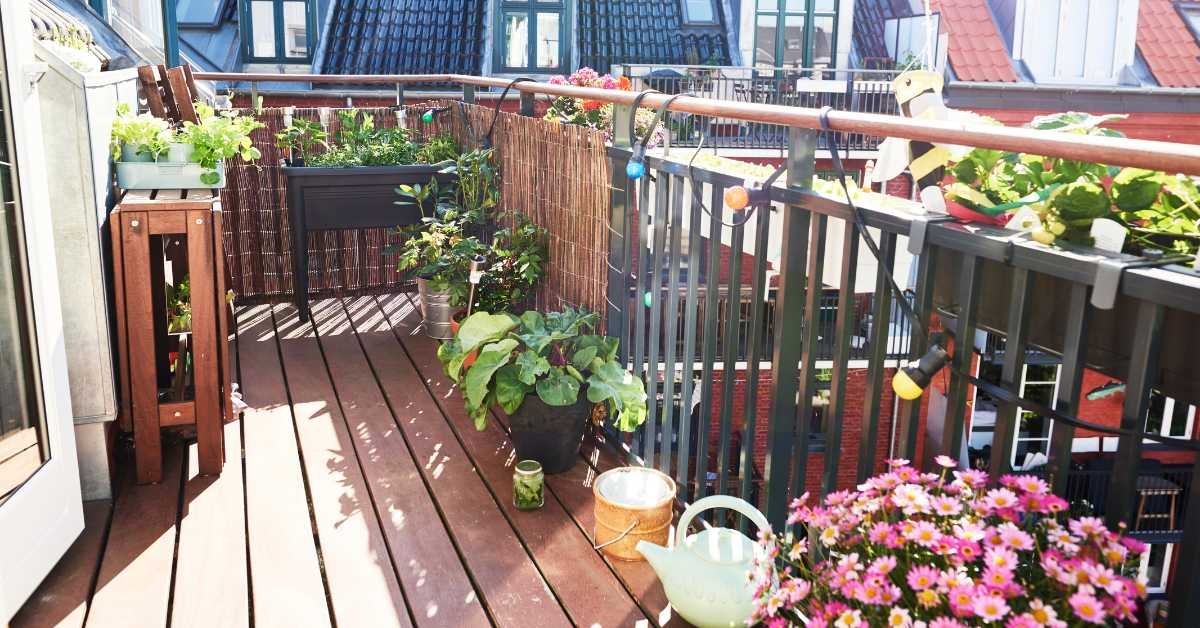
Before buying anything, you need to know your balcony conditions. This decides 80% of your success.
1. Check Sunlight (Most Important)
Every balcony garden is different.
You want to observe:
- How many hours of direct sunlight do you get
- Which direction does your balcony face
- Which corners stay shaded
- Which spots get harsh heat
Here’s a quick understanding:
4–6+ hours of direct sun:
Perfect for vegetables like tomatoes, peppers, chilies, most herbs, and fruiting plants.
2–4 hours of mild sun:
Leafy greens, lettuce, spinach, microgreens, radish, and shade-friendly herbs grow well.
Low-light balconies:
Don’t worry — you can still grow a lot. Many people don’t know how many plants actually grow in partial shade.
Decide the Purpose of Your Balcony Garden
You want to be clear about this early; otherwise, the whole setup becomes confusing.
Ask yourself:
- Do you want fresh vegetables and herbs?
- Or a decorative balcony with plants and a sitting space?
- Or both (which most people want)?
You can mix everything — vegetables, herbs, flowers, and small trees — even in a very tiny balcony if you follow the right layout.
If you want more ideas on arranging a comfortable sitting space, you can check the sitting area design in balconies for inspiration.
Later, I’ll show how to blend sitting + plants together.
Choose Plants That Actually Match Your Balcony
This is the most common mistake beginners make: They buy plants that simply don’t match their sunlight, and then wonder why nothing grows.
So here’s a proper breakdown based on sunlight.
Best Vegetables for Sunny Balconies (Direct Sun)
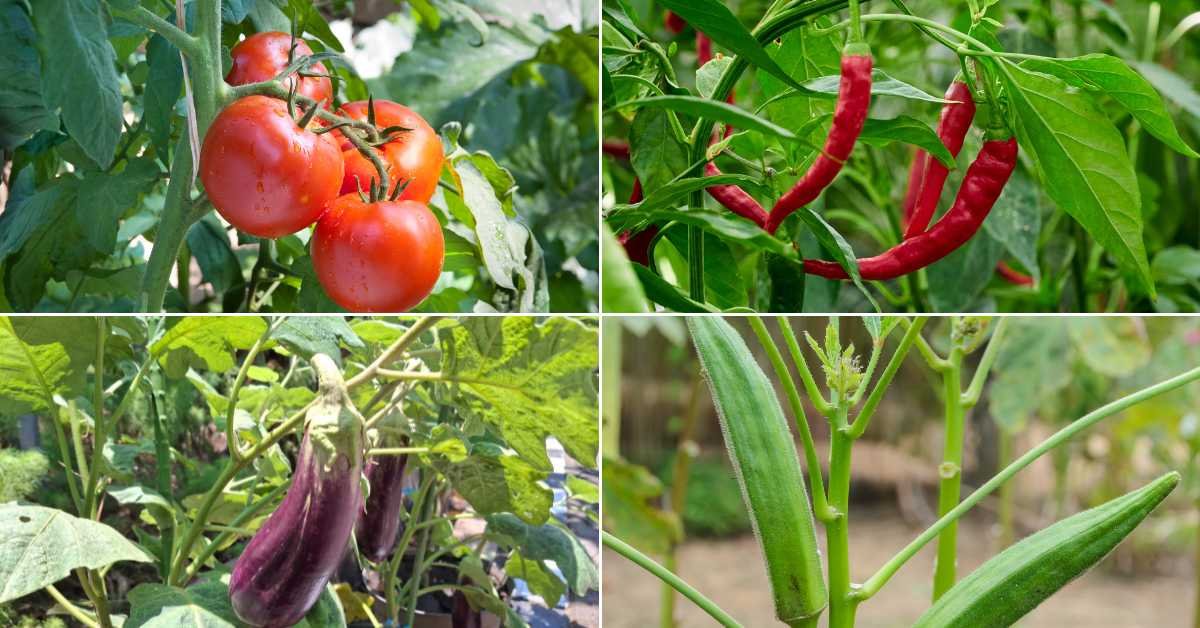
If you get 4–6 hours or more, you can grow:
- Tomatoes (cherry or dwarf varieties are best)
- Peppers
- Chilies
- Eggplant
- Cucumbers
- Beans
- Okra
For a full sunlight list, you can check the best vegetables for balcony garden — it’s helpful for selecting the right varieties.
Best Vegetables for Partial Shade Balconies
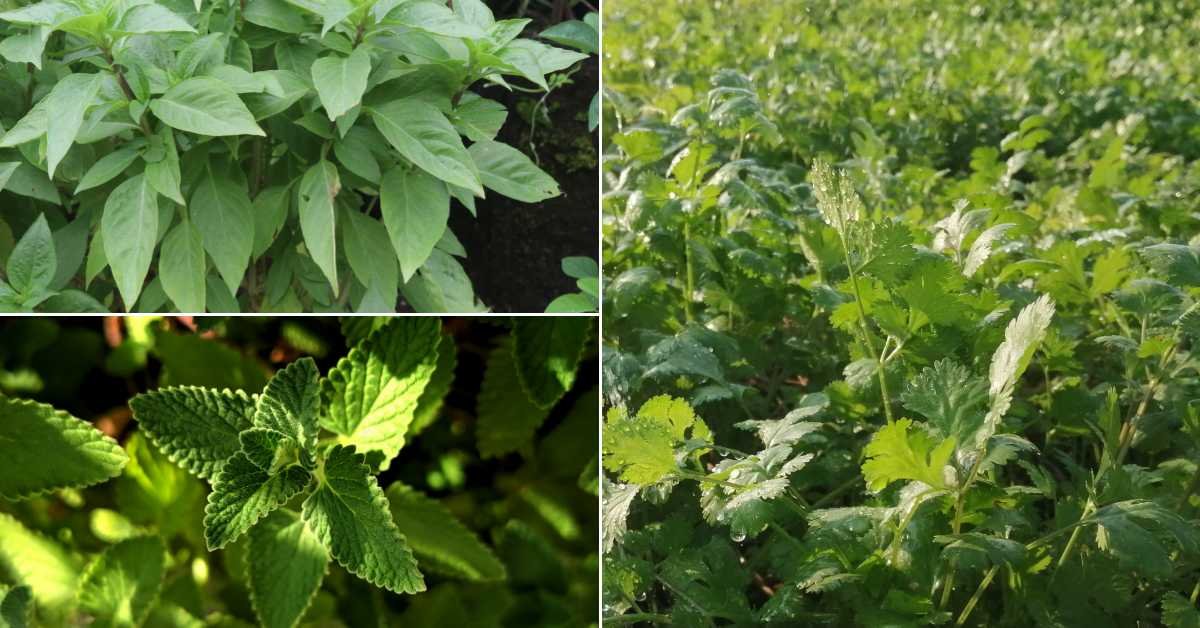
If you get only 2–4 hours:
- Spinach
- Lettuce
- Fenugreek (very easy — grows even without soil)
- Radish (choose compact varieties)
- Green onions
- Pea shoots
- Kale (baby leaf)
Most beginners think vegetables need full sun, but many leafy greens grow even in low light.
Best Herbs for Any Balcony (Even Low Light)
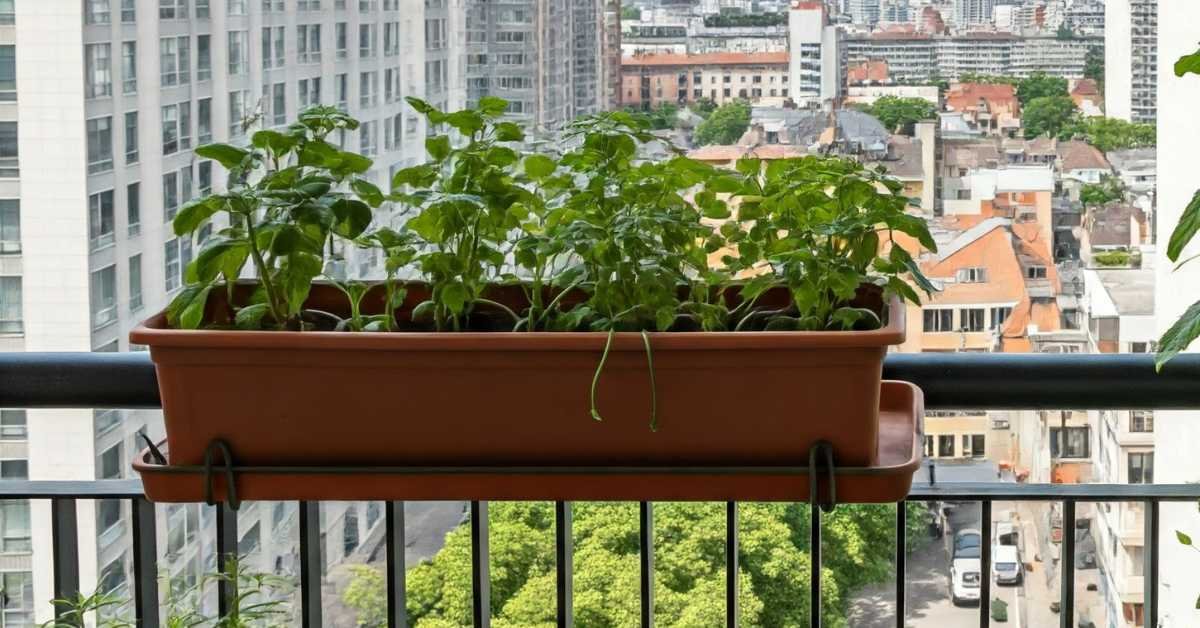
Herbs are great for beginners because they forgive mistakes.
Grow these:
- Mint (grows in partial shade)
- Coriander
- Basil
- Thyme
- Chives
For more details on growing herbs, you can check the best herbs for balcony garden.
Plants for Decoration
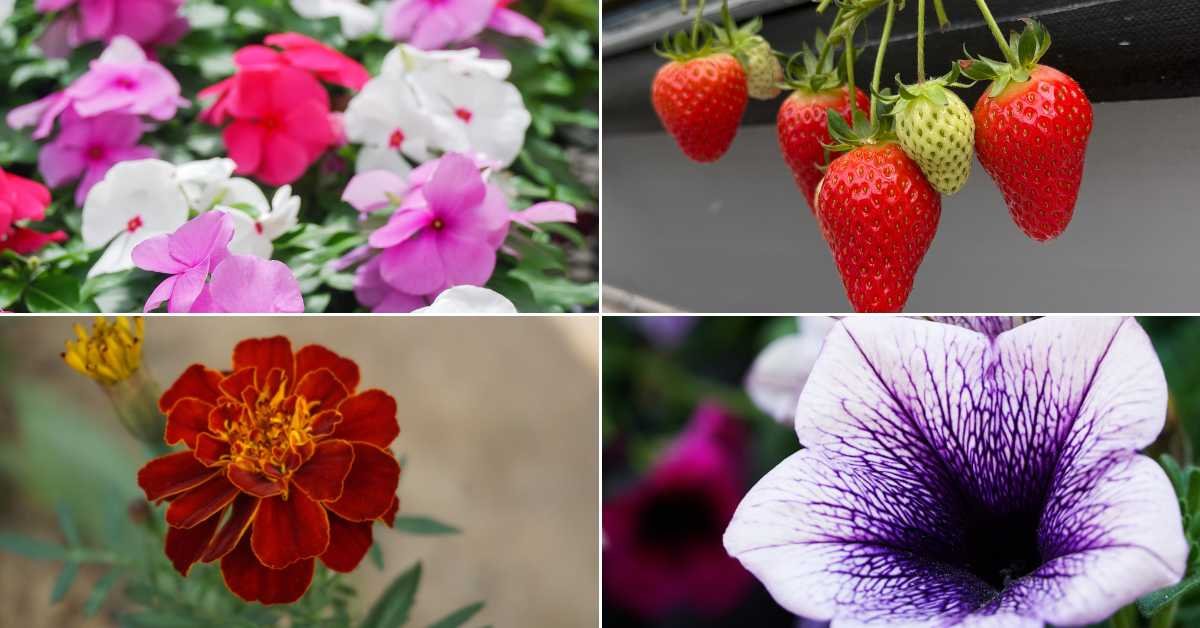
Because you also want your balcony to look nice:
- Flowering plants (marigold, petunia, vinca)
- Trailing vines
- Hanging baskets with strawberries or lettuce
And if you want a modern aesthetic or creative compact ideas, you can explore modern balcony decor ideas.
Plan Your Balcony Layout
This part is extremely important. If you plan the layout right, you can grow 2–3× more even on a small balcony.
I’ll break this into simple zones.
Zone 1: Wall & Vertical Area
Use this area for:
- Vertical planters
- Hanging baskets
- Plastic bottle gardens (perfect for herbs & greens)
- Wall-mounted racks
- Trellis for climbing plants (cucumber, beans)
Vertical gardening easily saves 50% space.
If you need inspiration, check small balcony garden layout ideas — it will help you imagine how much you can grow vertically.
Zone 2: Railing Area
Use railing space smartly:
- Railing planters
- Hanging grow bags
- Trailing herbs
- Strawberries
For ideas, see small balcony railing planter ideas.
Zone 3: Floor Area for Bigger Containers
Your larger vegetables will go here:
- Tomato grow bags
- Pepper pots
- Deep-root vegetables
- Small fruiting containers
Still, don’t overcrowd this area — keep 40% free so your balcony stays usable.
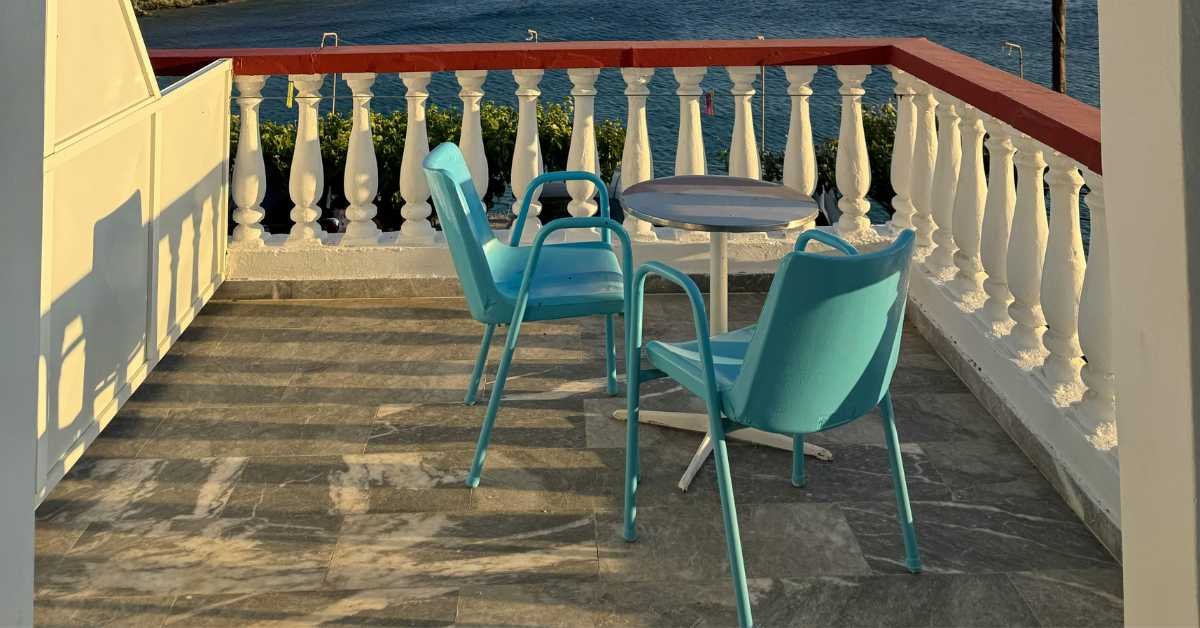
Zone 4: Cozy Sitting Corner
Even a tiny balcony can have a small cozy corner.
You can add:
- A compact folding chair
- A small table
- Cushions
- Floor mat
For ideas, you can check small cozy balcony setup ideas.
Once you organize your zones well, everything becomes easier — watering, maintenance, airflow, and even relaxing.
Choose the Right Containers (The Size Matters)
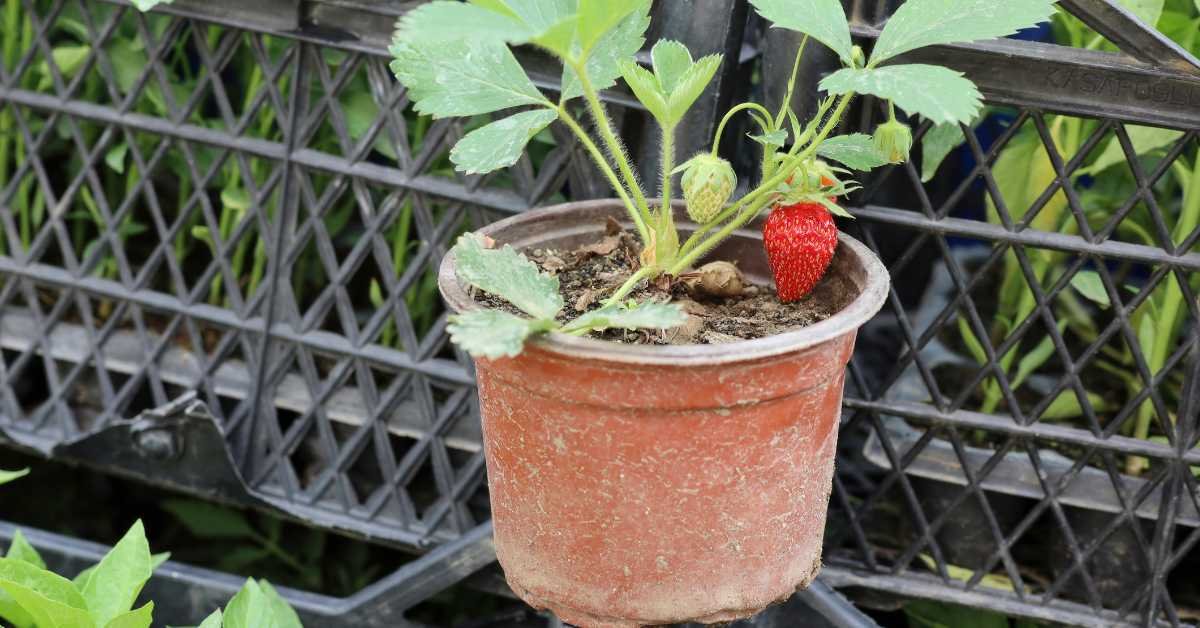
Containers decide how well your plants grow. If you choose pots that are too small, plants stay stunted.
Recommended Sizes (Simple Guide):
- Tomatoes → 12–15 inch deep grow bag
- Peppers → 10–12 inch pot
- Mint → Any pot (but keep it separate or it spreads)
- Lettuce, spinach → Shallow trays
- Radish → Deep 10–12 inch pot (choose compact type)
Good Container Types:
- Grow bags (lightweight, breathable)
- Plastic pots (don’t break easily)
- Vertical planters
- Balcony railing planters
- Recycled plastic bottles
Just make sure every container has drainage holes.
If you have drainage issues, check balcony garden drainage solutions — it will solve most waterlogging problems.
Fill Containers with the Best Soil Mix
Your plants will not grow well if the soil is heavy or clay-like.
Use a mix that is:
- Light
- Well-draining
- Airy
You can check the full guide on the best soil for balcony plants for a detailed breakdown.
A simple DIY soil mix:
- 40% potting soil
- 30% cocopeat
- 20% compost
- 10% perlite or sand
This keeps the soil fluffy and the roots healthy.
Watering — Don’t Overwater (Very Common Mistake)
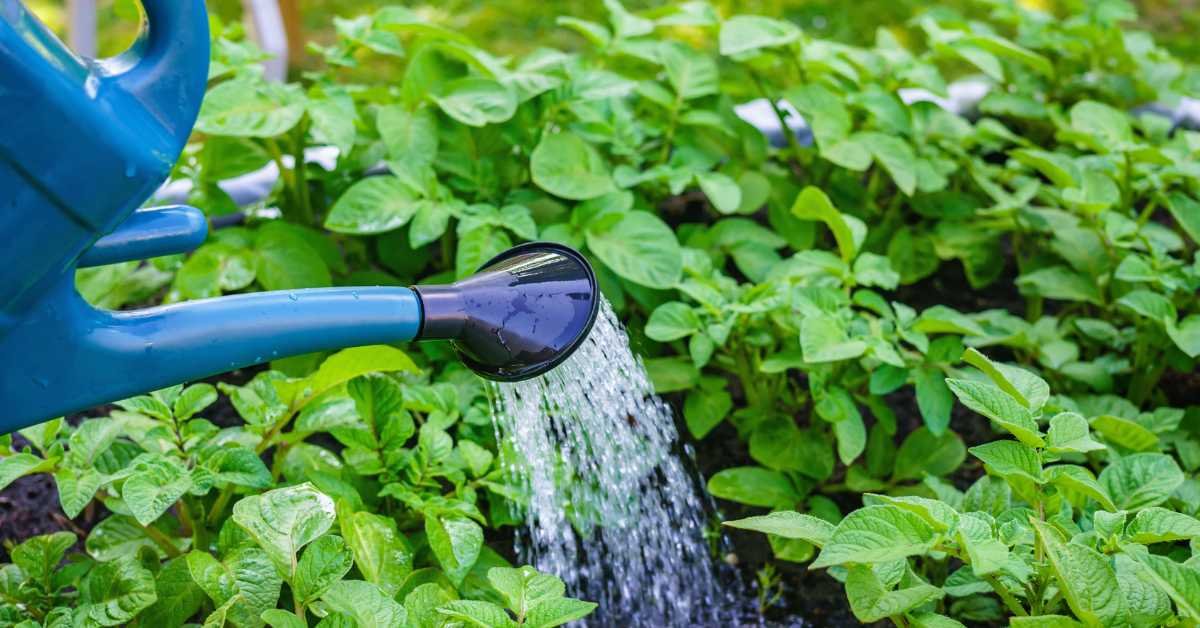
Balcony plants get overwatered more than underwatered because beginners think water means growth.
But plants in containers need controlled watering.
Follow this:
- Check the top 1 inch of soil — if dry, water.
- Don’t pour water directly into herbs (they hate soggy soil).
- Water early in the morning.
- Use a smaller watering can or spray for microgreens & herbs.
If you follow this, 80% of disease problems stay away automatically.
Seasonal Planning (Grow the Right Things at the Right Time)
Balcony gardens change with seasons — you can’t grow everything all year.
- For summer growing & protecting plants: Check summer balcony plant care tips.
- For winter balcony garden ideas: Check balcony gardening tips for winter season.
Seasonal guides help in choosing the correct varieties and avoiding plant shock.
Add Balcony Lighting (Optional but Beautiful)
If you want your balcony to look magical at night, you can add:
- String lights
- Solar lanterns
- Wall-mounted lights
You’ll find good design inspirations in balcony garden lighting ideas.
Lighting doesn’t help plants grow, but it makes your balcony look like a warm, cozy outdoor room.
Common Balcony Gardening Mistakes to Avoid
Here are mistakes most people make, so avoid them from day one:
- Choosing wrong plants for sunlight: This is the #1 reason balconies fail. Pick plants based on the actual sun you get.
- Using too-small containers: Roots stay restricted → plant stays weak.
- Overwatering: Very common. Especially with herbs, mint, basil, etc.
- Growing everything at once: Start with a small number of plants and increase once you gain confidence.
- Ignoring layout: If things are messy, watering becomes harder, and pests increase.
- No drainage: Your soil becomes mucky, and plants die fast.
If you want a clean setup inspiration, check balcony garden setup ideas.
How to Mix Vegetables + Herbs + Sitting Space (Balanced Balcony)
Most gardeners think they need a large balcony, but even a tiny one can fit everything if planned like this:
- Keep big containers against the wall: Tomatoes, peppers, and fruit plants go at the back.
- Use railing space for herbs or lettuce: Lightweight, easy to pluck.
- Use hanging baskets: For spinach, strawberries, radishes.
- Keep one empty corner for sitting: Even a single chair + small table changes everything.
- Add some decorative plants near the entrance: Makes it visually appealing and welcoming.
If you want to decorate on a budget, check small balcony decoration ideas on a budget.
What You Need to Buy for This DIY Balcony Garden Project
Here’s a quick checklist so you know exactly what to get:
- Containers or grow bags
- Vertical planters or railing planters
- Good potting mix
- Compost
- Organic fertilizer
- Seeds or starter plants
- Watering can or spray bottle
- A pair of pruning scissors
- Support stakes for tomatoes/cucumbers
- Cocopeat (optional but useful)
You don’t have to buy expensive things. Even plastic bottles work beautifully.
How to Actually Start Planting (Simple Step-by-Step)
Here’s the exact order you want to follow:
1. Clean your balcony
Remove clutter so you get a fresh space.
2. Check sunlight areas
Mark sunny, medium-light, and low-light corners.
3. Finalize plant selection
Choose:
- 3–4 vegetables
- 3 herbs
- 2 leafy greens
- 2 decorative plants
This is enough for any small balcony.
4. Prepare containers
Add drainage holes if needed.
5. Fill with soil mix
Light and airy mix always works best.
6. Start planting seeds or seedlings
Don’t bury seeds too deep.
7. Add supports
Tomatoes, beans, and cucumbers need vertical support.
8. Water lightly
Don’t flood — just moisten.
9. Place plants according to sunlight
This is the step that makes or breaks your balcony garden.
10. Maintain weekly
Trim, clean, re-position pots, and check for pests.
Once you follow these steps in this order, everything becomes simple — nothing gets confusing.
Keep Your Balcony Garden Low-Maintenance
If you want less work:
- Choose compact or dwarf varieties
- Use vertical space
- Install railing planters
- Use slow-release fertilizer
- Grow leafy greens (quick harvests)
- Stick to easy plants (lettuce, mint, basil, microgreens)
For more ideas, you can explore low-maintenance balcony vegetable garden ideas.
When Your Garden Starts Growing
After 2–3 weeks:
- You can trim herbs regularly so they stay bushy
- Harvest leafy greens early; most of the time, they regrow again
- You have to support tall plants; you can use a stick
- Rotate your pots every few days. It’s better for growth
- Add compost every 25 to 30 days
Enjoy your balcony garden. It’s not just about vegetables — it’s a place to sit, relax, drink tea, and breathe fresh air.
Conclusion
Starting a balcony garden isn’t complicated once you follow a proper order.
When you understand your sunlight, choose plants that match your balcony, use the right containers, and plan your layout smartly, everything grows effortlessly.
And as your vegetables, herbs, and flowers start filling the space, your balcony doesn’t just become a mini garden — it becomes a calming little place where you can sit, relax, and enjoy something you built from scratch.
No matter how small your space is, you can turn it into a productive and beautiful garden that actually fits your lifestyle.
FAQs
How many plants should I start with if I’m a complete beginner?
When you’re just starting, don’t overload your balcony or yourself. Begin with a small, easy setup that you can actually handle.
Something like a few vegetables, a couple of herbs you’ll use often, and one leafy green is more than enough in the beginning.
Once you understand your sunlight, watering, and how fast your plants grow, you can slowly add more. Starting small helps you avoid mistakes, and your plants stay healthy because you’re not trying to manage too much at once.
What’s the best way to avoid overwatering balcony plants?
Just don’t water on “guess.” Always feel the soil first. If the top layer is still moist, leave it. If it feels dry, then water.
Balcony pots don’t need heavy watering because they drain fast, and herbs especially hate sitting in wet soil.
Use light, slow watering and let the soil breathe. And make sure your container has proper drainage holes — that alone stops most overwatering problems before they even start.
Can I mix vegetables, herbs, and flowers in the same balcony garden?
Yes, you can mix everything. In fact, it makes your balcony look beautiful and keeps pests in control naturally.
Just place sun-loving vegetables in the brightest corner, keep herbs in medium light, put leafy greens in partial shade, and hang flowers or trailing plants on the railing or wall.
This creates a balanced and space-efficient setup that works for any balcony size.

I’m Abraham creator of Balcony Gardening Ideas. I share balcony gardening tips, DIY projects, and hands-on plant care guides based on my own balcony garden experience. I grow vegetables, herbs, and flowers using organic methods and simple setups anyone can follow.