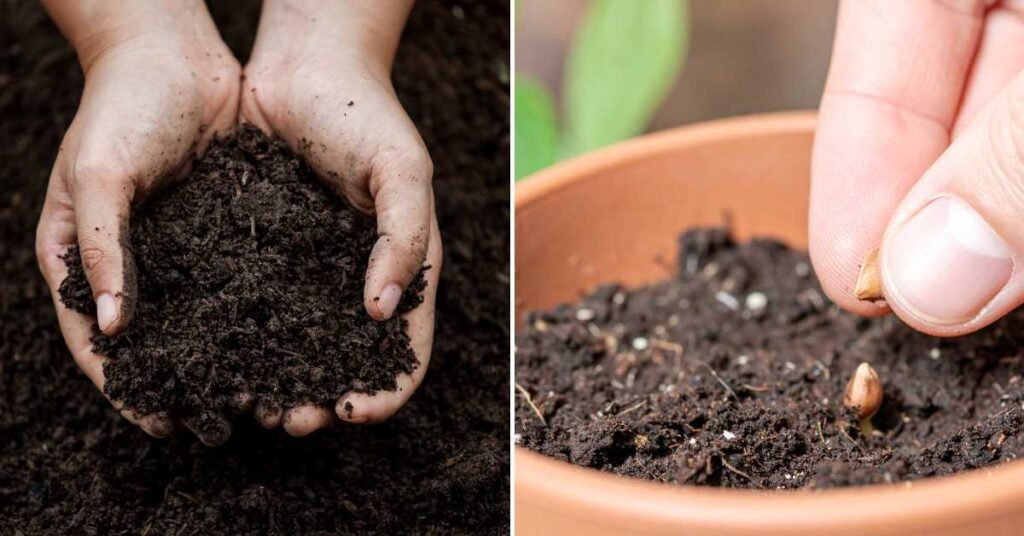
If you’re confused about what soil to choose for your balcony plants, or whether the soil you already have at home will work — this guide will clear every single doubt.
Being an expert gardener, the best soil for balcony plants is a well-draining, nutrient-rich potting mix.
It is made of garden soil, coco peat (or compost), and perlite or sand.
But let’s understand how you can choose, test, and even improve the soil you already have — using things you most likely already have at home.
What Type of Soil Is Best for Balcony Plants
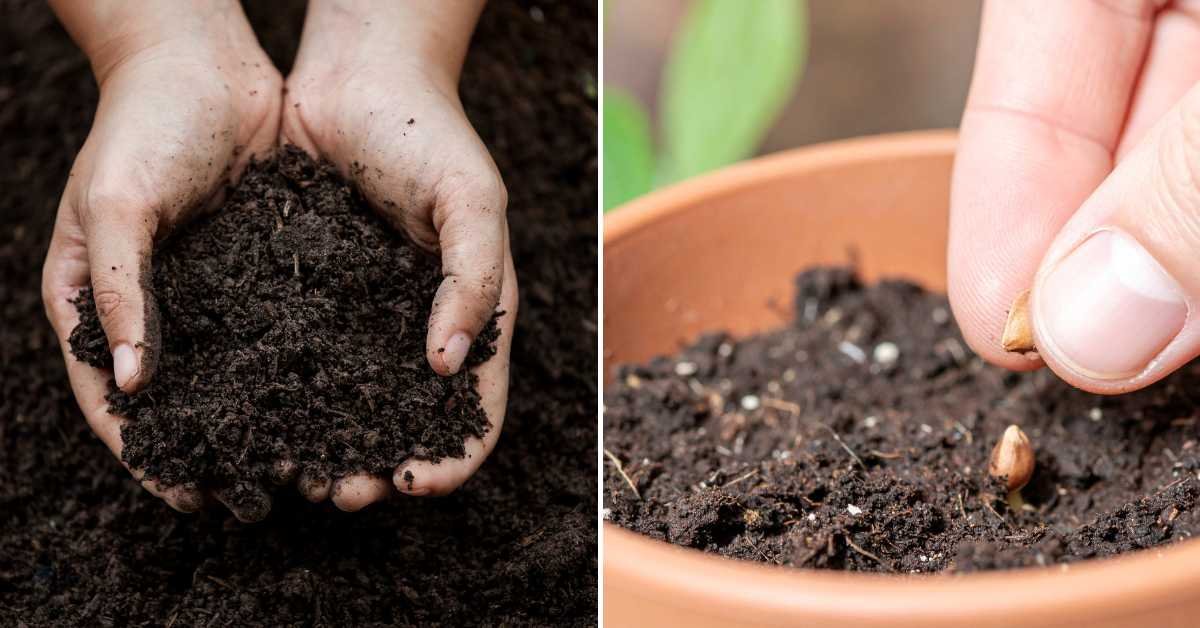
When you’re gardening on a balcony, the soil inside pots acts like a small world for roots. It must do everything — drain water, hold nutrients, and breathe.
That’s why normal soil alone won’t work. It becomes compact inside pots, roots suffocate, and growth slows down.
The best soil mix will always be light, fluffy, well-draining, and rich with organic matter.
So it keeps water for a short time but never stays soggy.
You can simply prepare it by mixing these three:
- 1 part normal garden soil
- 1 part compost or coco peat
- 1 part sand or perlite
That’s the most balanced mix you can make for almost any balcony plant. But if you already have soil at home, don’t throw it — you can still improve it. Let’s see how.
If You Already Have Soil at Home
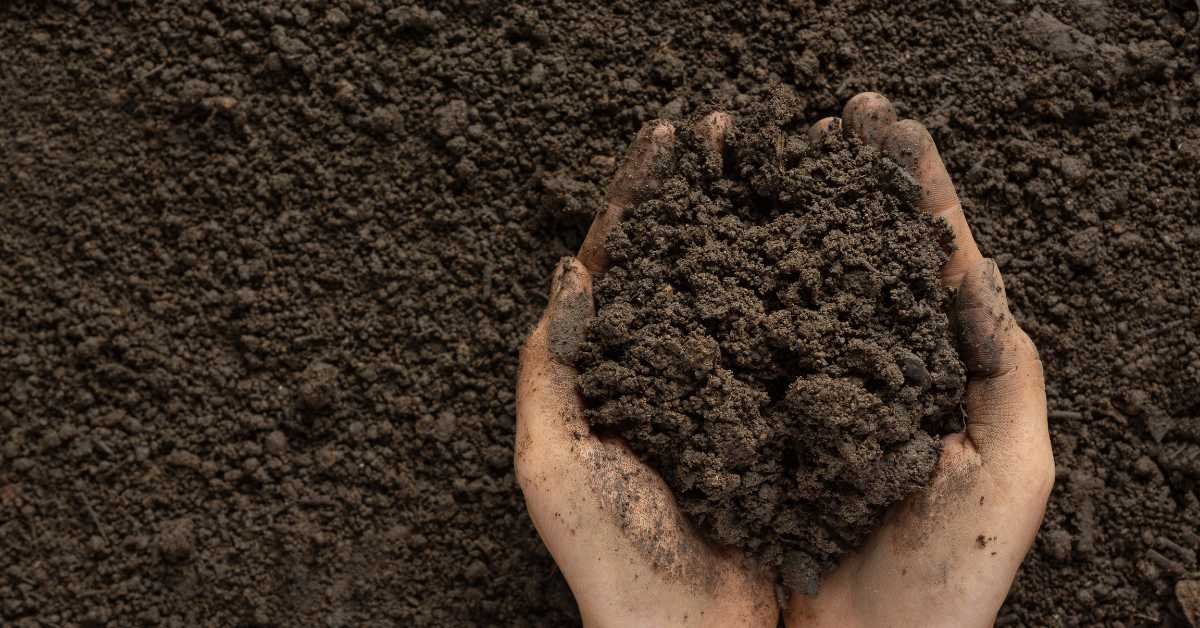
If you already have a bag or bucket of soil lying around, you can easily turn it into perfect balcony potting soil. Most of the time, it just needs aeration and nutrients. You can follow the steps here or check how experts prepare the best soil for balcony plants.
Here’s what you’ll do:
Check texture. Take a handful, slightly wet it, and press.
- If it forms a tight ball: it’s clay-heavy.
- If it won’t hold at all: it’s sandy.
- If it holds lightly and breaks when tapped: perfect texture.
Improve it.
- For heavy soil, add more sand or perlite.
- For sandy soil, add more compost or coco peat.
- For dull, lifeless soil, add a bit of organic matter (dry leaves, compost, or cow dung).
Let it breathe. Spread it on a clean plastic sheet and leave it in the sunlight for a few hours. It’ll dry, disinfect, and loosen up.
Now it’s ready for mixing.
How to Make Your Own Balcony Soil Mix (With Things You Already Have)
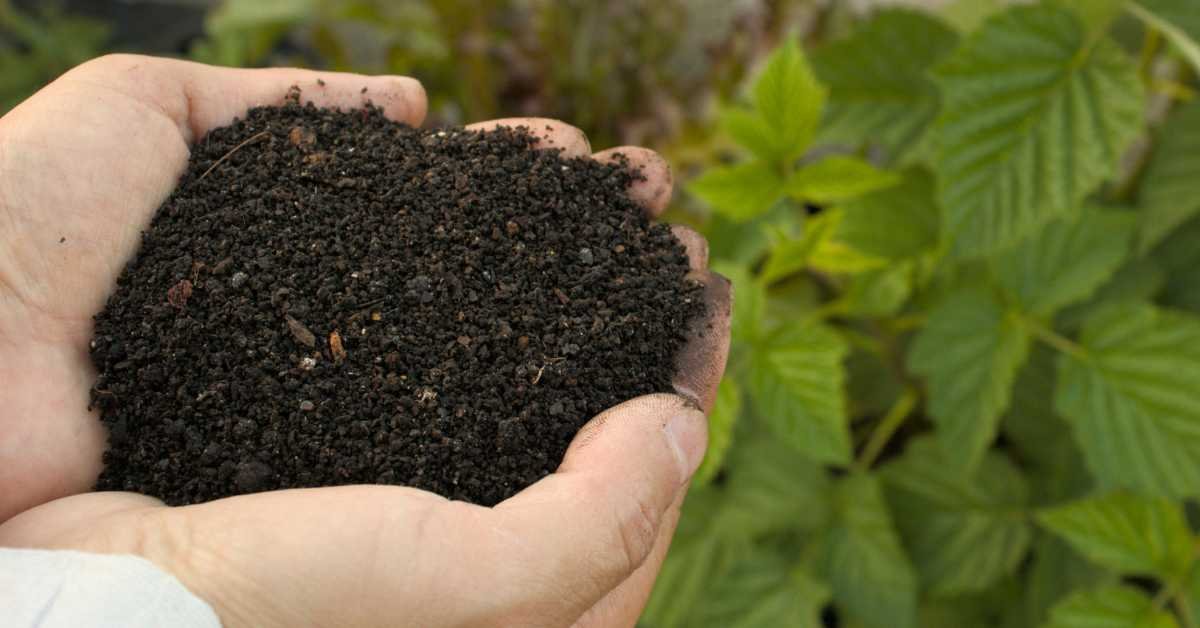
Here’s one mix that will work for vegetables, herbs, or flowering plants on any balcony.
Take:
- 2 parts of your normal soil
- 1 part compost (or fully decomposed kitchen waste)
- 1 part sand or perlite
- A handful of coco peat (if available)
Mix everything properly till it feels airy when you lift it in your hands. You shouldn’t feel it sticky or hard.
Tip: Always sieve soil once before mixing. Remove stones, plastic bits, or roots. Clean soil will save you from many pests later.
Natural Things You Can Add to Improve Soil
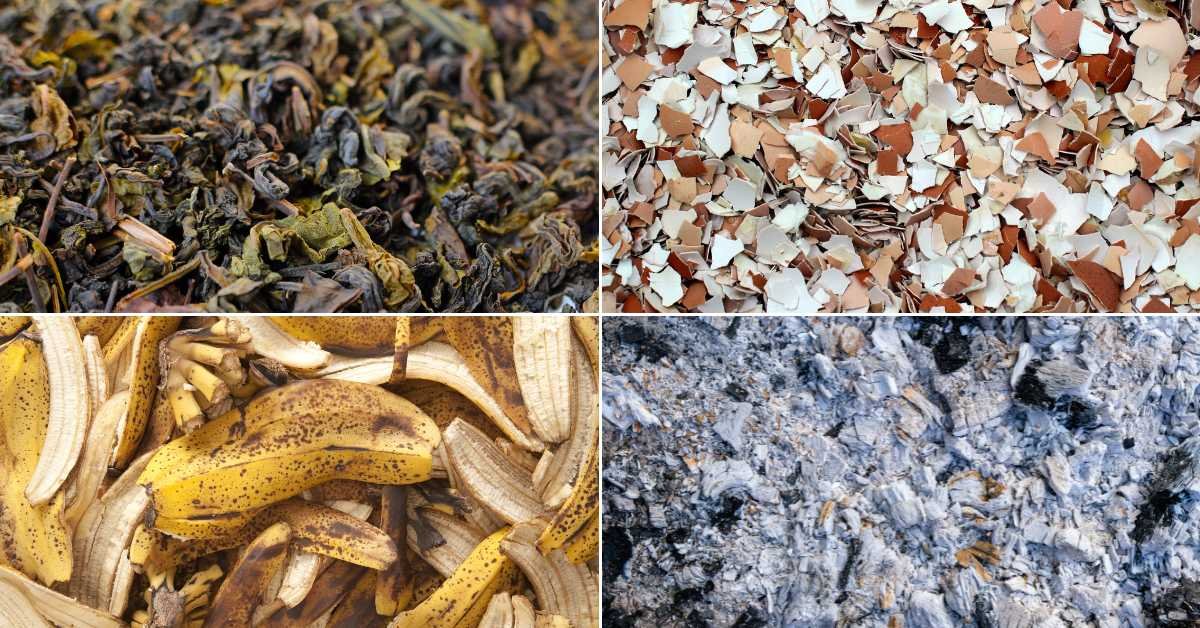
| Home Item | What It Does | How to Use |
| Used tea leaves (dried) | Gives nitrogen, good for leaves | Mix 1–2 handfuls per pot |
| Crushed eggshells | Adds calcium | Sprinkle a small spoon per pot |
| Wood ash | Adds potassium, helps flowering | Mix lightly, once a month |
| Banana peel powder | Boosts fruiting | Dry peels and grind, add half spoon |
| Rice water | Increases microbes, softens soil | Use as watering once a week |
You don’t always have to buy fertilizers. Some of the best soil boosters are already in your kitchen.
Signs That Show Your Soil Is Healthy
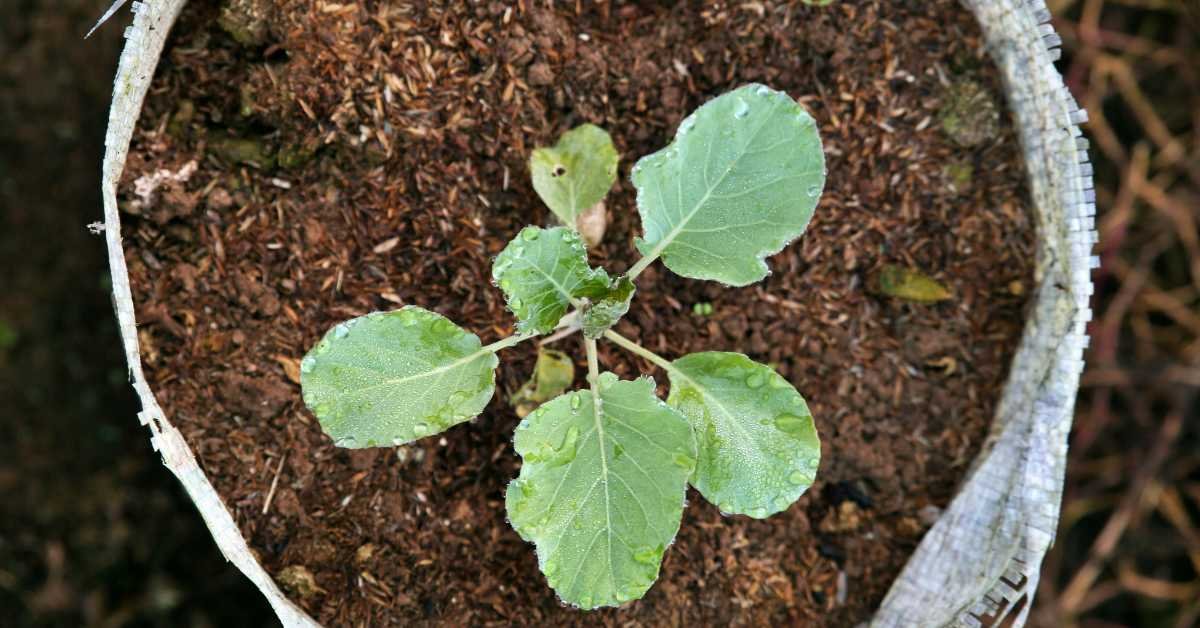
When your soil is good, you’ll see it.
- Plants will grow strong new leaves often.
- Water will drain smoothly and not stay pooled on top.
- The soil surface won’t smell bad or show fungus.
- Sometimes you’ll even notice small worms — don’t panic, that’s a healthy sign!
If plants look droopy even when the soil is wet, it means it’s too tight or lacks air. Just mix in some sand and compost again.
Right Soil Mix for Different Balcony Plants
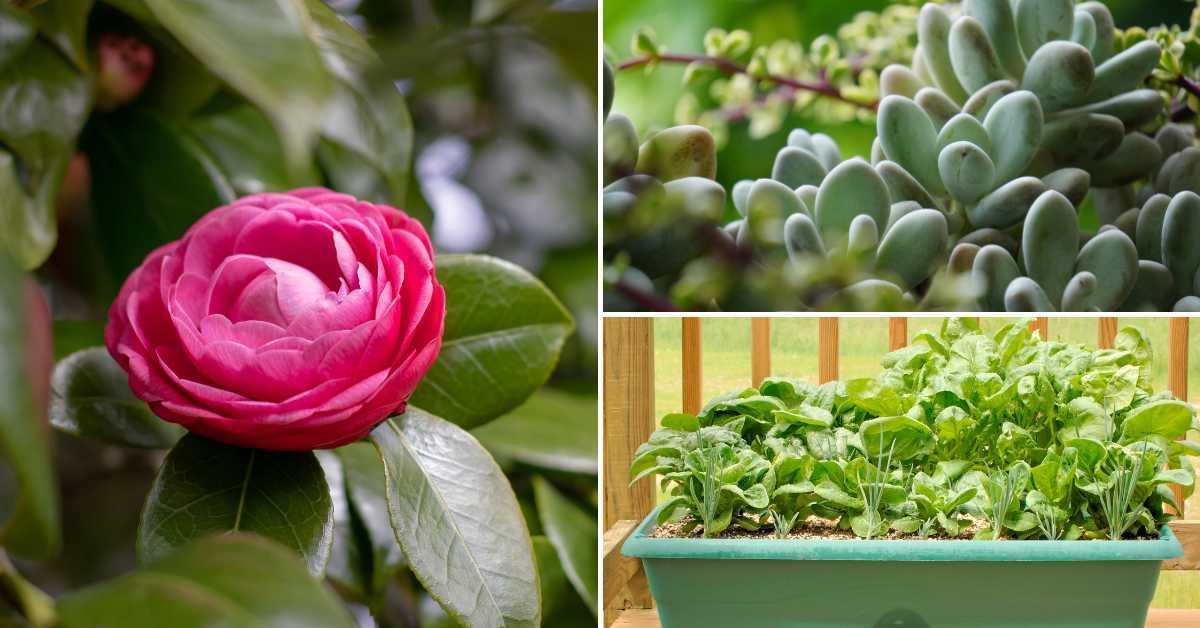
All plants aren’t the same. Some love more moisture, others need faster drainage. Use these simple mix ideas:
Flowering Plants (Roses, Petunias, Hibiscus):
- 1 part soil
- 1 part compost
- 1 part sand or perlite
- Add a pinch of bone meal or neem cake powder once every 25–30 days.
Vegetables & Leafy Greens (Spinach, Coriander, Methi):
- 1 part soil
- 1.5 parts compost
- 0.5 part coco peat
- Keep it slightly moist, always, not soaked.
Herbs (Mint, Basil, Thyme):
- 1 part soil
- 1 part compost
- 1 part coco peat or sand
- They prefer soft, fluffy soil that drains fast.
Succulents & Cactus:
- 1 part soil
- 1 part sand
- 1 part crushed charcoal or perlite
- They hate waterlogging.
If you want more options, here’s a full list of the best vegetables for balcony gardens.
How to Keep Balcony Soil Healthy for Long
The soil inside pots gets tired after a while. Nutrients get used up, and it becomes hard.
So every 2–3 months:
- Remove the top 2 inches of soil.
- Add fresh compost or coco peat.
- Mix gently without hurting roots.
Once or twice a month, water with organic fertilizer tea (like compost tea or banana peel water). This keeps nutrients active and microbes alive.
Never press soil tightly after watering — let it stay loose. Roots will thank you.
Reusing Old Soil From Dead Pots
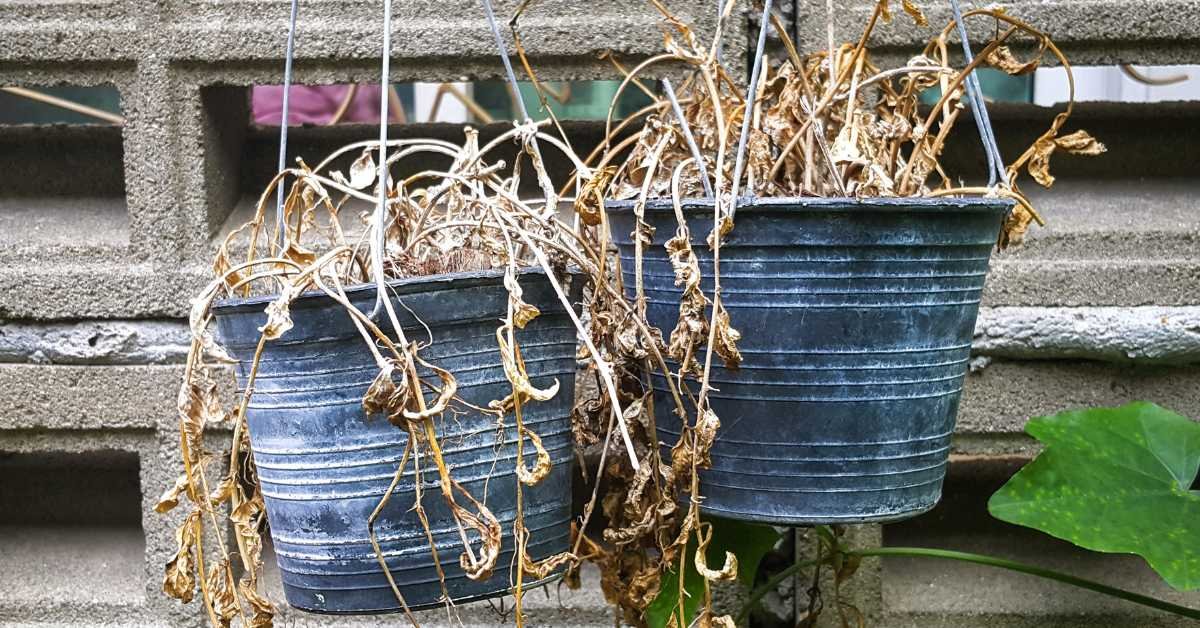
Don’t waste old pot soil after a plant dies. It’s easy to refresh.
- Remove all roots and debris.
- Spread under the sun for 1–2 hours to dry and disinfect.
- Mix 30% compost and a handful of sand or coco peat.
- Spray light water and let it rest overnight.
It’ll become new again — ready for your next plant.
If Your Soil Stays Wet or Sticky
Sometimes the pot stays soggy hours after watering — that means poor drainage.
To fix it:
- Check drainage holes at the bottom — add more if few.
- Put broken tile pieces or small pebbles at the base before adding soil.
- Mix in extra sand or perlite (1 handful per pot).
- Never leave pots sitting in trays full of water.
This one simple step prevents almost every root problem.
When to Replace Soil Completely
You can smell the soil (it’ll feel sour), look for white fungus, or if you have reused it more than 3–4 seasons, then replace it completely.
When you mix fresh seeds, you will have stronger plants, they’ll bloom better, and you will have fewer pests.
Always wash pots before refilling. You can spray a mild neem solution inside them before adding new soil.
Quick Recap
| Purpose | Ideal Mix |
| All-purpose balcony soil | 1 part soil + 1 part compost + 1 part sand |
| Flowering plants | Add neem cake / bone meal |
| Leafy greens & veggies | More compost, less sand |
| Succulents | More sand, very light soil |
| Reuse old soil | Add compost + sand + dry in sun |
| Fix soggy soil | Add drainage holes + sand/perlite |
One Last Step Before Planting
Once you finish mixing, sprinkle a little water and leave it for 10–12 hours before planting.
That’s when microbes wake up, and your soil becomes “alive.”
Then, fill pots up to an inch below the rim — this space helps when you water, so soil doesn’t spill out.
Now your soil is perfectly balanced — light, rich, airy, and ready for any balcony plant you grow next.
Conclusion
Soil is honestly where everything begins. If the mix is right, your plants will never struggle — even on a small balcony.
You don’t always need to buy anything fancy; you can make the best soil right at home by mixing your old soil with compost, coco peat, and sand. That’s it.
Once your mix is light, airy, and drains well, your balcony plants will grow faster, stay green, and bloom more often.
However, you should keep refreshing the top layer every few months. By doing so, your soil will keep getting better with time.
FAQs
Can I use only garden soil for my balcony plants?
Not really. Garden soil alone becomes too hard inside pots, and roots can’t breathe.
Always mix it with compost and sand or coco peat to make it lighter and well-draining.
How often should I change the soil in my balcony pots?
You don’t have to replace all of it every time. Just remove 2 inches of topsoil every 2–3 months and mix in fresh compost.
Fully replace the soil every 1–2 years if it feels heavy, smells bad, or plants stop growing well.
What can I add if my soil feels sticky or holds water too long?
Add coarse river sand or perlite — one handful for each pot is enough. Also, check that your pots have enough drainage holes.
Sticky soil always means poor airflow or waterlogging; once fixed, your plants will recover fast.

I’m Abraham creator of Balcony Gardening Ideas. I share balcony gardening tips, DIY projects, and hands-on plant care guides based on my own balcony garden experience. I grow vegetables, herbs, and flowers using organic methods and simple setups anyone can follow.