For a simple, space-saving, and productive balcony, a DIY balcony vertical pipe design is one of the easiest systems you can build.
And the best thing is—once you design it properly, you can grow leafy greens, herbs, strawberries, cherry tomatoes, and even small peppers in a very tiny space.
So let’s go straight into how you can design it, what you’ll need, how to place it, and how to grow it in a practical way, so after reading this, you can literally start building it today.
Materials You’ll Need (Not Complicated at All)

You can build it using things you can find in any hardware shop.
- PVC or UPVC pipe (4–6 inch wide) – 6 to 7 ft tall
- End cap – to close the bottom
- Elbow connector (optional) – if you want clean drainage
- Drill + hole saw – to make planting holes
- Coconut coir/cocopeat
- Compost
- Potting mix
- A thin perforated pipe (1 inch) – optional for better watering
- Zip ties or clamps
- A stand/bucket / heavy pot to keep the pipe upright
- Marker + sandpaper
- Watering can or drip pipe (optional)
I always prefer UPVC because it’s food-safe and more stable for gardening, but you can use whichever is available.
How to Make a Balcony Vertical Pipe Garden?
A balcony vertical pipe garden is simply a gardening system made from PVC pipes, drain pipes, or HDPE pipes that stand upright and have planting holes cut into them. You fill them with a lightweight potting mix, add a center support for water flow, and grow multiple plants in one column.
It works even in small balconies, which many people have trouble designing well — if that’s you, you might want to check Small Balcony Garden Layout Ideas because it helps with arranging everything around your pipe garden naturally.
1: Choose the Right Pipe (Most Important)
You can use many types, but the best diameter is 4–6 inches. Here’s why:
- 4-inch pipe → ideal for herbs, lettuce, spinach
- 5–6 inch pipe → better for strawberries, cilantro, bushy herbs, small chillies, cherry tomatoes
- Anything smaller than 4 inches → roots won’t spread
- Anything bigger than 6 inches → occupies too much space and becomes heavy
If you’re planning to grow fruiting vegetables, always go for a minimum 5-inch diameter.
Pro tip: If your balcony gets very bright sun, choose UV-resistant UPVC because standard PVC turns yellow after long exposure.
2: Design the Pipe (Hole Placement + Size)
This is where your whole project becomes easy or difficult, so let’s keep it very clear.
Hole Size
Use a 2-inch hole saw for leafy greens and herbs, and 2.5–3 inches if you want bigger plants.
Hole Shape
Round holes are easiest. Some people make “V” cuts, but honestly, round openings work perfectly.
Hole Distance
Keep 8–10 inches of vertical spacing between each hole.
Why?
Because leafy greens grow compactly, but their roots still need space inside the pipe.
How Many Holes Per Column?
For a 6-foot pipe:
- 10–14 plants per pipe (depending on spacing)
Hole Pattern
Use a spiral pattern:
- First hole at the front
- Second hole rotated 90°
- The third hole rotated 90° from the second
- Continue around the pipe
This keeps all plants getting airflow and equal light, instead of shading each other.
3: Prepare the Bottom (Stable Foundation)
If your pipe is not stable, you will regret it later. So do this:
- Seal the bottom with a PVC cap.
- Drill 2–3 small drainage holes in that cap.
- Place the pipe inside a heavy pot filled with stones or sand.
- OR clamp it to the balcony railing using strong zip ties or pipe clamps.
For small balconies, railing placement looks cleaner and saves floor space. If you’re improving your full setup later, you might also want to check Balcony Garden Setup Ideas.
4: Add a Center Watering Pipe (Optional but Very Helpful)
If you want your system to water evenly, add a perforated 1–1.5 inch pipe inside the big pipe.
- Drill small holes (2–3 mm).
- Insert it in the middle.
- This pipe spreads water evenly through the soil.
- It prevents overwatering in the top part and underwatering at the bottom.
This step is optional, but I personally recommend it if you want consistent growth and don’t have time to water slowly.
5: Choose the Best Soil Mix (Light + Well-Drained)
You should never use garden soil. It will become heavy and create compaction.
Use lightweight balcony-friendly potting mix, like:
- 40% cocopeat
- 30% compost
- 20% regular potting mix
- 10% perlite or sand
A lightweight mix drains better in vertical structures. If you want proper guidance for soil quality, you can read Best Soil for Balcony Plants.
Important: Vertical pipes drain very fast. So using too much sand will make it even faster. Keep the sand amount low.
6: Filling the Pipe Properly
Most beginners make this mistake: they fill it too fast, and air pockets form everywhere. So do it this way:
- Add 2–3 inches of stones or broken clay pieces at the bottom.
- Start filling with soil slowly, tapping the pipe every 6–8 inches.
- Make sure the center perforated pipe remains centered.
- Fill up to the top.
- Water lightly and wait 20–30 minutes.
- Add more soil if it settles.
This keeps the soil compact enough to support roots but loose enough for water flow.
Plants You Can Grow in Vertical Pipe Gardens
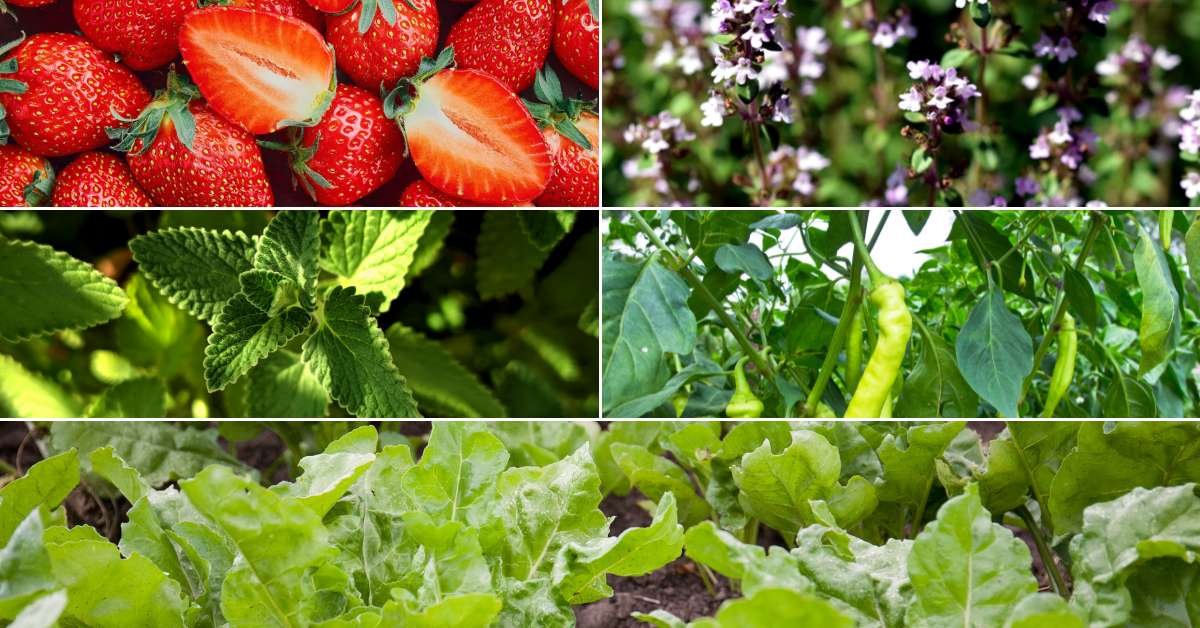
Vertical pipe gardens work best for:
1. Leafy Greens
- Spinach
- Lettuce
- Fenugreek
- Swiss chard
- Kale (baby)
They grow excellently because roots don’t require too much depth.
2. Herbs
- Mint
- Basil
- Oregano
- Thyme
- Parsley
- Chives
Herbs love airflow, and vertical pipes give exactly that.
3. Strawberries
This is actually one of the best things for pipe gardens because strawberries hang naturally and stay clean.
4. Small Fruiting Plants
- Cherry tomatoes (small varieties like Tiny Tim)
- Chilies
- Small peppers
- Dwarf okra (1–2 plants max per pipe)
Just place fruiting ones in the upper holes because they need more sun.
If you want a full list of what’s easiest for balcony gardening in general, you can check Best Vegetables for Balcony Garden, which complements pipe gardening perfectly.
Sunlight Requirements (Don’t Ignore This)
Different plants need different amounts of sun:
- Leafy greens: 3–4 hours
- Herbs: 3–6 hours
- Strawberries: 5–6 hours
- Tomatoes/Chillies: 6–7 hours
If your balcony faces north, grow leafy greens and herbs only. Fruiting plants won’t perform well.
If the balcony faces south or west, you can grow everything, but water more frequently because heat dries vertical pipes faster.
Watering Your Pipe Garden
Watering depends on the season, but here’s a simple way:
Normal Watering
- Water from the top until it begins dripping from the bottom holes.
- Let it stop.
- Then water again lightly.
- Do this daily in summer, every 2–3 days in winter.
Using the Central Watering Pipe
Just pour water slowly inside the center pipe until it is distributed evenly.
Avoid This Mistake
Don’t pour aggressively. Vertical pipes drain fast and can wash nutrients out.
If your balcony always faces excess drainage issues, you may want to check Balcony Garden Drainage Solutions to manage overflow better.
Fertilize Your Vertical Pipe Garden (Balanced Feeding)
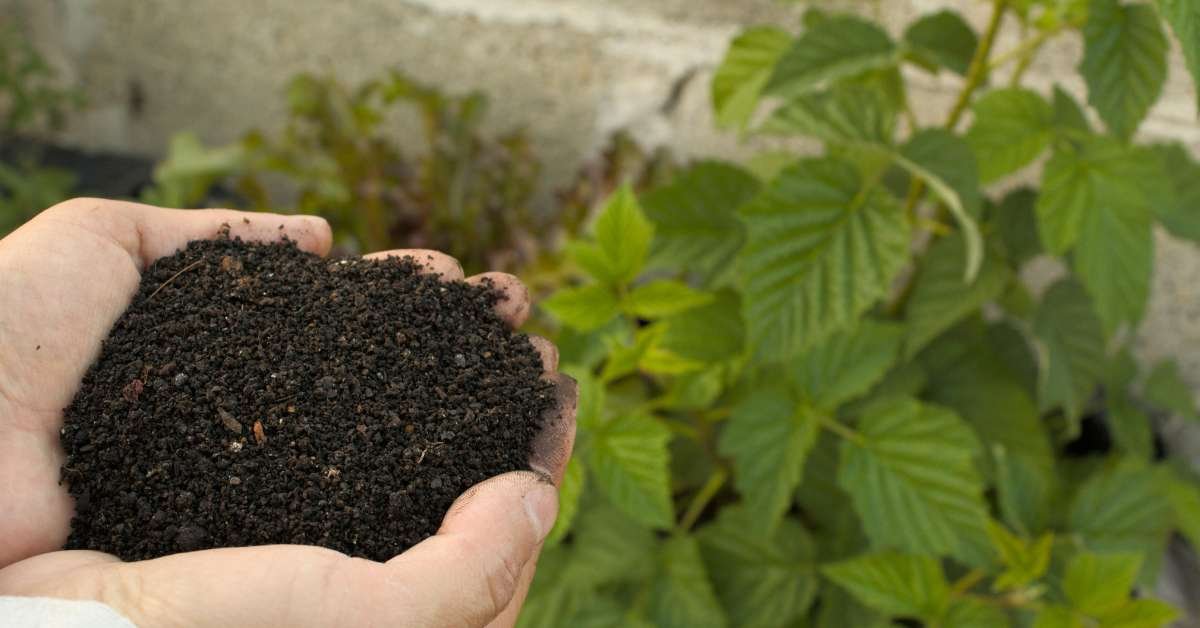
Plants in a vertical pipe often need slightly more nutrients because water runs through faster. Feed like this:
- Liquid fertilizer: every 10–15 days
- Compost top-up: every 30 days (add to the top opening)
- Seaweed solution: helps roots and reduces stress
- Banana peel water: good for flowering plants
- Cow dung or vermicompost tea: good all-rounder
Just don’t overfeed. A light mix is better than a heavy one.
Prevent Common Problems
Vertical pipe gardens are easy, but a few things you want to avoid:
1. Soil Settling Too Much
Fill again from the top after 20–30 days.
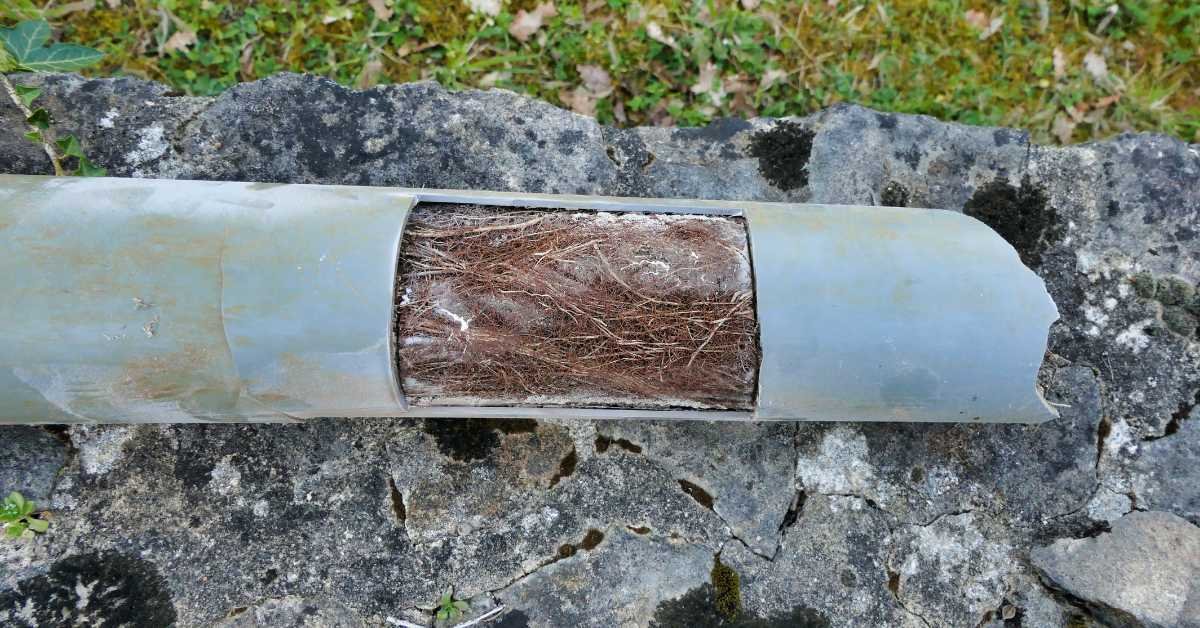
2. Roots Blocking Water Flow
This can happen in 8–10 months. To avoid it:
- Rotate crops
- Occasionally, flush with clean water
3. Overheating Pipes
If your balcony gets extreme sun, wrap the pipe with:
- Jute
- Burlap
- Shade cloth
This protects roots from heat stress.
4. Fungus on Lower Holes
Happens when airflow is low. Fix it by spacing your pipes properly.
Placement Ideas (Very Important for Small Balconies)
How you place your pipe garden will decide your success. A few useful ways:
- Corner Placement: Great for small balconies. It won’t block walking space.
- Against the Railing: Helps plants get maximum sun.
- Using a Two-Pipe Combination: Two pipes side by side with 1 ft spacing gives double yield.
- Near Balcony Walls: If your balcony design or layout is small and you need to maximize space, placing your pipes near walls or corners works well.
For more broad layout inspiration, Small Balcony Garden Layout Ideas is useful again if you want to redesign your whole balcony.
Maintenance and Long-Term Care
Vertical pipes are low-maintenance.
Just do this:
- Check soil moisture every 2–3 days
- Remove yellow leaves
- Trim herbs so they don’t become woody
- Support tomatoes or chilies with a small stick through the hole
- Remove pests early with neem spray
- Clean your pipe once every year (empty soil, wash, refill)
Seasonal Tips (Balcony-Specific)
Summer
- Water daily
- Add mulch inside the top opening.
- Provide partial shade for herbs.
- For full seasonal care, you can follow tips from Summer Balcony Plant Care, which fits perfectly if your balcony gets hot.
Winter
- Water less
- Add compost
- Protect strawberries from frost.
Rainy Season
- Ensure drainage
- Add neem spray to prevent fungus.
Conclusion
This is the complete guide to designing and growing a balcony vertical pipe garden. It’s simple, cheap, and honestly one of the smartest setups if you’ve limited space.
Once you build one pipe properly, you can easily make 2–3 more anytime because the whole structure is repeatable.
And the best part is—you’ll always have fresh greens, herbs, and strawberries right in front of you without crowding your balcony.
Just follow the spacing, soil mix, hole pattern, and watering method I explained, and your plants will grow perfectly.
After a few weeks, you’ll see how much space you’re saving and how clean your balcony looks with everything vertical.
FAQs
How often should I water a vertical pipe garden on a balcony?
You’ll have to water it daily in summer, especially if your balcony gets strong sunlight, because vertical pipes dry out faster than pots. In winter, watering every 2–3 days is enough.
I personally check moisture with my finger—if the top 1–2 inches feel dry, I water. Just don’t flood it; slow watering always works better.
Which plants grow fastest in a vertical pipe?
Leafy greens like lettuce, spinach, fenugreek, and cilantro grow the fastest. Herbs like mint and basil also do very well.
These plants don’t need deep soil and fill up quickly, so if you want fast results, start with these first. Even strawberries grow nicely once they settle.
Can I grow tomatoes and chilies in vertical pipes?
Yes, but you want to plant them only in the top holes because that’s where they’ll get the most sunlight and space.
And make sure to choose small or dwarf varieties; otherwise, the plant will become heavy. You might also need a small stick or support inserted through the hole to keep the plant stable.

I’m Abraham creator of Balcony Gardening Ideas. I share balcony gardening tips, DIY projects, and hands-on plant care guides based on my own balcony garden experience. I grow vegetables, herbs, and flowers using organic methods and simple setups anyone can follow.