If you’re trying to build a balcony plants watering system, or you simply want to know the right way to water your pots, the main thing is this: give slow and deep water, use the right soil, and use any simple system that keeps plants moist without flooding them.
You don’t need anything fancy; even a bottle setup will make your balcony plants grow properly.
Most people overthink this about the watering system.
But honestly, watering balcony plants becomes extremely simple when you understand a few things about how containers behave in heat, wind, and limited space. So let me explain it in the easiest way.
Why Watering on a Balcony Is More Tricky
On a balcony, the soil dries faster because:
- You have wind
- Pots heat up
- The sun hits from one direction
- Water drains out quicker
So plants on a balcony need more attention than plants in-ground, but when you follow the right method, you’ll be fine.
I always say this: if your watering is correct, half your gardening problems disappear — yellow leaves, root rot, fungus, dry soil, leggy growth… Most of these happen because watering wasn’t done the right way.
If you don’t know how your soil should be, check this: Best soil for balcony system.
Because if your soil is wrong, no watering system will work for you.
Watering Systems for Balcony Plants
(DIY + Ready-made)
These systems will make your watering routine easier and more consistent.
I’ll show you the best ones that actually work for small balconies.
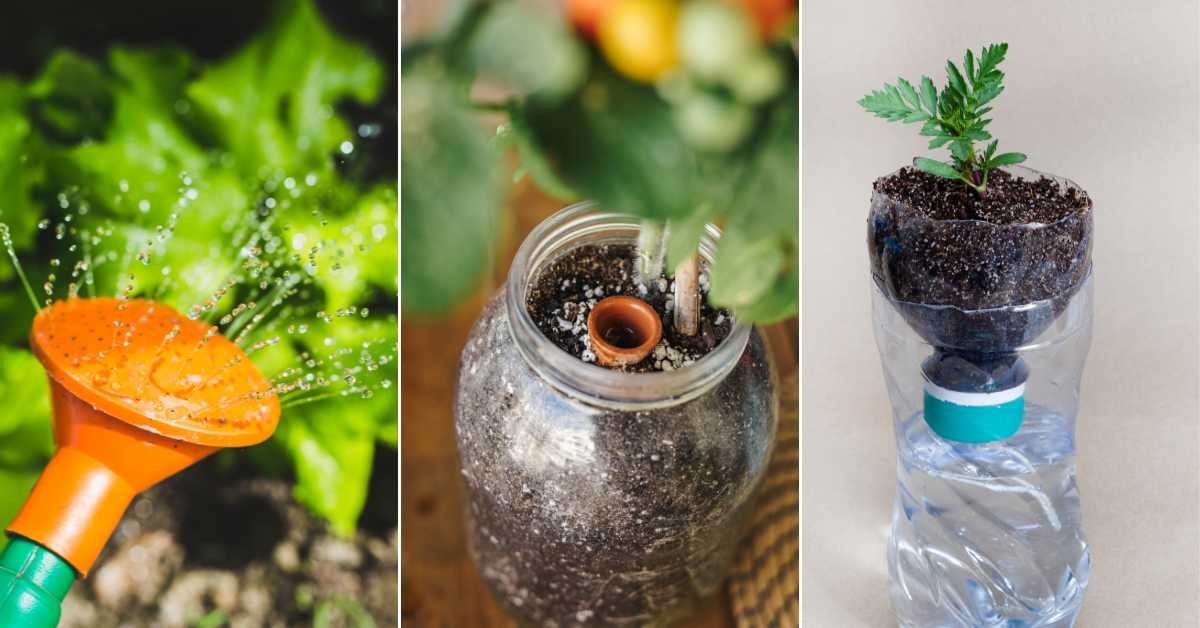
1. Simple Watering Can (the classic)
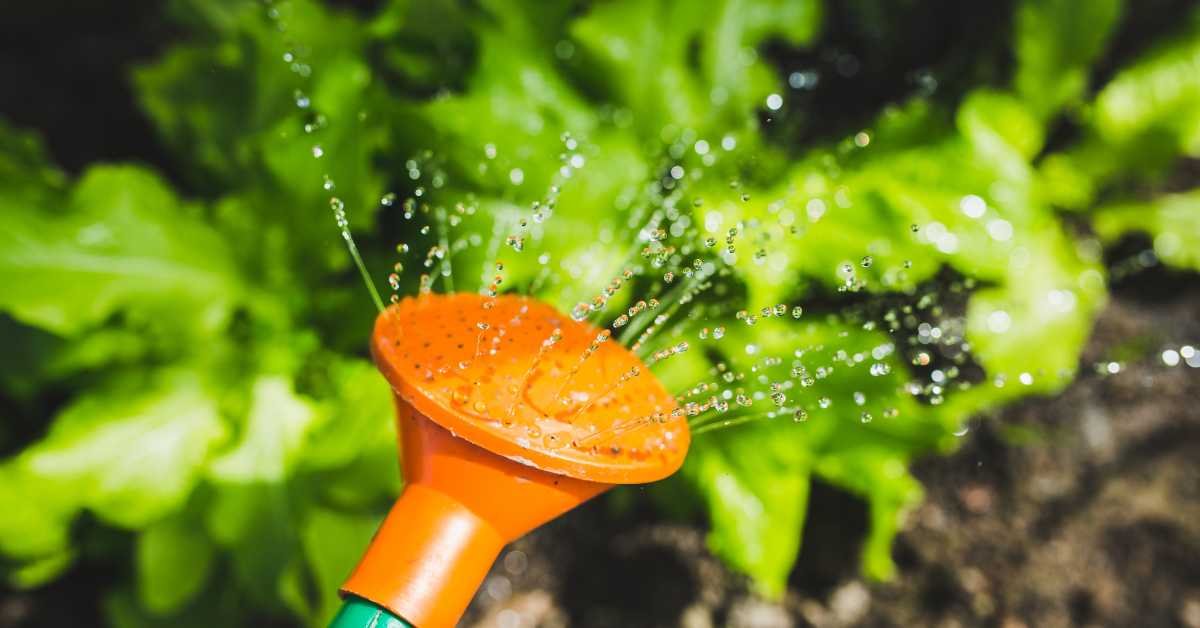
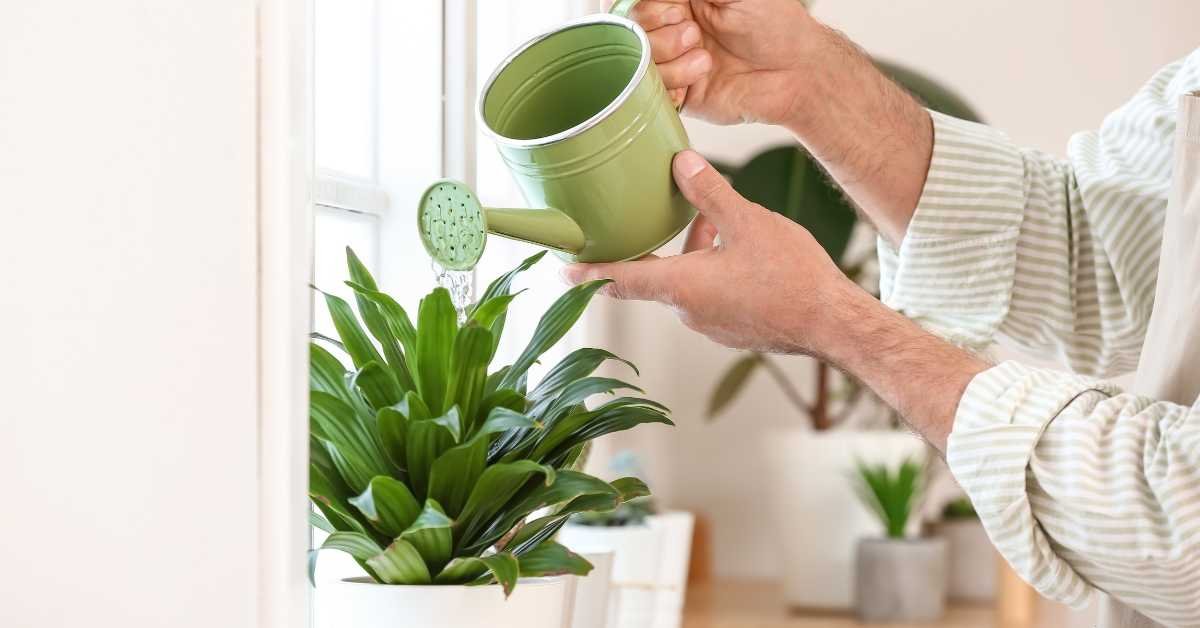
Honestly, this is still what most home gardeners use. Just choose a watering can with a thin spout.
Why it works:
- Full control
- Gentle flow
- No soil disturbance
Good for beginners or small setups.
2. Self-Watering Pots (stress-free option)
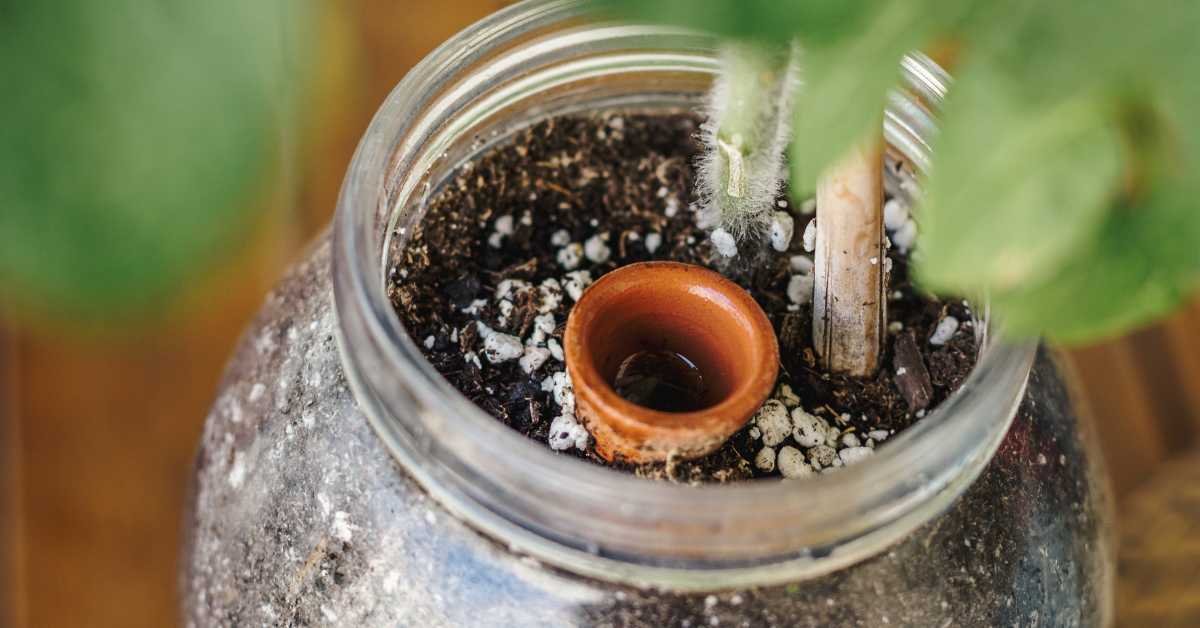
These pots have a water tank at the bottom. Plants drink slowly through capillary action.
Good for:
- Herbs
- Chillies
- Tomatoes
- Houseplants
Perfect if you’re busy and cannot water daily.
And if you’re choosing low-maintenance vegetables, this guide pairs well: Low Maintenance Balcony Vegetable Garden ideas.
3. DIY Plastic Bottle Drip System (cheap & works very well)
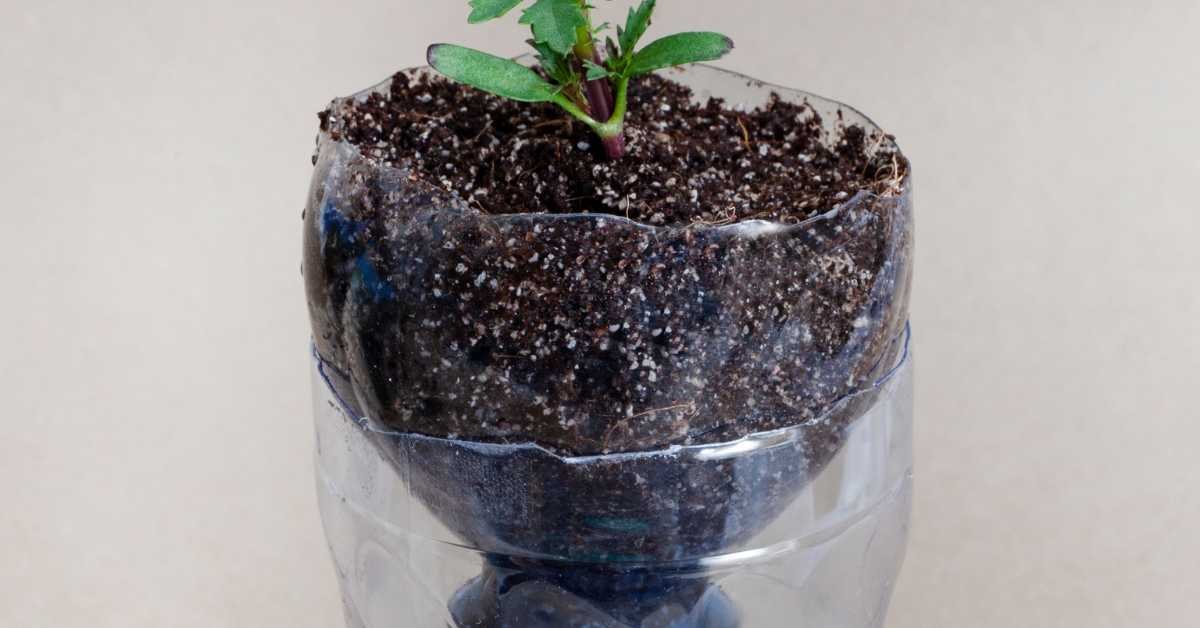
You only need:
- 1 bottle
- A heated needle
- A little soil space
How to do it:
- Heat needle
- Make 1–2 tiny holes in the cap
- Fill the bottle with water
- Keep the bottle upside down
- Push the neck 2–3 inches into the soil
Water will drip slowly for hours.
This is perfect for tomatoes, chillies, eggplant, capsicum, etc.
4. Rope Wick Self-Watering Setup (if you travel)
This is very easy.
You need:
- Cotton rope
- A pot
- A water container
Steps:
- Put the rope deep inside the soil
- The other end into a bowl of water
- Water travels up automatically
Works great for herbs and small plants.
5. DIY Pipe Drip Line (if you have many pots)
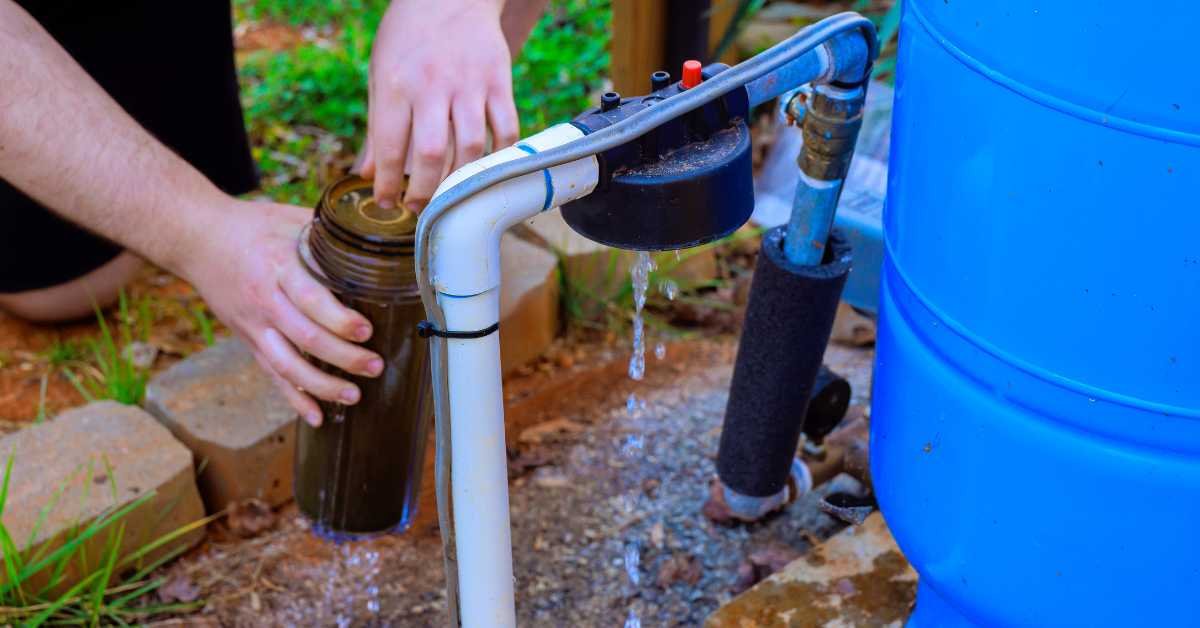
This one is super useful when you have 10–20 balcony pots.
You’ll need:
- Small aquarium pipe
- Heated needle
- A bucket or bottle with a tap
How it works:
- Make tiny holes in the pipe
- Lay pipe along pots
- Connect the pipe to the raised water source
- Open the tap slightly
- It drips slowly and evenly
This system saves water and gives consistency.
6. Ready-Made Drip Irrigation Kit
If you don’t want to DIY anything, buy a small drip irrigation kit.
It includes:
- Drip pipe
- Connectors
- Drippers
- Stakes
- Optional timer
Timers are helpful when you forget to water or when you go out of town.
If you’re planning a proper balcony setup, this layout guide helps: Small Balcony Garden Layout Ideas.
How to Know When to Water (quick method)
You don’t need a device. Just do this:
- Put your finger 1–2 inches inside the soil
- If it is dry → water
- If it is moist → don’t water
- If the soil feels hot → water earlier in the day next time
Plants don’t drink water from the top layer. They drink from the root zone. So when that dries, that’s when you water.
Never water based on “every day” or “two days” formulas.
Water based on soil dryness.
The Best Time to Water Balcony Plants
Always in the morning, between 6 AM and 9 AM.
Why morning?
- plants drink slowly and properly
- less evaporation
- Soil stays moist for longer
- reduces fungal issues
- plants stay fresh all day
Evening is okay if you miss morning, but not every day. At night, moisture stays too long and can cause fungus.
Avoid the afternoon. You’ll waste water.
How Much Water to Use (based on pot size)
Small Pots (6–8 inch)
Water until you see the water coming out from the bottom hole.
Medium Pots (10–12 inch)
Give the plant water, stop for 1 min, then repeat again.
This ensures water reaches deep.
Large Pots / Grow Bags
Slow watering.
Let the soil actually absorb it.
A small trick:
Lift your pot from the side.
- light → dry
- heavy → still moist
This simple trick will save you from overwatering.
Water Needs by Plant Type
Leafy Greens (spinach, lettuce, methi)
- They like moist soil all the time.
- If the soil dries completely, the leaves turn bitter or small.
Herbs (mint, basil, coriander)
- Mint → drinks a lot but hates standing water
- Basil → moist but not soggy
- Coriander → dries fast, keep slightly moist
If you grow herbs, check this helpful list: Best herbs for balcony garden.
Tomato, Pepper, Chilli
- They need deep watering.
- Shallow watering will crack tomatoes.
Flowering Plants
- Depends on the type, but most prefer regular moisture.
Succulents
- Only water when fully dry.
- Overwatering kills them faster than anything.
Most Helpful Balcony Watering Tips
- Water at the base, not on leaves: This prevents sunburn spots and fungus.
- Water slowly: If you pour too fast, water goes straight out the bottom.
- Use bigger pots: Small pots dry like crazy.
- Add mulch: Even a thin layer of dry leaves or coconut husk keeps soil cool.
- Don’t water without checking the soil: Touch the soil first.
- Move thirsty plants away from harsh sun: especially on west-facing balconies.
- Use a moisture-retaining soil: Cocopeat helps a lot.
- Don’t let pots sit in trays full of water: This causes root rot quietly.
Seasonal Watering Guide (Very Important)
Summer
- Water every morning
- Small pots may need 2x daily
- Add mulch
- Move delicate plants to shade between 12–4 PM
For deeper seasonal care, this post is very helpful: Summer Balcony Plant Care tips.
Winter
- Water every 2–3 days
- Keep the soil just moist
- Avoid watering at night
- Don’t keep the soil soggy
Spring
- Plants grow fast
- Start watering more often
- Add compost
- Prune old leaves
- Adjust watering as temperatures rise
Rainy Season
- Don’t water unless the soil is dry
- Move plants away from heavy rain
- Increase drainage
Fixing Water-Related Problems
Here’s what usually goes wrong:
Root Rot
Happens when the soil stays wet for too long.
Fix:
- Reduce watering
- Add perlite
- Improve drainage
Dry Soil That Repels Water
Happens when the soil becomes hard and the water runs off.
Fix:
- poke holes in the soil
- water slowly
- add cocopeat
Drooping Leaves
Could be both:
- too little water
- too much water
Check the soil instead of guessing.
Leaves Burning
- Sun + water droplets = burn marks
- Always water at the soil level.
How to Reduce Watering Frequency (without harming plants)
- Use bigger pots: More soil → holds more moisture.
- Add mulch: Especially in summer.
- Use cocopeat: Helps retain water.
- Move plants to partial shade: Especially in peak afternoon heat.
- Add hydrogel (optional): If your area is extremely hot.
- Group plants: They create a humid microclimate.
Best Balcony Plant Spots for Efficient Watering
North-facing (less water needed)
Perfect for:
- herbs
- greens
- shade-loving plants
East-facing (ideal sunlight)
Best for:
- tomatoes
- chillies
- flowering plants
West-facing (dries fast)
- More watering is needed.
- Use self-watering pots or drip.
South-facing (full sun)
- Use deep pots + mulching.
Quick Watering Checklist (your go-to)
- Touch the soil first
- Always water in the morning
- Water deeply, not lightly
- Fix drainage first
- Don’t oversaturate soil
- Use a self-watering system if you forget
- Add mulch
- Keep the pot size bigger for thirsty plants
- Don’t water based on guesswork
Conclusion
Now you know everything about how to water balcony plants the right way and what watering system you can use.
And if you want to make your life even easier, just install any simple DIY bottle setup, rope wick method, or a basic drip line — it’ll keep your plants happy even if you miss a day.
Just remember one thing: don’t overthink it. Touch the soil, water when dry, don’t bring the flood, and give your plants a clean routine.
If you do this right, your balcony garden will stay green, fresh, and healthy in any season.
FAQs
How often should I water balcony plants?
There is no fixed number. You have to touch the soil 1–2 inches deep. If it feels dry, then water. In summer, most pots need water daily.
In winter, they need water every 2–3 days. But always go by soil dryness, not by the calendar.
What is the best watering system for balcony plants?
For beginners, a simple watering can is enough. For busy people, self-watering pots are the best.
If you have many pots or travel often, use a DIY bottle drip system, rope wick watering, or a small drip irrigation kit. All of these keep moisture steady without overwatering.
Why does my balcony soil dry so fast?
It happens because balcony pots get more sun, more wind, and heat from all sides. Small pots dry the fastest.
If your soil dries too quickly, use a deeper pot, add cocopeat, mulch the top layer, or move the plant to a slightly shaded spot during peak heat.
Can I overwater balcony plants with drip irrigation?
Yes, if the drip runs too long. You want to keep the flow slow and only use it until the soil is moist.
The best way is to test it once — turn on the drip and see how long it takes for your pot’s soil to get evenly moist. After that, use the same timing every day or set a timer.

I’m Abraham creator of Balcony Gardening Ideas. I share balcony gardening tips, DIY projects, and hands-on plant care guides based on my own balcony garden experience. I grow vegetables, herbs, and flowers using organic methods and simple setups anyone can follow.