If you want your balcony plants to grow healthier, greener, and give you more flowers or vegetables, then you can’t ignore fertilizer.
In simple words, balcony plants need fertilizing every 2–4 weeks because potting soil loses nutrients fast, especially when you water daily.
The best fertilizers are balanced liquid fertilizers, slow-release granules, and organic compost, and you can also make a few at home.
And yes, you’ll know it’s time to fertilize when your plants grow slowly, leaves look pale, or soil becomes dull.
So let’s go step by step and clear everything properly.
Why Balcony Plants Need Fertilizer More Often
Balcony gardening is different. Everything is limited — soil quantity, root space, and even airflow sometimes. When you water, a lot of nutrients simply drain out from the bottom holes.
After 2–3 weeks, the soil becomes weaker, and plants stop growing or become light green.
Here’s exactly why balcony plants need regular feeding:
- Pots lose nutrients quickly
- Frequent watering washes out nitrogen and potassium
- Sun heats the soil faster, so plants use nutrients quicker
- Most balcony plants grow in lightweight mixes instead of heavy garden soil
- Organic matter breaks down fast in containers
If you don’t feed them, the plants won’t die instantly — they just stay small, weak, or yellowish.
How Often to Fertilize Balcony Plants
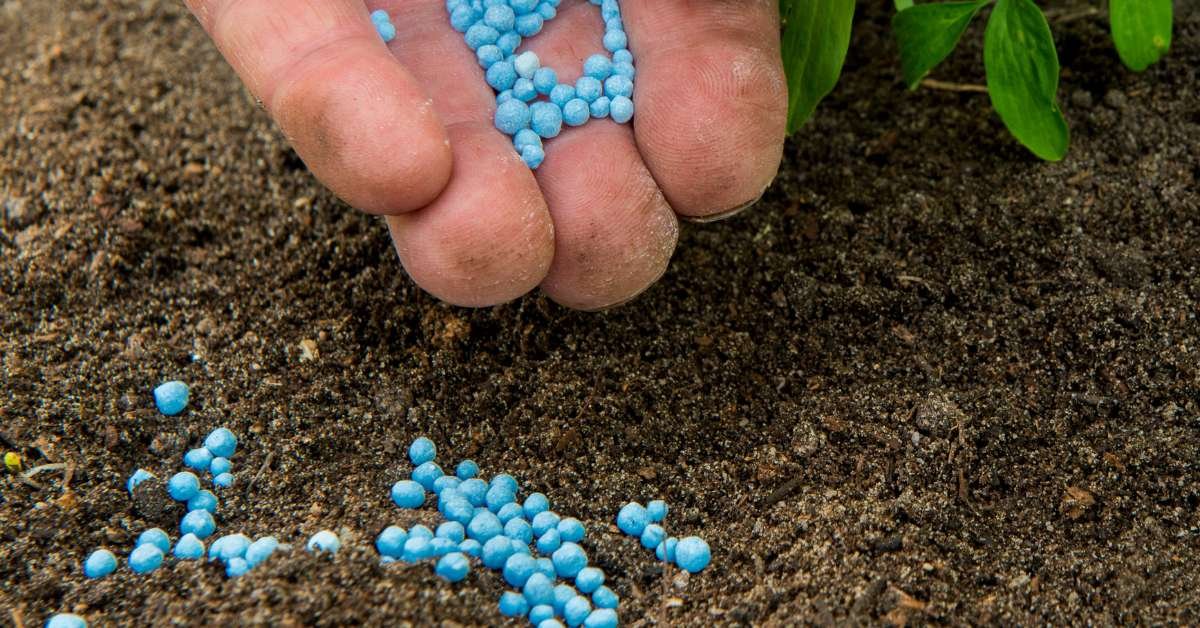
To make it easy, here’s the frequency most balcony gardeners can follow without overthinking:
Liquid Fertilizer
- Every 2 weeks in spring & summer
- Every 3–4 weeks in the fall
- Once a month (or none) in winter
Liquid fertilizers work fast because the nutrients go straight to the roots.
Slow-Release Granules
- Once every 2–3 months
You sprinkle them once and forget. Perfect if you are busy and can’t monitor weekly.
Organic Compost / Vermicompost
- Every 30–45 days
Just add a handful and mix lightly.
For Fruiting Plants
(Tomatoes, chillies, peppers, strawberries) Every 10–14 days, once they start flowering
Leafy Greens
- Every 10–14 days because they grow fast
If you follow seasonal gardening, you can also read: Summer balcony plant care tips
Best Fertilizers for Balcony Plants (Based on Plant Type)
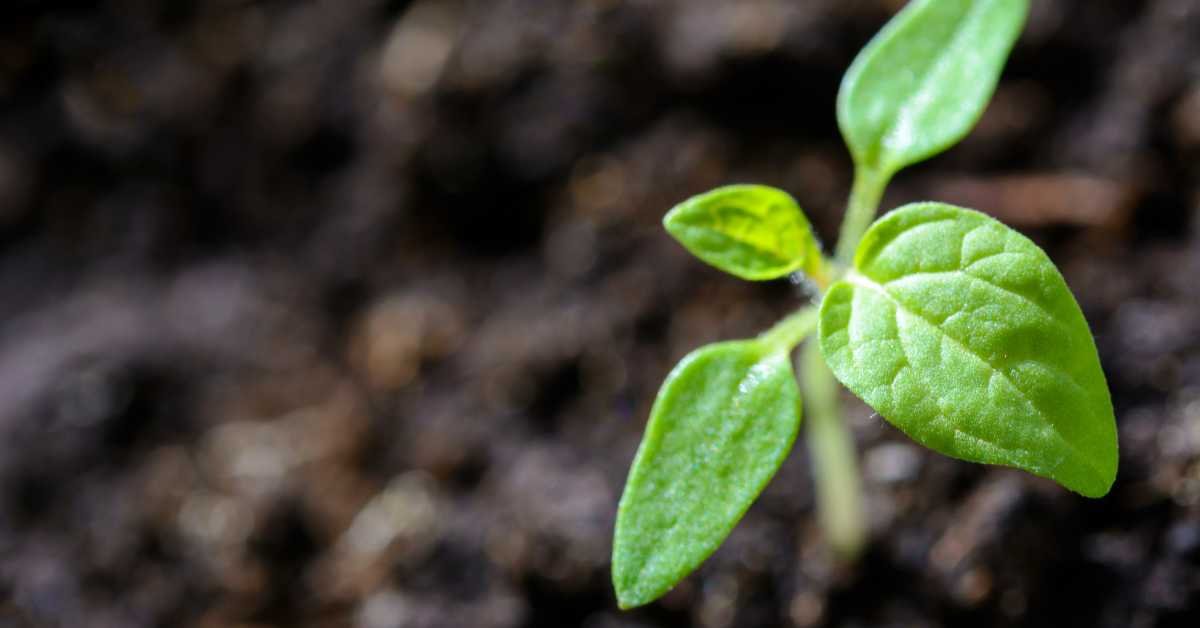
Fertilizer for Leafy Greens & Herbs
Basil, coriander, mint, spinach, fenugreek, lettuce — these need more nitrogen. Nitrogen grows lush, green leaves and helps leaves stay bigger and tender.
You can use:
- 12-3-6
- 16-5-5
- Any fertilizer labeled “for leafy growth”
Herbs especially like a lighter but more frequent feed. Also, avoid overfeeding mint. It grows wild even with little fertilizer, but basil and coriander need light nitrogen.
For the herbs list, see: best herbs for a balcony garden.
Fertilizer for Flowering Plants
Petunias, marigolds, roses (balcony type), jasmine, geraniums — these need more phosphorus and potassium to form buds. If you only give nitrogen, they’ll grow leaves but not flowers.
Use fertilizers like:
- 5-10-5
- 10-20-20
- Bloom booster (PK-heavy)
Give every 2 weeks.
Fertilizer for Fruiting Plants
Tomatoes, chillies, peppers, and strawberries need higher potassium for fruit formation.
Use:
- 4-6-8
- 5-10-10
- Tomato-specific fertilizers
I prefer giving fruiting plants a little compost + PK fertilizer every 12 days for best results.
For vegetable-growing ideas, check: best vegetables for balcony garden.
Best Fertilizer for Mixed Balcony Gardens
If you grow everything — leafy greens, herbs, a few flowers, one or two tomatoes — then pick a balanced fertilizer. These work for almost any plant:
- 10-10-10
- 14-14-14
- 20-20-20 (just dilute more)
Balanced fertilizers keep everything stable.
How to Know Your Balcony Plants Need Fertilizer
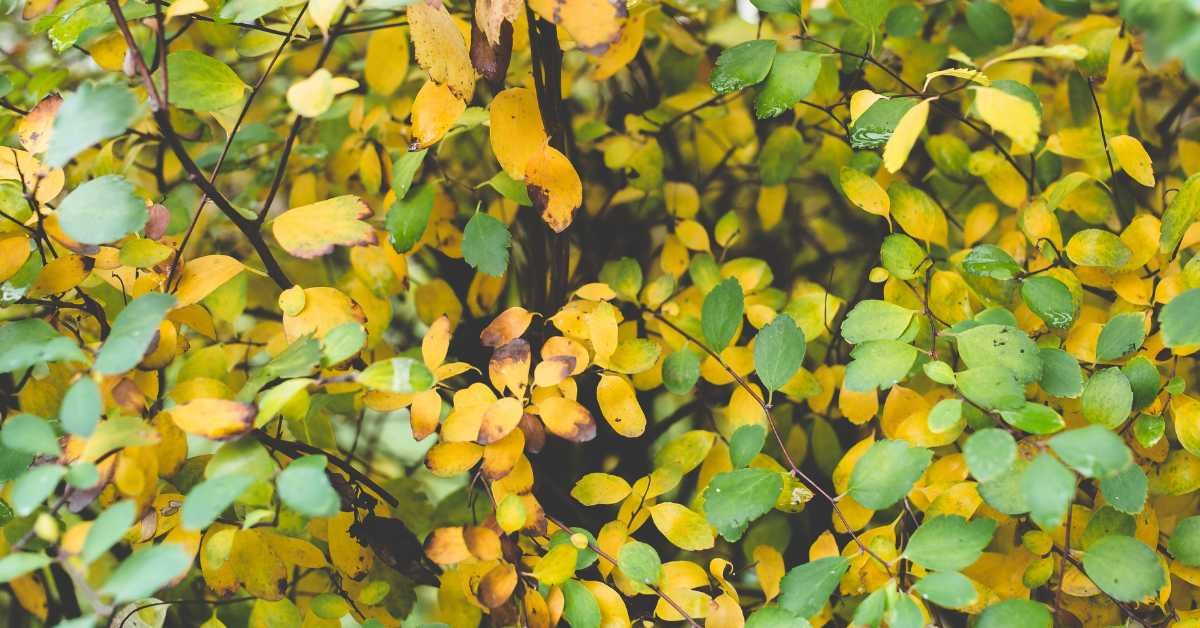
Plants show very clear signs if they are hungry.
- Leaves Turning Pale Green: Lower leaves become lighter first → nitrogen deficiency.
- Very Slow Growth: If the plant hasn’t grown new leaves in 2–3 weeks during warm weather.
- Flowers Not Forming: Or they form tiny buds that drop → low phosphorus and potassium.
- Soil Looks Weak & Dry: Color becomes light brown or grey-ish.
- Small Leaves & Thin Stems: Classic sign of nutrient deficiency.
- Fruiting Plants Drop Flowers: Tomatoes and chillies drop buds when nutrition is low.
- Leaves Yellow Between Veins: This is a magnesium deficiency.
Once you understand these signs, you don’t need a fixed calendar — you feed based on what the plant is telling you.
6 Homemade Fertilizers for Balcony Plants (Easy Ones)
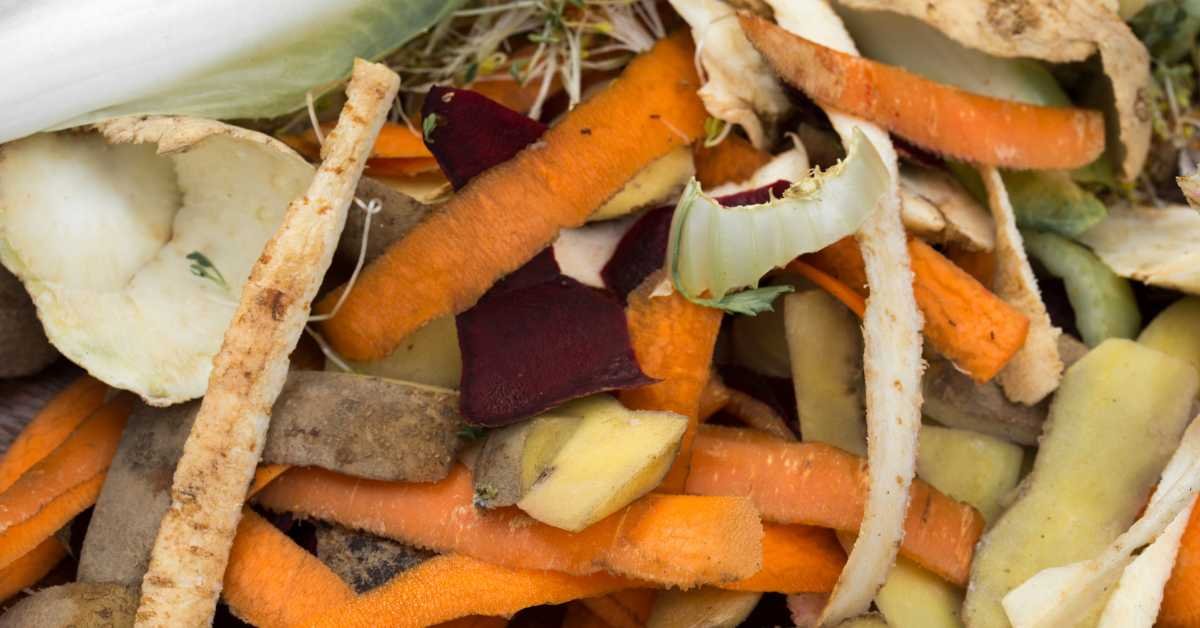
If you want to use natural fertilizers or save money, these homemade ones are actually good.
Compost Tea
One of the best homemade liquid fertilizers.
- 1 cup compost
- Soak in 2–3 liters of water
- Steep for 24 hours
- Strain and use
Use every 2–3 weeks.
Banana Peel Water
Best for flowering and fruiting plants.
- Soak banana peels in water for 2 days
- Use on flowering plants monthly
Eggshell Powder
Excellent for calcium, especially tomatoes.
- Crush dried shells
- Grind to powder
- Add 1–2 tablespoons per pot once a month
Fish Emulsion
Very strong, so dilute carefully.
- Use once every 3–4 weeks
- Great for vegetable plants
Epsom Salt
- Use only if needed.
- Mix 1 teaspoon per liter of water → once every 4–6 weeks.
Used Tea Leaves (Rinsed)
- Good nitrogen boost.
- Don’t use them raw; wash first to remove tannins.
How to Apply Fertilizer to Balcony Plants (Simple Method)
Here’s the safest and easiest way:
- Water the Soil First: You should never fertilize dry soil. It will burn roots.
- Add Liquid Fertilizer: You have to mix it in water, then you can pour it around the base.
- For Granules: Sprinkle around the top and also mix it with your fingers.
- Water Lightly Again: This will help nutrients reach roots.
- Observe Plants: Within 7 to 10 days, you should see greener leaves or new growth.
Fertilizing Mistakes Balcony Gardeners Should Avoid
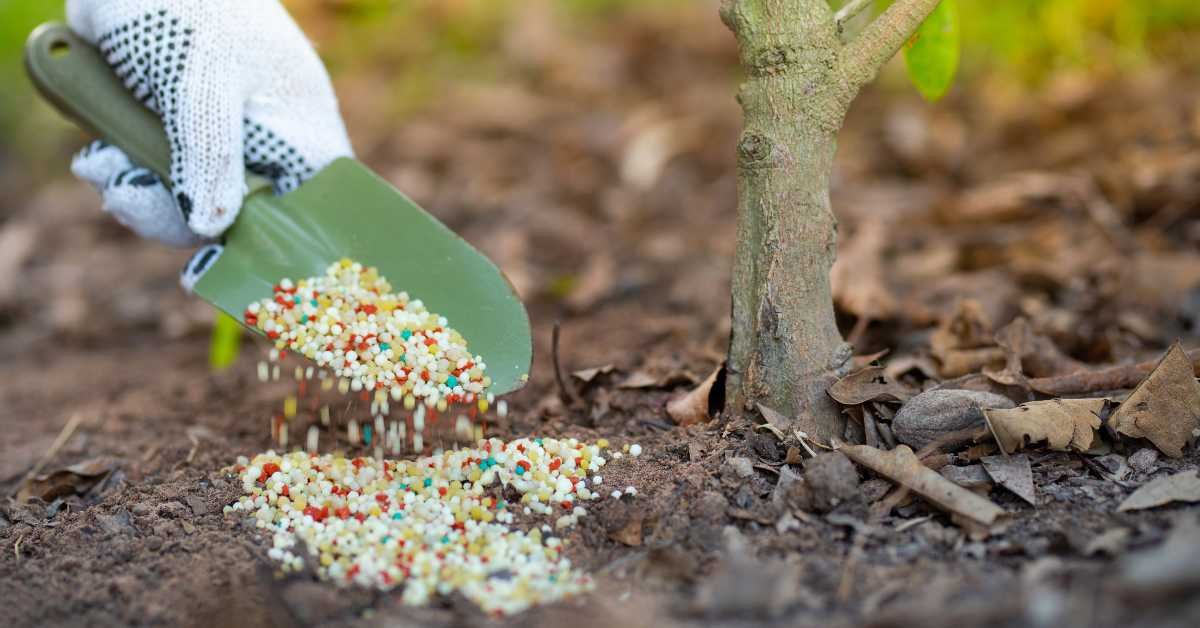
You don’t need to do much wrong — one mistake can set plants back for weeks.
Over-Fertilizing
Most common mistake.
Signs: burnt leaf tips, dryness, soil crust.
Feeding During Heatwaves
Plants are stressed in high heat and cannot absorb nutrients.
Fertilizing Immediately After Repotting
Fresh soil already has nutrients. Wait 10–14 days.
Feeding When Soil Is Waterlogged
Root rot risk increases.
Using Only Organic Fertilizers for Heavy Feeders
Tomatoes and chillies need extra PK.
Ignoring Micronutrients
Iron, calcium, and magnesium are also important.
Fertilizer Schedule Based on Plant Type
Let’s make it very easy to follow.
Leafy Greens
- Every 10–14 days
- Nitrogen-rich feed
- Compost tea every 2 weeks
If you have a very small balcony and want everything organized, you can see: small balcony garden layout ideas.
Herbs
- Light feeders
- Every 3–4 weeks
- Avoid overdoing nitrogen
Herb care: best herbs for a balcony garden
Flowering Plants
- Bloom booster every 2 weeks
- Banana peel water monthly
Tomatoes, Chillies, Peppers
- Heavy feeders
- Every 10–14 days
- PK-heavy fertilizer after flowering
Indoor-Type Balcony Plants
- Once every 4–6 weeks
- Mild balanced fertilizer
Succulents
- Once every 6–8 weeks
- Very diluted feed
Perfect Fertilizing Routine for Any Balcony
If you want one simple routine to follow without thinking too much:
- Every 2 weeks → liquid fertilizer
- Every 30 days → compost
- Every 3 months → slow release granules
- Once a month → banana peel water (for flowers)
- Every 2 months → Epsom salt (only if needed)
This routine keeps the soil active and covers all nutrients.
Soil and Fertilizer Work Together
Even the best fertilizer won’t work if the soil is compact or drains too fast. Balcony plants need light, airy, well-draining soil. If your soil stays soggy or becomes hard, fertilizers won’t reach roots properly.
For a proper soil mix, you can check: best soil for balcony plants.
Seasonal Fertilizing for Balcony Plants
Spring
This is the time when plants wake up and start growing.
- So you have to feed lightly
- Provide balanced fertilizer every 2 weeks
- It will encourage new shoots
Spring ideas: Spring balcony planting ideas
Summer
- You have to dilute fertilizers by 30%
- Feeding in the early morning or late evening is also good
- Don’t fertilize during extreme heat
For overall summer care: Summer balcony plant care tips, you can follow these tips.
Fall
- Lower nitrogen
- Strengthen root systems
Fall guide: Fall balcony gardening guide
Winter
- You have to reduce feeding
- Do it just once a month or skip if it’s too cold
Winter tips: balcony gardening tips for winter season
How to Know Fertilizer Is Working
When you successfully fertilize your plants, that’s what you will notice after 7–15 days:
- New, fresh green leaves
- Faster growth
- Stronger stems
- More buds
- Better fruiting
- Soil looks more alive
If you do not notice any change, then check watering, root space, soil quality, or fertilizer strength.
Conclusion
Fertilizing balcony plants is not something you need to stress about. You just want to keep it simple: feed them lightly, do it on time, and don’t use too many different things together.
Because in pots, nutrients wash out fast, so if you stay regular with your routine, your plants will stay green, grow bigger, and give you more flowers or vegetables.
And once you learn what your plant is trying to say through its leaves or growth, you don’t even need a schedule — you’ll just know it’s time to feed. That’s it.
Keep it simple, don’t overdo anything, and your balcony garden will stay healthy.
FAQs
What if I forget to fertilize for a few weeks?
Nothing serious will happen. You just won’t see much new growth. Just start again normally — don’t double the dose.
Plants in pots get stressed if you try to “catch up” with extra fertilizer.
Should I fertilize when the soil is already wet or dry?
Never when dry. It burns the roots. Just water a little first and then feed. If the soil is slightly moist, that’s perfect.
My plants are growing leaves but no flowers — what should I do?
Stop giving nitrogen-heavy fertilizers. Switch to a bloom booster or anything higher in phosphorus/potassium.
Also, avoid overwatering. Flowering plants drop buds fast when the soil stays wet.
Is it okay to fertilize in extreme heat or when the plant looks stressed?
No. If the plant is droopy from the heat or the soil is too hot, wait. Feed early morning or evening when the plant feels normal. Fertilizing a stressed plant usually does more harm.

I’m Abraham creator of Balcony Gardening Ideas. I share balcony gardening tips, DIY projects, and hands-on plant care guides based on my own balcony garden experience. I grow vegetables, herbs, and flowers using organic methods and simple setups anyone can follow.