When you are gardening on a balcony and it suddenly starts raining for days… your plants, soil, pots, and even your apartment floor can go through a lot.
Rain can be incredibly helpful, but it can also damage roots, wash out soil, cause fungus everywhere, and flood your balcony if you don’t prepare things correctly.
So, below I’m explaining everything that actually matters when maintaining a balcony garden during rainy weather.
How rain affects balcony plants
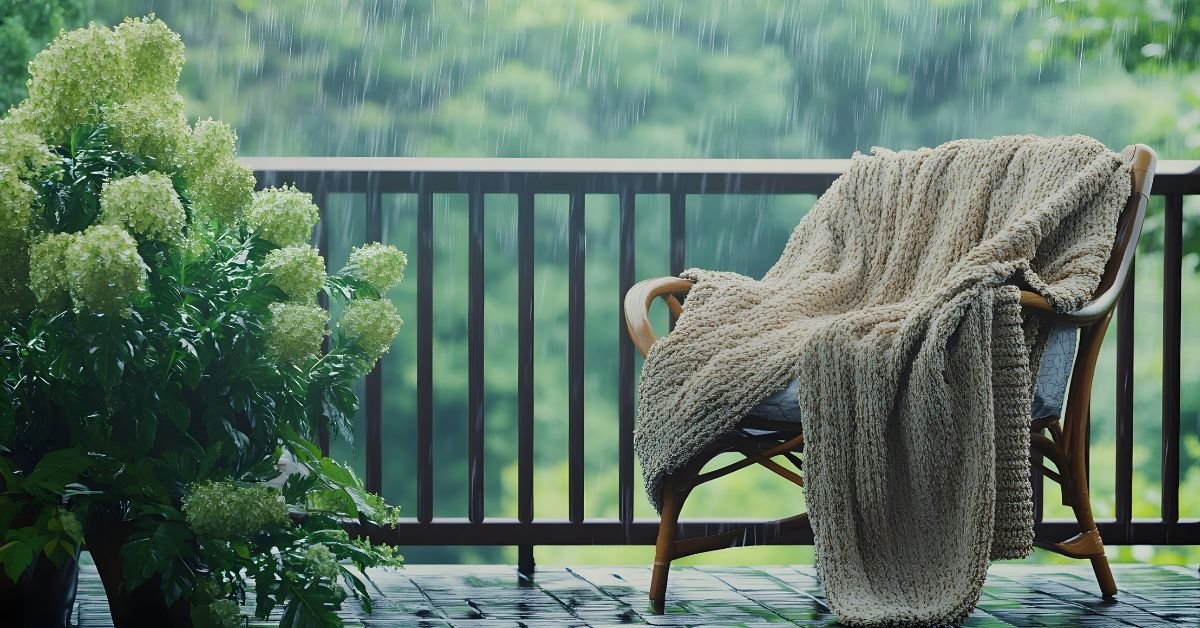
Rain gives plants soft, mineral-free water that boosts growth, but heavy rain leads to overwatering, root rot, nutrient loss, and weak stems. If you live in an apartment or have a small balcony, the main things you want to focus on are:
- Prevent waterlogging
- Keeping your soil breathable
- Protecting delicate plants
- And making sure your balcony doesn’t get messy or slippery
Once you manage those things, the rainy season actually becomes the easiest time to grow leafy vegetables and low-maintenance plants.
1. Get your balcony ready before heavy rain starts

Fix your drainage first (this is the biggest priority)
If your drain blocks for even an hour, the whole balcony will start filling with water. And when water doesn’t move, it leads to mud, smells, fungus, mosquitoes, and water entering your home.
Clear the drain, clean debris around it, and make sure the flooring is not blocking its flow. Even a very small tilt in the flooring helps a lot.
You also want enough breathing space around pots so water doesn’t get trapped beneath them.
A well-planned balcony arrangement (like placing tall pots behind and lighter pots in front) helps water move easily across the floor.
Lift every pot off the floor
Never place pots directly on the floor during the rainy season. All water collects under them and has nowhere to go.
Use:
- Bricks
- Small stands
- Wooden strips
- Metal pot feet
This keeps the bottom holes free and stops roots from sitting in stagnant water.
Protect the side where rain hits the hardest
Sideways rain is what damages balconies the most. When the wind pushes rain inside, it hits your plants directly, washes soil out, and sometimes even damages walls.
Use a transparent sheet, roll-down blind, or any waterproof cover on that side only. You don’t want to cover the entire balcony because plants still need airflow.
If your balcony doubles as a small sitting area, you can keep it cozy by arranging planters in a way that doesn’t block the space.
Many people use compact setups, like in balcony garden setup ideas, which keep plants organized without cluttering the space.
2. The right soil mix during the rainy season (don’t skip this)
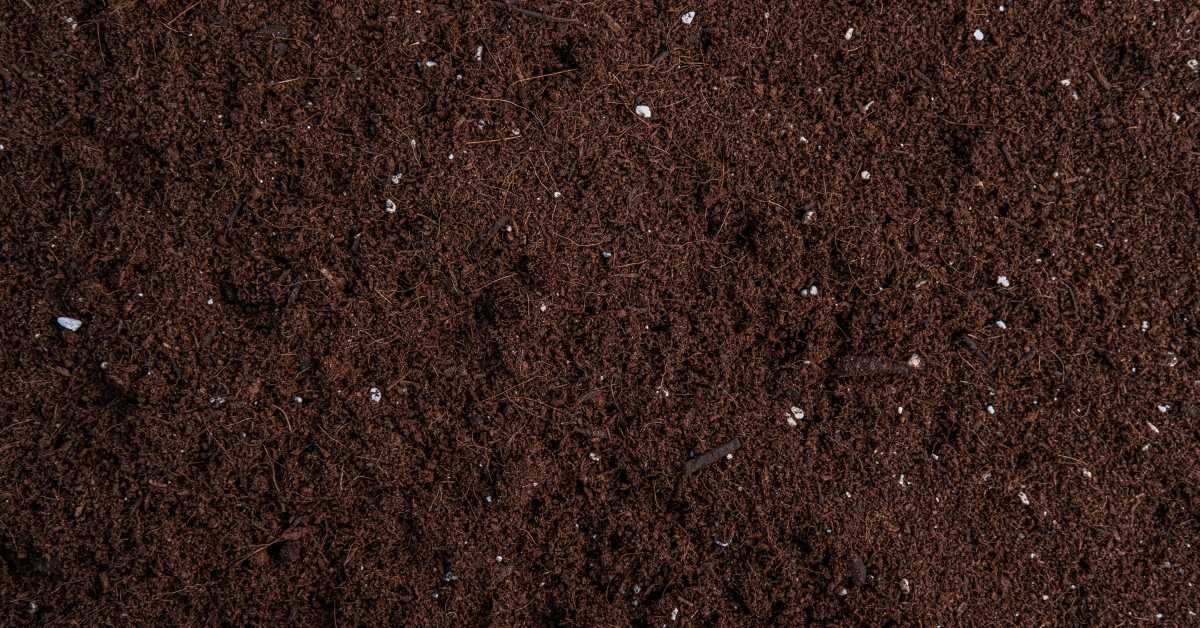
Your soil needs more drainage during the monsoon. If the soil becomes dense, it traps water, and roots suffocate.
Rain-friendly soil mix
- 40% potting soil
- 30% compost
- 20% cocopeat
- 10% perlite or coarse sand
This mix drains fast but retains enough moisture for healthy growth.
If you want to compare how different mixes work depending on pot size and sunlight, the best soil for balcony plants breaks down the differences. You’ll understand the type of soil that keeps water moving instead of sitting.
Avoid:
- Clay soil
- Pure cocopeat
- Garden soil without amendments
- No drainage holes
Those stay wet for far too long during the rainy season.
3. Stop soil from washing out of your pots
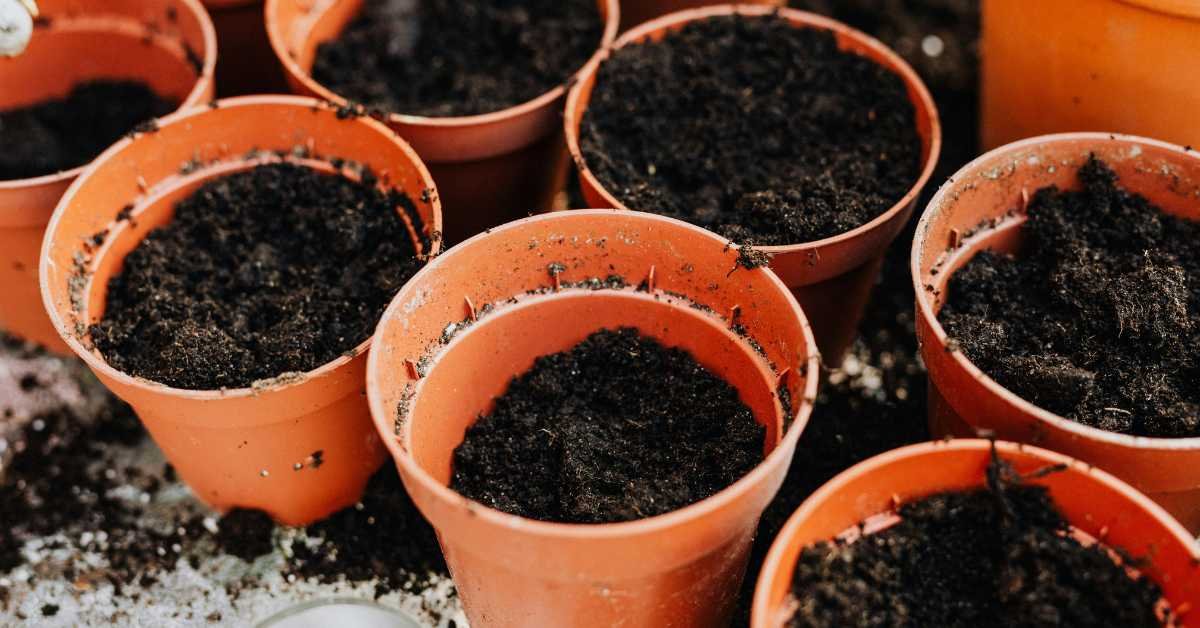
Heavy rain directly hitting the soil will splash it everywhere. It creates a mess, and your pot loses nutrients too quickly.
To prevent that:
- Add a thin mulch layer (dry leaves, coco chips, straw)
- Move pots slightly inward during very strong rainfall
- Use heavier topsoil in shallow containers
- Keep lightweight grow bags under a small roof or table
Mulch protects the surface and reduces splash. It keeps nutrients inside the pot instead of flowing away.
4. Which plants should stay outside, and which must be protected
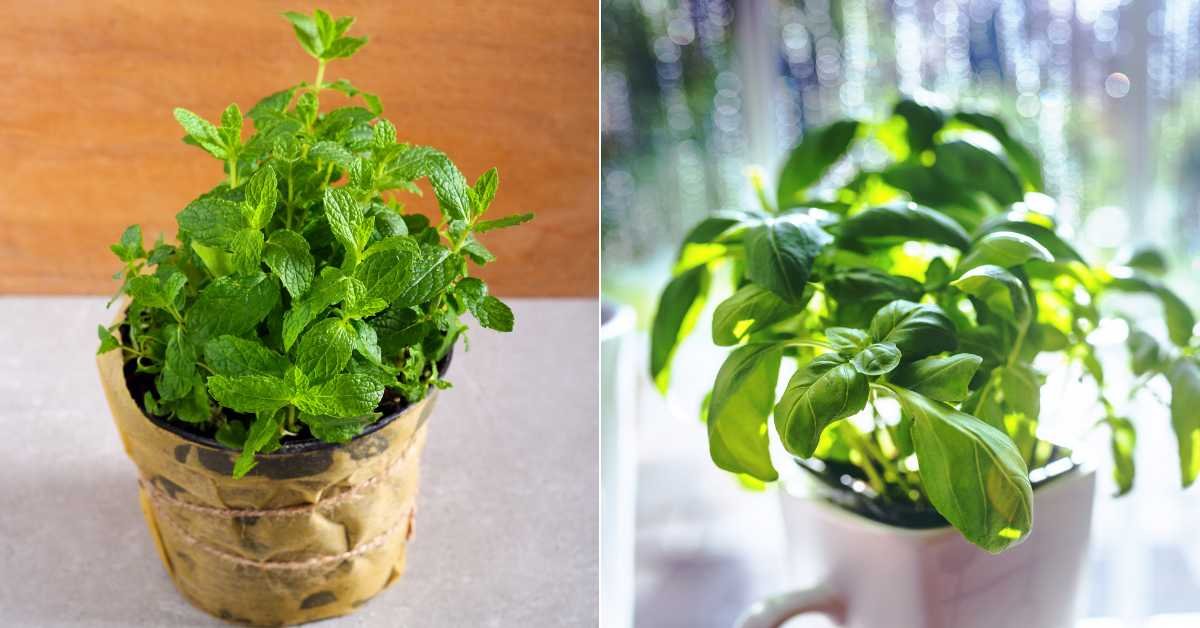
Plants that handle rain well:
- Mint
- Methi
- Spinach
- Lettuce
- Curry leaf
- Beans
- Money plant
- Lemongrass
Leafy vegetables especially respond well to soft rainwater. If you want to pick the easiest crops to grow during this season, you can look at the best vegetables for balcony garden, because most of those plants handle the monsoon very well without extra effort.
Plants that must stay sheltered:
- Basil
- Succulents
- Jade
- Cactus
- Flowering plants with delicate blooms
- Seedlings
- Oregano/thyme
- Plants in very small pots
Keep these under shade or inside your home when the rain becomes too strong.
5. Prevent overwatering (the most common mistake)
Rain + your own watering = double trouble.
During the monsoon, the rule is simple:
Water only when the top 1 inch feels dry
Even if it rains daily, some pots dry faster, especially herbs and small containers.
Tips to avoid overwatering:
- Always empty the pot plates
- Don’t keep saucers full
- Lift pots so drainage holes stay open
- Avoid watering late in the evening
Rainwater is good for plants, but too much water means zero oxygen inside the soil.
6. Protect your plants from wind damage
Storm winds snap stems faster than rain does.
What you should do:
- Tie tall plants using a soft cloth or jute string
- Group lightweight pots together
- Move fragile plants to the back side of the balcony
- Keep heavier pots near corners so they don’t fall
- Use a net or mesh on extremely windy days
Even a small change in the placement can save your plants from breaking.
If you like keeping your balcony aesthetically balanced while making space for safety, small cozy balcony setup ideas show how to mix furniture and plants without creating a hazard during wind or rain.
7. Fungal problems during rainy season (how to stop them early)
Humidity + wet soil = fungus everywhere.
Signs to look for:
- White powder on leaves
- Brown spots
- Mushrooms
- Yellow lower leaves
- Slime on soil
How to prevent fungus:
- Improve airflow
- Remove dead leaves daily
- Keep pots slightly apart
- Use neem oil spray once a week (evening)
- Stir the topsoil lightly so it breathes
Quick treatment if the fungus already appears:
- Remove the top 1–2 cm of soil
- Add fresh compost
- Let the pot dry for a day
- Start watering slowly again
This alone fixes 70% of fungal issues.
8. Avoid nutrient loss in continuous rainfall
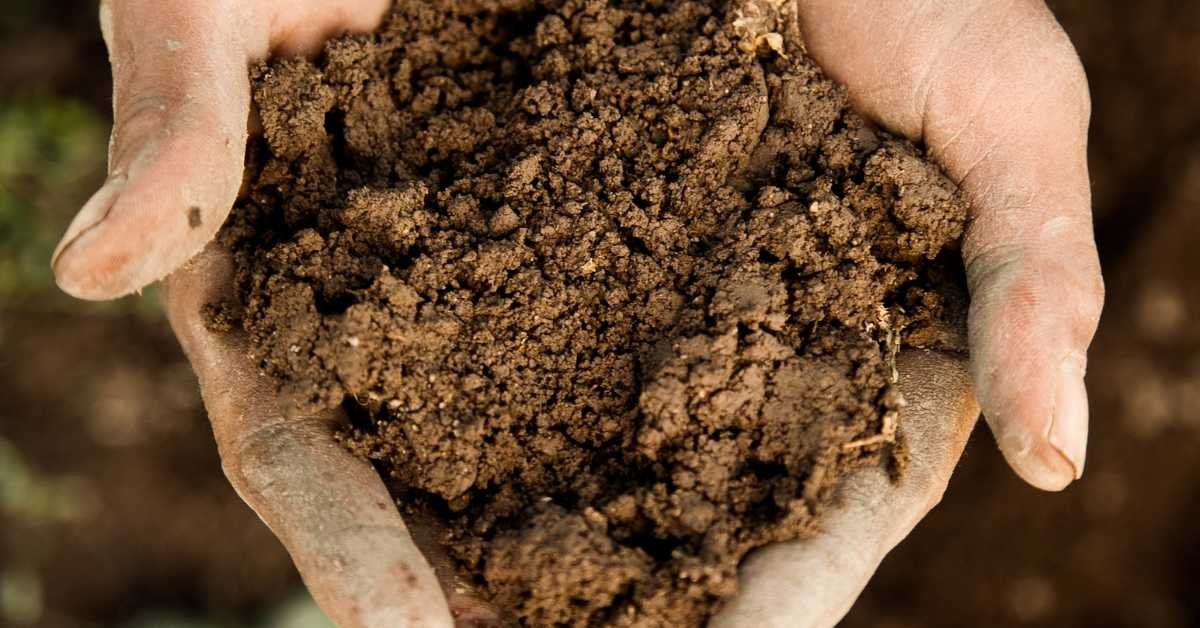
Heavy rain washes compost and nutrients out of the soil.
What you should do:
- Add a small handful of compost every 15–20 days
- Add seaweed solution once a month
- Add a tiny layer of mulch
- Replace the top 1 inch of soil every 3–4 weeks if it looks washed away
- Avoid chemical fertilizers (they burn roots during wet conditions)
Signs of nutrient washout:
- Light green leaves
- Slow growth
- Plant looking “thin”
- Soil level dropping
During the monsoon, less is more. Slow feeding works best.
9. Daily rainy-season routine for balcony gardeners
This makes everything easier:
Every day
- Check for waterlogged pots
- Empty saucers or trays
- Remove dead/wet leaves
- Clean fallen leaves from the floor
- Check drain flow
- Look for fungus or insects
Every week
- Add a bit of compost
- Prune long stems
- Rotate pots
- Clean railing planters
- Spray neem oil
Every month
- Replace topsoil
- Add slow-release plant food
- Clean shelves, racks, and corners
A simple routine keeps the whole balcony manageable even in heavy rain.
10. Keep your balcony clean and safe
The rainy season turns balconies messy quickly, so you want to prevent buildup.
Things that help:
- Avoid keeping cloth mats (they stay soggy)
- Keep rubber or plastic mats instead
- Sweep after heavy rain
- Do not let algae form near the drain
- Don’t leave any corner wet
A small balcony feels fresh when water moves out quickly and no soil splashes around.
Which plants to grow during the rainy season on a small balcony
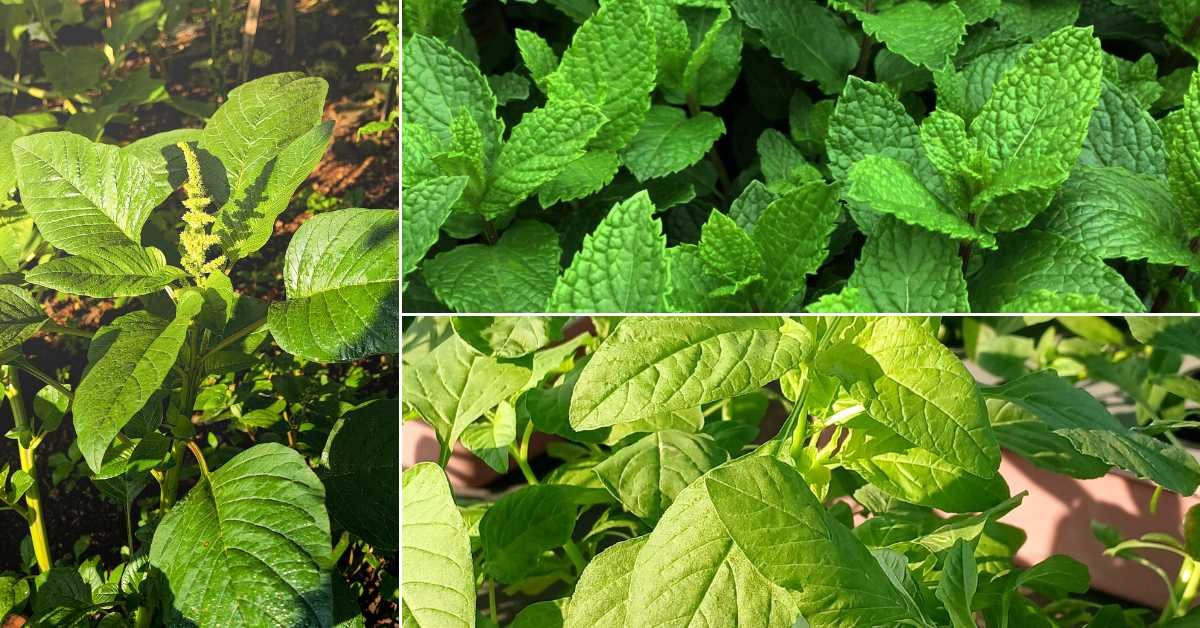
Best leafy vegetables for this time:
- Spinach
- Lettuce
- Methi
- Palak
- Amaranth
Best herbs that handle rain well:
- Mint
- Lemongrass
- Curry leaf
If you want low-effort vegetable ideas that survive busy schedules and unpredictable weather, low-maintenance balcony vegetable garden ideas contain several varieties that fit rainy-season gardening very well.
Things you should never do during the rainy season
Avoid these mistakes to keep the balcony stable:
- Don’t repot during heavy rain
- Don’t keep pots touching each other
- Don’t use chemical pest sprays (rain washes them into soil)
- Don’t leave seedlings outside
- Don’t add too much fertilizer
- Don’t block any drainage route
- Don’t place grow bags directly on the floor
Small precautions prevent bigger damage.
Create a balanced balcony setup during the monsoon
Your balcony shouldn’t become chaotic just because it’s raining. Even during the monsoon, you can keep it organised by using:
- Railing planters
- Vertical shelves
- Corner racks
- Hanging baskets (under shade)
- A small waterproof seating area
If you ever decide to create a space that is both weather-resistant and still comfortable to sit in, balcony garden setup ideas help you combine plants and decor without sacrificing safety during storms.
Conclusion
In the rainy season, balcony gardening actually becomes much easier, but only if you handle water properly.
Rainwater itself is perfect for plants, but the extra moisture, humidity, and wind can mess things up fast.
So once you keep your drainage clean, pots lifted, soil breathable, and sensitive plants under a little shade, everything becomes smooth.
Just follow the basics daily, don’t let water sit anywhere, remove yellow leaves, and keep airflow good. If you do all this, your plants will grow even faster during rain, especially leafy stuff.
FAQs
Should I keep my plants out in the rain or bring them inside?
It depends on the plant. Mint, spinach, methi, curry leaf — leave them outside. They actually grow better.
But herbs like basil, small seedlings, succulents, and any weak plants… bring them under shade or inside when the rain gets too heavy. They won’t survive continuous water.
How do I know my plant got too much water?
If the leaves start turning pale or yellow from the bottom, or the soil stays wet for days, then it’s overwatered.
Sometimes you’ll also see fungus on the top layer. Just let the pot dry a bit, improve airflow, and stop watering until the upper soil feels dry.
Soil keeps splashing everywhere when it rains. What should I do?
Add a thin mulch layer — dry leaves, coco chips, small stones, anything you have. And move the pots slightly inward so rain isn’t hitting directly.
After that, splashing stops almost completely.
Can I fertilize during the rainy season?
Yes, but very little. Heavy rain already moves nutrients around, so you don’t want to overload plants.
Just add a handful of compost every 15–20 days and a light liquid feed once in a while. That’s enough during the monsoon.

I’m Abraham creator of Balcony Gardening Ideas. I share balcony gardening tips, DIY projects, and hands-on plant care guides based on my own balcony garden experience. I grow vegetables, herbs, and flowers using organic methods and simple setups anyone can follow.