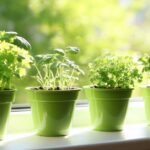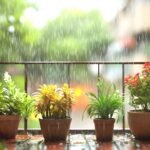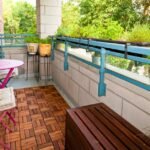
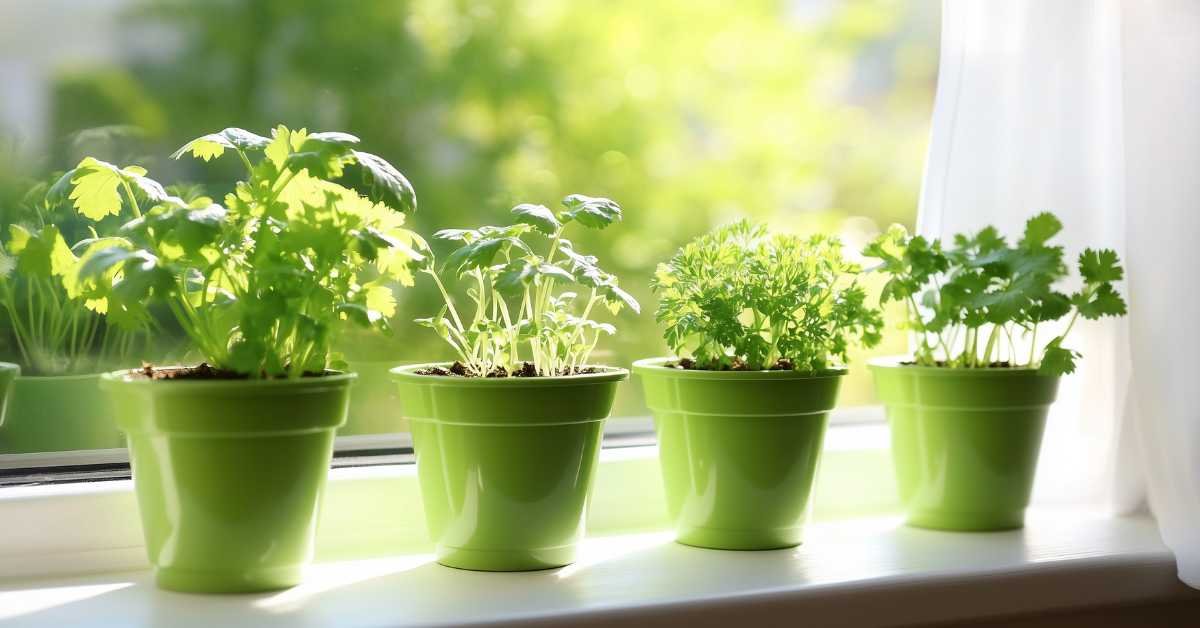
Along with the vegetables and a few fruits, I’ve also been growing herbs on my balcony for the last five years. In the balcony, they get good light, air, and have enough space, and because of that, I have personally not faced any problem.
Besides this, I also have some indoor plants, and they are fine too.
But from my past experiences, like even before I started doing that on my balcony, I know what mistakes you might be making that are not letting your herbs grow indoors.
When herbs don’t grow indoors, then chances are high that you are not providing proper light or air quality is not good inside of your home or the pot is not good.
There are some more problems or mistakes that you might be making.
So in this post, I will tell you why your indoor herbs are not growing and what you can do to grow them properly.
Lack of Light Is the First Problem
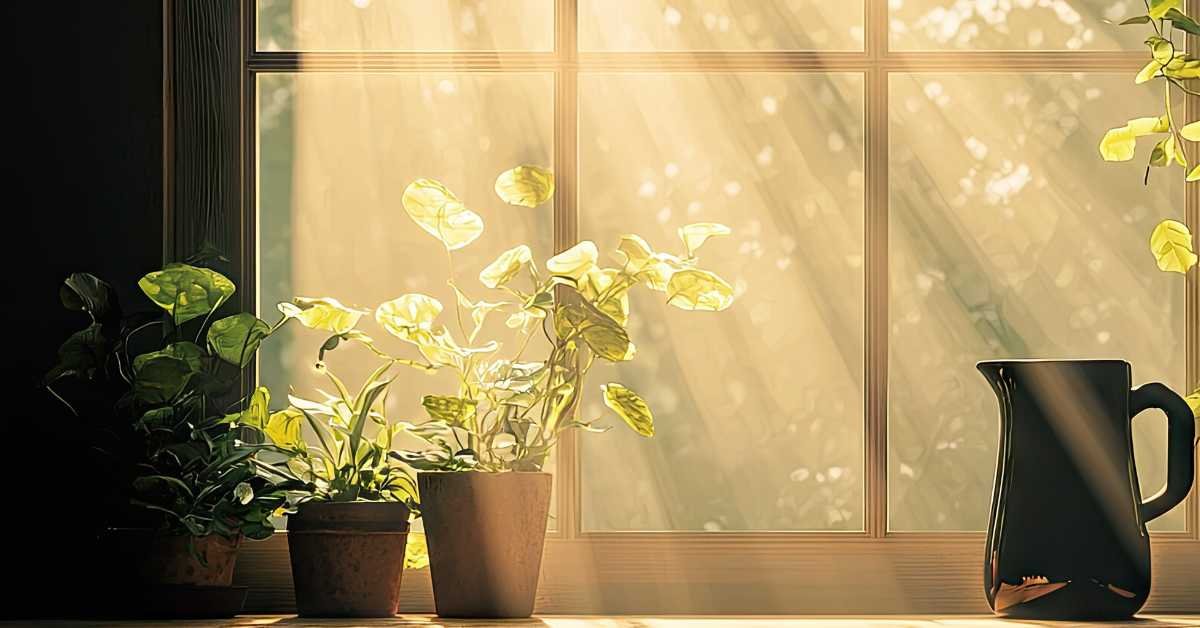
When we grow herbs outdoors, like on the terrace or I do on the balcony, our herbs get good sunlight.
On the other hand, if you are growing in the room, even if there is bright light, it might not be enough for your plant.
So, indirect sunlight is also fine, but if the herb is not growing properly, you either have to use herbs based on the current light or go with different approaches.
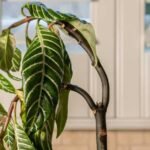
To ensure that lack of light is really a problem, see if your plant is stretched upward or leans towards the light (wherever it’s coming from, like the window side)
Besides this, your plant’s stems might be thin and pale, or there might be widely spaced leaves.
These are the common signs that indicate the plant is not getting proper sunlight.
So what can you do?
First of all, you can put your plant directly on the window shelf or move the plant to a position where it can receive more sunlight.
Secondly, you can go with a different option.
You can get LED grow lights and place them about 10 inches above your plant.
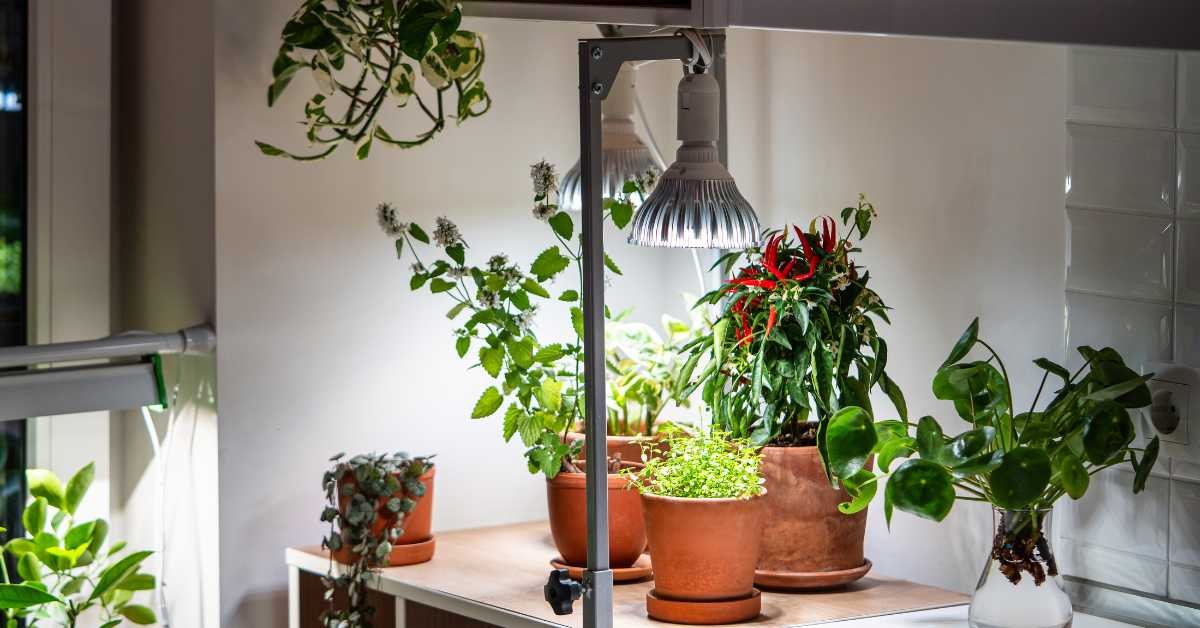
You have to keep those LED grow lights on for 12 hours to grow your indoor herbs.
But it also depends on whether your herbs are receiving a little bit of sunlight, so you can reduce the hours of artificial light that I told you to provide to your plant.
So you have two options. Change the position of your plant to a more sunlight area or get more light to grow herbs.
Also read: What Happens When You Grow Indoor Plants Outside on a Balcony
Your Way of Watering Might be a Problem
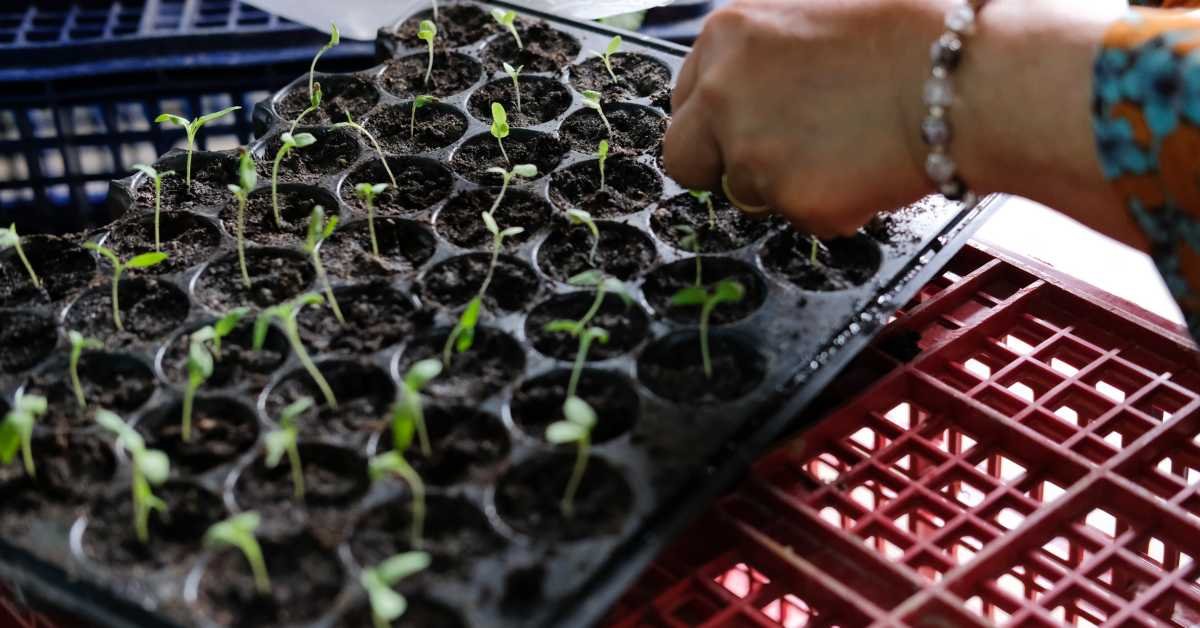
Providing too much or too little water is not good for the plant, and it won’t let your indoor herbs grow.
You may want to look at some signs that are caused by overwatering.
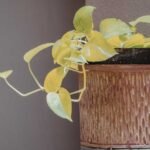
Look at whether your plant’s leaves are turning yellow, or if stems are dropping, or the growth is stuck, like not completely but slow, it means you are providing too much water.
Or if your leaves are turning yellow and a little crispy or brownish, then it means you are not providing enough water as it needs.
So, I want you to follow a simple method that I have followed for a long time.
I first touch the soil with my finger and see if one inch of soil is dry or not.
If it is dry, then I provide it with water. If it is not, I do not provide water because if I do. It will be called overwatering. If I don’t, it will be underwater.
And more importantly, when you provide water, like if you find the mistake, make sure when you pour water into your pot, it should start coming out from the bottom (drainage hole).
It would mean water is enough for your plant.
Secondly, you can also look at your specific herb.
For example, Mediterranean herbs like rosemary and oregano are okay in dry soil.
On the other hand, if you are having basil or cilantro, they will need constant moisture, but not the soggy soil.
So, you can check on the internet about the requirements for your specific herb. As I said, some need more water, and some need less. If you’re buying from a local nursery, you can also ask them about your plant’s requirements.
Take a Look at Pots and Soil
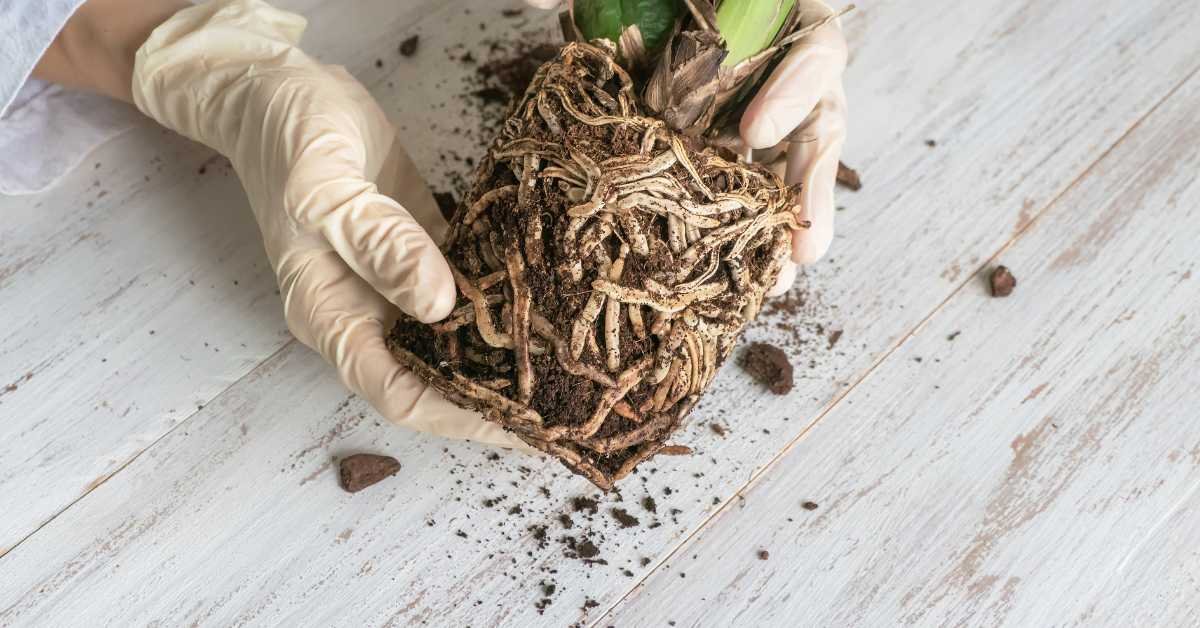
If both light and watering are okay, but still your indoor herbs are not growing, then it means the problem might be your pot or maybe the soil in the pot.
Because most of the time, problems in a plant start from the root.
Number one, you have to make sure there is a drainage hole at the bottom of your pot, at least one.
If you have made that hole manually at home, make sure it is big enough that it lets extra water get out of it.
Besides this, garden soil needs to be a light, well-draining potting mix. This is what herbs like.
They are not okay in dense garden soil, as it can hold too much moisture. Which indoor herbs are not often comfortable, and because of this, the roots will struggle to breathe, growth will slow down, and this will prevent your plant from growing.
One more thing, you should look at your pot size.
If it is too small and your plant is getting bigger day by day, then at some time it will reach a certain point where it won’t have too much room to spread its roots, and the roots will start bonding.
And when it happens, the growth will start slowing down.
It won’t suddenly decline your plant, but gradually you will see the effect.
That’s why I recommend that you get a suitable pot for your plant.
Also, if you are not sure about your pot or soil, then if you already have it at home, you can search on the internet, or if you are going to buy, you can ask about that from a local nursery.
And if you have bought it online, you can go from wherever you have bought it, like from Amazon, and go to the plant description page, where you will find the requirements and many other useful pieces of information about that particular plant or variety.
Because sometimes the same plant or herb has different varieties.
Indoor Air Might Not Be Plant-Friendly
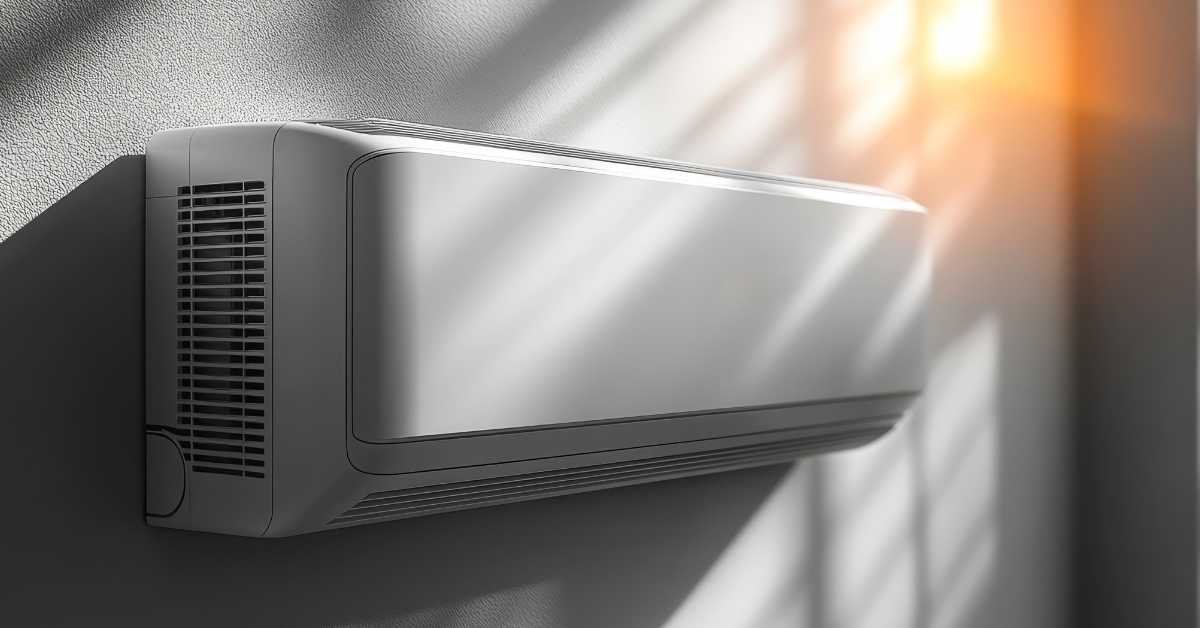
By default, indoor air is not as good as outdoor air. I have vegetables, herbs, and fruits in my balcony, so they receive proper air and like naturally different temperatures in the day and at night, and good humidity.
On the other hand, indoor air is sometimes dry and stagnant, and we sometimes control it artificially.
For example, in summer, we have the air conditioner on. So our home is cold, and most of the time the plant is receiving the same temperature.
Therefore, it’s not getting the benefit that it would get from outside.
And dry air indoors might also make your plants’ leaves turn brown or curl, especially during air conditioning or in a winter with heating.
Because the climate is completely different.
And now I’m not saying that you should make your house like a greenhouse to fit all these things.
But to get rid of that dry air, you should place a shallow tray with water at the bottom of your pot and make sure there is a little gap between the bottom of your pot and the water in the tray.
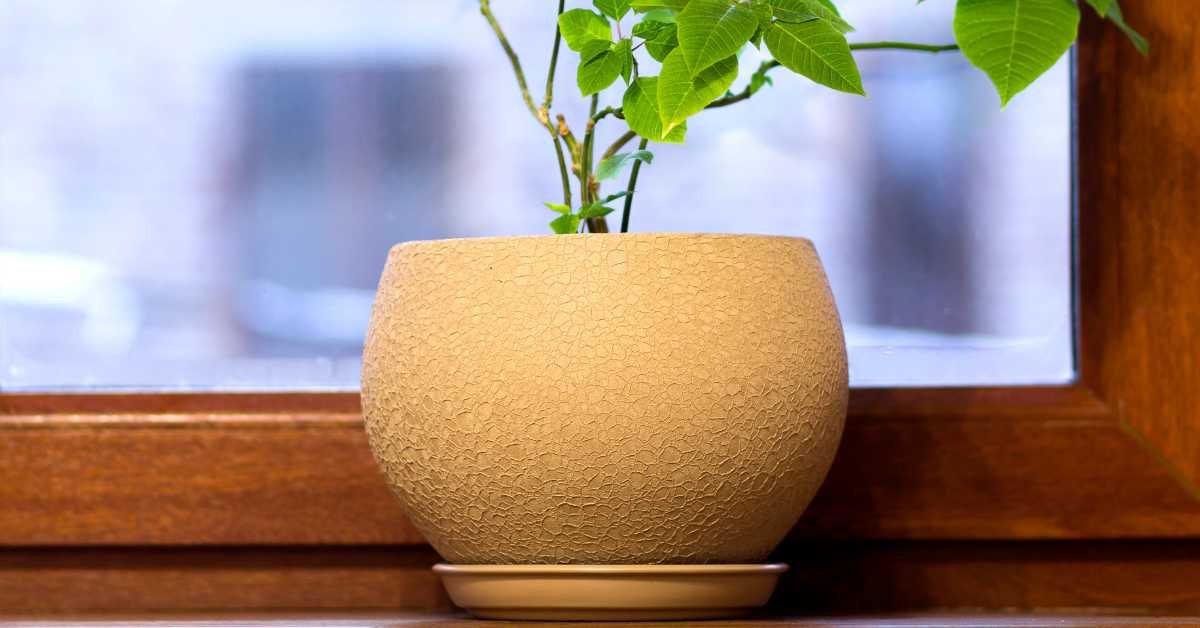
Besides this, you can also group plants together. It will help them share moisture naturally.
And now I’m also not saying that you should completely remove your plant from your home if you are using an air conditioner, heater, or something like that.
I just want you to keep your plants away from there, where they do not get too much effect, like heat or cold air that comes from the AC or heater.
Because plants are natural like that, they don’t know about human comfort.
One more tip, if your temperature inside the home is mostly cold, you can just grow herbs that grow in a cold environment instead of growing those that grow well in summer, because you can’t grow them easily.
So overall, you have to see the climate and fit the ordinary with the plant.
Growth Stalls When Plants Aren’t Maintained
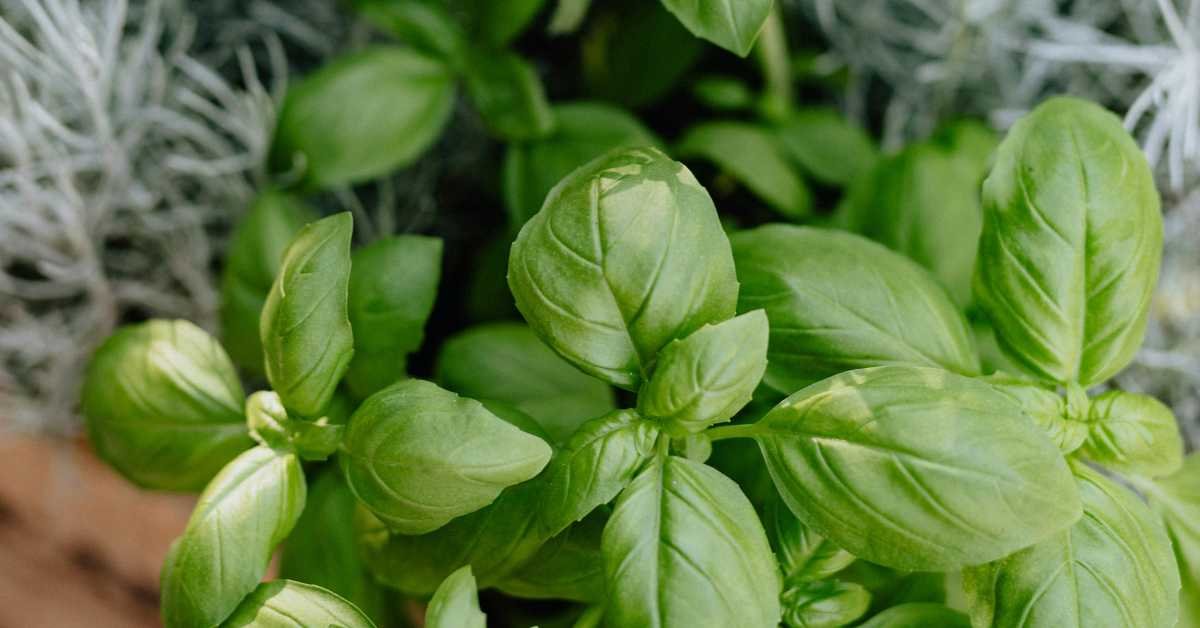
If you are not maintaining your plant, then you need to start regular pruning to keep your herbs productive.
Without it, your plant will grow thin and will stop branching.
So I want you to snip tips. It will encourage the growth to grow more bushy and stretch upward on the plant.
Besides this, nutrition is also important, so you can feed your plant soil with diluted liquid fertilizer at least once a month during active growth. It will be enough.
And in winter, they don’t really need too much feeding, so it’s okay then.
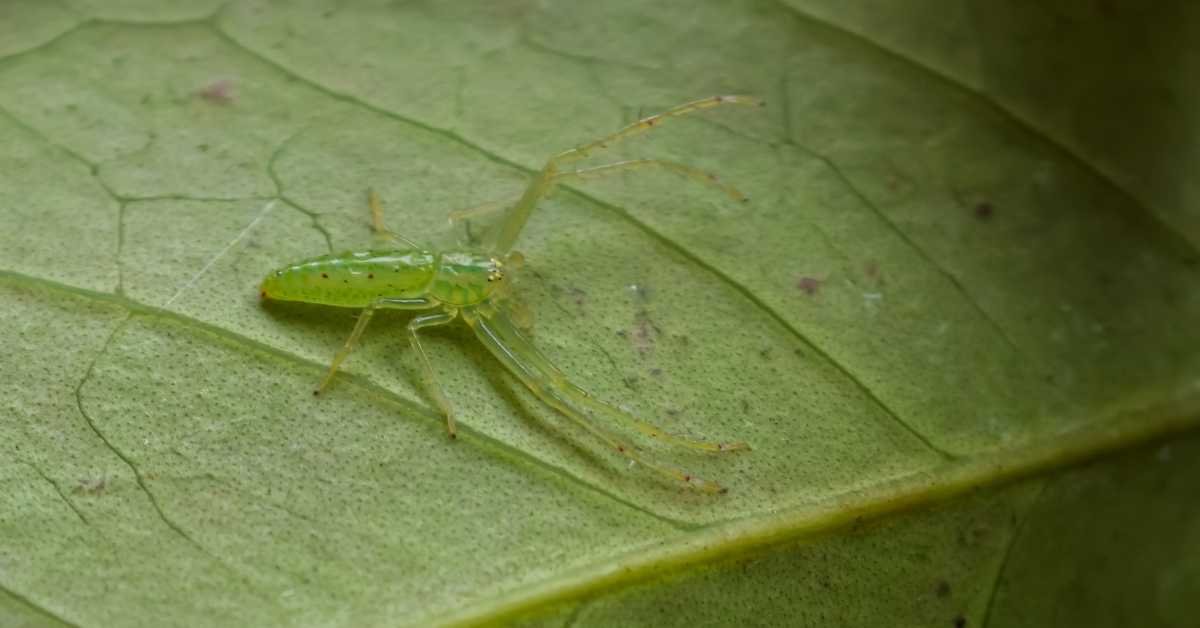
One more thing you would want to look at is pests, like spider mites, aphids, whiteflies, etc.
They will also start living on the plant, especially when you are not taking care of it every day.
If they are already there, you can remove them or use neem oil, but my number one recommendation is to remove them manually and keep the area clean.
If you are regularly maintaining, nothing will happen to your plant.
How to Diagnose Your Herb Problem
- Look, if your plant’s leaves are leaning towards the light, it means it wants light. So you can either replace your plant or use artificial light.
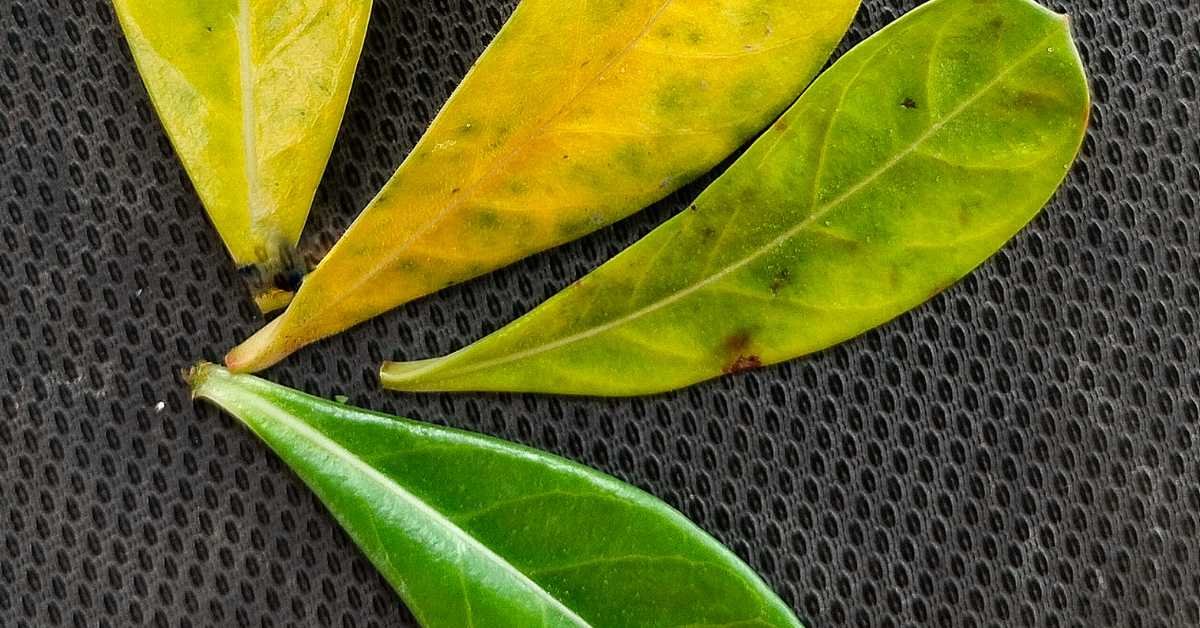
- Yellow and soft leaves are often caused by watering problems and poor drainage.
- If the leaves of your plant are dry, crispy, or curling, then it means either there is low humidity, or you are not providing enough water if it wants.
- And lastly, if everything is going well but the growth is stuck, that means the pot size is small. You have to get a bigger size. You can repot the plant for that, or if you are just going to start to grow it, then initially get a little bit bigger pot so that your plant can spread its roots properly.
However, most of the time, light is the biggest problem indoors when you grow herbs. So yes, if you diagnose your plant, it will be very easy to grow herbs indoors.
Some Herbs Are Easier Indoors Than Others
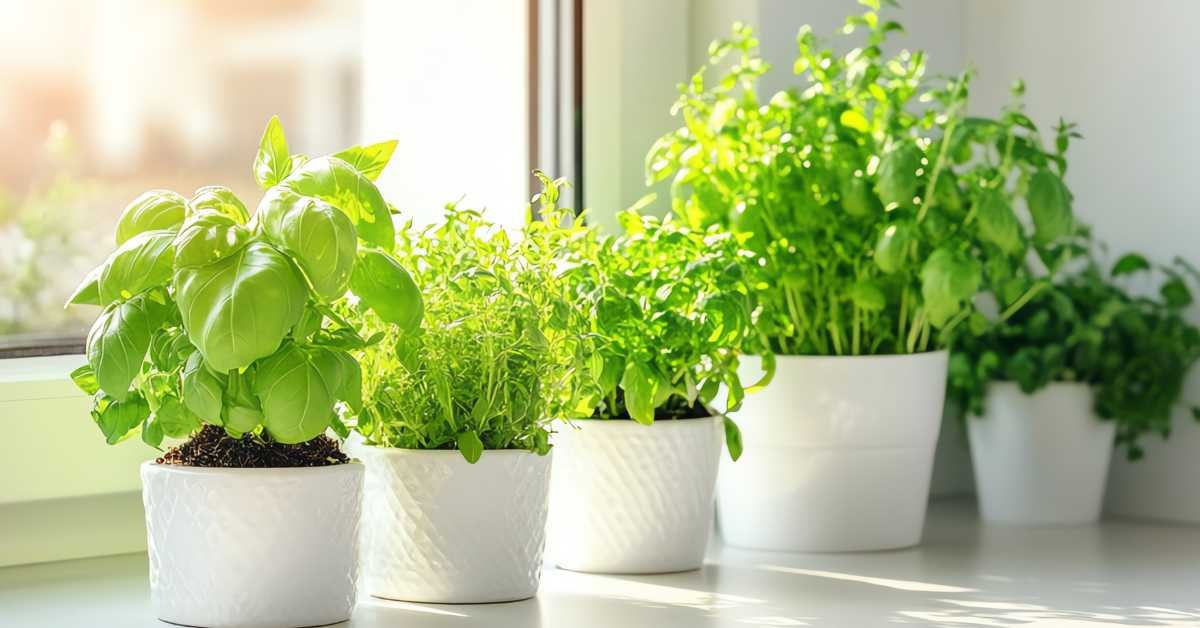
Some herbs are naturally good when you grow them indoors. On the other hand, some herbs won’t grow indoors as they are better outdoors.
For example, parsley and cilantro need strong and steady sunlight. So because of that, they might struggle when you try to grow them indoors unless you provide them with artificial light for up to 10 to 12 or maybe more hours.
It also depends on other factors, such as whether your home receives more bright light or even a little bit of sunlight.
On the other hand, mint, chives, etc., are okay in lower light, while rosemary and lavender are also tough indoors because they need more bright light and dry air.
So my recommendation would be that you first check the environment in your home, and if you already have herbs right now and they are not growing, then you should go with a different approach, like the artificial light.
Conclusion
If your indoor herb is not growing, it means you are not providing it with proper water, air, and space in the pot. In simple words, you are not fulfilling the requirements of your plant.
So you first have to identify the main problem. If it is light, you have to either place your plant in the balcony, terrace, backyard, front yard, or window, wherever it can get light.
Or second, you can get artificial light and keep it on for around 12 hours, and less than about 10 inches of your plant. It will help you grow herbs indoors.
Secondly, you should also look at whether the problem is because of water. If it is because of overwatering, you have to reduce it.
If it is because of underwatering, then you should provide enough water so that it reaches the bottom and starts coming out from the bottom hole that we have in our pots.
And also, if the air quality isn’t good, then you can keep a tray under your plant. It will also help it get humidity.
You can also grow all of your plants so that when they are together, they will share humidity.
Besides that, just keep taking regular care, like looking for pests. If you see them, remove them, and give the space growing around the plant so it will automatically stop and prevent pest growth.
FAQs
Why do my indoor herbs look healthy but aren’t growing?
This means either your plant isn’t getting proper light or it’s due to restricted roots. The plant is surviving but doesn’t have enough energy or space to put on new growth.
Do all indoor herbs need grow lights?
Not all, but most herbs benefit from them. If your home doesn’t get a few hours of direct sunlight, grow lights would be a good option.
How often should I water indoor herbs?
You can check that the top layer of soil is dry, then you can water thoroughly.
Can I grow herbs indoors year-round?
Yes, but growth will slow in winter unless you supplement light and reduce watering and feeding.
What are the easiest herbs to grow indoors?
Mint, chives, and parsley are good, and they can tolerate indoor conditions better than sun-loving herbs like rosemary or lavender.
Should I prune indoor herbs even if they’re small?
Yes, Light pruning is good; it will encourage branching and prevent tall, weak growth, even in young plants.
When should I give up and move herbs outside?
If you can’t improve light or airflow indoors and the plant keeps struggling, I recommend you move it to a balcony or outdoor space.

I’m Abraham creator of Balcony Gardening Ideas. I share balcony gardening tips, DIY projects, and hands-on plant care guides based on my own balcony garden experience. I grow vegetables, herbs, and flowers using organic methods and simple setups anyone can follow.