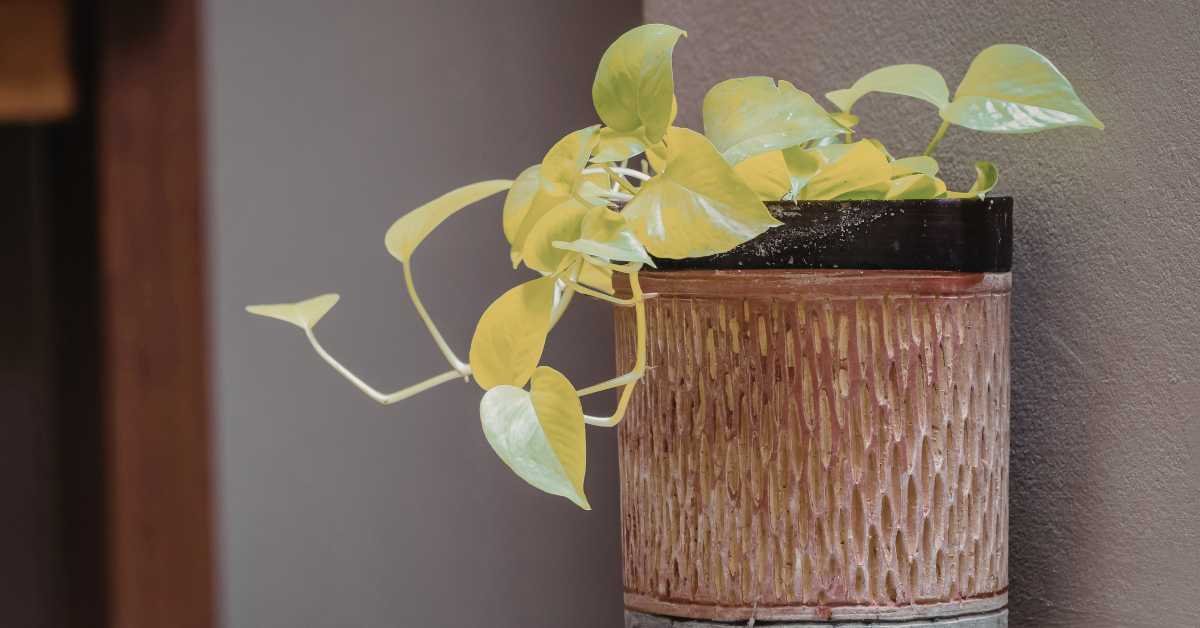
If your plant is looking sick and you’re thinking of repotting it, it won’t be a good idea; it will just put your plant under more stress.
So, you first have to understand why it’s looking sick; is it because of overwatering? Are you seeing multiple signs of overwatering?
Only yellow leaves don’t mean it’s the problem because of overwatering, as yellow leaves happen for many reasons.
However, if you’re sure about that, I’m going to tell you how I approach saving an overwatered plant without repotting.
Make Sure Overwatering Is Actually the Problem
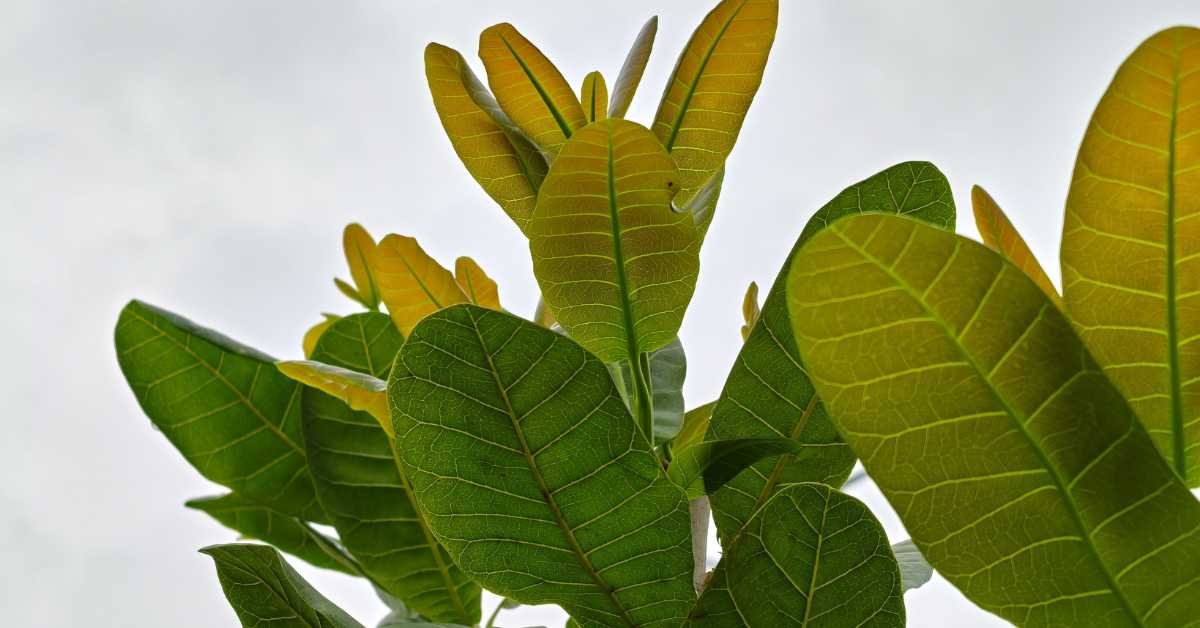
It is true that overwatering causes yellowing leaves, but it’s not always because of too much water. If your plant’s leaves turn yellow, you should also look at the sunlight that your plant is receiving, airflow, or poor drainage.
You can look for these multiple signs happening together:
- Leaves are turning yellow and soft, not crisp
- Wilting even though the soil is wet
- The stem will feel mushy or weak near the base
- Growth will be slow
- Soil will stay wet long after watering
If you’re only seeing yellow leaves but the soil dries normally, and the stems feel firm, then it might not be the problem because of too much water.
You should first try fixing the light, placement, or airflow.
Overwatering damage shows up as a pattern, not a single symptom.
But if you’re confident that excess water is the real issue, then follow the tips I’m mentioning.
Stop Watering Right Now
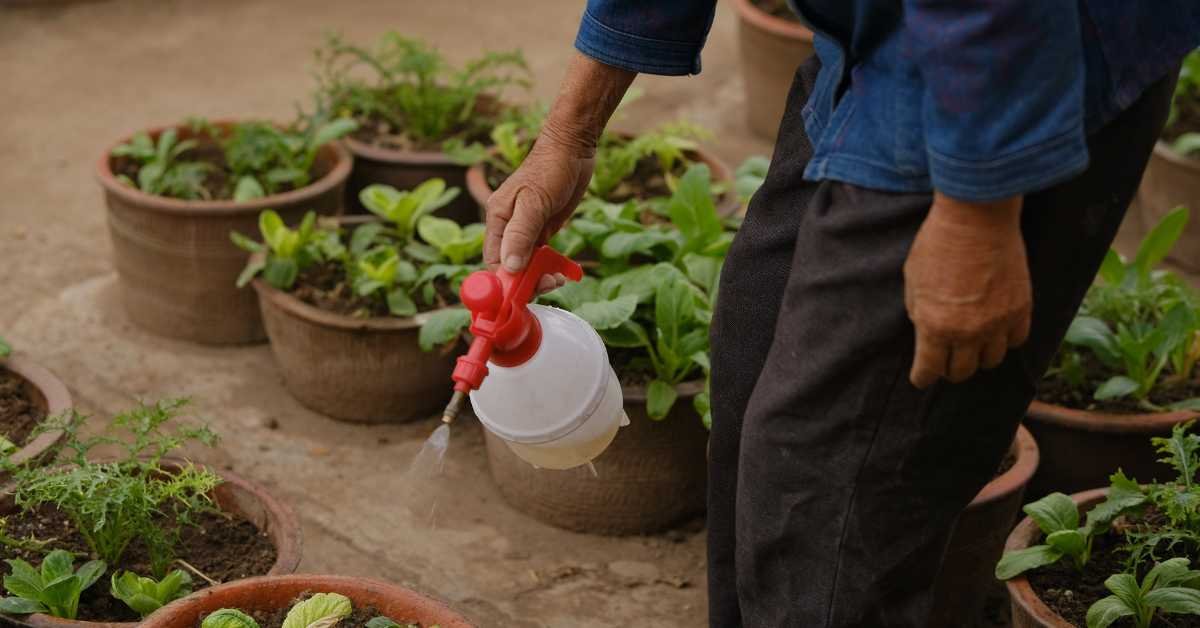
If you keep giving water to your plant while you’re trying to “fix” the plant, nothing will happen.
You should completely stop it; if you do it, the plant won’t die, and it will give you enough time to fix it.
On the other hand, if you continue to give water, it will suffocate your plant’s roots, which will lead to the complete decline of the plant.
Also read: Why Balcony Plants Die: Know Causes & Fixes
Check the Drainage Hole and Fix it
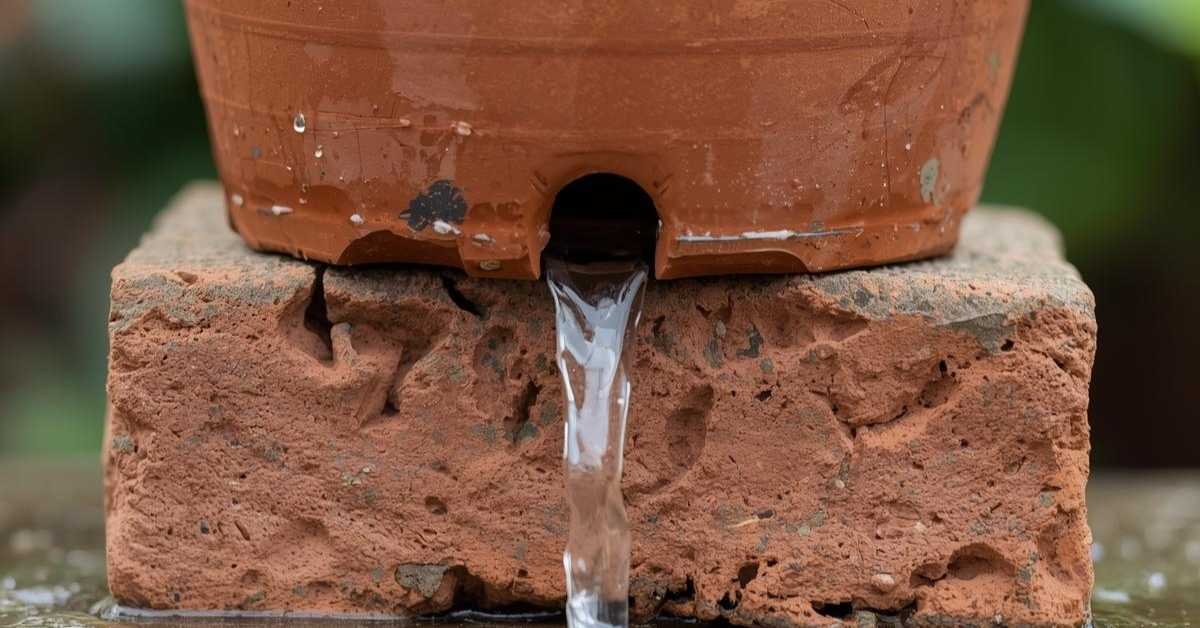
When we buy gardening pots, they come with a drainage hole. However, sometimes they do not come with that. Those I bought, I always look for holes.
So you want to make sure that your pot’s hole is available and water is going out of it.
Besides this, if you have kept your pot on the flat floor, I would recommend that you put some bricks or something else under it so there can be a little gap between the floor and the pot. That will allow water to get out easily.
And if water is stuck, even if there is already gap between the floor and the pot, you want to make sure:
- Your soil is not compacted, as it can also block hold
- If you have a tray under the pot, make sure it’s not already filled; if so, remove it.
If water can’t escape, the soil will stay anaerobic, and that will start breaking roots.
If drainage was the problem, fix it, and after that, your overwater plant will recover itself; you won’t have to do anything fancy.
Dry Soil Without Disturbing the Roots
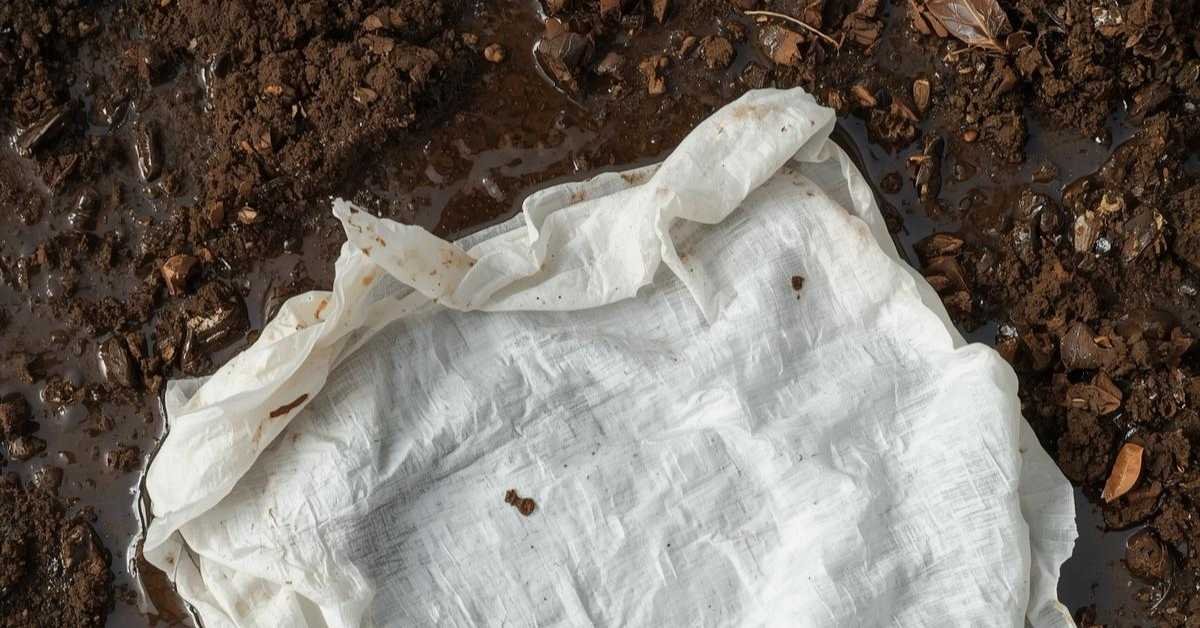
If the soil is wet and there is no airflow, it can also cause problems. That’s why you have to remove that water.
For that, you can take a cotton cloth or a paper towel and then tap it on the top of your soil layer and let it absorb moisture. And you want to replace that cloth if it becomes damp.
It will take some time, but you have to spend it if you want to save an overwatered plant without repotting.
Besides this, you can also slightly tilt your pot when removing that water or moisture.
When you tilt the pot, it will create a little gap in the soil, especially in the sides, and it will help you dry the extra water faster.
And I’m not saying that you have to make it dry completely, just do it better than it was before. This should be your simple goal.
Move the Plant to a Better Recovery Spot
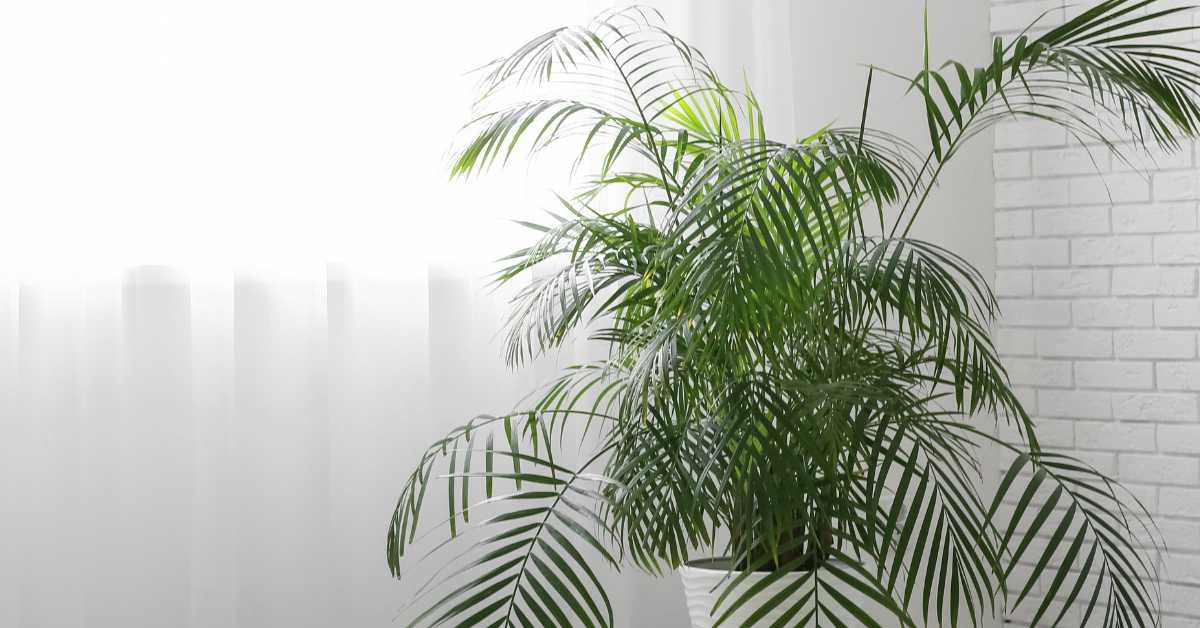
Without repotting, your overwatered plant will recover much quicker if you could move it to a place where it can receive proper sunlight and airflow. And it shouldn’t be too harsh.
Like, if you are doing balcony gardening and the plant that is ruined now because of overwatering was in a shady corner, you can change its spot and bring it a little forward.
If you have multiple plants, you can temporarily replace them.
Because if you keep your plant in a shady area or in a dark corner, it won’t recover quickly. The water will remain there for a longer time, and meanwhile, the plant will get completely stressed, and that will make it decline.
And when it is on the forward side of your balcony or roof, it will receive proper air that will help in recovery really quickly.
If you follow all these things that I have shared, you won’t have to repot your plant to save it because somehow it just got overwatered.
Watch the Soil and Fix it
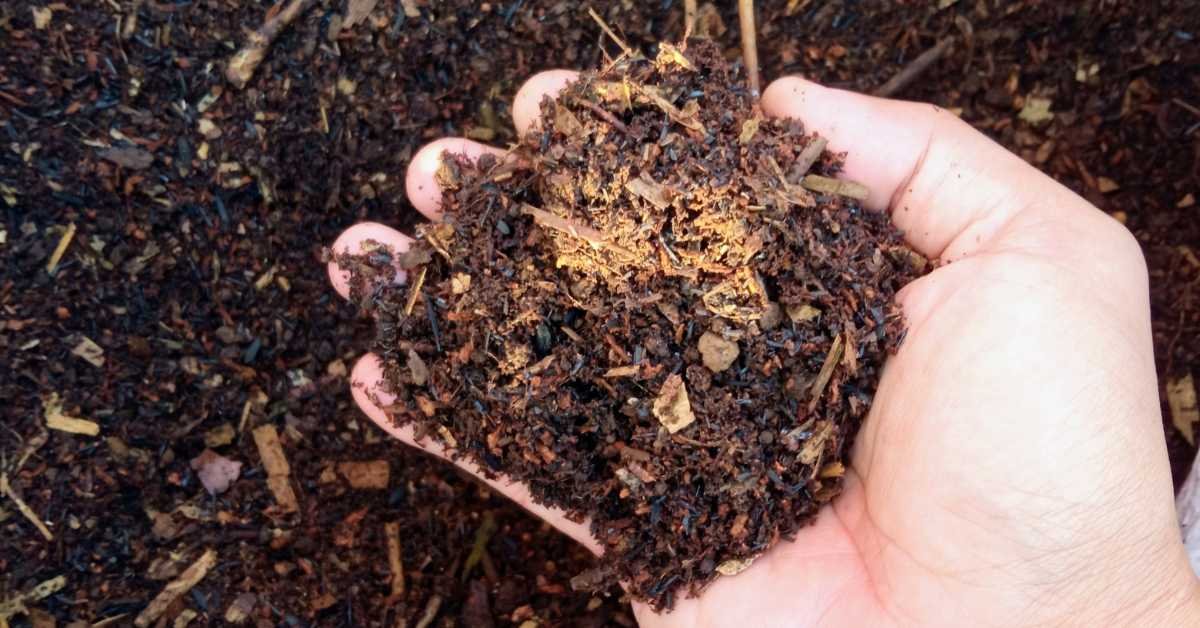
Now, when your plant is fully recovered, you don’t have to start that same habit again by providing it with too much water.
So, how much time will it take? It completely depends on the airflow, sunlight, and the conditions in which you keep your pot.
Now, what I want to say is that the next time, you will start providing it with water when it is completely recovered.
I’m not saying that when yellowish leaves have started to turn green. I mean, when the soil is dry, you can touch it with a finger and try to pop it.
If you feel that inside it is still wet or has moisture, you can wait a little bit more.
And when you see again that it is dry, especially at one or two inches, then you can start providing it with water.
So mainly you want to see the oil and not to track days to provide it with water next time.
What Not to Do While the Plant Is Recovering
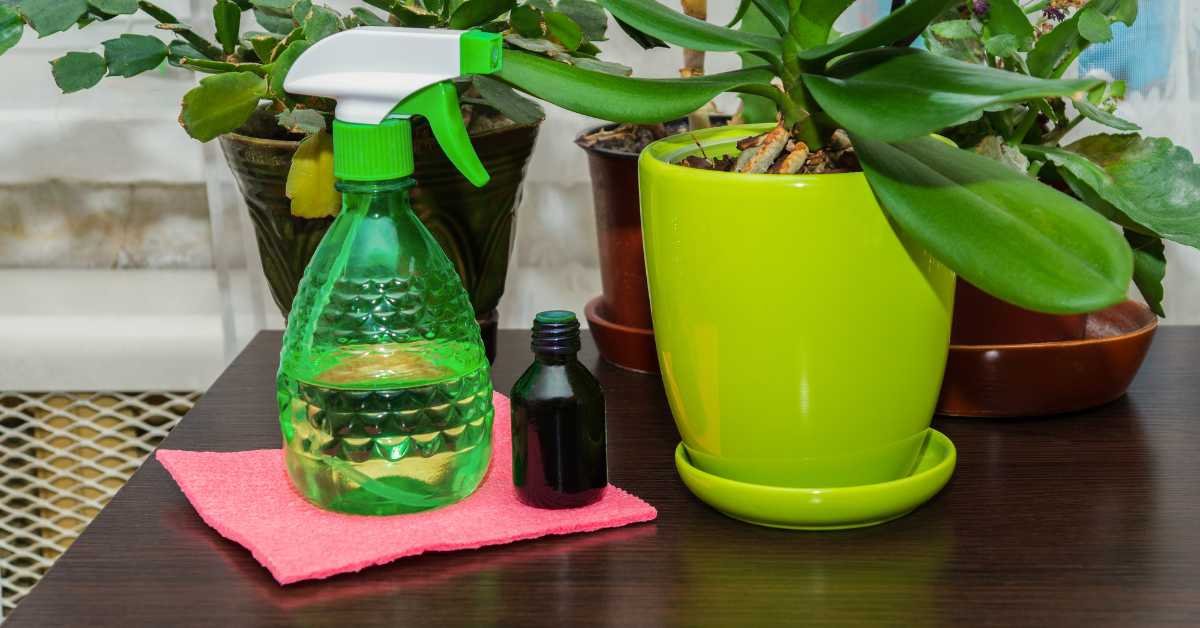
Overwatered plants are fragile; if you add more stress, your plant won’t recover. So you don’t want to do the following thing.
- Do not fertilize: It will damage roots, plus the roots won’t absorb nutrients too
- Do not keep “checking” the roots.
- Do not prune aggressively unless leaves are mushy or collapsing.
- Avoid moving the plant repeatedly.
When You Should Prune
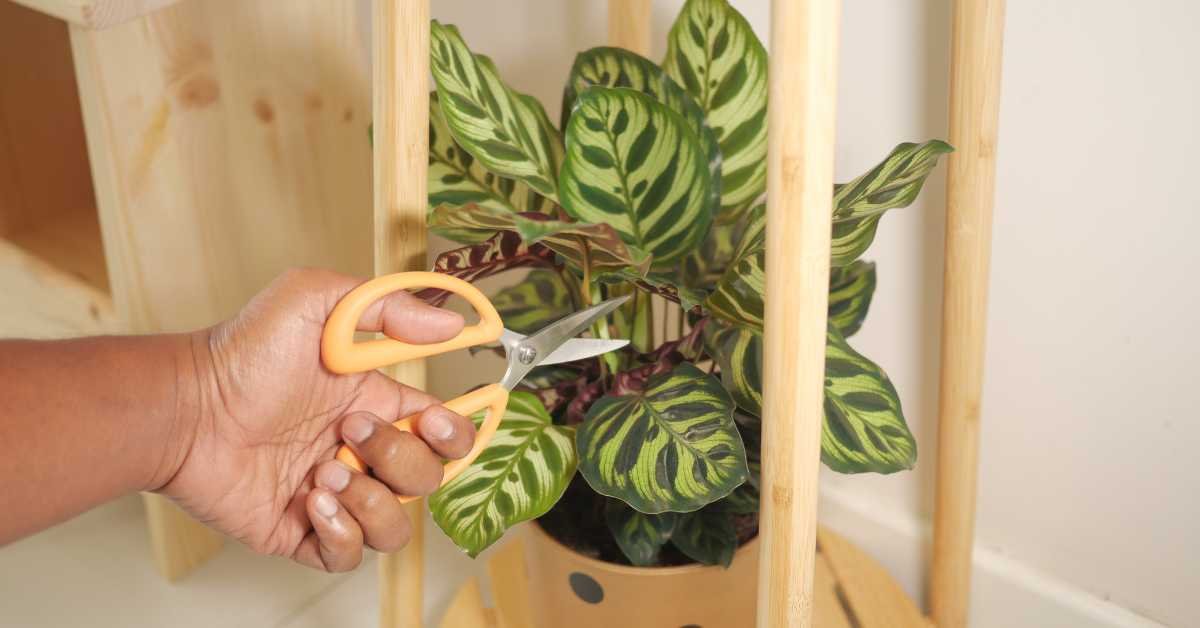
If your plant’s leaves are fully yellow, brown, or soft, you should remove them, as they don’t recover when the soil is dried. And before that they will only drain energy.
But if the leaves are slightly yellow but still firm, you can leave them; plants will pull nutrients back from stressed leaves once conditions improve.
Besides this, don’t cut too many leaves, as this will make photosynthesize hard, which is impossible during recovery.
When to Use This Method to Save an Overwatered Plant
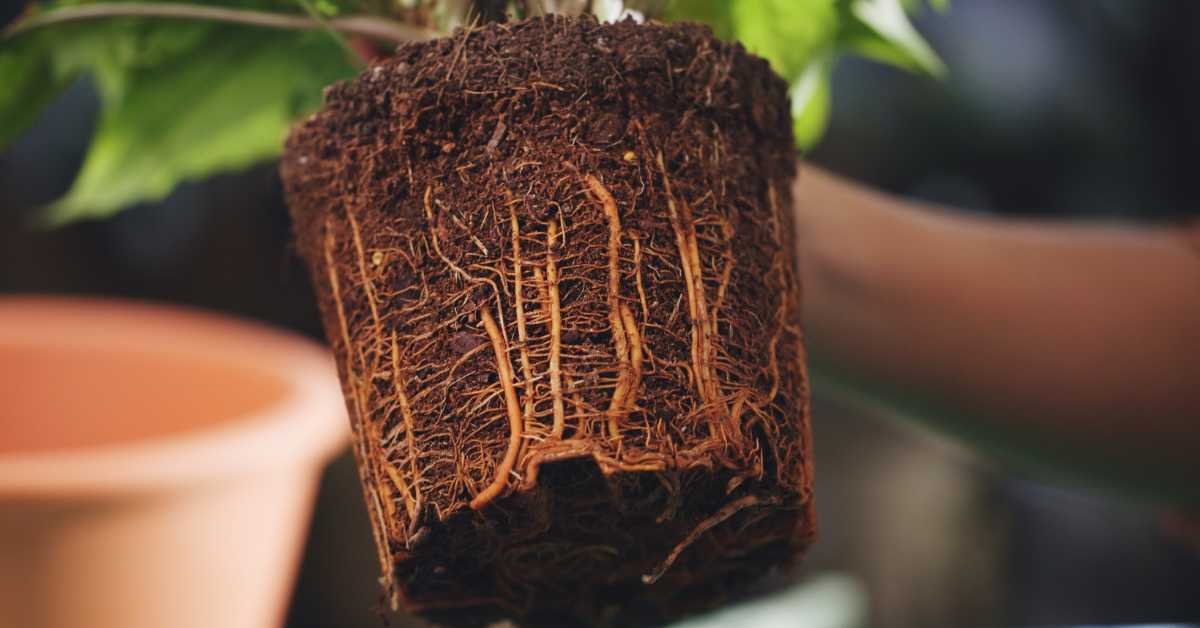
In mild to moderate overwatering cases, your plant will recover fully without repotting. You just have to take action asap as I mentioned earlier, like stopping water, etc.
However, if you notice:
- A strong rotten smell from the soil
- Black or collapsing stems at the base
- Roots are visibly rotting and slimy
At this point, you can’t recover your overwater plant; in such conditions, you will have to repot the plant.
Hair Dryer Tricks If You Can Follow
You can use a hair dryer carefully; warm air can help the soil dry faster. In a pinch, a hair dryer on low heat and distance can help evaporate surface moisture.
However, there is still a risk of heat stress, so if you use a hair dryer, keep it brief, indirect, and focused on air movement (don’t use it on plants).
Conclusion
Saving an overwatered plant without repotting it is too simple; you first have to stop watering completely, and then let the soil breathe by improving airflow and light.
Besides this, you have to avoid adding new stress (like by giving it fertilizer)
After that, your soil will start drying, and the plant will start to recover.
If you follow these things, you won’t have to repot; you will have to repot only if the root is smelling or if the plant is where it is.
But if the root is perfectly in place, then just let the soil dry, watch the plant’s response.
FAQs
How long does it take an overwatered plant to recover without repotting?
It mainly depends on your climate conditions. In winter, it takes a long time, like weeks, but in summer, just a few days would be enough to dry the soil and recover the plant.
Should I water a little while the plant is recovering?
No, you have to wait for the soil to dry completely, and provide water only when your plant recovers, and the soil is dry.
Can yellow leaves turn green again after overwatering?
Yes, sometimes they can turn green if they’re still firm. But fully yellow or mushy leaves won’t recover.
Is airflow really that important for drying soil?
Yes, air will help moisture evaporate and prevent roots from staying suffocated.
When is repotting unavoidable after overwatering?
If there’s a strong rotten smell, black or mushy roots, or stems are collapsing, then you can consider repotting your plant.

I’m Abraham creator of Balcony Gardening Ideas. I share balcony gardening tips, DIY projects, and hands-on plant care guides based on my own balcony garden experience. I grow vegetables, herbs, and flowers using organic methods and simple setups anyone can follow.