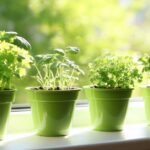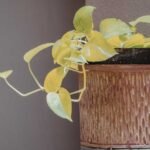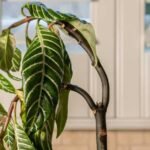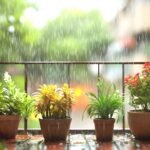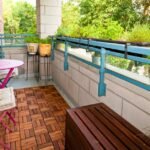
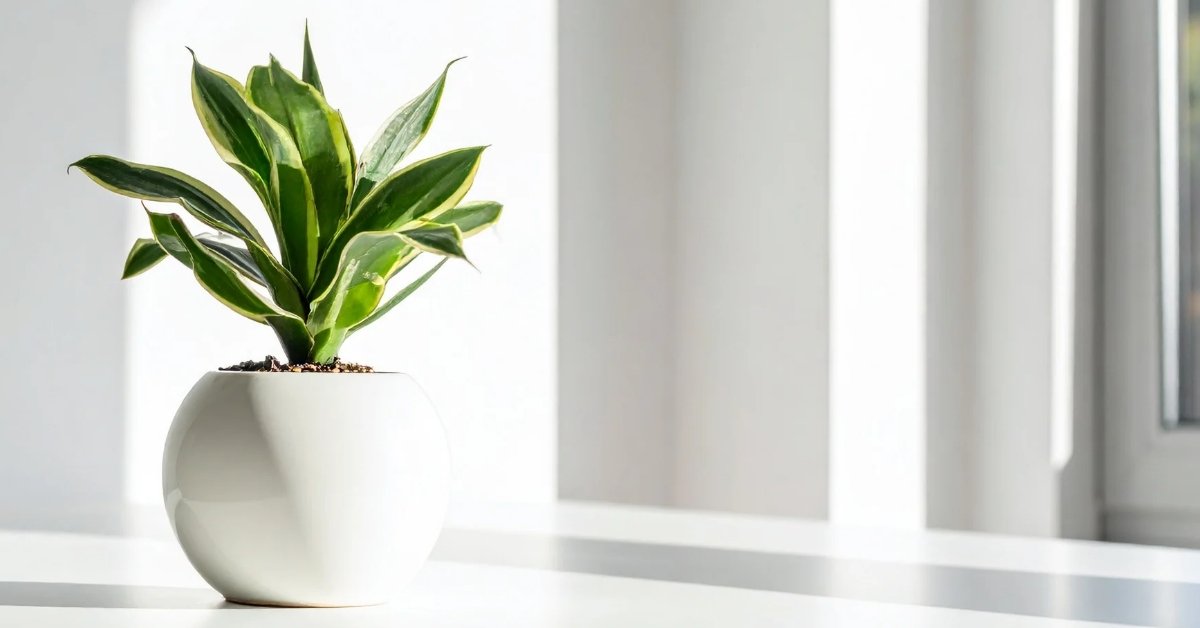
When you take indoor plants and move them outside on a balcony, you will notice a few things, like leaves will change color, sun-burnt patches, soil will dry faster, and higher water demand.
That will happen because your indoor plant will get a sudden environmental change shock, and it will try to adapt to those conditions.
That’s exactly what I saw when I tried it myself.
Why I Still Did the Experiment (Even Though I Knew the Outcome)
Right now, I’m actively doing balcony gardening because I like to eat my own vegetables, herbs, etc., and I also receive proper airflow, sunlight, etc.
However, I also have many Indoor plants, and I didn’t buy them for growth experiments or aesthetics. I just got them to improve the air quality.
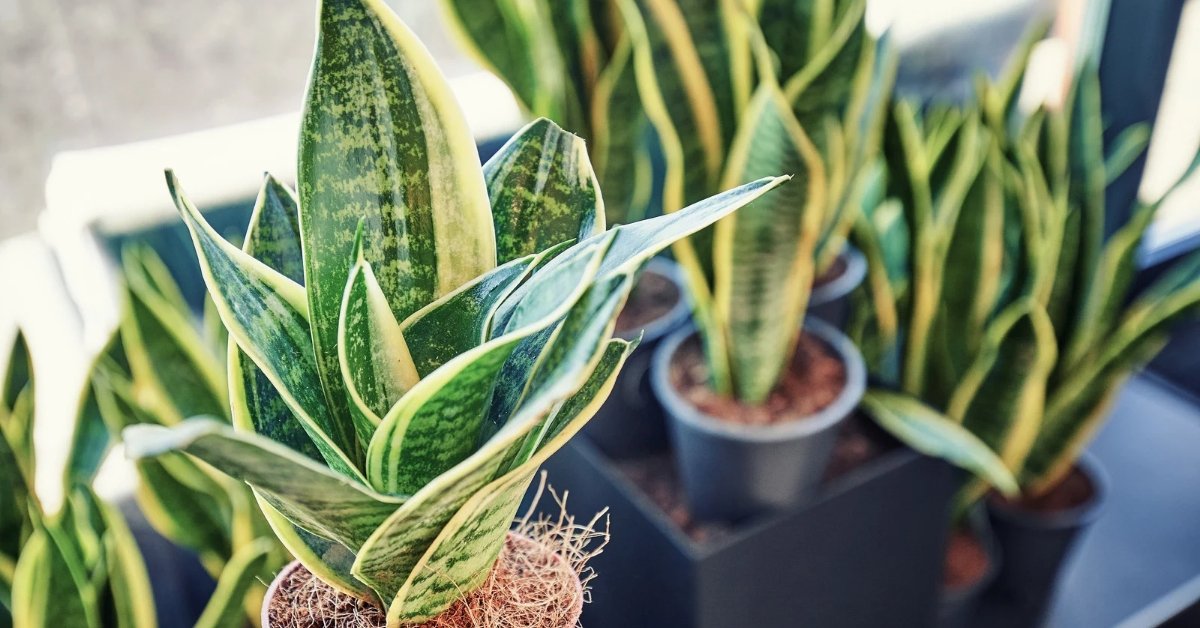
I have snake plants, money plants, lilies, and a few others placed across rooms and the kitchen.
We also use an air purifier, so these plants are mostly balanced.
So, by doing this experiment, like keeping my indoor plants outside, I wanted to see how fast, in what order, and what kind of care adjustment would actually be required to grow them.
The Reaction Was Slow, and That’s Important
Although I knew in the beginning what might happen, I didn’t know how many days it would take.
So when I put indoor plants outside on the balcony, after 3 days, I see changes. Before that, I didn’t see any noticeable instant damage, but it started after a few days.
Also, I didn’t use gadgets to see any changes at the micro level; I just wanted to see clearly.
For me, the first visible change was leaf color.
Leaf Color Start Changing
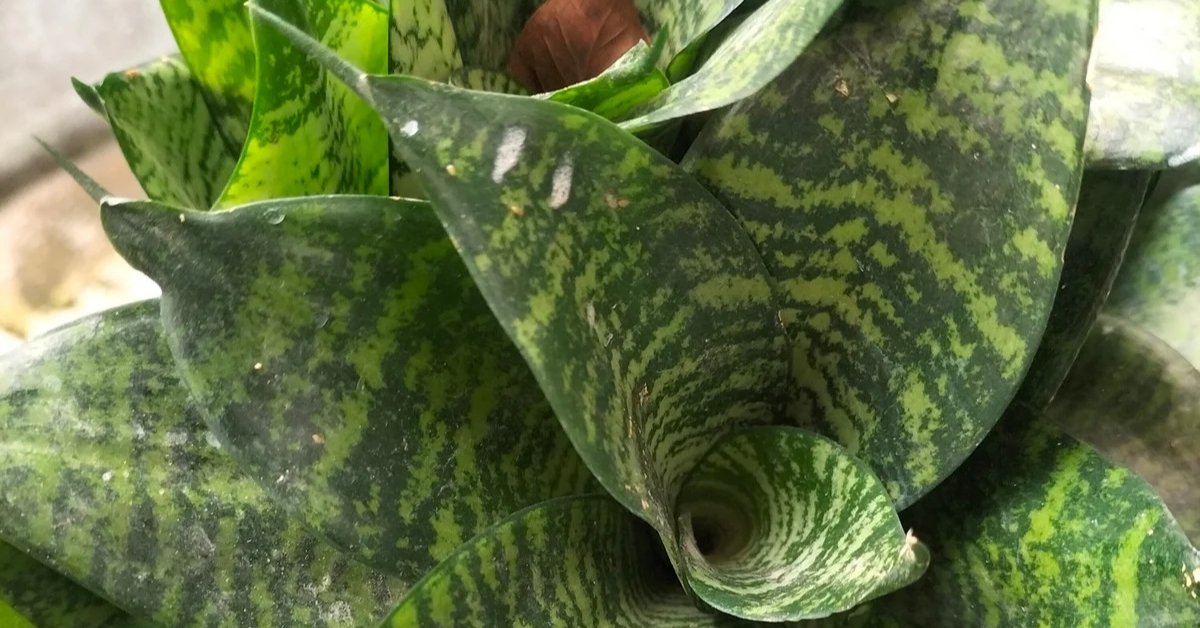
As I said above, the leaves didn’t turn brown overnight. Instead:
- Green started looking slightly washed out
- Some areas were looking lighter than usual
- Edges and patches appeared dull
After days, a few leaves started looking like they’d been burned but were not dried, torn, just scorched.
And it happened because of the heat. Besides this, I was seeing these plants every day.
So, why did it even happen?
Well, it is because indoor plants’ leaves are thinner and aren’t built for sharp, direct sunlight.
After keeping indoor plants outside, they respond by sacrificing parts of the leaf that can’t cope.
And it doesn’t mean the plant is dying, it’s plants are trying to adapt to the conditions.
Why the Plant Didn’t Die (And Why That Was Expected)
I never expected these plants to die, and they didn’t either.
Plants are far more adaptable than we give them credit for. What actually kills them is not unmanaged exposure.
During the adoption process, you’ll see these things:
- Old will leaves suffer
- Growth slows temporarily
- You’ll have to provide water more frequently
The Bigger Shock Was Moisture Loss
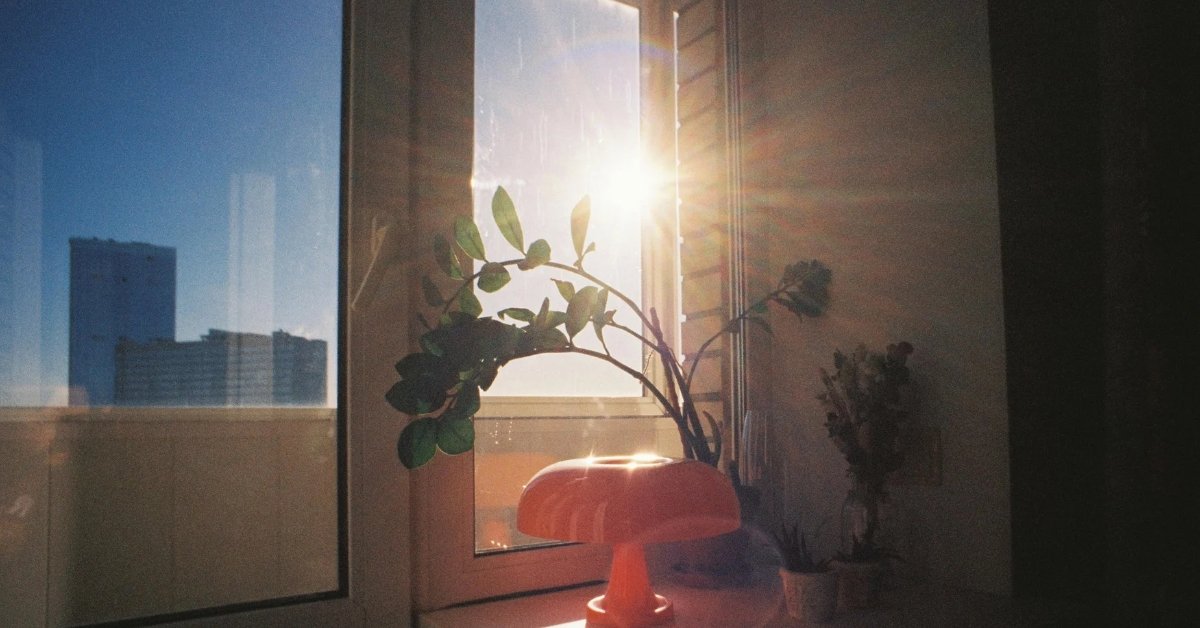
Sunlight damages plants’ leaves, and you can clearly notice them.
After two days, I checked the soil with my fingers, and it was completely dry.
On the other hand, Indoors, this same pot, same soil mix, same plant would have stayed moist much longer. But it didn’t happen outside.
Reasons are pretty simple:
- Fast-moving air
- Humidity kept changing
- Evaporation
So, outdoor air is too aggressive compared to indoor air.
Why Indoor Watering Habits Fail Outdoors
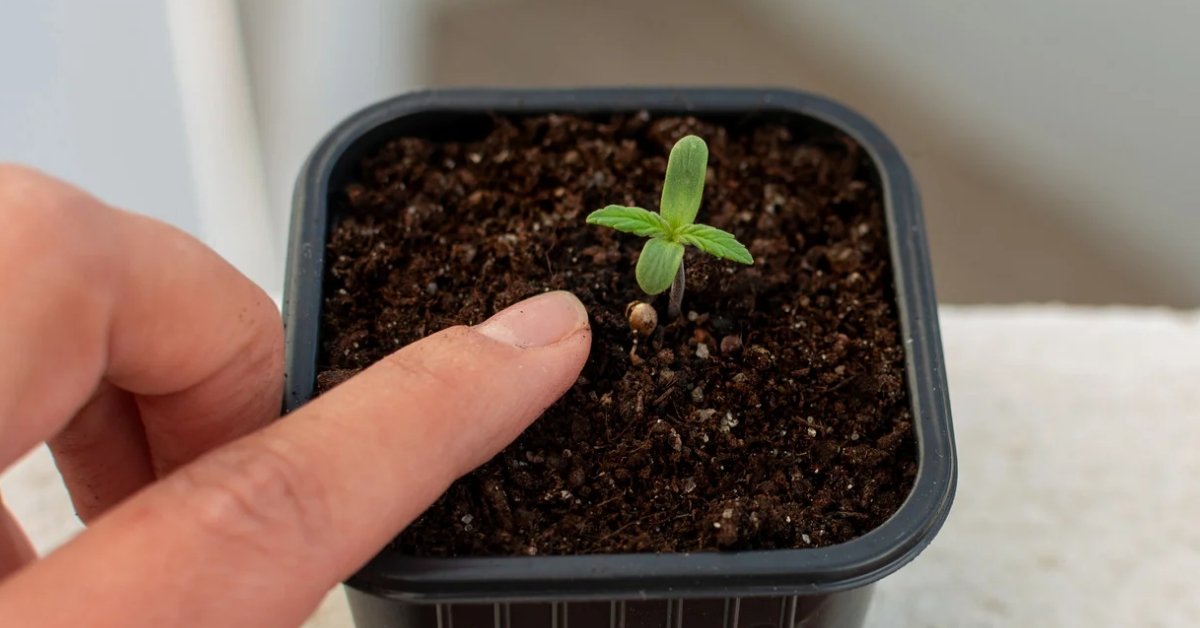
I was providing water to my indoor plants based on time, like once a week. While I water my balcony plants (mostly vegetables, herbs, etc) regularly.
But when I put indoor plants outside:
- Watering frequency was increased
- I had to check the soil
Pests Didn’t Appear in a Week
It’s common to hear that indoor plants get pests as soon as they are moved outside, but fortunately, it didn’t happen to my plants.
However, now I’m not saying it’s proof, and it won’t happen to your plants or other plants.
It didn’t happen to me because I’ve been gardening for years, and it’s my habit to inspect my balcony plants daily because I grow vegetables. I check every day:
- Leaf undersides
- Remove stressed foliage early
- I never let dead material sit
However, when we expose indoor plants to the outdoor environment, the probability of plants getting pests increases.
Therefore, if you are thinking of moving your indoor plants outside, I recommend you check them at least once a week.
Growth Reprioritized
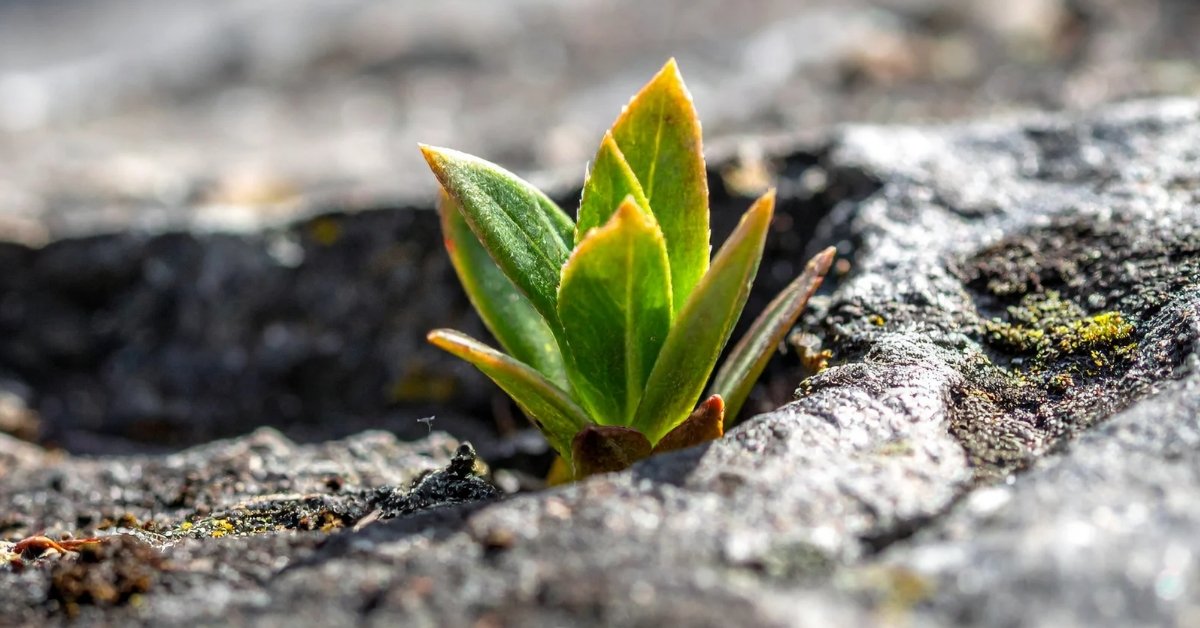
Another thing I want to make clear is that my plant’s growth hasn’t completely stopped, but yes, it was slowed, and then I noticed the plant had started stabilizing.
Which is normal, and that’s because plants under environmental stress don’t focus on producing new leaves. Instead of that, they focus on:
- Root balance
- Water regulation
- Leaf efficiency
When an indoor plant system stabilizes, growth resumes, which is sometimes slower.
Why Some Indoor Plants Will Never Truly Thrive Outside
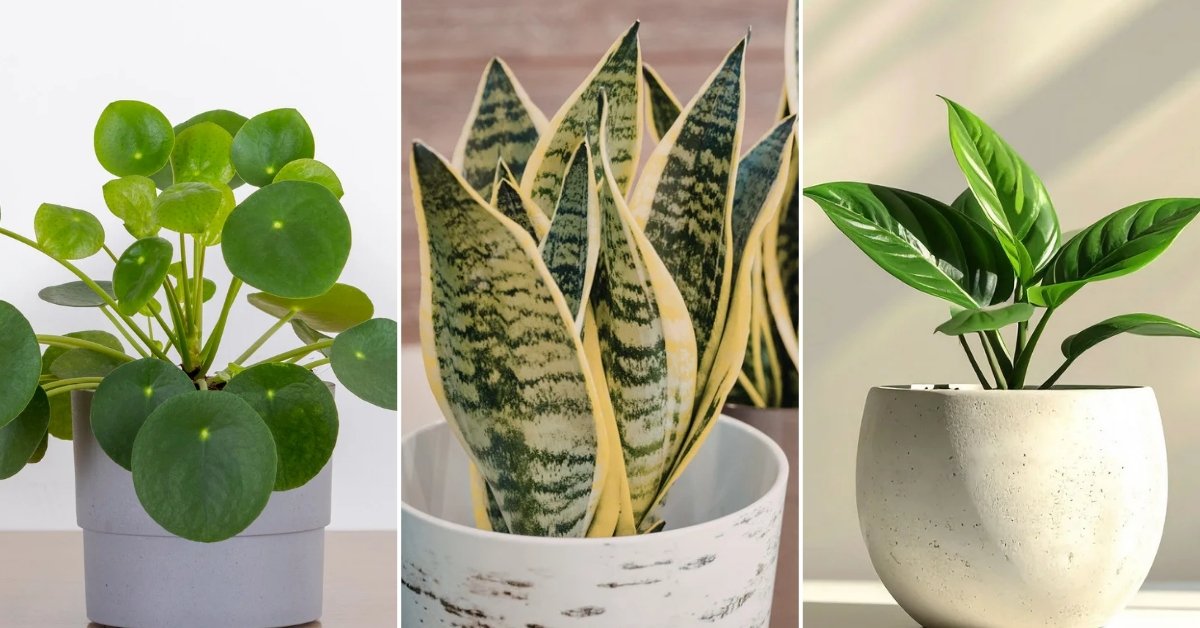
Surviving a plant and thriving a plant, both are different things; some plants, like my snake plant, money plant, and peace lilies, are tolerant.
And they can survive outdoor balconies if you take care of them properly. But not all can.
That’s because Indoor plants like stability:
- Consistent temperature
- Gentle light
- Predictable moisture
Outdoors, even if your plants stay alive, they won’t relax; also, it won’t happen to all plants, some will adapt.
What This Experiment Actually Proved (And What It Didn’t)
What it proved:
- Indoor plants don’t instantly die outside
- Leaf damage is normal till the plant adapts to the conditions
- Water demand increases significantly
- They want more attention
What it didn’t prove:
- That indoor plants belong outdoors
- Balconies are “better.”
- All indoor plants can adapt equally
My plants didn’t survive because they were outside, but they did survive because I adjusted my care.
My Final Position After Doing This
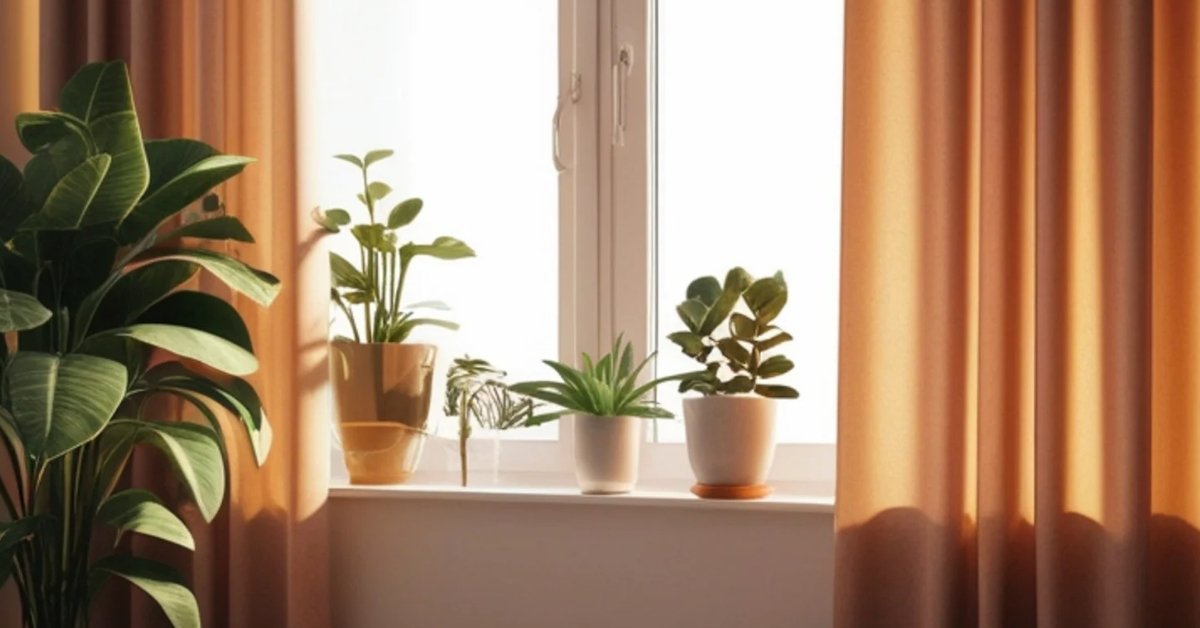
After seeing all of this in real conditions, my opinion is still clear.
Indoor plants are best indoors, where:
- Air is stable
- Light is controlled
- Moisture loss is slower
- Care mistakes are more forgiving
Moving them outside suddenly will always trigger reactions.
If you want to grow indoor plants on a balcony, you need to:
- Expect leaf damage
- Increase monitoring
- Change watering logic
- Accept slower growth
Also read: How to Observe Sunlight Patterns on Your Balcony
Conclusion
Some indoor plants can grow in an outdoor environment, but if plants were previously kept in an indoor environment, and suddenly shifted to an outside environment, the plants will be shocked.
Some plants, like snakes, money, etc, will slow down their growth, as they would shift their focus onto survival.
They will work on extracting more water, stop turning leaves yellow, and adapt to humidity, etc.
Besides this, indoor plants can survive on a balcony if you can change how you care for them.
Like, you’ll have to do more frequent soil checks, put them in less sunlight exposure, and regular observation will be needed, too.
FAQs
Do indoor plants die if kept outside on a balcony?
No, most plants don’t die immediately, but start reacting within a few days. You can notice things like leaf discoloration, sunburn, or stress symptoms appear.
Why do indoor plant leaves burn in sunlight?
That’s because indoor plants have thinner leaves, and they don’t quickly adapt to direct sunlight, airflow, or other outdoor conditions.
How long does it take for indoor plants to adjust outdoors?
It depends on your condition; it can take days to weeks based on the environment, but in my case, it took around 3 days when I started notching different colors in plants.
Do indoor plants need more water when kept outside?
Yes! Outdoor air will dry soil much faster because of wind, heat, and evaporation. Therefore, indoor watering schedules will not work outside.
Will outdoor pests attack indoor plants?
They can, but it’s not automatic; you will face pest problems if your plant remains under stress and you don’t take care of it.
Is it better to keep indoor plants indoors?
In most cases, yes, indoor environments are perfect as they are stable. On the other hand, if you grow outdoors, you will have to pay more attention.

I’m Abraham creator of Balcony Gardening Ideas. I share balcony gardening tips, DIY projects, and hands-on plant care guides based on my own balcony garden experience. I grow vegetables, herbs, and flowers using organic methods and simple setups anyone can follow.