I decide whether a plant deserves a long-term spot on my balcony by answering one question first: why do I even want this plant?
If I don’t have a clear reason and especially a personal one, I believe it won’t last too long, cause I’m not liking it and may not take care of it.
Besides this, I also look at things like will this plant survive on my balcony or not, will it need real life interruptions and many other things like that. Which I’m discussing in this post.
Interest Comes Before Everything Else
This is my number one filter, and I don’t compromise on it.
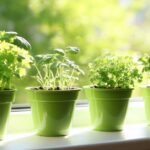
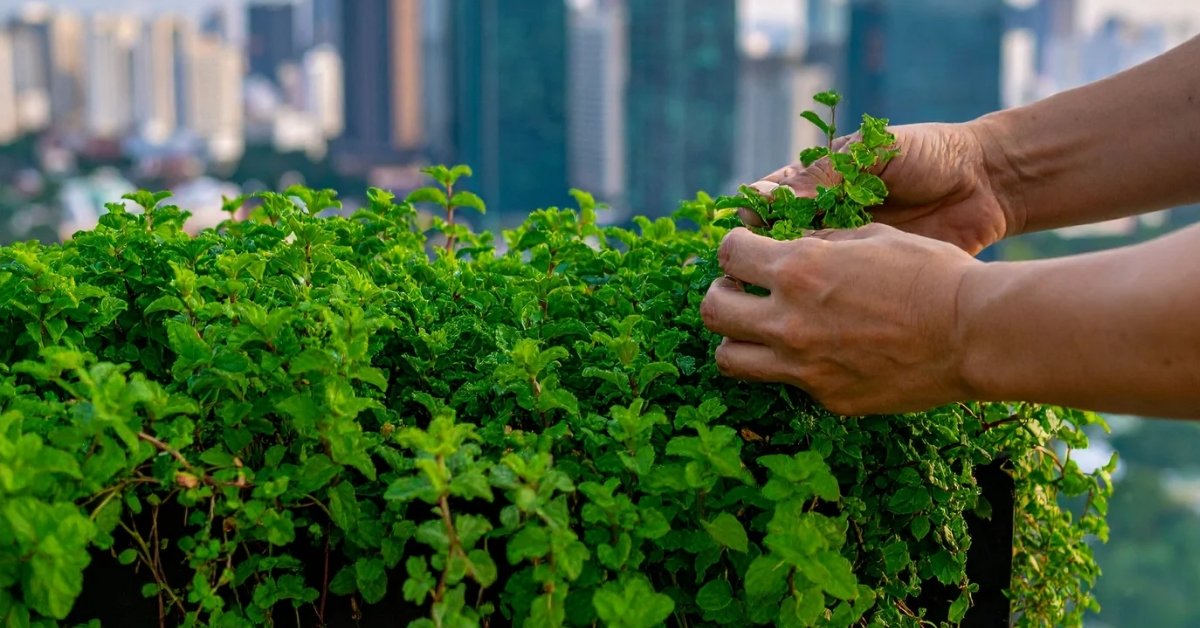
I personally focus on plants because I cook them, use them daily, and it automatically wants me to take care of that plant.
And because I’m growing my favorite things that are important to me, I hardly forget watering, pruning, etc.
That’s why vegetables, herbs, and fruits are always my first choice over decorative plants.
I’m not saying that flowers are bad, I like decoration too.
But if I grow a plant only for looks, it won’t create the same pull for me.
I Avoid Plants That Need Constant Attention to Stay Alive
Some plants survive only if everything goes right:
- Exact watering schedule
- Stable weather
- Precise sunlight hours
- Perfect timing during seasonal changes
To me personally, they don’t cause any big problems, as I can take care of them if they’re vegetables or fruits.
But, for someone, who’s often busy, I’ll never recommend these plants, I’d encourage them to grow that decline even in weather like heavy wind, rain, heat waves, etc.
Also, I grow edible plants on the balcony but I always look for plants that tolerate all conditions. Besides this, I also help tolerate, by protecting them, but that’s extra things.
Recovery Matters too
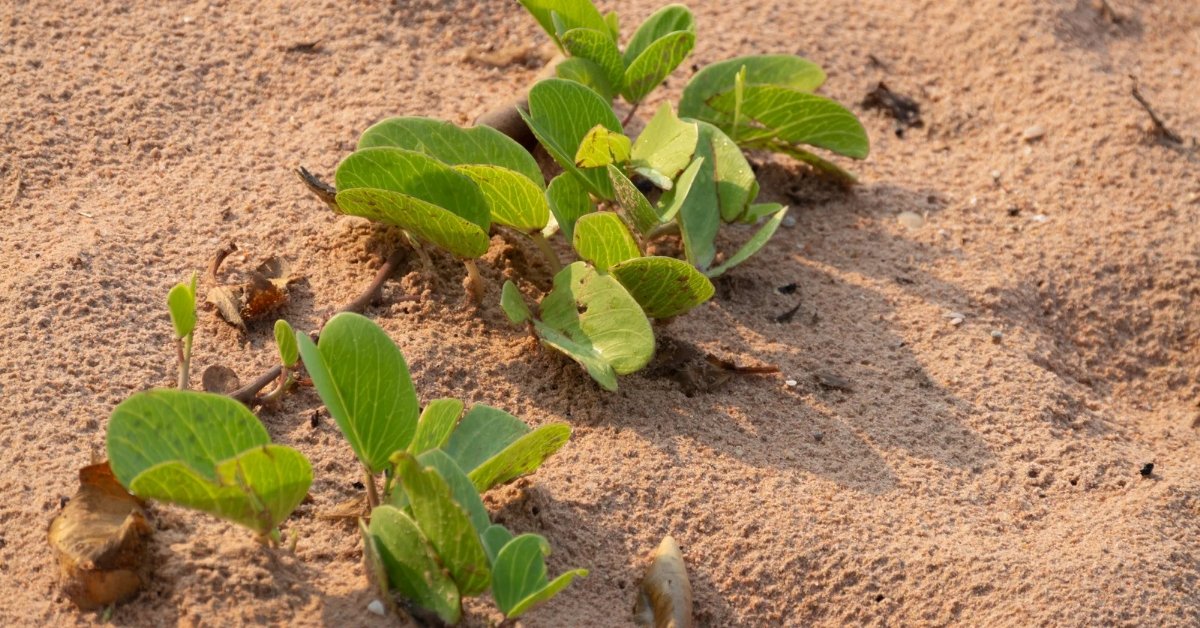
I don’t judge a plant by how it looks on its best day, I judge it by how well it will recovers after stress.
Every balcony plant gets stressed at some point:
- Underwatered once
- Slightly overwatered
- Moved for shade
- Exposed to heat
- Disturbed roots
If I know that one mistake can lead to slow decline or struggle, I won’t consider it sustainable.
Root Behavior Is a Deal breaker for Me
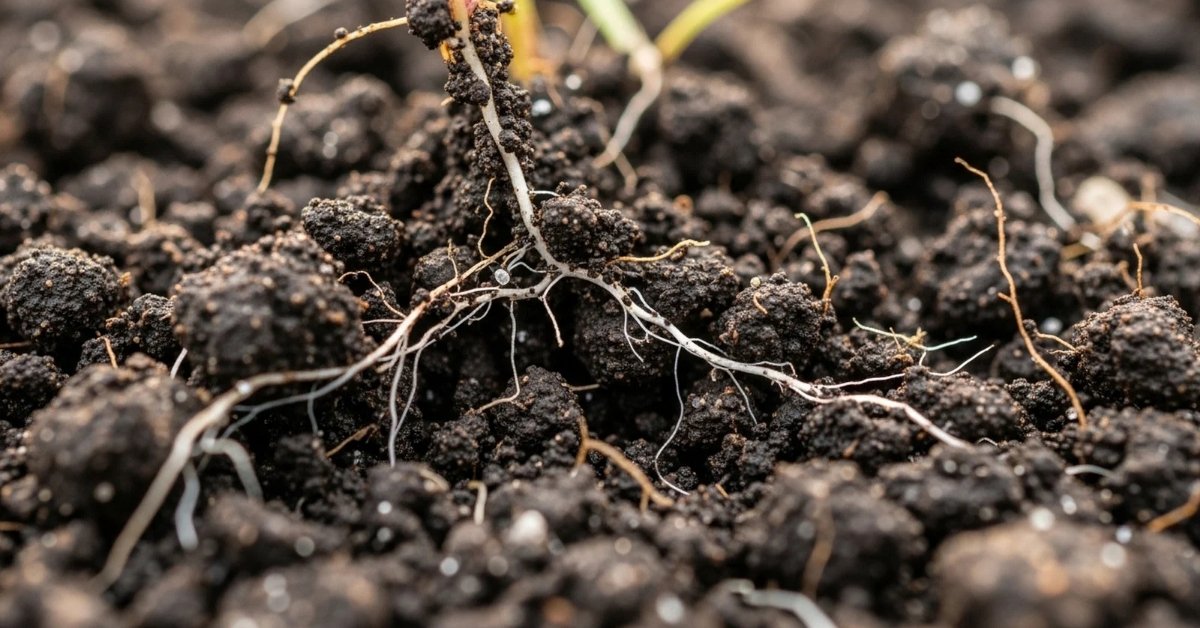
I always avoid plants that constantly fight the pot.
Some plants:
- Circle roots aggressively
- Demand frequent repotting
- Decline the moment space feels tight
Although it’s fine in open ground as we have a big area like in my grandparents land. But in a balcony, it’s exhausting.
I prefer plants that:
- Stay healthy in one pot size
- Adapt their size to the container
- Don’t need frequent upgrades
If a plant forces you into bigger and bigger pots, it will start stealing space from everything else.
And you also know that space is the most limited resource on a balcony.
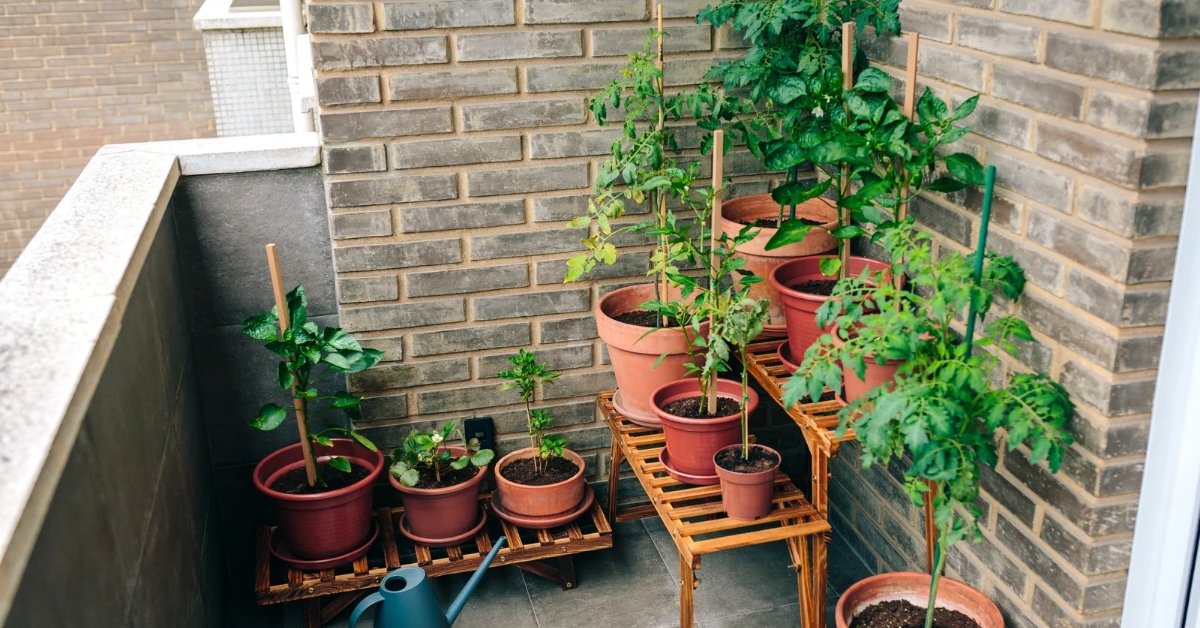
This is also why I avoid and also recommend others to avoid large or aggressive citrus varieties and anything that wants to become a tree, I prefer compact plants.
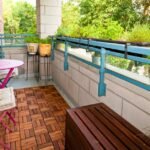
A Balcony Is Not Natural Ground Therefore I Plan Accordingly
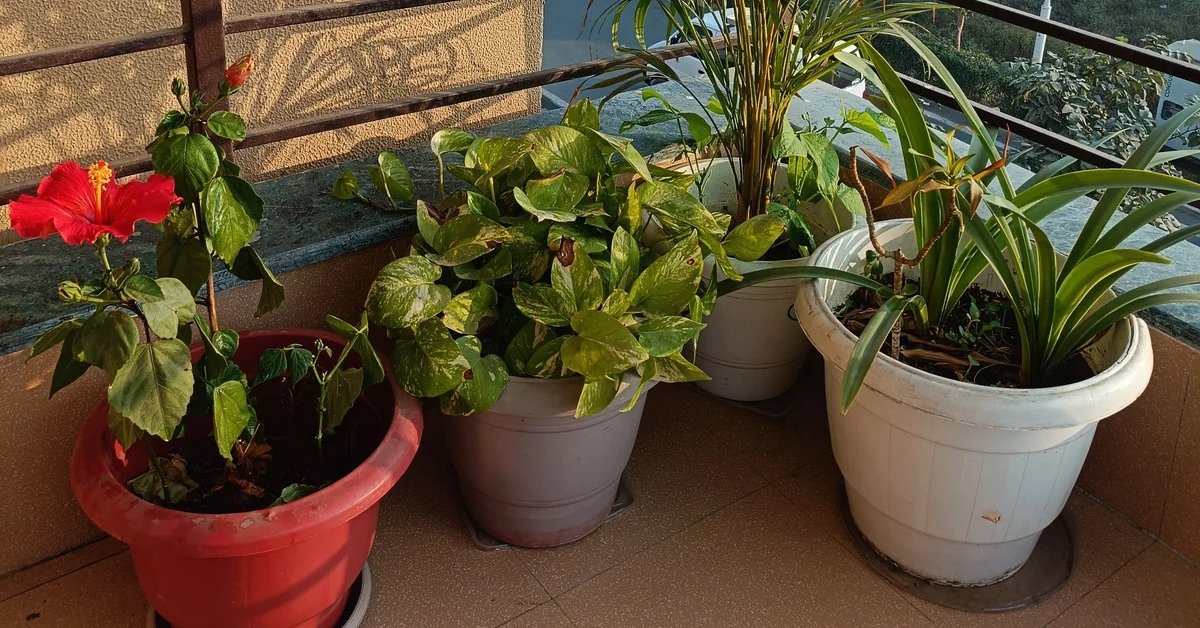
In open soil, plants can stretch, compete, and recover naturally but that’s not the cause with a balcony, plants there always face these following problems:
- Roots are confined
- Artificial Drainage
- Sunlight
- Inconsistent Airflow
So I never choose plants that expect freedom.
I look for plants that are comfortable being:
- Pruned
- Limited
- Slightly restricted
If a plant resents confinement, it will grow slowly, or will live in constant stress, face nutrient issues.
Seasonal Survivability Is Important
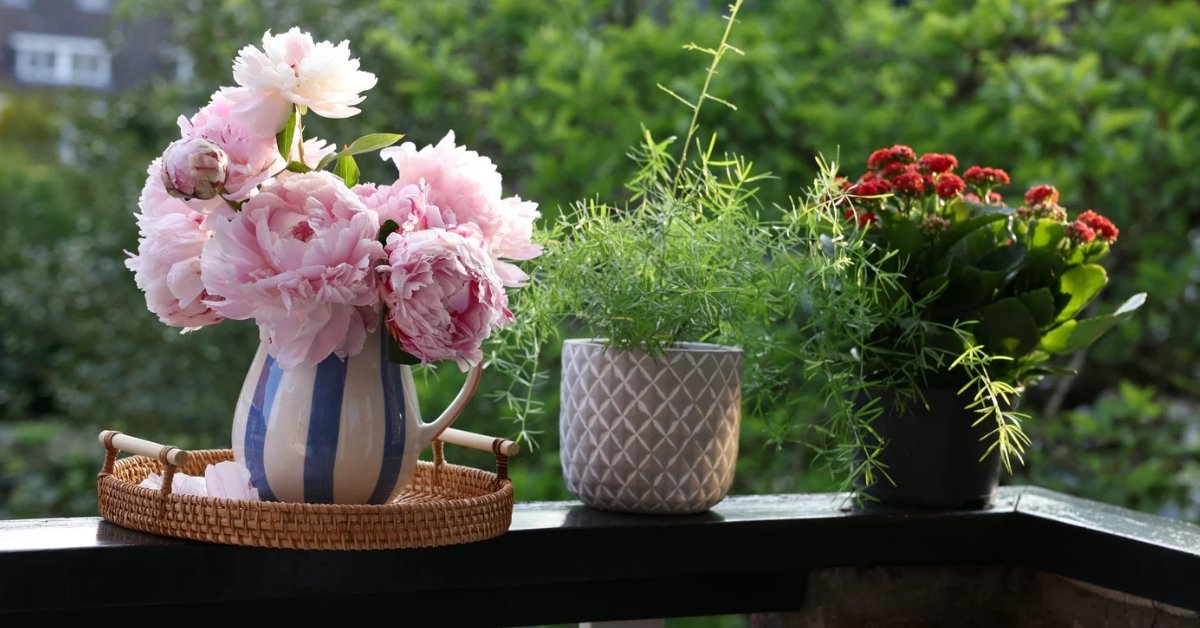
I don’t want plants that dominate one season and collapse in the next, although many vegetables grow only in one season, but that’s a different thing.
However, if you’re thinking the plant thrives only in winter but declines in summer, remember it will become a cycle of loss and replacement.
So according me, it’s a right plant, if your approach is long term, which is mine often
I prefer plants that:
- May slow down in some seasons
- May grow faster in others
- But don’t decline badly in any season
Plants That Need Constant Moving Are Not Ideal
Some plants demand:
- Shade in the Afternoon
- Protection during heat
- Shelter during rain
Yes, I can do that also sometimes I do.
But long-term, my approach is low maintenance plants that are not too much dependent on me.
If you’re busy, traveling, sick, or distracted, they will suffer fast.
I prefer plants that can stay in one spot and adjust internally rather than needing external intervention all the time.
Balcony gardening is more sustainable if plants cooperate with your life.
Maintenance Tolerance Matters (Even If You Love Gardening)
Even though I like caring for plants, I still do complete plant maintenance demand.
But I do it better, I’m motivated for that, and to get motivation, when growing a new plant, I asks:
- Can this plant survive average care?
- Does it punish small delays?
- Does it demand frequent adjustments?
If the answer is yes, I’ll grow, it won’t, but it’s important to me, I’ll still grow, but that’s why.
I Limit Plant Count Based on My Capacity
This might be the most important advice I give others, that “You should grow only as many plants as you can realistically care for.
Because, I myself don’t copy anyone randomly like if someone is growing 5, so I’ll also grow 5, nope, my capability is more.
And this is what I say to you, grow as many plants as you can take care of, if you can grow 2 then grow only 2, if you can handle 5 then 5.
if you overplant, it will also ruin your motivation very quickly.
Why Vegetables, Fruits, and Herbs Always Win for Me
I cook many recipes, like experiments and learning recipes. So, when I grow edible plants, they integrate into my daily life.
I don’t need discipline to water something I’ll harvest in a few weeks, like coriander. Plus, I won’t forget about plants that directly support my hobbies.
That’s why my long-term approach.
Also read: Why Some Plants Survive on Balconies and other don’t
Conclusion
For me, long-term balcony gardening is to choose those plants that align with my daily life, space, conditions and mindset.
When I follow this approach, I naturally keep caring about them without even forcing myself to remember.
Besides this, I also focus on matching plants needs within my balcony’s environment.
By following these thing, I grow my plants with love and they grow well. And that the same advice, I would give to others who is thinking about long term planting in the balcony.
FAQs
How do I know if a plant is worth keeping long-term on my balcony?
You should ask yourself whether you’d still care for it when you’re busy or tired. If your answer is no, it’s probably not a long-term plant.
In my opinion, plants that connect to daily use, tolerate mistakes, and don’t demand constant attention, if even they do, you won’t feel pressure.
Are decorative plants bad for balconies?
Not at all! But if you are growing them only for show and don’t feel personally connected, they’re easier to neglect.
In my case, I like editable plants, maybe if you’re more into decorative, then you can go with them too.
Is it okay to grow only vegetables and herbs?
Yes, I’m growing them. And, there is no rule that says balconies must be decorative.
If edible plants motivate you to care consistently (like they do to me), you can grow them.
How many plants should I grow on my balcony?
Only as many as you can seriously care for without stress, If you can manage four well, grow four.
Do pot size and root behavior really matter that much?
Yes! Plants that constantly outgrow pots or suffer root stress, you will have to repot them, and in balcony, we already have less space, so It don’t be a right choice to grow such plants.
What if a plant grows well in one season but declines in another?
That’s a sign it may not be ideal for permanent placement or maybe it’s seasonal plants like many vegetables.
However, if it happens to plants that is mean thrive throughout the year, so you can about its condition requirement, if it maches grow it, otherwise leave it.
Is moving plants between sun and shade necessary?
Yes, sometimes it is necessary. But plants that need too frequent relocation are harder to manage long-term (especially if you’re busy, while if gardening is your hobby, maybe not)
However, If a plant can stay in one spot and adapt, it’s a good balcony companion.
Should I copy balcony plant setups I see online?
No, and never, I say l learn from them, but yes everything is similar like your climate, schedule, space, and interest level, that’s a different things, but in most cases they’re not exact same.
For long term approce it’s better to with what we loves.

I’m Abraham creator of Balcony Gardening Ideas. I share balcony gardening tips, DIY projects, and hands-on plant care guides based on my own balcony garden experience. I grow vegetables, herbs, and flowers using organic methods and simple setups anyone can follow.