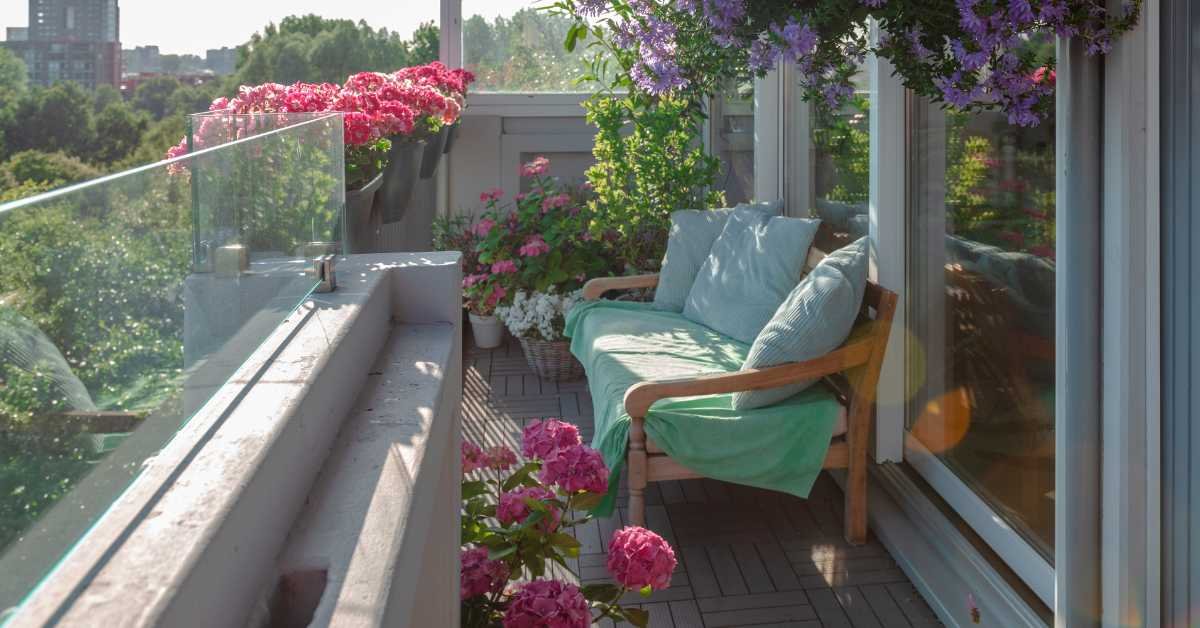
My own balcony is not tiny, and it’s not windy all year. I get good sunlight, and that stays on my balcony most of the day.
However, during the rainy season, like during thunderstorms, I get heavy winds on my balcony, but still not too heavy.
That’s why before writing this post, I didn’t just rely on what I already knew, I also talked to my mother.
And she came from a farming background, so she knows even more than me, she has seen practically “this survives bad weather” farming.
Grow Only Suitable Plants for a Windy Balcony
When you have a limited space in the balcony, and the wind is constant, you have to choose the correct plants suitable for that condition.
The first thing my mother said was very clear:
On a windy balcony, a gardener should avoid tall, soft-stemmed plants.
That means you shouldn’t grow things like tomatoes, chillies, basil bushes, etc. These plants are top-heavy, flexible, and rely on stable conditions.
In the wind, they will become weak over time, and even if they don’t snap, they will stop growing properly.
Instead, she suggested plants that stay low, regrow easily, or don’t care much about wind movement.
Plants That Actually Make Sense for Small, Windy Balconies
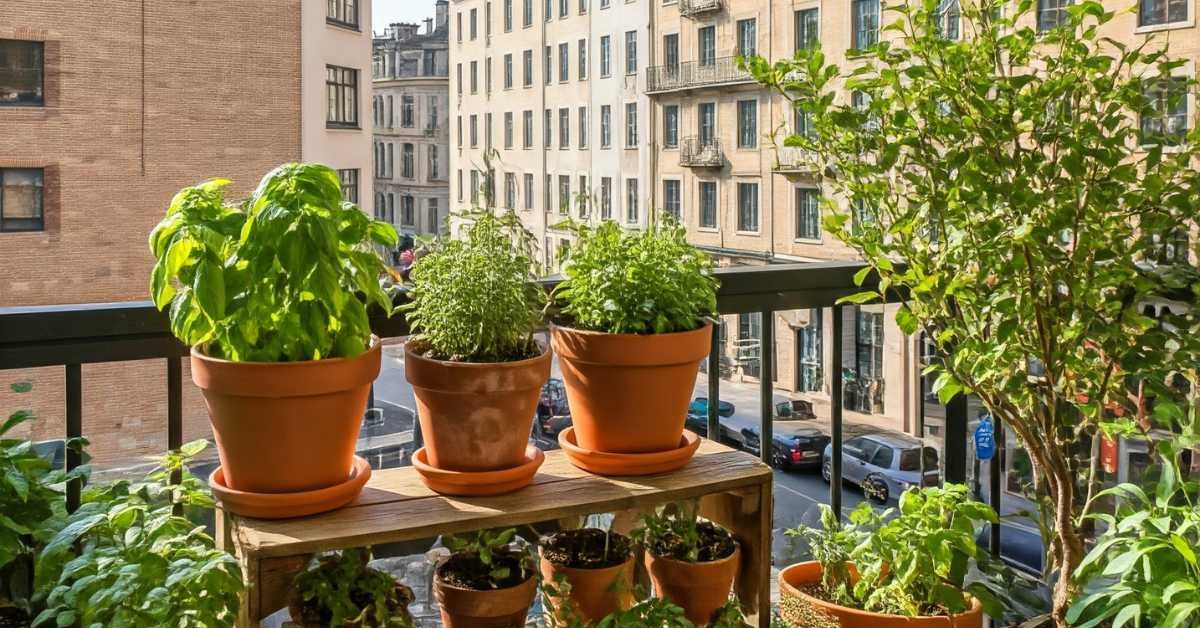
These will work because they’re compact, forgiving, and not dependent on perfect conditions:
- Mint (kept trimmed, you shouldn’t grow tall)
- Curry leaf
- Spring onion or green onion
- Fenugreek (methi)
- Chives
- Indian borage
- Aloe vera
Seasonally, you can also grow:
- Radish
- Carrot (short or round varieties)
All these plants won’t panic when conditions aren’t ideal, like your balcony is too windy.
Pot Size: You should use Smaller Pots
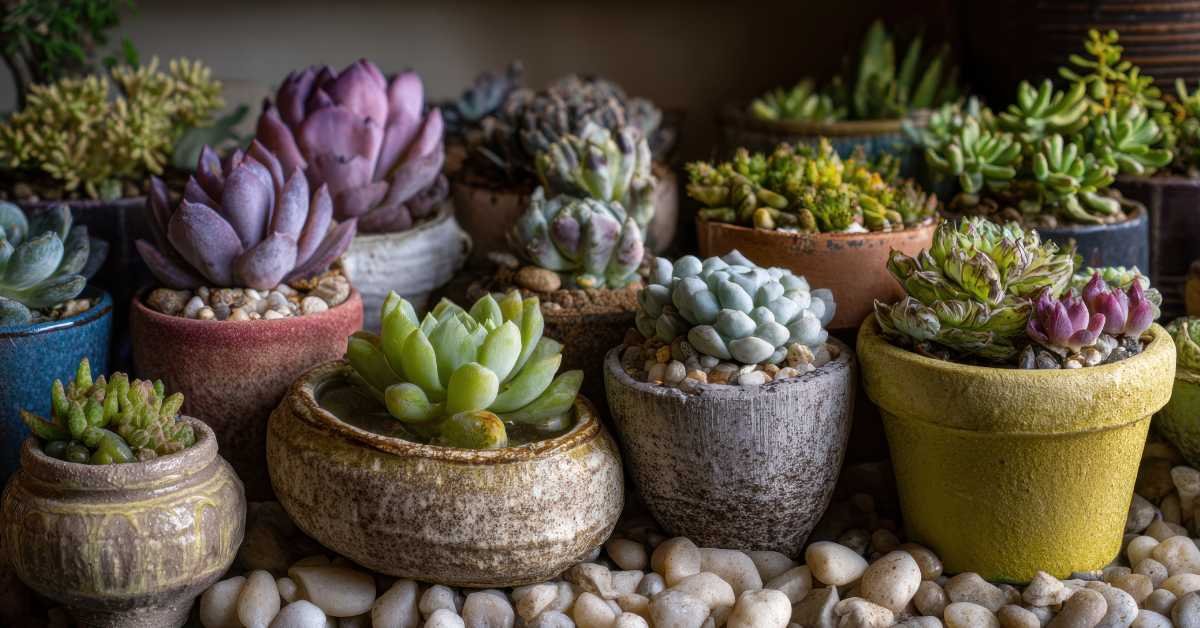
If you think your small balconies need small pots because of space, well, that is true, but not 100%
In the windy balcony, oversized pots filled with light soil are a liability. They will tip, crack, or dry.
My mother’s advice here was simple and very practical.
Ideal pot size for windy balconies
For most of the plants mentioned above:
- Up to 10 inches wide
- Moderate depth (not shallow bowls)
That’s enough root space without creating a top-heavy structure.
However, if you’re growing radish or carrots, then yes, you can go deeper roots, but width still doesn’t need to be excessive.
Choose the Correct Pot Material
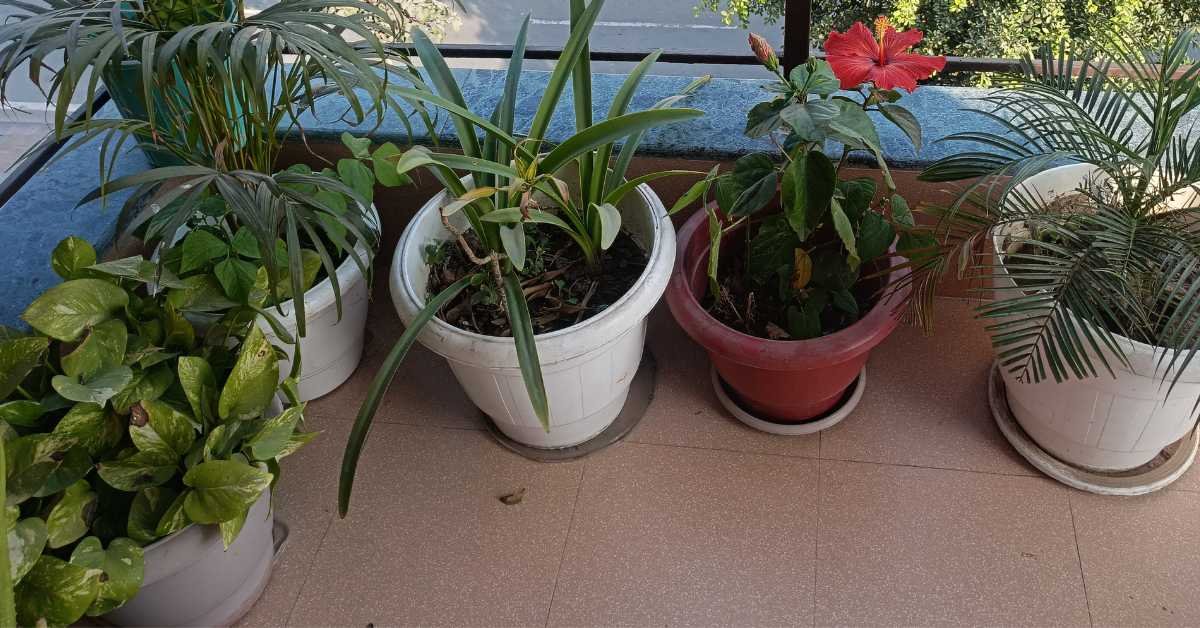
This is where her advice completely disagreed with most “balcony gardening hacks.”
She strongly recommended:
- Clay pots
- Cement pots
Though I asked her that we aren’t using the same ones on our balcony, but she said, they’re good for windy balconies, and much better than thin plastic ones.
And I asked why, she said, the main reason they’re lightweight, though if only plastic pots are available, they can be used too, but plastic pots aren’t the first choice.
Light plastic pots behave like sails in the wind, even sometimes when they’re filled with soil.
They shift, wobble, and sometimes crack from repeated movement, which is not the same in the case of clay and cement.
They sit where you put them, but yes, they’re heavier. That’s the point.
Most Overlooked Stability Hack
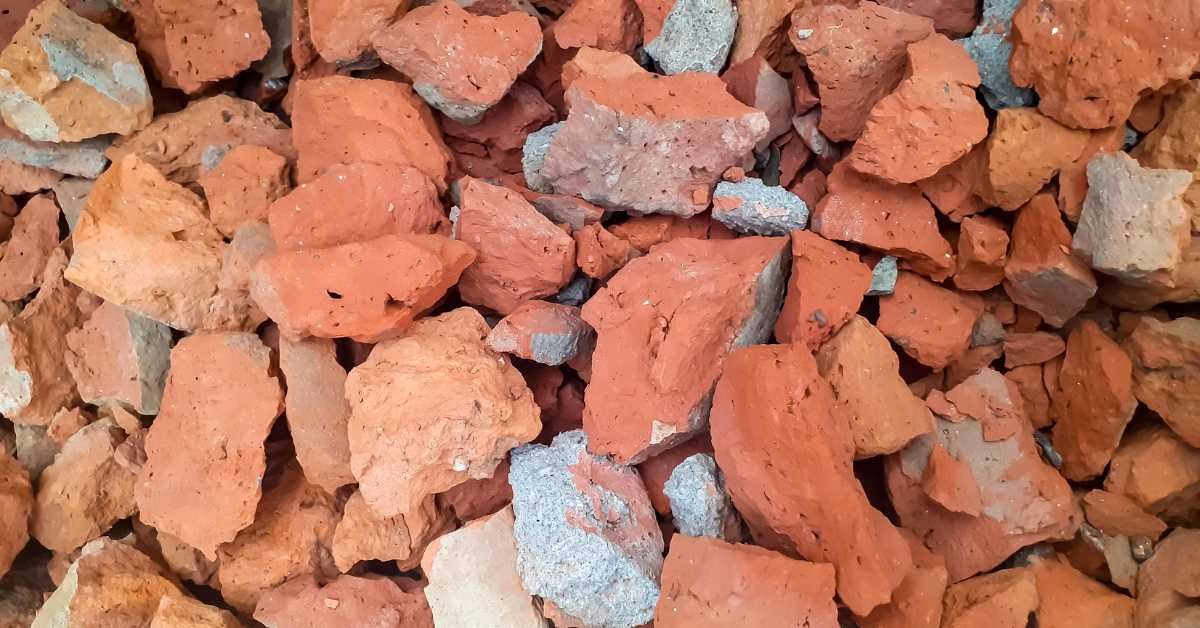
One of the most useful things she mentioned is something that I didn’t know before writing this post.
She said that, before adding soil, it’s good to add broken bricks or stones at the bottom of the pot.
I asked for drainage.
She said NOPE, but for extra weight, which is important for when you’re going to plant something in a windy balcony.
So here is what this does:
- Makes the pot heavier at the base
- Prevents tipping during strong winds
- It will protect the pot from cracking when moved
- Will help root grow without sitting in soggy soil
When the base is heavy, it will keep the plant grounded.
Broken bricks, small stones, crushed concrete pieces, etc, are good choices.
Soil: Why “Fluffy” Is a Problem in Windy Balconies
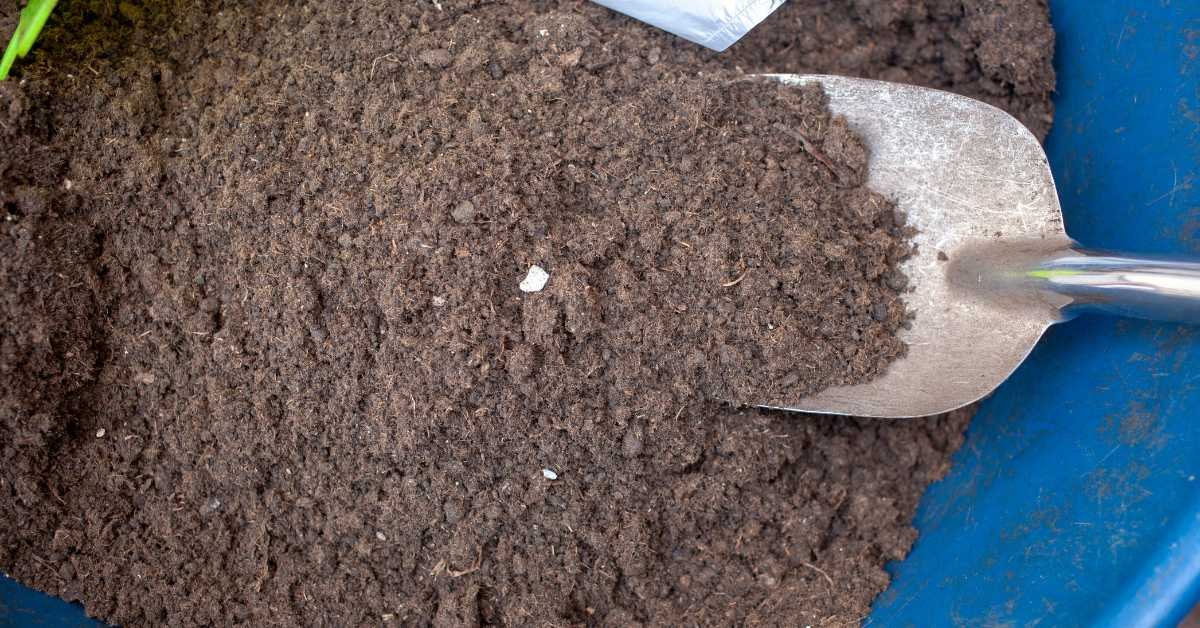
This was the biggest disagreement with YouTube-style gardening advice.
If you watch most videos on YouTube, they’ll push ultra-light, fluffy soil mixes. And I know, they are not wrong, even I use that soil too, and I love it, but it is not good for a windy balcony.
That works in controlled environments. On the other hand, in windy balconies, it will create two problems:
- It will dry out too fast
- It blows away or compacts
My mother’s preferred soil mix is heavier, balanced, and designed to hold moisture without suffocating roots.
Her recommended soil ratio
- 40% garden soil (red soil)
- 30% well-decomposed compost
- 20% sand or crushed bricks
- 10% cocopeat
The cocopeat is not the base; it’s a minor component that will balance moisture.
While sand or crushed bricks will improve drainage without making the mix airy, the garden soil will provide structure and weight.
Use Bigger Plants as Wind Shields
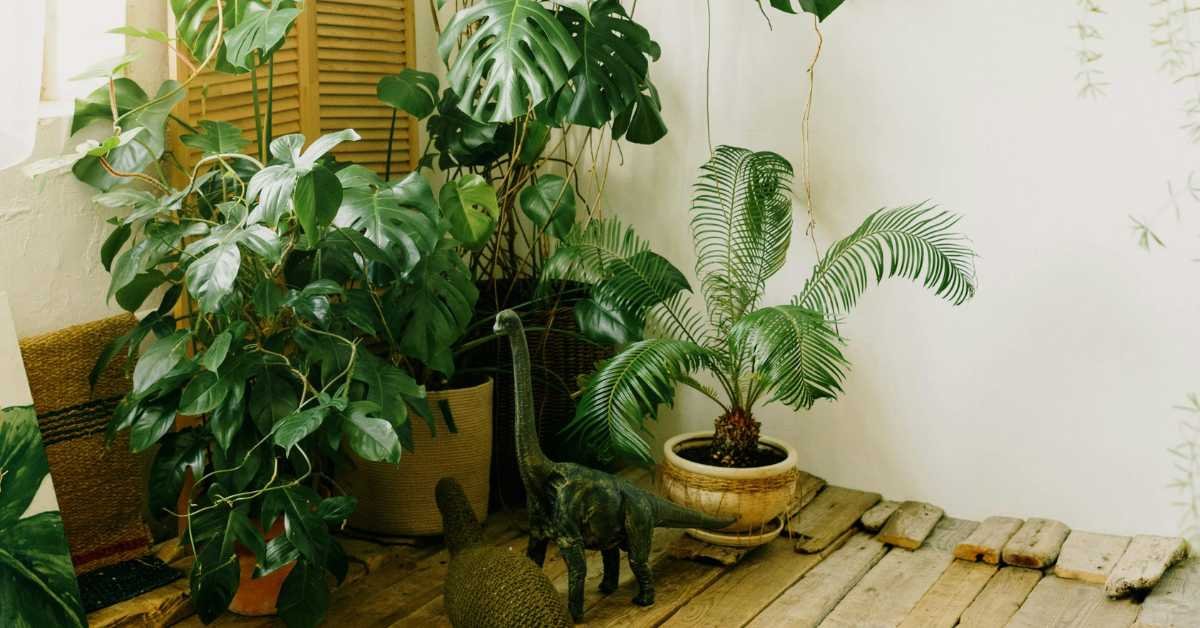
If you already have one or two larger, stable plants in the balcony, like before I started growing vegetables, I also had flower plants, so you should use them strategically.
You can place smaller pots behind larger ones. By doing so, the big pots will act like wind barriers and protect smaller plants.
Even if you have a single plant, it’ll reduce enough wind pressure on herbs.
Water in a Correct Way
Too fast wind will dry the soil, that’s why I want you to make a little change in your watering technique.
My mother was very specific about this:
- Water in the early morning
- Water around the edges, not the center
- Don’t provide water in the evening for watering
If you water around the edges, it will encourage roots to spread outward, which will make your plants more stable.
Besides this, when you water in the morning instead of evening, it’ll allow excess moisture to evaporate slowly without sitting overnight.
Bonuses: Maximize Your Small Balcony Space
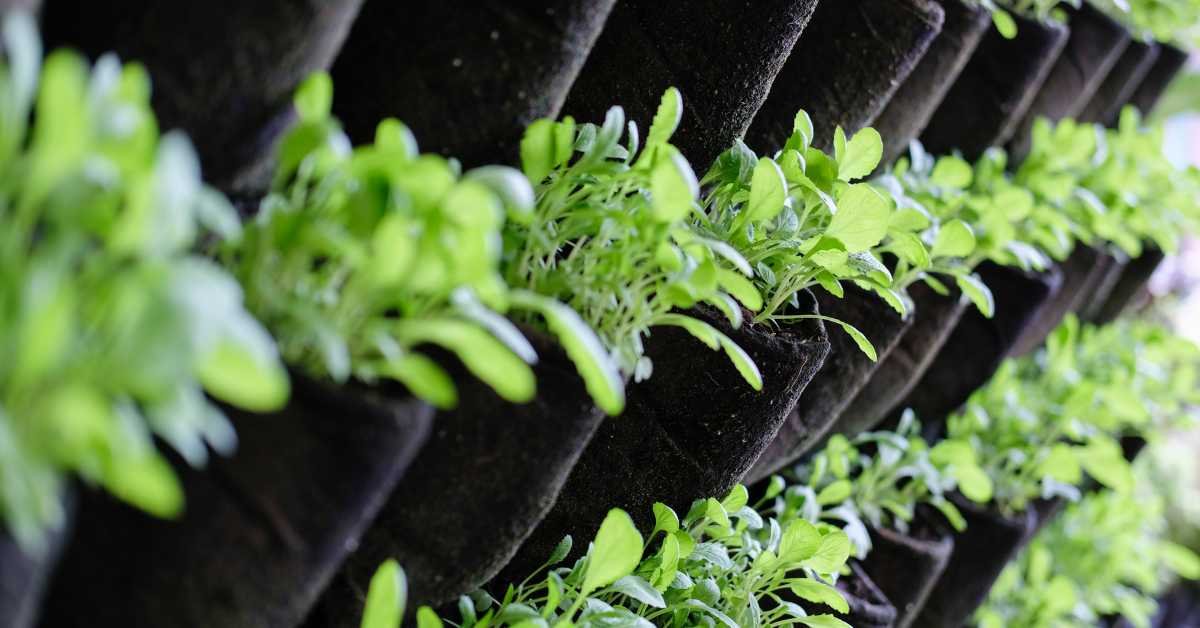
This is my Idea, and I’m following it right now too. So, when your balcony is small, you shouldn’t be limited to the floor.
You should focus on vertical gardening too, like you can use your balcony walls, here’s what you can do:
- Use recycled plastic bottles on the walls
- Install vertical planters
- Stack herbs in tiered systems
Leafy greens, fenugreek, mint, and herbs, especially, will work well if you grow them vertically.
Besides this, wind will affect them less because they would be closer to the walls and have support.
Also read: How to Observe Sunlight Pattern for Balcony Gardening
Conclusion
A small balcony is not bad for gardening; you just need to pay attention to some things.
After discussion with my mother (and from my own observations), I will say: you should grow small plants instead of tall, use soil and pots in a correct way.
As they will help you fight the windy weather conditions.
So, if you follow these basic things, everything will be easy for you. Also, you grow vertically too, using balanced walls to get most of your space.
FAQs
Can I grow tomatoes or chilies if my balcony is windy but gets good sunlight?
You can, but it’s not recommended. Wind stress weakens tall, soft-stem plants over time, even if they don’t break immediately.
If your balcony regularly gets strong winds, tomatoes and chillies usually struggle unless heavily protected. Herbs and compact plants perform far more reliably.
Why are clay or cement pots better than plastic ones in windy balconies?
Weight. Clay and cement pots stay grounded and don’t shift or tip easily. Thin plastic pots act like sails in the wind, even when filled with soil. Movement stresses roots and can crack pots over time.
Is adding broken bricks at the bottom really necessary?
Yes—especially in windy conditions. Broken bricks or stones add base weight, improve drainage, and reduce tipping. This isn’t just a drainage trick; it’s a stability strategy.
Why not use fully fluffy, lightweight potting soil?
Fluffy soil dries out too fast in the wind and can compact unevenly. A slightly heavier mix holds moisture longer, anchors roots better, and stays stable during weather changes. That balance is more important than airiness in exposed balconies.
How often should I water plants on a windy balcony?
There’s no fixed schedule. Wind dries soil faster, so always check moisture by touch. Water early in the morning and focus on the edges of the pot rather than the center. Avoid evening watering to reduce rot and fungal issues.
Can vertical gardening work in windy balconies?
Yes—often better than floor pots. Walls reduce wind impact, and vertical setups save space. Just make sure the structure is firmly mounted and not lightweight enough to sway in strong winds.
What’s the biggest mistake beginners make with small balconies?
Trying to grow what they want instead of what the space can support. Once plant choice, pot weight, and soil balance are aligned with the environment, balcony gardening becomes far less frustrating—and far more productive.

I’m Abraham creator of Balcony Gardening Ideas. I share balcony gardening tips, DIY projects, and hands-on plant care guides based on my own balcony garden experience. I grow vegetables, herbs, and flowers using organic methods and simple setups anyone can follow.