In 2020, I started my balcony garden without a vision board, a checklist, or a perfect plan.
I just asked myself one very boring but practical question: what do we actually use every day in the kitchen?
That question did more for my balcony than any YouTube video or Instagram reel ever could.
However, I had some background in gardening; my grandparents were farmers, so plants weren’t new to me. I had seen how things grow.
But knowing about gardening and actually planning a functional balcony garden are two very different things.
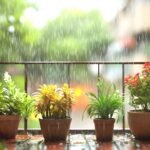
Before the 2020 pandemic, I just had flowers for decoration on the balcony, a few random pots, that’s it.
Everything changed during the lockdown. Like many other people, I had too much free time.
That’s when I seriously started gardening on the balcony.
How I Decided What Plants I Should Grow in My Balcony
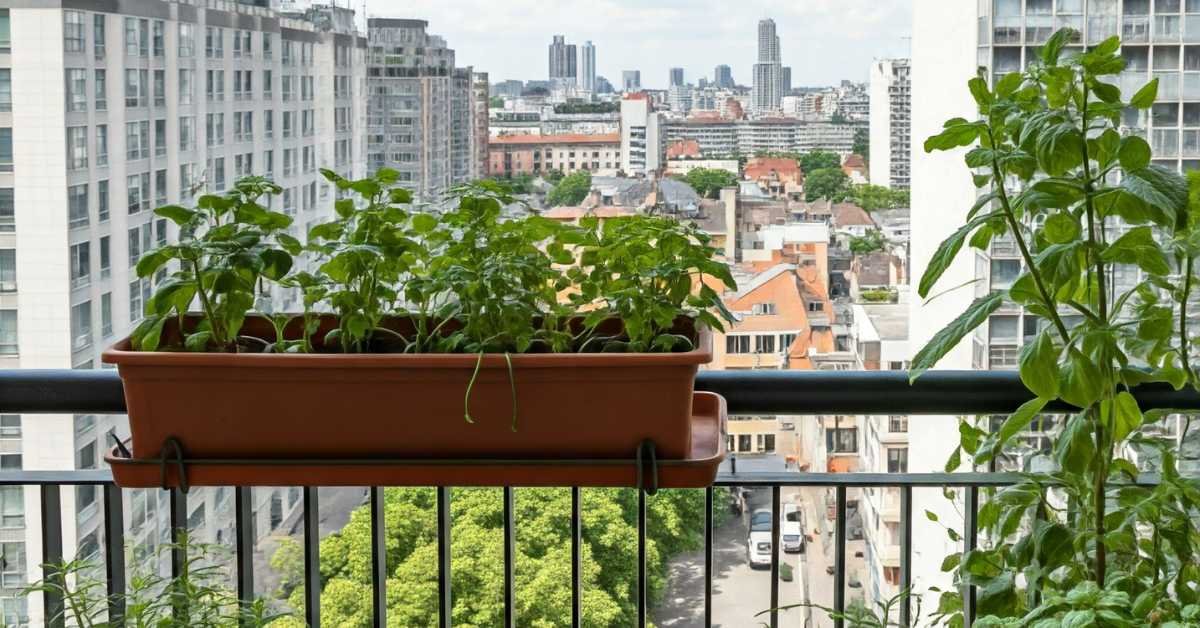
I asked myself a simple question, “What does my mother cook every single day? That I can grow”
The answer was obvious veggies, but can I grow all veggies?
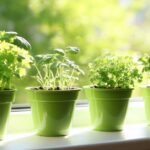
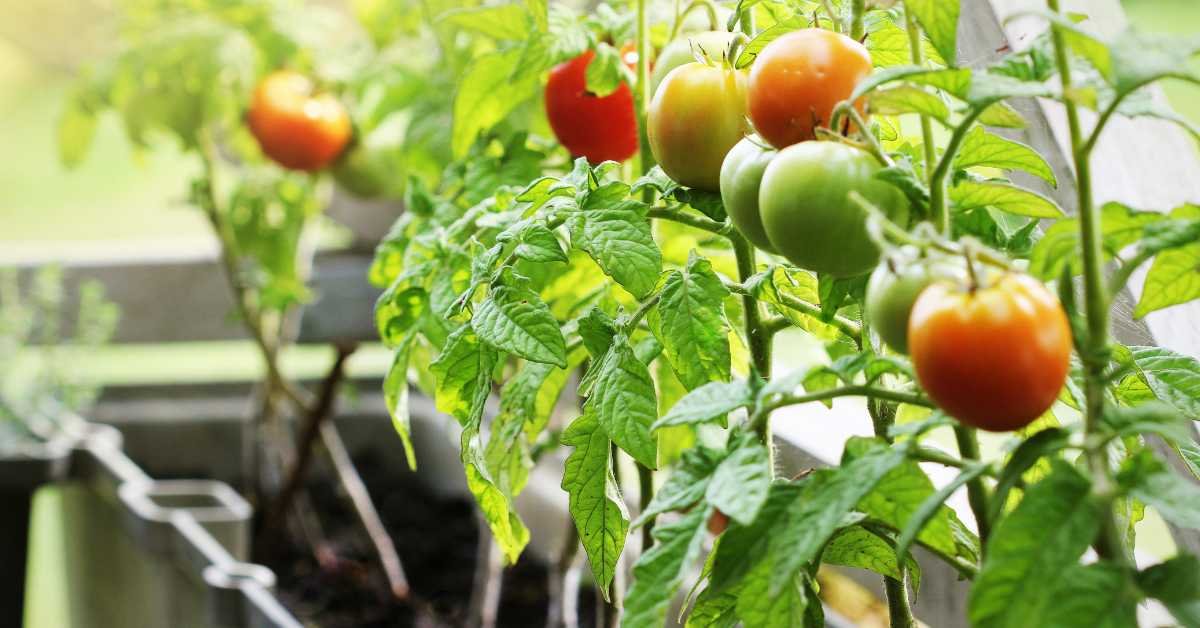
Of course not, so I decided to grow things like coriander, green chilies, tomatoes, and basic herbs. And because when people don’t ask question to themselves they gets wrong when choosing plants.
However, we buy them again and again, plus they disappear quickly as we use them in most recipes.
So growing these easy vegetables quietly solved multiple problems at once:
- I utilized all the balcony waste space and free time
- I started loving gardening more and more
- Grew fresh vegetables for myself
So if you’re starting a balcony garden for the first time from scratch, I would recommend what fits into your daily life.
Maybe you can plan for a sitting, decoration or maybe for fruits, herbs or veggies.
Containers Came From the House
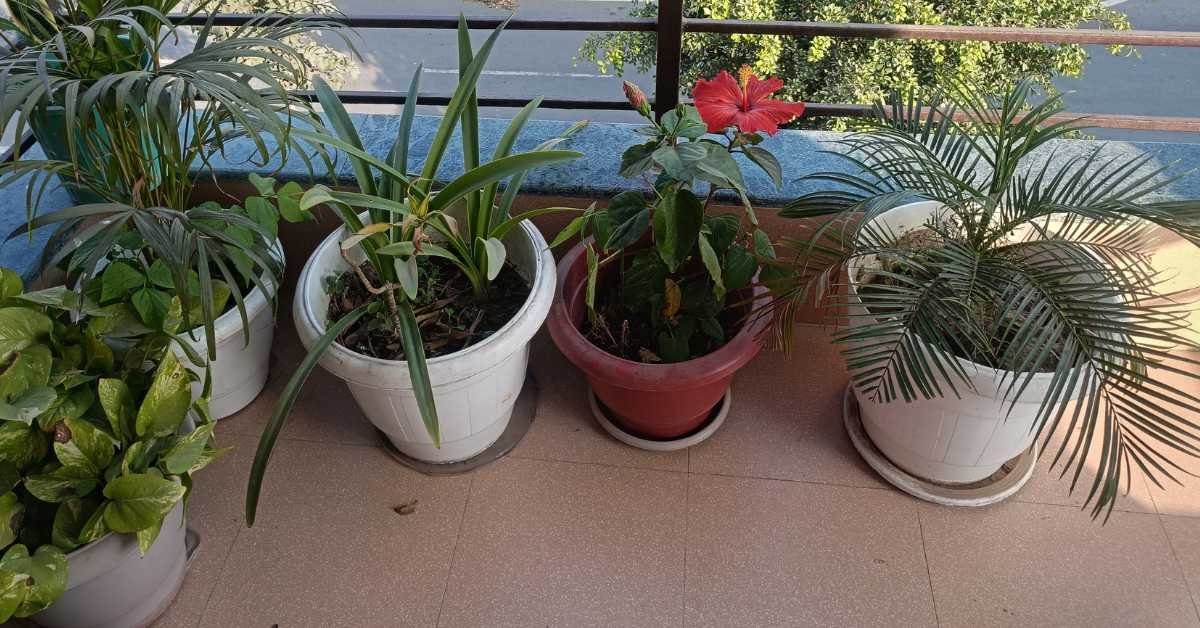
During lockdown, there wasn’t much shopping happening, but even if there was, I probably wouldn’t have bought much.
I used what I already had at home:
- Old buckets
- Plastic bottles
- Existing flower pots
I use it because it was a free and eco-friendly option and available at that time.
After that, I focused on the thing that matters the most:
- Drainage holes (without them, it’s too hard to do gardening)
- I had used plants based on which plant whose root can freely spread in the container
- Airflow
If you’re also going to start growing organic vegetables or whatever you like (herbs, fruits, etc), you shouldn’t put soil in anything that can’t hold water (No drainage).
Used Homemade fertilizer
This part is important because it shaped how I think about gardening even now.
In the beginning, I didn’t buy fertilizer. Not because I was against it, but because I didn’t need it immediately.
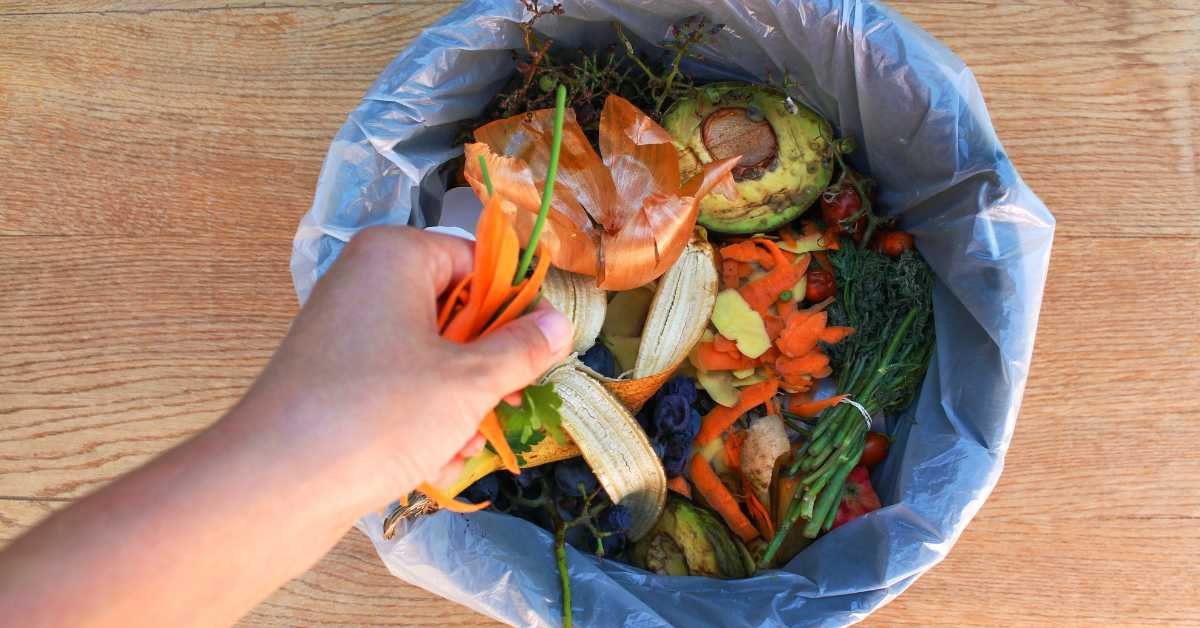
Instead, I started a very simple compost setup inside an old bucket:
- One layer of dry leaves (collected from a nearby tree)
- Soil and Sand (it was a mixture)
- Kitchen scraps (peels, vegetable waste)
- Small air holes in the bucket
That’s it. I kept that bucket covered from the top for about three months. After that, I had the best fertilizer I could’ve asked for.
By that time, many of my vegetables were already growing fine with basic soil.
This taught me something crucial early on: plants don’t need perfection to start; you just need to be consistent.
So, if you’re a beginner in gardening, you shouldn’t overthink that I’ve to be prepared for the “perfect soil” before planting anything.
This will only delay your momentum. You start with whatever you have right now, then by the time you keep improving, that’s what I do.
I Planned Space Around Use, Not Symmetry
A mistake that I noticed in my neighbour’s garden, she treated her balcony like a showroom.
She filled every corner with pots, didn’t think about where they would stand, airflow, access, etc.
For me, it was weird, but maybe she was a beginner (she was new in that house).
However, most of her plants had dried by that time. And I knew it from the beginning, that they’re planting in the wrong way, too many plants that they can’t handle.
I did the opposite.
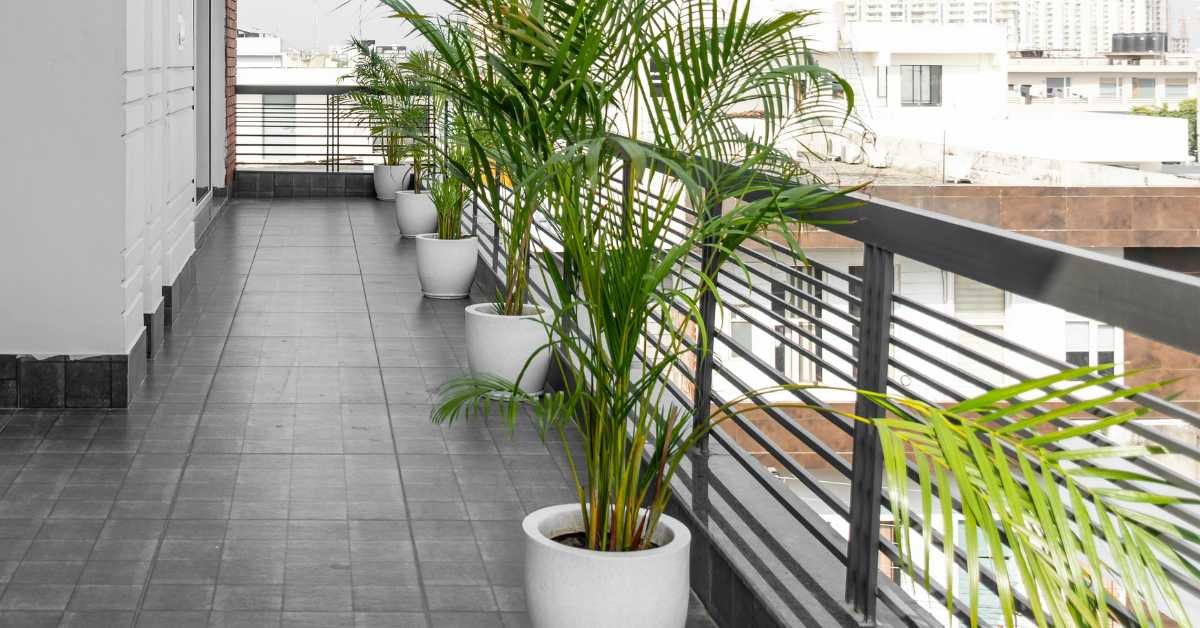
I kept:
- A small sitting space
- Clear walking access
- Most of the balcony is dedicated to food
That’s because I wanted to be able to step out, water quickly, pluck coriander, and go back in without rearranging my life. Also, sit there in lockdown and relax.
Over the years, I’ve tried different layouts, but I never drifted far from that principle.
My balcony exists to produce food first, and everything else is secondary.
I Avoided Many Beginner Mistakes
I didn’t make too many mistakes early on, and I want to be honest about why.
It wasn’t because I knew everything, but my mother used to correct me even if I’d made steps.
Things like:
- Overwatering
- Planting sun-loving plants in low light
- Ignoring drainage
These mistakes are common, and beginners repeat them because no one stops them in time.
I had immediate feedback at home (my mother) just a 1 or 2 times.
But even without that support, the way I planned reduced risk:
- Choose hardy, everyday plants
- I didn’t overcrowd immediately
- Observed before expanding
You will make most mistakes if you start scaling your garden too fast, just because you have enough space.
Expanse if Your Idea Worked
Once markets started opening occasionally, I bought more pots. But notice the order:
- Basic vegetables were already working
- Compost was forming
- Watering rhythm was established, too
Only then did I add:
- More varieties
- Herbs
- Small fruit plants
So, if you’re starting a garden from scratch, you should start with just a few plants (especially when you’re busy and can’t take care of your plants)
What this Planning Approach Really Did
Looking back, the planning itself was simple, or I would say almost boring. But that’s why it worked.
- I planned around daily needs
- Used what I had
- Respected space and limitations
- Improved systems over time
Now my balcony is a place that feeds us.
By the way, after 2020, I’ve also tried many layouts, crops, etc.
Conclusion
When I look back, the balcony didn’t change because I suddenly became good at gardening in 2020.
It changed because I started treating it like part of our daily life, and didn’t try to make it a “perfect garden.” Although I know how to make it, food is my number one priority.
I planned around use, routine, limitations, sunlight, time, containers, and what we actually use in the kitchen.
That’s why if you follow this approach, it will work even now.
FAQs
If I’m starting a balcony garden from scratch, what plants should I begin with?
I started what I needed the most: Coriander, Green chilies, Tomatoes, Spinach, etc., so you can grow them too, grow something else like herbs, fruits like strawberries or tomatoes, flowers, etc.
For beginners, I recommend herbs like mint, basil, curry leaves, etc. You can also try aloe vera, money plant, Tulsi, etc.
What are the most important things to keep in mind when starting a balcony garden?
You have to remember a few basic things, they’re simple but matter a lot:
- Drainage: Every pot needs holes
- Sunlight: Vegetables need more light than ornamental plants, so grow veggies only if your balcony is getting enough sunlight every day
- Start small. You shouldn’t fill your balcony on day one.
- Water with intent. You can touch the soil first and see if it’s dry, and then give it water.
- Plan walking and sitting space: If the layout is inconvenient, you’ll stop enjoying it.
What are some low-maintenance plants for balconies if I don’t have much time?
If your schedule is tight, you can grow plants that forgive neglect. Here are my recommendations:
Edible options:
- Mint
- Green onions
- Curry leaves
- Fenugreek (quick harvest, short cycle)
Non-edible options:
- Aloe vera
- Snake plant
- Money plant
- Jade plant
Do I Need Fertilizers or Compost Right from the Beginning?
Actually, not, but if you don’t have soil, and you’re going to buy that, it’s better to get a little fertilizer too.
But if you already have good soil, proper drainage, sunlight, etc, that is enough to begin.
You can improve compost and fertilizers over time, just like I did:
- Add kitchen scraps slowly
- Use dry leaves
- Let soil build life gradually
Is it better to focus on decoration or food when planning a balcony garden?
That depends on why you’re gardening. For me, it was about food, so I grew food, so now ask yourself what you like.
If your goal is relaxation and aesthetics, you can go with decoration; it will work.
If your goal is usefulness, cost-saving, or self-sufficiency, food will work better.
Personally, I found that food plants automatically create a connection because I care more when something ends up on my plate.
How do I know when to expand my balcony garden?
You can expand after:
- Plants are growing consistently
- Watering feels natural, not forced
- You understand sunlight patterns
If things still feel confusing, expansion will multiply your problems; that’s why I said, start gradually.

I’m Abraham creator of Balcony Gardening Ideas. I share balcony gardening tips, DIY projects, and hands-on plant care guides based on my own balcony garden experience. I grow vegetables, herbs, and flowers using organic methods and simple setups anyone can follow.