DIY self watering balcony planters are the easiest way to keep your plants alive even when you forget to water them. The planter stores water at the bottom, and the soil pulls moisture upward whenever the plant needs it.
You won’t need any expensive tools—most of the things you’ll use are already at home, like plastic bottles, cotton rope, old containers, or jars.
And once you make a few, your balcony garden becomes almost hands-free.
If you’re planning to grow vegetables or herbs in these planters, you may also like Best Herbs for Balcony Garden or Best Soil for Balcony Plants because soil quality matters a lot in self-watering systems.
How a Simple Self Watering Planter Works

A self-watering planter has two main parts:
- A water reservoir at the bottom
- A soil chamber on top
- A wicking system (cotton rope, cloth, or capillary column) moves water upward
When the soil becomes dry, it naturally absorbs water from the lower tank. This prevents overwatering, underwatering, daily watering, and even heat stress on balconies.
You don’t have to fill the water reservoir every day. Depending on plant type and weather, it stays moist for 2–7 days.
DIY Self Watering Planters Using Things Already at Home
Below are the best designs you can make at home with almost zero cost. Choose whichever matches what you already have.
1. Two-Liter Bottle Self Watering Planter (The Easiest Option)
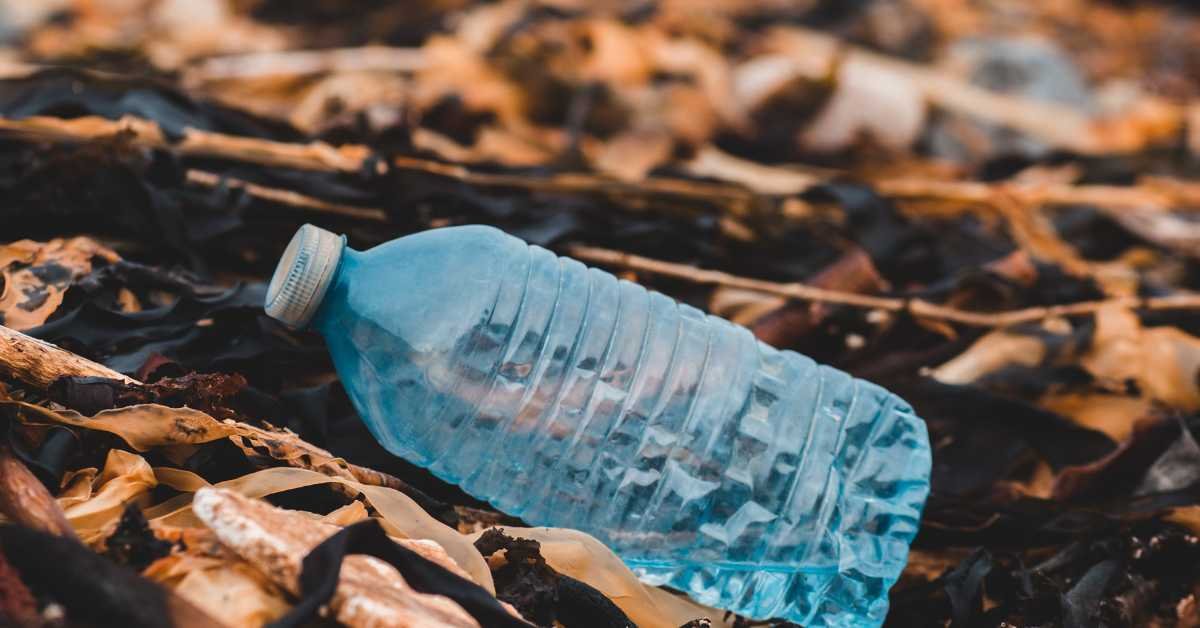
This is the simplest method and perfect for herbs and leafy vegetables.
Material You Already Have
- 1 or 2-liter plastic bottle
- A pair of scissors/knife
- Cotton rope, shoelace, or old cotton cloth strips
- Potting mix
- Water
How to Make It
- Cut the bottle horizontally into two parts.
- Turn the top part upside down (like a funnel).
- Insert a cotton wick through the bottle opening. And hang it 3 to 4 inches below.
- Fill the lower half with water (this is your reservoir).
- Place the inverted top piece into it.
- Fill with potting mix and plant seeds/seedlings.
What to Grow in It
- Mint
- Basil
- Lettuce
- Spinach
- Fenugreek (methi)
- Chives
- Coriander
If you want quick-growing vegetables for these bottles, check Best Vegetables for Balcony Garden.
Self Watering Planter Using Food Containers (Ice Cream, Yogurt, Cake Boxes)
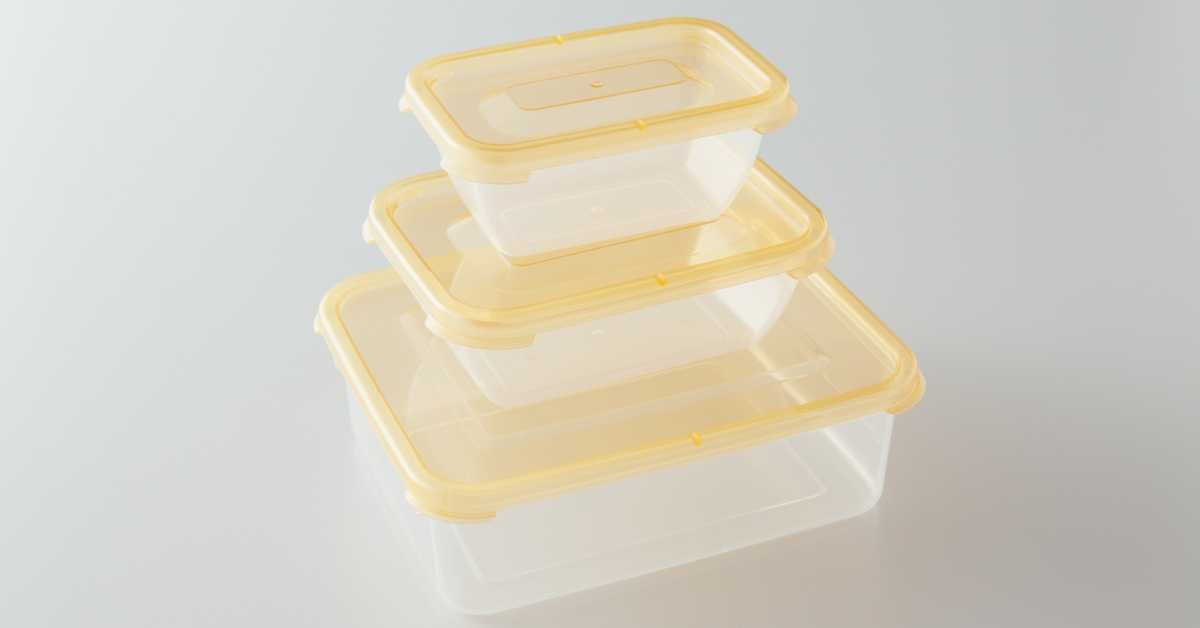
These containers already have lids, which makes building a water tank super easy.
Materials
- Any deep plastic food box
- A smaller inner container or net pot
- Cotton wick
- A skewer or drill (for making holes)
Steps
- Make several holes in the smaller inner pot.
- Insert two thick cotton wicks through those holes.
- Place this smaller pot inside the big container.
- Add water to the bottom container.
- Fill the inner pot with soil and plant your seeds.
This design works amazingly for herbs and root-light vegetables.
Bucket-Style Self Watering Balcony Planter (For Bigger Plants)
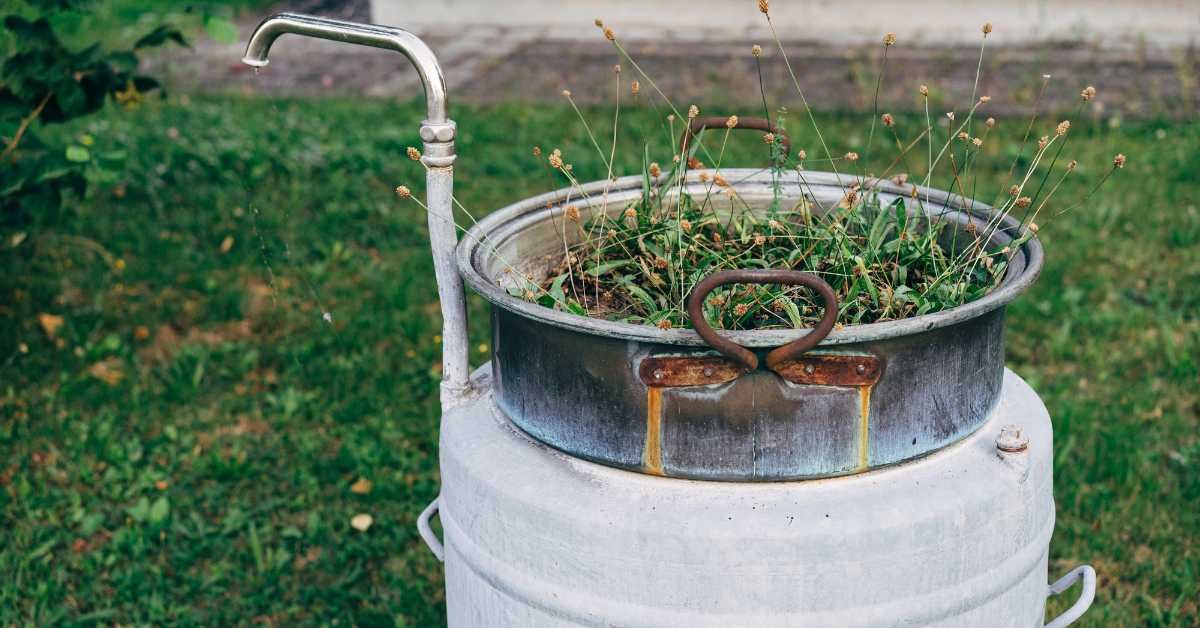
If you want to grow cherry tomatoes, chilies, peppers, or dwarf varieties, build this.
Items You Already Have
- 1 large paint bucket/storage bucket
- 1 small yogurt cup or any tiny plastic cup
- A long wick
- A small PVC pipe or straw (optional but useful)
How to Build
- Make 8–10 holes in the small cup.
- Thread cotton wicks through it, leaving 4–5 inches hanging out.
- Place this cup at the bottom of the bucket.
- Add water around it; the cup will act like a water well.
- Fill the rest of the bucket with a potting mix.
- Plant tomatoes, peppers, or eggplants.
The wick inside the bottom cup will constantly pull water upward.
Self Watering Balcony Tray for Leafy Greens
Imagine watering once every 4–6 days and harvesting leafy greens non-stop. This method lets you grow a lot of greens in one go.
Things You Need
- Any shallow tray (baking tray, old metal tray, fridge drawer, etc.)
- A second tray of the same size (optional but helpful)
- A cotton cloth or an old T-shirt
- Soil
How It Works
- Place a cloth inside the upper tray with ends hanging down.
- Keep the second tray under it filled with water.
- The cloth acts like a wick, pulling moisture.
- Spread soil over the cloth and plant greens.
Great for:
- Spinach
- Microgreens
- Fenugreek (excellent yield)
- Lettuce
If you’re into leafy greens or looking for plants for low-sun balconies, also check Small Balcony Railing Planter Ideas to place these trays properly.
Jar/Glass Bottle Wicking System (No Soil Drying Ever)
If you live in a hot city where the soil dries too fast, this method works like magic.
Items
- A mason jar/glass jar
- A net cup or a small plastic cup
- Cotton rope
- Soil mix
How to Do
- Fill the jar with water.
- Place the cup on top (net cups work best).
- Thread cotton wick through the cup and into the jar.
- Add soil and grow herbs or small greens.
This stays wet for 5–7 days.
Choosing the Right Wick (Most Important Part)
The wick controls how fast the plant drinks water.
Best Wicking Materials
- Cotton rope
- Thick shoelaces
- Pieces of an old T-shirt
- Mop strands
- Cotton bandages
- Wool yarn
Avoid
- Nylon rope
- Synthetic threads
- Very thin strings
They don’t absorb well and will fail quickly.
For soil guidance, read Best Soil for Balcony Plants because bad soil will block the wick and ruin the system.
Best Soil Mix for Self Watering Planters
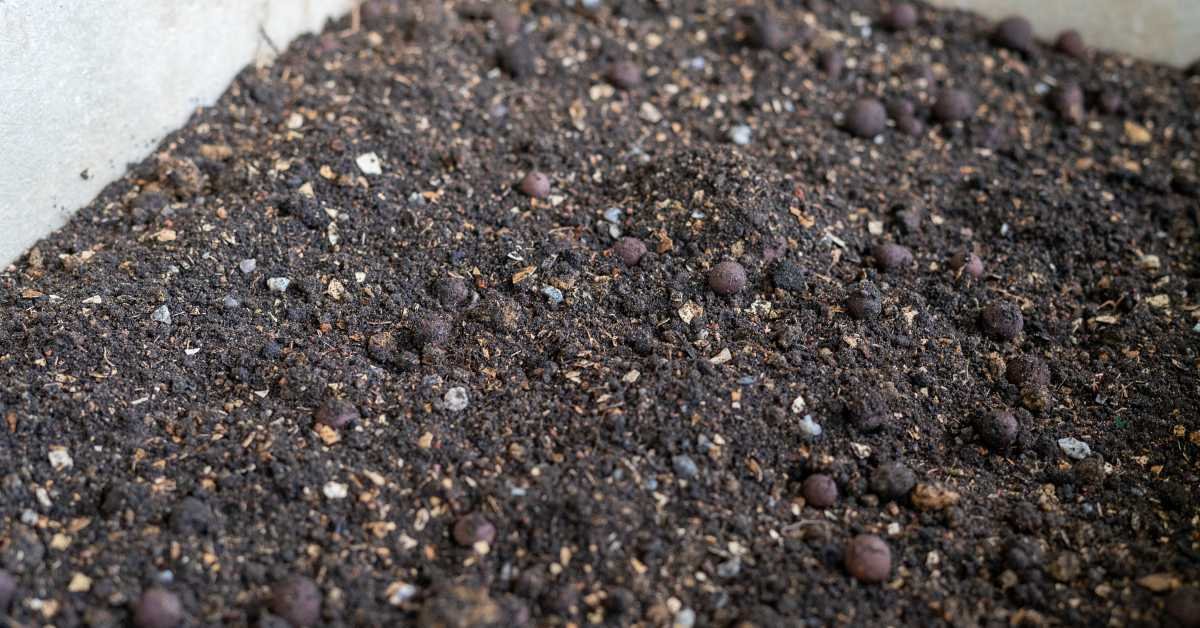
Self-watering planters require light, airy soil so water can move easily.
Use this mix:
- 1 part potting soil
- 1 part compost
- 1 part cocopeat
- A handful of perlite (optional but helpful)
Why this works:
- Cocopeat holds moisture
- Compost gives nutrition
- Perlite gives airflow
- Soil stays loose and never becomes hard or soggy
Which Plants Grow Best in Self Watering Balcony Planters
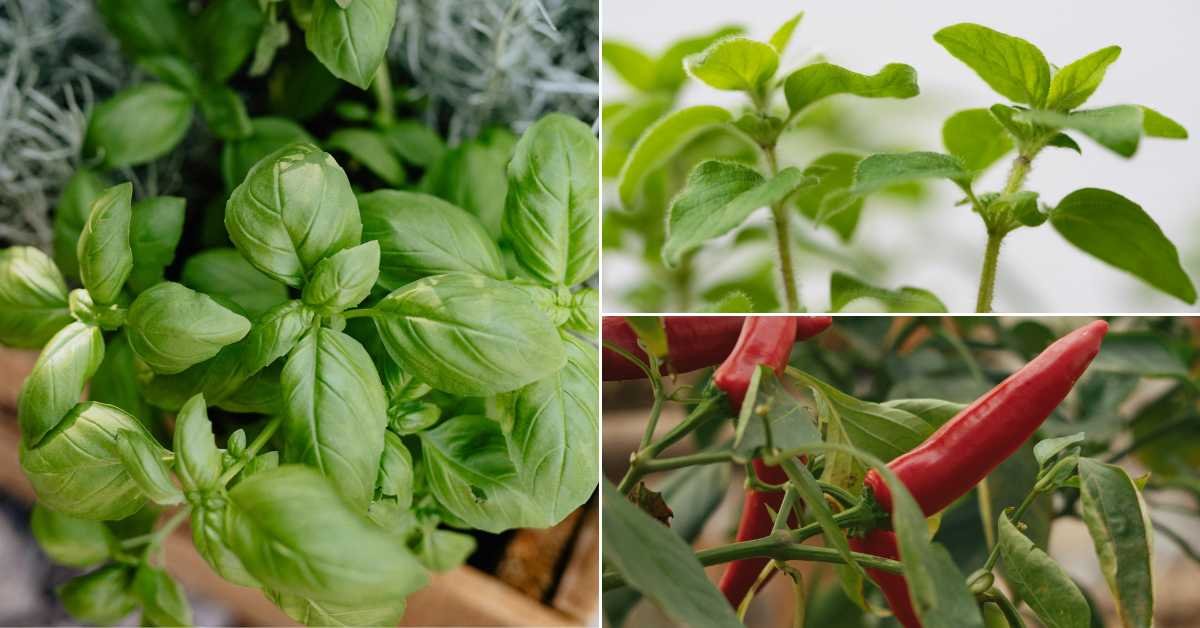
Not all plants like “wet feet,” but most balcony vegetables thrive perfectly.
Perfect Choices
- Basil
- Mint
- Coriander
- Fenugreek
- Lettuce
- Spinach
- Tomato (cherry varieties)
- Chili
- Spring onions
- Kale
- Microgreens
- Oregano
- Chives
Plants to Avoid
- Carrots (need deep, non-wet soil)
- Radish (only mini types work)
- Succulents (hate moisture)
- Rosemary (very sensitive to overwatering)
If you want veggies that thrive even with low maintenance, check: Low Maintenance Balcony Vegetable Garden Ideas.
How to Add a Water Level Indicator (Useful Step Most People Skip)
You can add a simple level checker using:
- A straw
- A small piece of thermocol
- Tape
Steps
- Insert the straw inside the reservoir area.
- Attach a thermocol piece at the bottom (so it floats).
- When water drops, the straw drops. When it’s full, it rises.
This helps you know exactly when to refill water.
Where to Place These Planters on Your Balcony
Placement affects water usage.
Best Spots
- Balcony railing (gets airflow + sunlight)
- East-facing balconies (gentle sunlight)
- Near windows for herbs
- Semi-shade corners for leafy greens
- If you have low sunlight, use planters on the railing ends where the light touches most
For layout inspirations, you can look at Small Balcony Garden Layout Ideas.
How Often to Refill Water
It completely depends on your area’s weather and plant size.
Average Refill Time
- Herbs → every 3–5 days
- Leafy veggies → every 2–4 days
- Tomatoes & chilies → every 1–2 days in summer
- Cold months → once a week
Tips to Make Your Self Watering Planters Work Better
- Elevate the soil chamber so the wick stays loose.
- Never use garden soil alone; it blocks the wick.
- Trim roots occasionally if they grow into the reservoir.
- Add neem powder to the soil to prevent fungus gnats.
- Clean your reservoir every 30–40 days.
- Use thick wicks for big plants (tomatoes, peppers).
Common Problems & Fixes

1. Soil staying too wet
- Wick is too thick → replace with a slimmer wick
- No drainage hole above reservoir → poke 1–2 overflow holes
2. Plant looks weak or yellow
- Lack of nutrients → add compost or liquid fertilizer
- Poor soil drainage → add more cocopeat or perlite
3. Wick not pulling water
- It’s synthetic → replace with cotton
- Wick isn’t touching water → adjust length
4. Mosquitoes breed in water
- Close the reservoir with a lid
- Add a thin cloth layer
- Put a tiny piece of camphor inside the water
Self Watering Balcony Planter Designs Using Scrap Materials
- Plastic Bottle Terraces: Hang multiple bottles vertically. They automatically drip water to the next one.
- Cotton Cloth Bed: Spread cloth over a tray, let the edges dip into a water-filled shallow bowl. Great for leafy greens.
- Old Buckets + Inner Cup: The classic reservoir system.
- Large Storage Box Garden: Perfect for growing 4–6 leafy greens in one container with a long wick.
- Unused Kitchen Utensils: Old sieves, colanders, steel pots — all can become clever self-watering setups.
Conclusion
That’s all you really need to make DIY self watering balcony planters at home. Nothing complicated, nothing expensive. Just some old containers, bottles, a cotton rope, and a good soil mix — and your plants will stay watered even if you forget for a few days.
Once you start using these planters, you’ll notice how relaxed balcony gardening becomes. The soil won’t dry out fast, plants won’t droop in the heat, and you’ll save a lot of time because you don’t need to water daily.
Just keep the reservoir filled when needed and make sure your wick and soil are right. That’s it. Your plants will grow on their own.
FAQs
Will my balcony vegetables actually grow better in self-watering planters?
Yes, they do grow better. Because the soil stays evenly moist, which plants really like. Spinach, methi, coriander, basil, mint, and even small tomatoes grow very well in this system.
On balconies, soil dries fast due to heat and wind, so self-watering basically fixes that issue.
How often do I need to refill water in these planters?
Usually every few days. Herbs can go 4–6 days, leafy greens around 2–4 days, and tomatoes/chilies may need water every 1–2 days when it’s hot.
In winter, you hardly refill once a week. Just check the reservoir level; that’s the easiest way.
My soil is becoming too wet—what’s wrong?
Two reasons:
- Your wick is too thick and sucks too much water.
- Your soil mix is heavy.
- Use a thinner cotton wick and a lighter mix (compost + cocopeat + potting soil). Also, add an overflow hole so extra water doesn’t sit inside.
Can I just use garden soil instead of potting mix?
No, please don’t. Garden soil becomes hard inside containers and blocks the wick completely.
Your plants won’t get air. Use a loose mix: 1 part compost + 1 part potting soil + 1 part cocopeat. This type of soil works perfectly in self-watering systems and doesn’t become muddy.

I’m Abraham creator of Balcony Gardening Ideas. I share balcony gardening tips, DIY projects, and hands-on plant care guides based on my own balcony garden experience. I grow vegetables, herbs, and flowers using organic methods and simple setups anyone can follow.