If you want your balcony plants, whether vegetables, herbs, flowers, or even small fruits, to grow healthier, greener, and actually give you good harvests, then using organic fertilizer is one of the most important parts of balcony gardening.
Synthetic fertilizers work fast, but they also burn roots, destroy soil life, and won’t give you long-term results.
Organic fertilizers, on the other hand, improve soil structure, feed plants slowly, increase microbial activity, and make your balcony garden soil fertile over time.
In short: the best organic fertilizer for balcony gardens is the one that improves soil health and gives plants a steady-release of nutrients—like homemade compost, vermicompost, banana peel fertilizer, eggshell powder, bone meal, seaweed tea, fish emulsion, or even simple kitchen-scrap brews.
Why Organic Fertilizers Work Better in Balcony Gardens
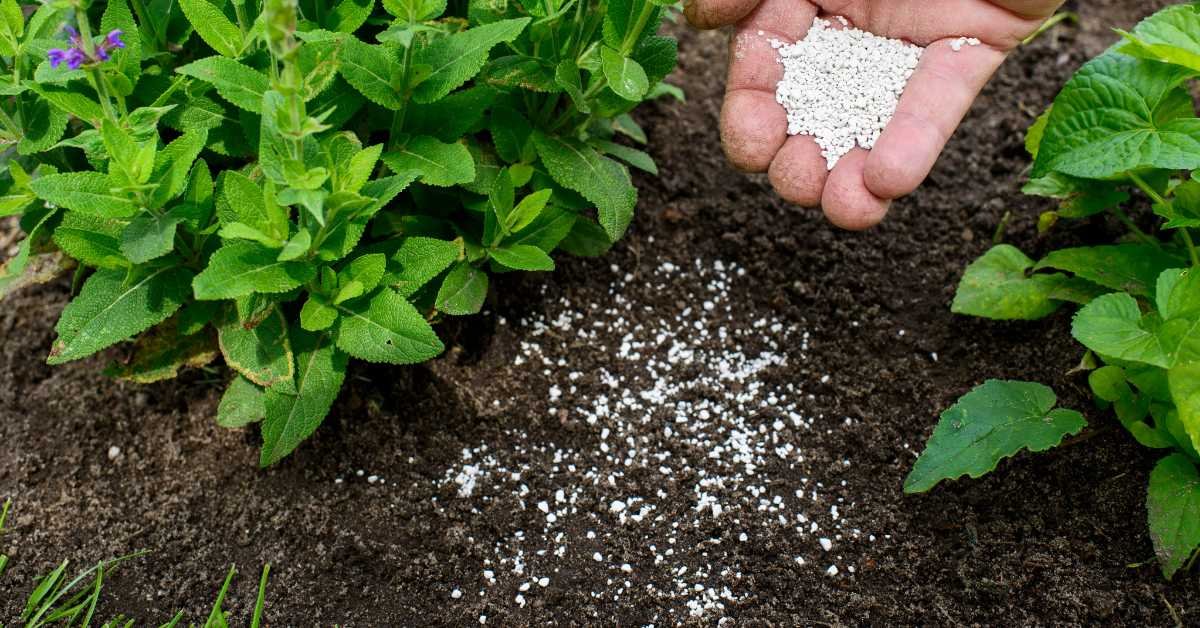
Balcony gardens mostly grow in pots, containers, or grow bags. These dry faster, nutrients flush out quickly, and plants usually get root-bound. So they need fertilizers that do more than just “feed”. They need fertilizers that:
- Improve soil structure
- Hold moisture longer
- Increase microbial activity
- Prevent nutrient leaching
- Provide slow, steady nutrition
Organic fertilizers do exactly that. That’s why balcony vegetables, herbs, greens, flowering plants, and fruiting plants respond extremely well to natural fertilizers.
When Should You Fertilize Balcony Plants?
Here’s a very simple rule I follow for all my container plants:
- Seedlings: No fertilizer for the first 10–14 days.
- Young plants (2–4 weeks old): Very light feeding (diluted liquid fertilizer).
- Vegetables & fruits: Feed every 10–15 days.
- Herbs: Feed lightly once every 3–4 weeks.
- Flowering plants: Feed every 7–10 days during the blooming season.
If you live in a hot area, you will also want to follow summer balcony plant care properly.
How to Make 10 Powerful Organic Fertilizers at Home
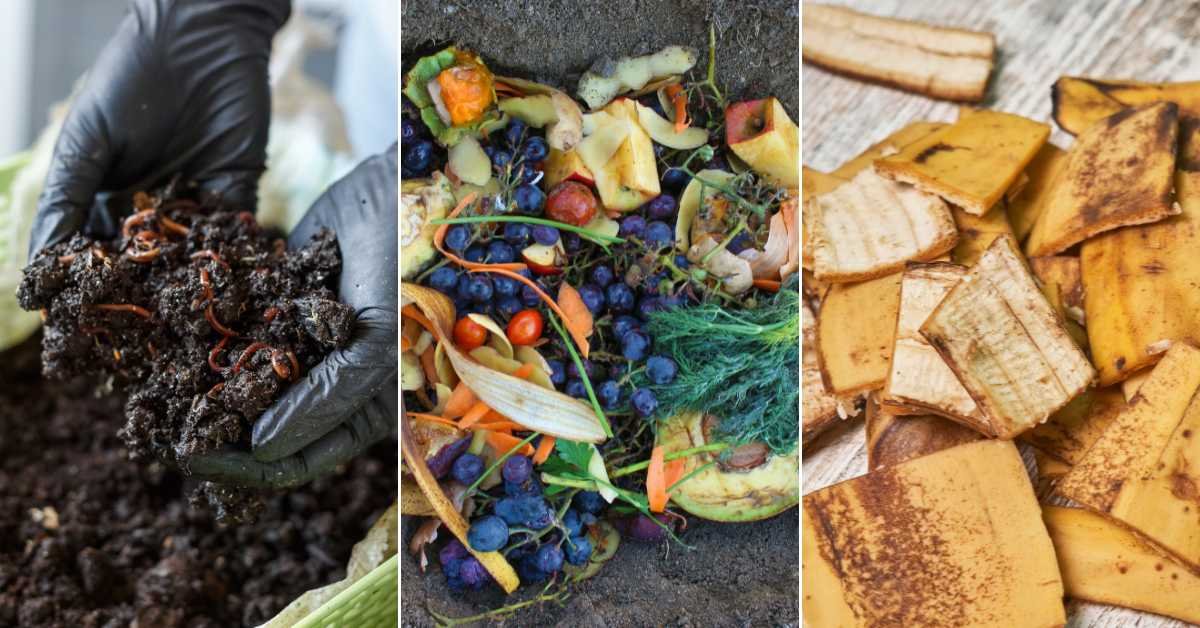
All of these work for vegetables, flowering plants, herbs, and fruiting plants. I’ll also tell you how to use them, how much to use, and for which balcony plants they are best.
1. Vermicompost (Earthworm Compost)
Why it’s amazing
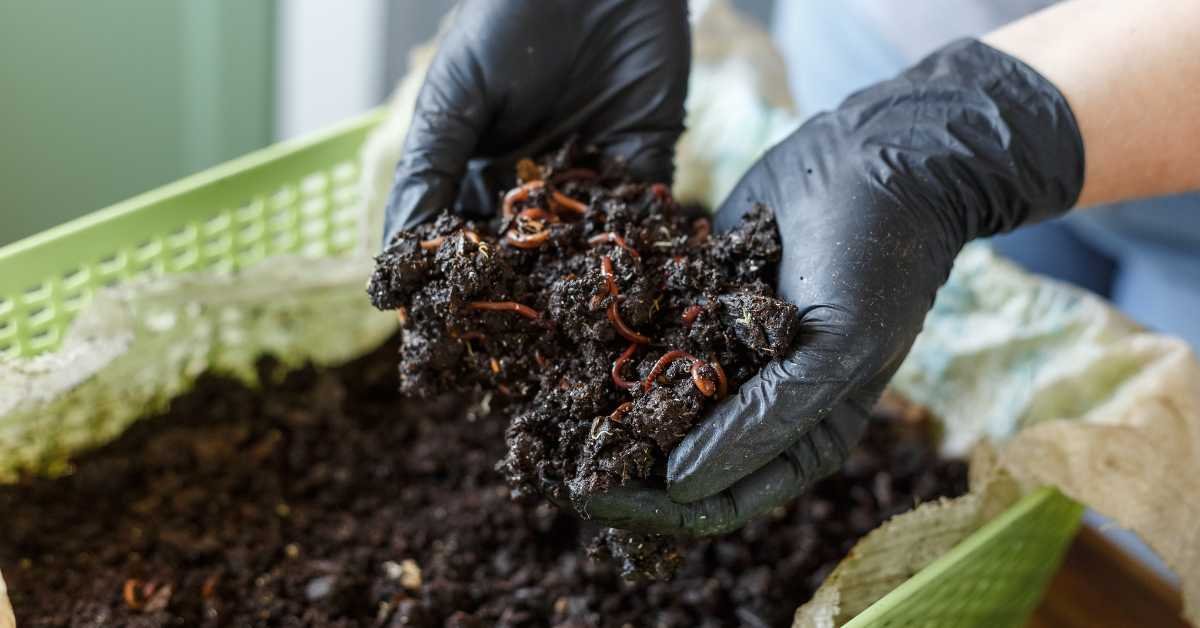
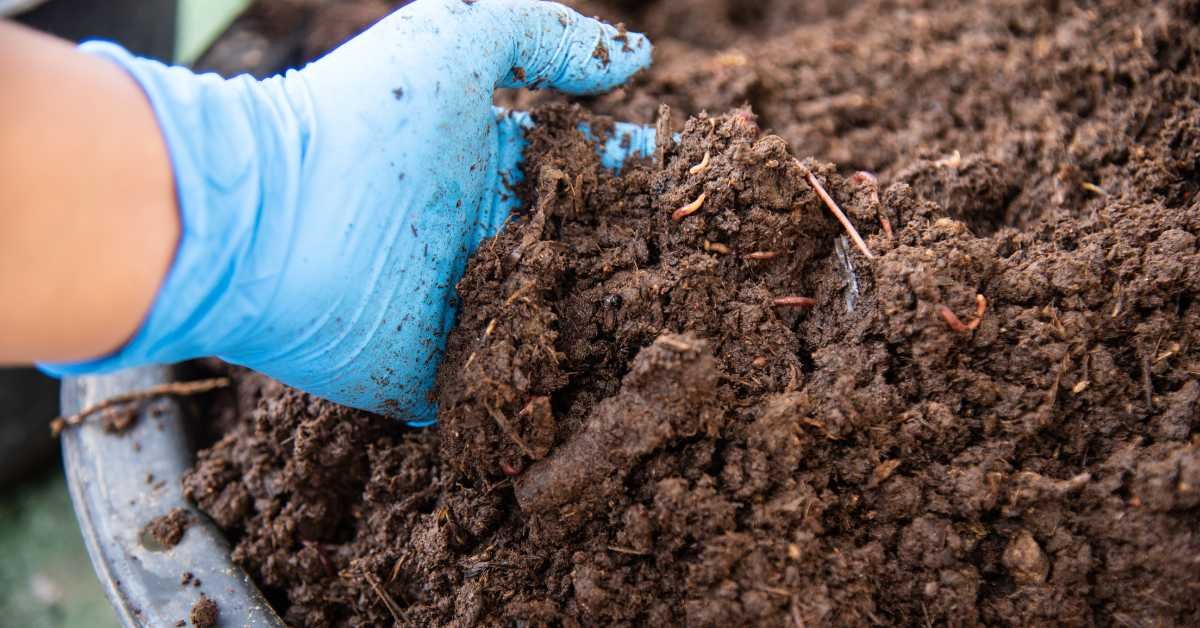
Vermicompost is one of the richest organic fertilizers you can have in a balcony garden. It improves soil structure, moisture retention, and provides NPK in a natural way.
How to make it
If you have space on your balcony or kitchen corner, you can easily create a worm bin.
You need:
- A plastic tub with holes
- Vegetable kitchen scraps
- Cocopeat or shredded paper
- Earthworms (red wigglers)
Layer scraps + cocopeat + worms and keep moist (not wet). Within 30–45 days, you’ll get black, crumbly vermicompost.
How to use
- Mix 20–30% vermicompost into potting soil.
- For existing plants, add 2–3 handfuls every 20–25 days.
- For sensitive herbs, add half the amount.
Perfect for: tomatoes, chilies, leafy greens, flowering plants, and herbs.
2. Homemade Compost (Kitchen Compost)
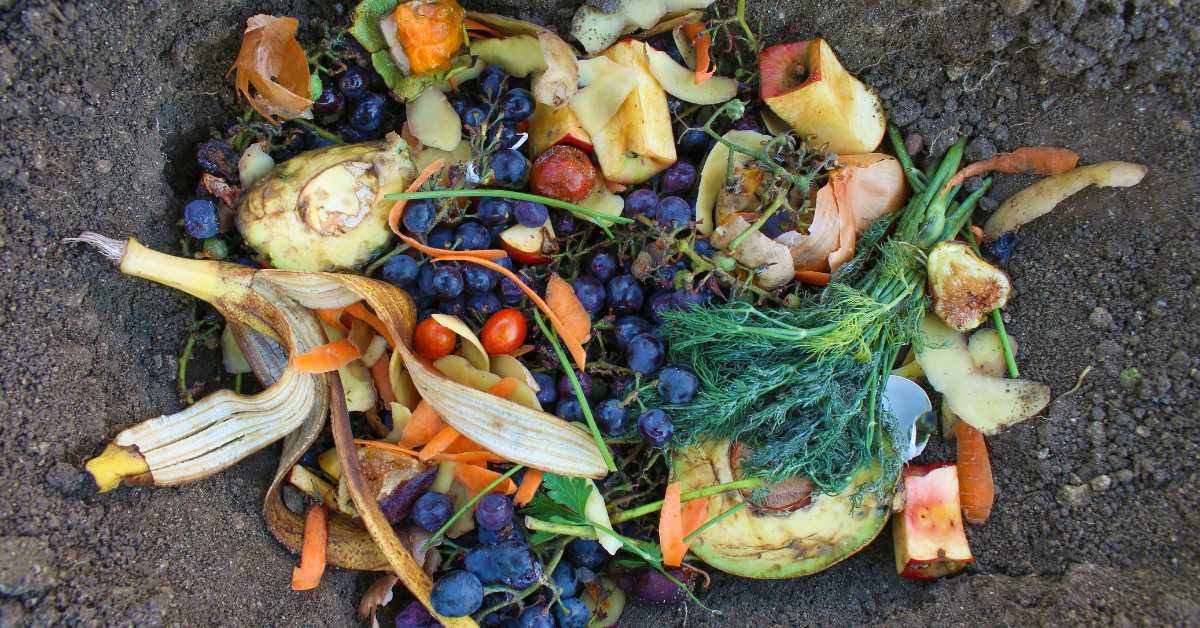
If you don’t want to buy anything, this is the best free organic fertilizer.
How to make it easily in small spaces
Use a small bucket or container:
- Add veggie scraps, tea leaves, coffee grounds, fruit peels
- Add dry material: cocopeat, cardboard, dry leaves
- Keep moist
- Stir every 3–4 days
Within 30–60 days, you get a nutrient-rich compost.
How to use
- Add 20–25% compost into the soil mix
- For potted plants, add 1 handful every 15 days
Good for all plants, especially heavy feeders.
3. Banana Peel Fertilizer (Potassium Booster)
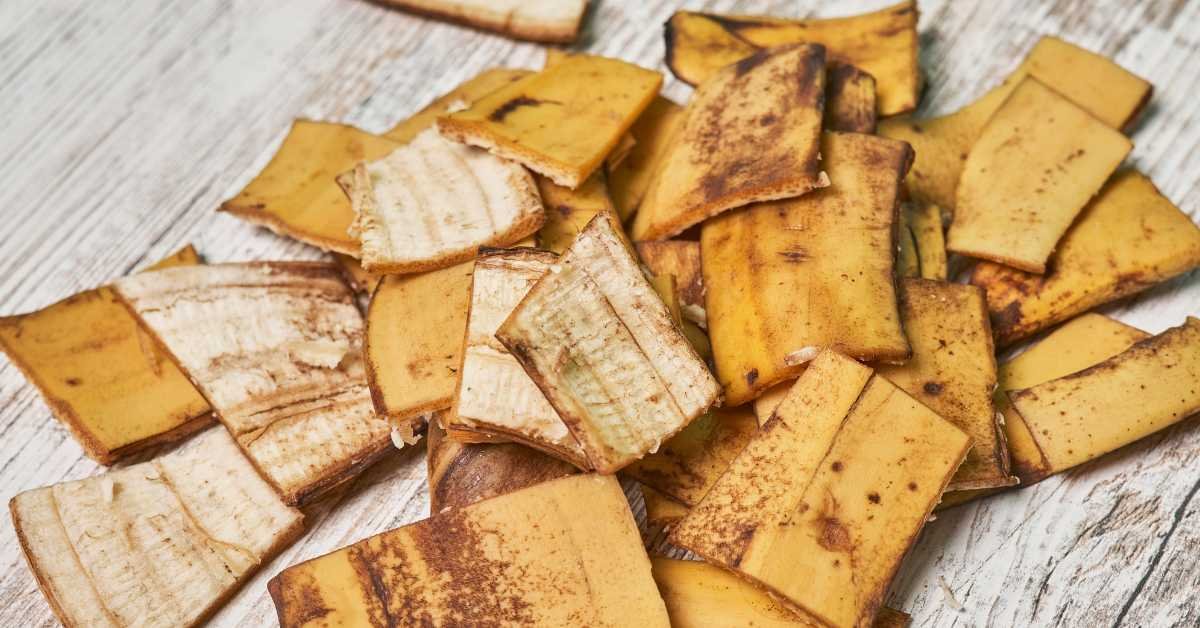
Perfect for flowering plants & fruiting vegetables, because banana peels are loaded with potassium.
How to make
You can use banana peels in 3 ways:
A) Banana Peel Water
- Soak 2–3 peels in 1 liter of water for 48 hours
- Strain and use
B) Banana Peel Powder
- Dry peels under the sun
- Grind them
C) Banana Peel + Eggshell mix
Ideal for roses, tomatoes, and peppers.
How to use
- Add 1 spoon of powder per pot
- For water, dilute 1:3 and use every 10–12 days
Perfect for roses, hibiscus, tomatoes, chilies, cucumbers, and strawberries.
4. Eggshell Calcium Powder (For Strong Stems & Fruits)
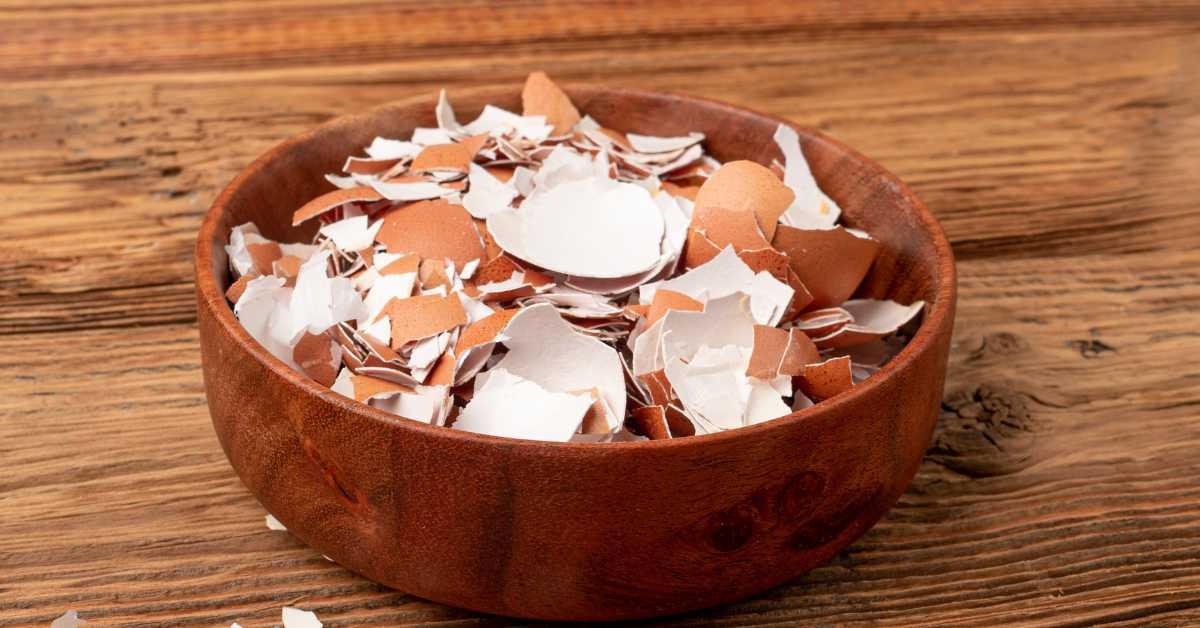
Plants often face calcium deficiency, especially tomatoes and chilies (blossom end rot).
How to make
- Wash eggshells
- Dry in sunlight
- Crush/blend into powder
How to use
- Add 1–2 teaspoons to the potting mix
- Or mix with banana peel powder for balanced nutrients
Great for: tomatoes, peppers, eggplants, and flowering plants.
5. Epsom Salt (Magnesium + Sulfur)
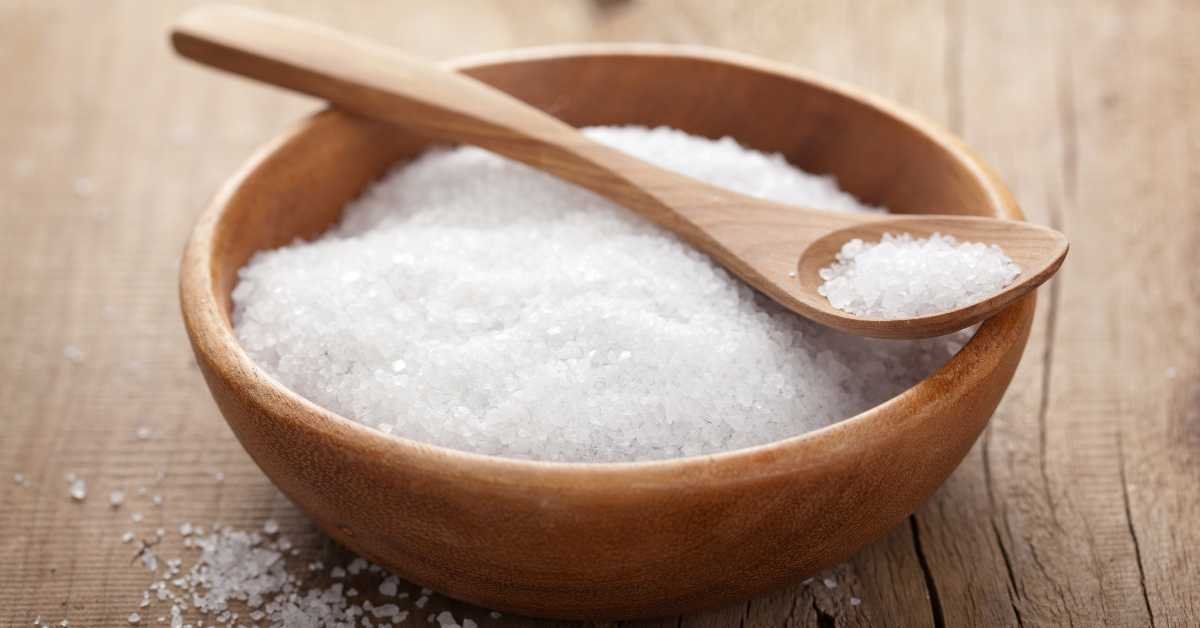
Magnesium helps plants stay green, improves photosynthesis, and boosts flowering.
How to use
- Mix 1 teaspoon in 1 liter of water
- Use once every 15 days
Perfect for chili plants, tomatoes, flowering plants, and herbs.
6. Seaweed Fertilizer (Homemade Liquid)
Seaweed is one of the strongest organic plant growth boosters. It improves root growth and increases disease resistance.
How to make
If you live near the sea or can get dried seaweed:
- Wash salt from seaweed
- Cut into small pieces
- Ferment in a bucket of water for 2–3 weeks
- Strain and store
How to use
- Mix 1 cup of seaweed water in 1 liter
- Spray on leaves every 10 days
It works amazingly on herbs, leafy greens, flowering plants, and fruit-bearing plants.
7. Fish Emulsion (Strong Nitrogen Source)

Great for plants that need leafy growth.
How to make (simple method)
- Take leftover fish waste
- Add jaggery or brown sugar
- Add water
- Ferment for 2 weeks
Smell is strong, but it’s powerful.
How to use
- Dilute 1:15
- Add to the soil every 15 days
Perfect for spinach, fenugreek, lettuce, and herbs.
8. Compost Tea (Quick Liquid Fertilizer)
If your plants look weak and pale, compost tea gives quick nutrition.
How to make
- Add 1 cup of compost to 1 liter of water
- Leave for 24 hours
- Strain
How to use
- Pour directly into the soil
- Spray on leaves every 7–10 days
It improves microbial life and boosts growth.
9. Neem Cake Powder (Natural Pest-Preventing Fertilizer)
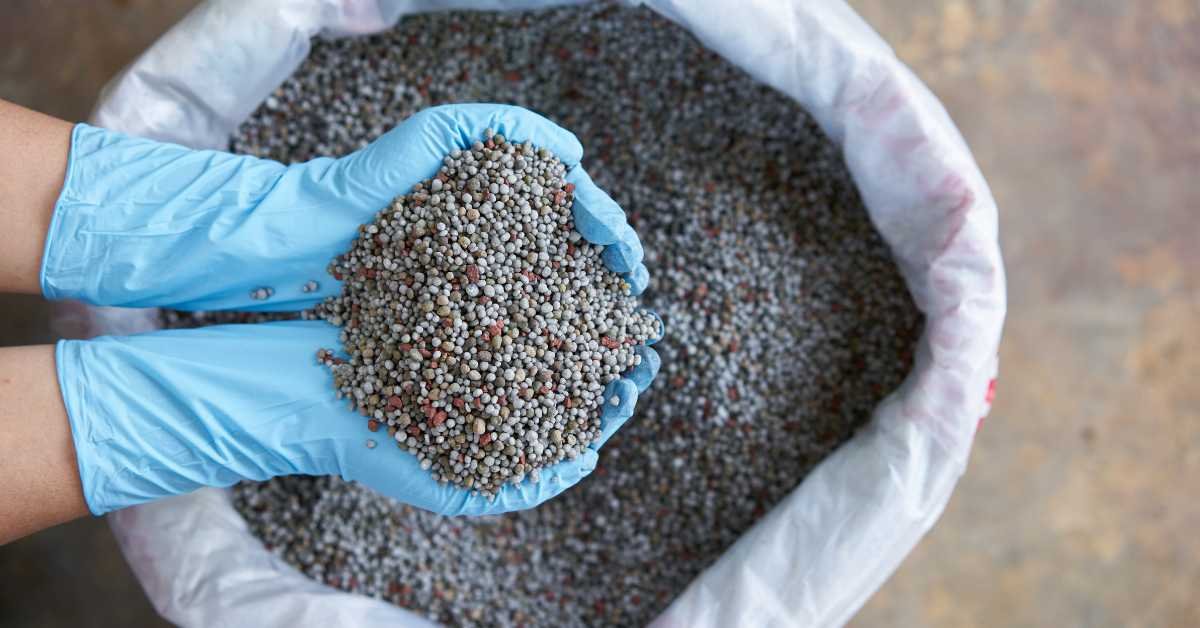
Neem is both a fertilizer + pesticide.
How to make
You can buy neem cake or make powder using dried neem leaves and seeds.
How to use
- Add 1–2 spoons of soil
- Or mix with water and leave for 48 hours → use as neem tea
This prevents fungus and soil pests.
10. Onion Peel Fertilizer (Trace Minerals)
Onion peels are rich in potassium, calcium, and antioxidants.
How to make
- Soak dry onion peels overnight
- Water becomes golden
How to use
- Use as watering every 7–10 days
- Especially good for flowering plants and leafy vegetables
How Much Organic Fertilizer Should You Use?
Because you’re gardening on a balcony, using too much fertilizer can easily burn roots. Follow this simple rule:
- Dry fertilizers: 1–2 handfuls per medium pot
- Liquid fertilizers: Use once every 10–15 days
- Fast growers (spinach, methi): Light feeding every 7–10 days
- Slow growers (rosemary, sage): Once in 3–4 weeks
Best Fertilizer Plan for Balcony Vegetables
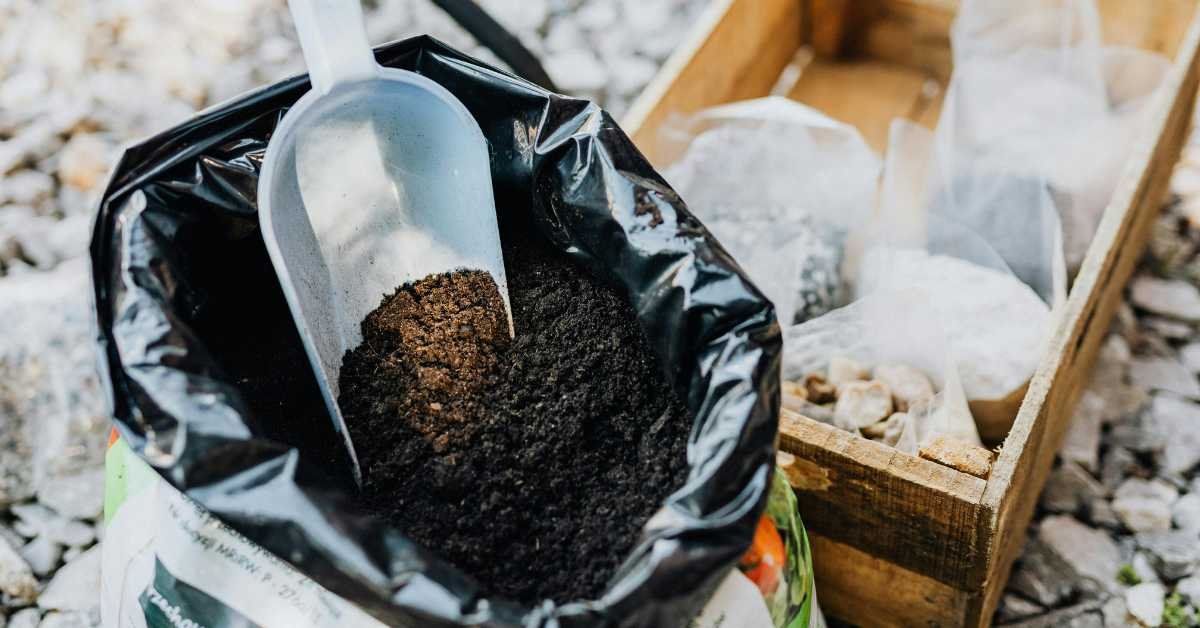
To make this extremely easy, here is a simple feeding schedule:
Leafy Greens (Spinach, Methi, Lettuce)
- Every 10 days: compost tea
- Every 20 days: vermicompost
- Every 30 days: fish emulsion (light)
Fruiting Vegetables (Tomatoes, Chilies, Cucumbers)
- Every 15 days: banana peel water
- Every 20–25 days: vermicompost
- Every month: eggshell powder
Herbs (Basil, Mint, Coriander)
- Every 2 weeks: diluted compost tea
- Avoid strong fertilizers
You can also check the best herbs for balcony gardens.
Organic Fertilizers That Work Instantly (Quick Boost)
When plants look dull, yellow, or slow, these give fast results:
- Compost tea
- Seaweed spray
- Onion peel water
- Epsom salt spray
Spray in the evening for best results.
How to Know If Your Plants Need Fertilizer
Here are signs you should never ignore:
- Yellowing leaves
- Slow growth
- Small fruits
- No flowering
- Leaves curling
- The soil is drying too fast
- Plants staying the same size for weeks
Before fertilizing, you should also make sure your soil structure is correct. If it drains poorly, use this guide Balcony garden drainage solutions.
How to Apply Organic Fertilizers Correctly
Dry Fertilizers
- Loosen topsoil gently
- Add fertilizer
- Water lightly
Liquid Fertilizers
- Always dilute
- Never apply during the hottest time of the day
- Spray under leaves for better absorption
Best Potting Mix + Fertilizer Recipe for Balcony Gardens
Here’s a foolproof mix that works for almost every plant:
- 40% potting soil
- 30% compost/vermicompost
- 20% cocopeat
- 10% perlite or sand
- 1 spoon neem cake
- 1 spoon banana peel powder
- Pinch of eggshell powder
This mix holds nutrients and moisture perfectly for balcony containers.
Extra Tips to Boost Fertilizer Performance
- Use mulch (dry leaves/coco chips) to keep soil cool
- Water deeply, not frequently
- Repot root-bound plants
- Use bigger containers for fruiting vegetables
- Rotate fertilizers—don’t use the same one repeatedly
- Check plants weekly during the summer
If you’re doing vegetable gardening, this guide helps: Low-maintenance balcony vegetable garden ideas.
Conclusion
These are the 10 best organic fertilizers you can use for any balcony garden—whether you’re growing vegetables, herbs, flowers, or even small fruiting plants.
And the good thing is, most of them are made from regular kitchen waste like banana peels, onion skins, eggshells, and compost, so you don’t have to depend on store-bought options every time.
Just remember this simple thing: plants growing in containers rely completely on you for nutrients.
So if you consistently feed your plants with the right organic fertilizers every 10–15 days. It will keep the soil healthy.
FAQs
Do balcony plants really need fertilizer if the soil mix is good?
Yes, they do — because in containers, nutrients wash out fast. Even if you start with the best potting mix, after 3–4 weeks it becomes weak. Plants keep eating, but the soil can’t refill itself.
So you’d want to add something organic every 10–15 days. That’s how you actually keep plants green, strong, and producing continuously.
What’s the safest organic fertilizer for beginners who don’t want to burn their plants?
Use vermicompost. It’s the most beginner-friendly fertilizer. You can put a handful in any pot — vegetables, herbs, flowers — and it won’t burn roots.
If you’re still scared to use fertilizers, start with compost tea because it’s very light and still gives a good boost.
Which organic fertilizer shows the fastest visible difference in balcony plants?
Two things:
- Seaweed water → gives quick green-up and stronger stems
- Onion peel water → makes weak plants perk up fast
If the plant looks dull, slow, or tired, just give one of these in the evening. Usually, by the next morning or 48 hours, the plant looks better.
What should I do if my plant isn’t responding even after regular organic fertilizing?
This happens when the soil is compacted, or roots don’t have space. Fertilizer won’t fix that.
Here’s what you can do:
- Loosen the topsoil gently
- Add 1–2 handfuls of compost
- Increase watering depth
- If roots are circling, repot into a bigger pot
Once the soil breathes again, your organic fertilizer will actually start working.

I’m Abraham creator of Balcony Gardening Ideas. I share balcony gardening tips, DIY projects, and hands-on plant care guides based on my own balcony garden experience. I grow vegetables, herbs, and flowers using organic methods and simple setups anyone can follow.