If you want your balcony to stay green even when temperatures drop, the best cold-weather balcony plants are the ones that can naturally tolerate frost, chilly winds, and low sunlight.
In short, you have to choose cold-tolerant evergreens, hardy herbs, winter vegetables, and a few compact shrubs, and your balcony will still look alive when almost every plant goes dormant in winter.
And the good thing? You don’t need to take care of them a lot.
Balcony Plants for Cold Weather
1. Winter Pansies
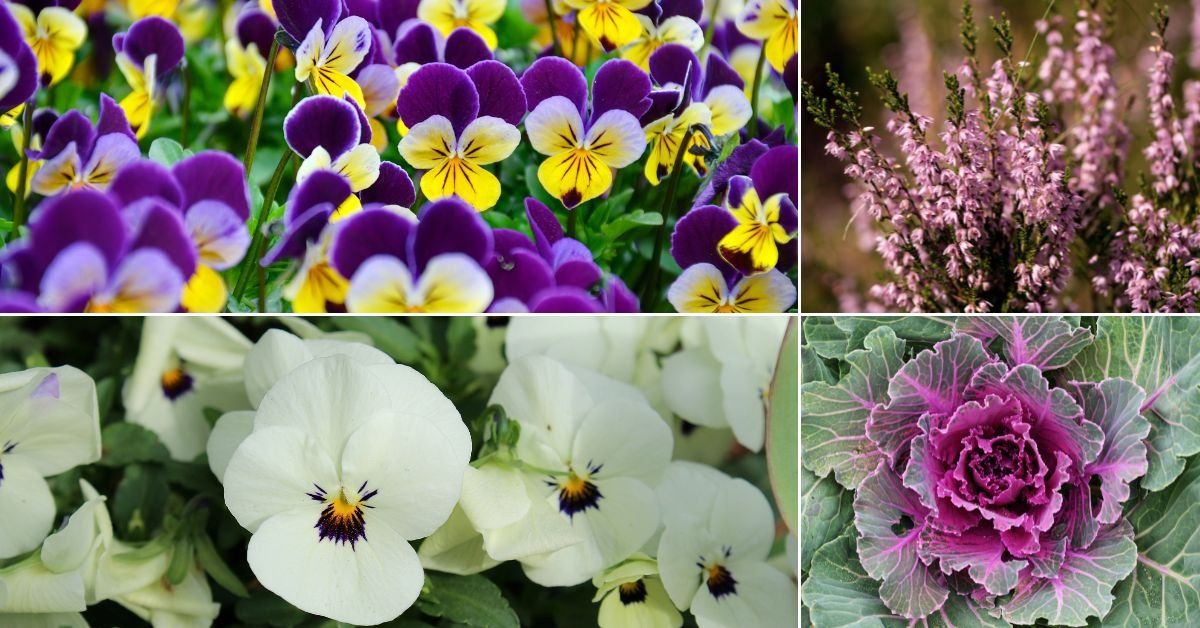
If you want colorful flowers even when everything freezes, winter pansies are the first thing you should grow.
They tolerate cold extremely well—many varieties survive down to 5°F without any problem.
Why do they work on balconies:
- They bloom in low light.
- They stay compact.
- They don’t need special care.
Requirements:
- Light: Partial sun.
- Water: Keep the soil slightly moist.
- Pot: 6–8 inches deep.
- Temperature tolerance: As low as 5°F.
Pro tip: If you get sudden heavy frost, move pots closer to the wall for added warmth.
2. Violas (Similar to Pansies, Even More Cold-Hardy)
Violas look like smaller pansies, but they are even more cold-resistant. They thrive when temperatures stay between 25 and 45°F.
They’re great if you want non-stop blooms and don’t want to keep replacing flowers.
Why they’re good for winter balconies:
- They flower even in the weak winter sun.
- They bounce back after frost.
Requirements:
- Light: Partial sun.
- Water: Moderate, don’t overwater.
- Best use: Railing planters or mixed containers.
3. Ornamental Kale & Cabbage (Survives Freezing Weather)
If you want plants that look decorative and don’t die in harsh cold, ornamental kale is perfect. Its leaves get even more vibrant when exposed to frost.
Temperature tolerance: Down to -5°F depending on variety.
Why it’s good for winter balconies:
- Completely frost-proof.
- Adds a mix of purple, white, and green colors.
- Low maintenance.
Requirements:
- Light: Full sun to partial shade.
- Water: Regular, but allow the soil to dry first.
If you want to plan a more structured or organized layout in your balcony, you can check the small balcony garden layout ideas guide.
4. Hellebores (The “Christmas Rose”)
They are the champions of winter flowering plants.
They bloom around late winter to early spring and stay evergreen throughout the cold season.
Why do people grow them on cold balconies:
- They handle frost easily.
- Leaves are evergreen.
- They are elegant winter flowers.
Requirements:
- Light: Partial shade is okay.
- Water: Low to moderate.
- Pot size: 10–12 inches deep.
If you want evergreen options that keep your balcony green all winter, this is one of the best.
5. Heathers (Winter-Blooming Balcony Shrubs)
Heathers produce tiny flowers during winter and are extremely hardy plants, perfect for balconies that get wind exposure.
Temperature tolerance: Often down to -20°F.
Requirements:
- Light: Full sun to partial shade
- Water: Low (once roots are established)
- Pot: Shallow but wide pots
These look beautiful when paired with pansies or violas.
6. Boxwood (Evergreen Balcony Shrub That Handles Cold Well)
If you want a “decorative winter balcony” look, boxwood is perfect. It stays green all year, tolerates cold winds, and lets you shape it easily.
Why it works well:
- Evergreen foliage
- Wind-tolerant
- Great for small balconies
Requirements:
- Light: Full sun to partial sun
- Water: Low
- Pot: 12–14 inches deep
If you want décor ideas that work around such perennials, see balcony design ideas for apartments, which can help you build a cozy look around shrubs like this.
Best Herbs for Cold Weather Balconies
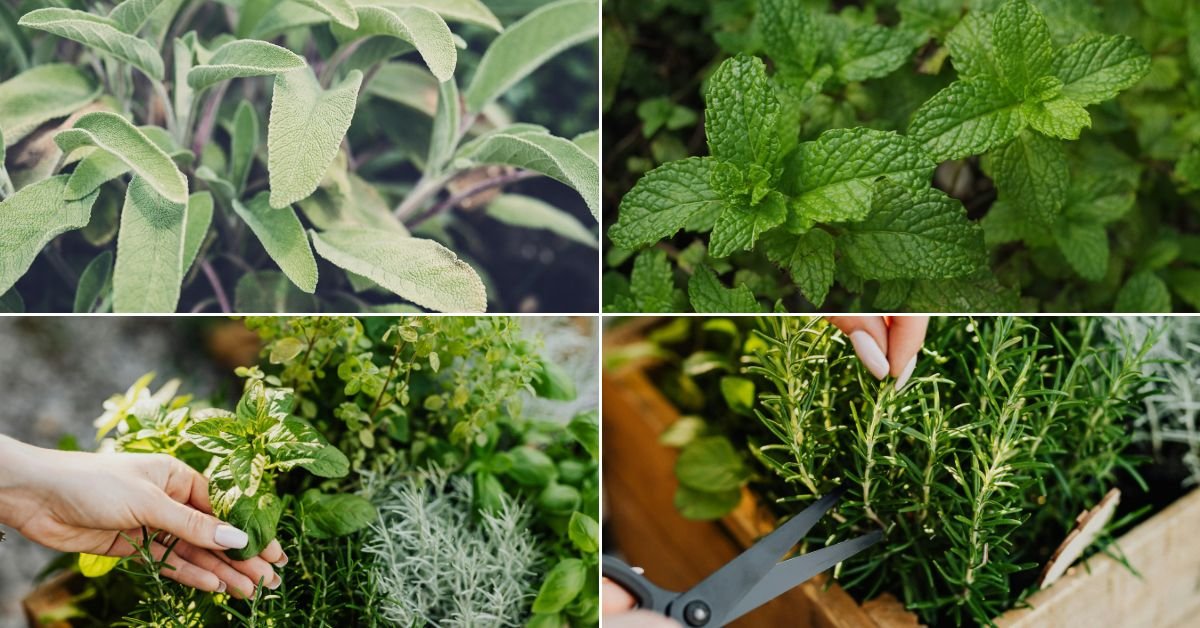
Growing herbs in winter is easier than most people think. A few hardy herbs thrive in cold weather, and you can harvest them all season long.
7. Rosemary (Cold-Tolerant Variety: ‘Arp’)
Most rosemary varieties struggle in freezing weather, but Rosemary ‘Arp’ is a winter-hardy variety that tolerates down to 10°F.
Why grow rosemary in winter:
- Stays evergreen
- Needs very little watering
- Great aroma
- Works in small containers
Requirements:
- Light: Full sun
- Water: Let the soil dry out fully between waterings
If you grow herbs on your balcony regularly, you may want to check the best herbs for balcony garden for more year-round options.
8. Thyme (Handles Cold & Snow Easily)
Thyme is a woody herb that thrives in cold climates.
Temperature tolerance: Can survive 10–15°F (many varieties even colder).
Benefits:
- Very low maintenance
- Evergreen flavor
- Perfect for railing planters
Requirements:
- Light: Full sun
- Water: Minimal
If your balcony tends to stay cold and moist, thyme still does fine, as long as your container has good drainage. For drainage tips, you can see balcony garden drainage solutions.
9. Sage
Sage becomes sweeter after the first frost and survives winters easily.
Why sage works on balconies:
- Produces all winter
- Handles cold wind
- Evergreen with a strong aroma
Requirements:
- Light: Full sun
- Water: Low to moderate
10. Mint (Winter-Hardy and Spreads Fast)
Although mint dies back in extreme cold, its roots survive and regrow in early spring.
Temperature tolerance: Roots survive down to 0°F.
Why it’s good for cold balconies:
- Hard to kill
- Fast regrowth
- Great for teas & cooking
Requirements:
- Light: Low to moderate sunlight
- Water: Medium
Mint spreads fast, so grow it in a separate container.
Best Winter Vegetables for Balcony Gardening
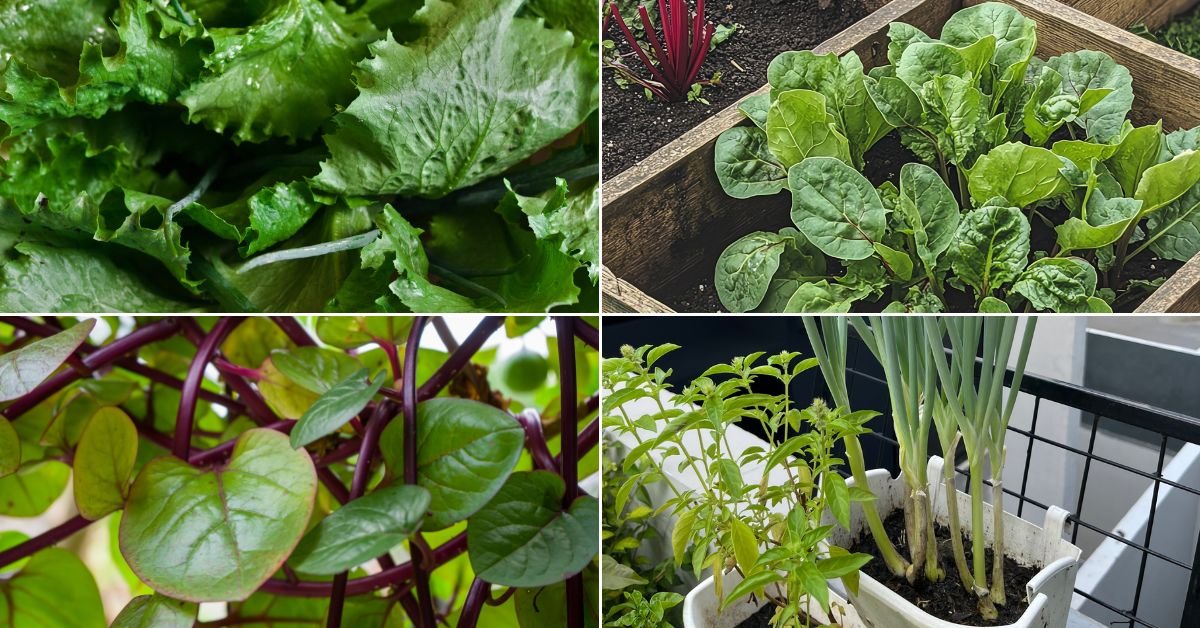
If you enjoy growing your own food, these winter vegetables are perfect for cold balconies.
11. Spinach (Thrives in Cold)
Spinach is one of the top cold-hardy vegetables. It grows even when temperatures are close to freezing.
Temperature tolerance: As low as 15°F.
Why it’s good for winter:
- Grows in low light
- Fast-growing
- Easy for beginners
Spinach also grows well in shade.
- Pot: 6–8 inches deep
- Water: Keep moist
12. Lettuce (Loose Leaf & Butterhead Varieties)
Lettuce loves cool conditions and becomes sweeter in winter.
- Light: Partial sun
- Water: Moist but not soggy
- Pot: 6–8 inches deep
Choose compact varieties if you have a small balcony.
If you want a full vegetable-growing guide aside from winter ideas, see best vegetables for a balcony garden for year-round crops.
13. Kale (Super Hardy Cold-Weather Veg)
Kale survives down to 10°F and becomes sweeter after frost.
Why grow kale on balconies:
- Very hardy
- Highly nutritious
- Great for containers
Requirements:
- Pot: 10–12 inches
- Light: Full sun
- Water: Regular
14. Swiss Chard
Swiss chard grows in cold temperatures and gives continuous harvests.
- Light: Partial sun
- Water: Moist soil
- Pot: 8–10 inches
15. Green Onions (Low Maintenance & Winter-Friendly)
Green onions do surprisingly well in winter and keep producing slowly even in cold weather.
Temperature tolerance: Down to 10–20°F depending on conditions.
Why they’re great:
- Low maintenance
- Fast regrowth
- Can grow from scraps
You already saw how well they grow in containers in your hanging-basket guides.
Evergreen Balcony Plants for Winter
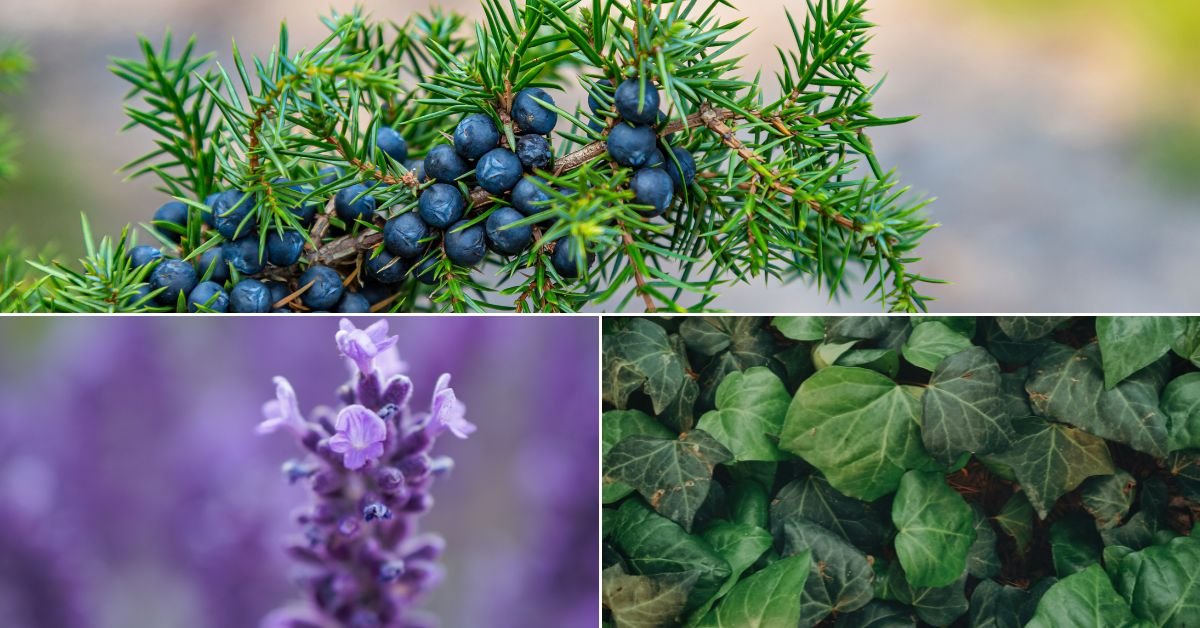
If you want greenery throughout winter without worrying about flowers, these evergreens are the best.
16. Lavender (Cold Hardy Varieties Like ‘Munstead’)
Lavender has many varieties, but the ‘Munstead’ can tolerate cold well.
- Light: Full sun
- Water: Low
- Pot: 10 inches deep
17. Juniper (Mini Balcony-Friendly Shrubs)
Mini junipers look really beautiful, and they also stay green even under snow.
Why they’re good for balconies:
- Extremely low maintenance
- Hardy
- Aromatic
Requirements:
- Light: Full sun
- Water: Low
18. Ivy (Winter-Hardy & Trailing)
If you like trailing plants for your balcony, ivy survives cold easily and keeps its dark green leaves.
- Light: Partial shade
- Water: Low
- Temperature tolerance: Handles frost well
If you love trailing plants and want ideas for railing setups, you can also look at small balcony railing planter ideas.
Balcony Plant Care Tips for Winter (Very Important)

Balcony plants handle cold weather well if you follow a few simple winter-care habits.
1. Choose the Right Soil Mix
Use soil that drains well. Plants in winter easily rot because they stay wet for too long.
I have discussed soil in my Best Soil for Balcony Plants post.
2. Reduce Watering
As you might know, cold weather slows plant growth, so you won’t have to give them much water.
How I water in winter:
- Wait until the top 1–2 inches of soil are dry.
- Water in the morning (so roots dry before night).
- Use less water overall.
3. Move Pots Closer to Walls
Most of the time, the balcony wall holds heat. Therefore, you can place pots near it, which will help protect plants during freezing nights.
4. Use Mulch
You have to add a thin layer of wood chips, straw, or coco coir. It will protect your plant’s roots.
5. Protect Roots From Frost
Wrap pots with:
- Burlap
- Bubble wrap
- Jute fabric
This will keep the soil warm and prevent roots from freezing.
6. Avoid Fertilizing in Winter
Plants don’t grow much in winter, so they don’t need fertilizer. Applying it may cause weak growth.
Cold Weather Balcony Design Tips
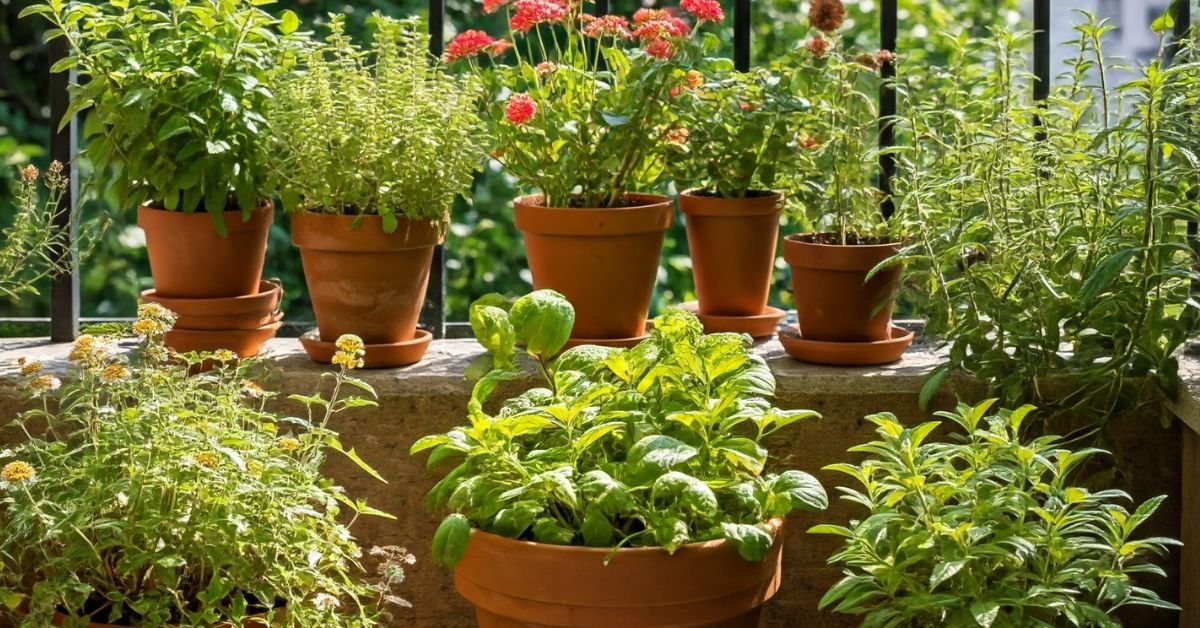
1. Group Plants
Grouping potted plants creates a microclimate that’s slightly warmer.
2. Add Evergreens for Structure
Mix flowering plants with evergreen shrubs for a more balanced winter balcony.
3. Use Height
Use railing planters, small shelves, and stands to add layers.
If you need lighting ideas to make your balcony feel cozy in winter evenings, check out Balcony garden lighting ideas.
When to Start Cold-Weather Planting on a Balcony
You should start planting cold-weather plants in late fall, ideally around mid-October to mid-November, depending on your area.
This gives plants enough time to settle before the temperature drops.
Common Mistakes People Make With Winter Balcony Plants
1. Overwatering
This is the most common reason balcony plants die in winter.
2. Choosing Tropical Plants
Avoid tropical or heat-loving plants—basil, tomatoes, or bougainvillea will not survive.
3. Ignoring Drainage
Winter + poor drainage = root rot.
Fix this using the tips in balcony garden drainage solutions.
4. Not Protecting Pots
The pot freezes faster than the soil in the ground. Insulate it.
Best Balcony Setup for Winter Gardening
If you’re starting fresh, here’s what works well:
- Use bigger pots (they keep roots warmer).
- Place plants near walls.
- Add evergreens for structure.
- Use railing planters for hardy flowers.
- Keep a mix of flowers, herbs, and small shrubs.
If you’re setting up your balcony from scratch, you can check balcony garden setup ideas to design winter-friendly layouts.
Cold Weather Balcony Plants That Need Almost No Care
If you want plants you barely have to touch in winter, choose:
- Boxwood
- Rosemary ‘Arp’
- Ivy
- Heathers
- Ornamental kale
- Juniper
These survive even with minimal maintenance.
Plants That Survive Snow on Balconies
- Violas
- Hellebores
- Spinach
- Kale
- Winter pansies
- Heathers
These plants can handle frost, snow, and freezing temperatures without dying.
Plants You Should Avoid in Winter
Avoid the following unless you bring them indoors:
- Tomatoes
- Basil
- Peppers
- Hibiscus
- Bougainvillea
- Succulents (most varieties)
They simply can’t handle cold nights.
Conclusion
Keeping your balcony alive in cold weather isn’t difficult at all. You just have to choose plants that naturally tolerate frost, give them well-draining soil, water less often, and protect the pots a little.
Whether you grow hardy flowers like winter pansies and violas, evergreen herbs like rosemary and thyme, or frost-proof vegetables like spinach and kale, your balcony will stay green even when temperatures drop.
And once you set up a winter-friendly routine, most of these plants won’t need much care.
They’ll keep growing, keep producing, and keep your balcony looking fresh all season long.
FAQs
Do balcony plants really survive freezing temperatures?
Yes! You only have to choose the right winter-hardy plants. Many cold-weather plants—including pansies, heathers, kale, spinach, juniper, and thyme—can survive frost and even light snow.
The main thing is protecting the roots by using bigger pots, insulating containers, and watering less during winter.
How often should I water balcony plants in cold weather?
In winter, most balcony plants need far less water than in summer. Usually, once every 7–10 days is enough, but always check the soil.
Only water when the top 1–2 inches feel dry. Overwatering is the main reason plants die in winter, not the cold.
Can I grow vegetables on my balcony in cold weather?
Absolutely. Several vegetables thrive in cold weather—spinach, lettuce, Swiss chard, kale, and green onions are great examples.
They handle low light and chilly temperatures well. Just make sure you use the right pot size, a quality soil mix, and protect the pots during very cold nights.

I’m Abraham creator of Balcony Gardening Ideas. I share balcony gardening tips, DIY projects, and hands-on plant care guides based on my own balcony garden experience. I grow vegetables, herbs, and flowers using organic methods and simple setups anyone can follow.