If your balcony gets harsh sunlight, especially during summer, then protecting your container plants from overheating is the first thing you want to fix.
Because once plants start getting leaf burn, wilting, or soil drying within hours, nothing else really helps—not fertilizer, not watering twice, nothing.
So here are 12 creative ways to provide shade for container plants on a hot balcony.
All ideas are beginner-friendly, affordable, and work even if you have a tiny balcony, renting, or don’t want any permanent installation.
1. DIY Floating Shade Net (Lightweight + Doesn’t Look Messy)
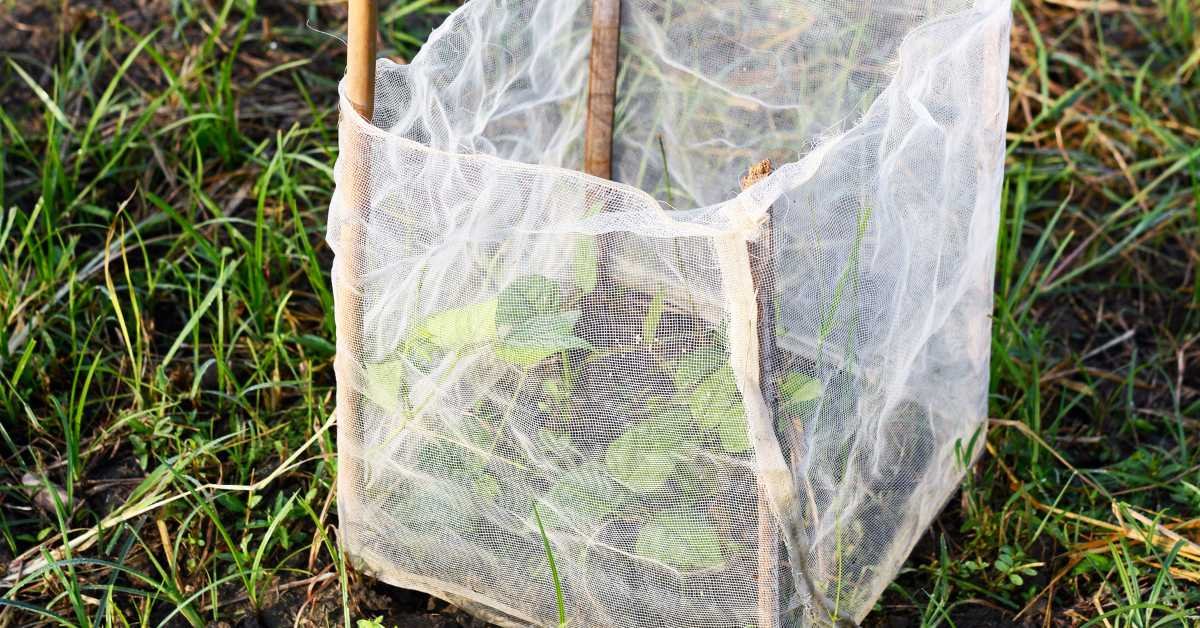
One of the simplest and most effective ways is to use a floating shade cloth. I call it “floating” because it doesn’t sit tightly over plants—it hangs loosely and lets the breeze move through.
How to make it quickly
- Use thin net, jute mesh, or green shade cloth (don’t use thick fabric).
- Put two bamboo sticks or any long sticks on the left and right sides.
- Tie the cloth above the plants so it hangs like a small canopy.
- Keep it slightly loose so air still flows around.
Why it’s good
- Reduces sunlight intensity by 30–50%.
- Doesn’t trap heat.
- Looks clean and doesn’t feel heavy on a small balcony.
If you don’t know where to position your plants, you can plan the layout nicely using ideas from Small Balcony Garden Layout Ideas.
2. Bamboo Curtains (Instant Heat Blocker + Looks Natural)
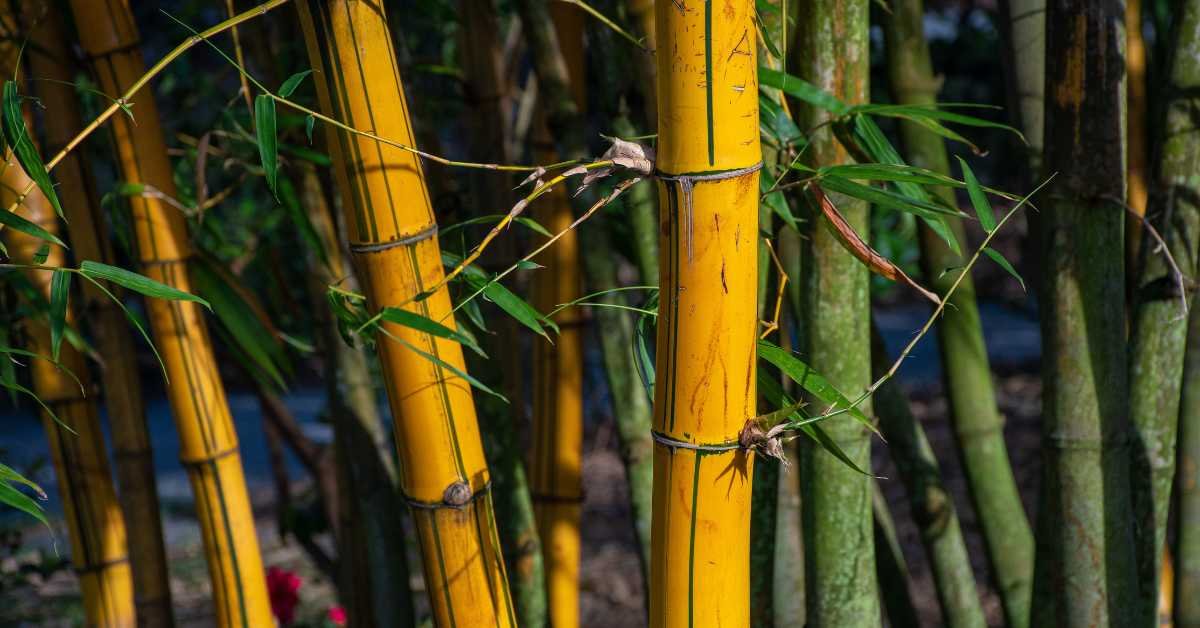
Bamboo curtains are one of my favorite shade tricks if your balcony gets direct sunlight from one direction.
Why bamboo works
- It blocks harsh direct rays but still lets mild natural light enter.
- It reduces heat buildup.
- It gives a very natural, earthy look.
How to use
Just hang it from the top frame or railing, and roll it halfway down during the hottest hours. You don’t need tools, drilling, or anything complicated. Plus, it blends nicely with modern balcony décor ideas.
3. An Adjustable Balcony Umbrella (Perfect for Renters)
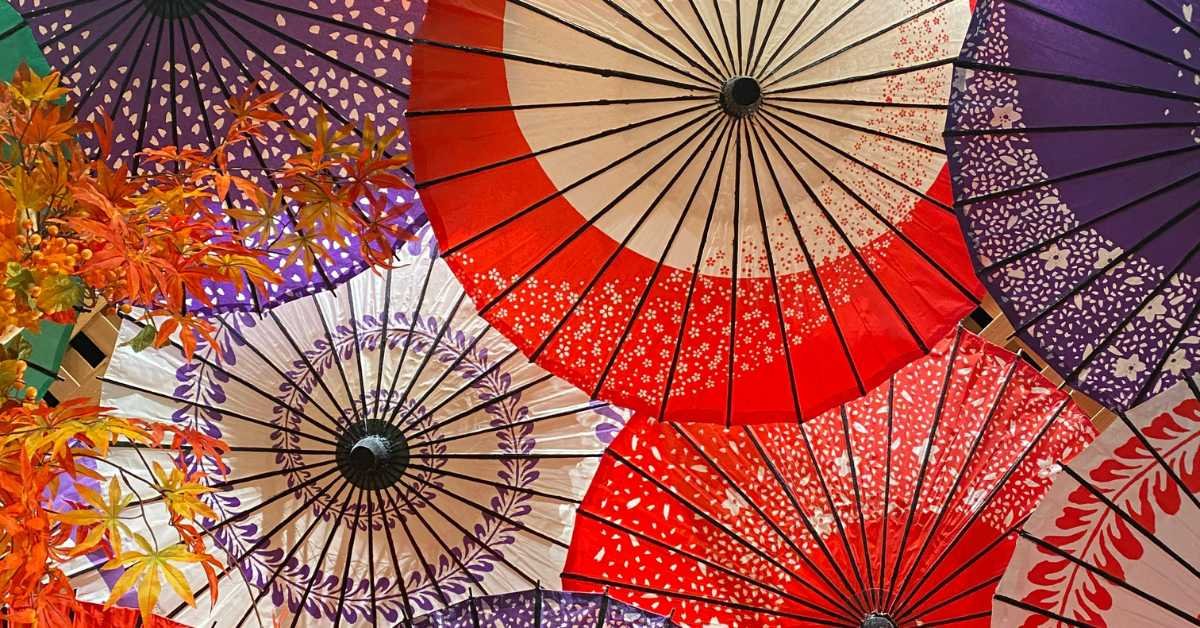
If you don’t want anything fixed or DIY, this is the easiest one—just get a small tilting umbrella.
Tips
- Choose UV-resistant fabric.
- Get a compact design so it doesn’t take up your sitting area.
- Use a sandbag or a big pot to hold the umbrella pole.
You can move it anytime, tilt it to whichever angle the sun hits, and protect all the containers underneath.
If you’re setting a small cozy sitting corner too, you’ll like the ideas from Small Cozy Balcony Setup Ideas.
4. Natural Self-Shading by Tiered Placement (Zero Cost Trick)
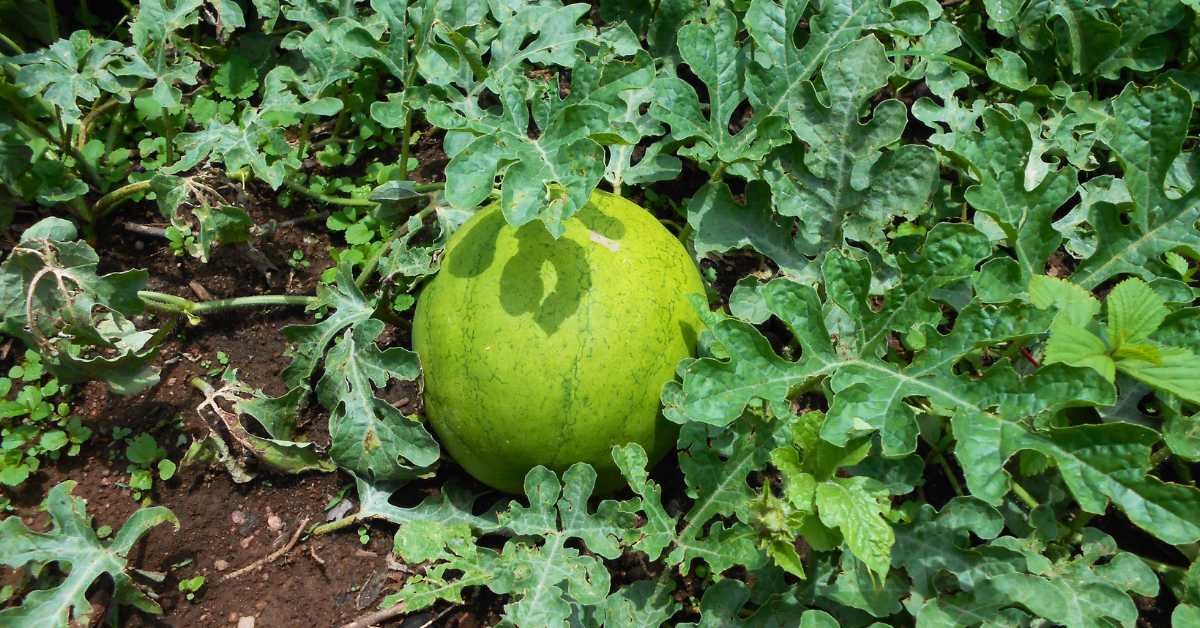
Many people think shade only comes from above. But plants can shade each other if you place them smartly.
Do this
- Keep tall containers at the back.
- Keep medium-height plants in the middle.
- Put your fragile herbs or leafy greens in the front.
Best plants to keep down in shade
- Mint
- Coriander
- Lettuce
- Spinach
- Green onions
You can also choose the right herbs for this layer using Best Herbs for Balcony Garden.
This method alone can reduce sun stress without buying anything.
5. Portable Shade Panel (Move It Anytime)
This idea is extremely useful for balconies that get sharp sunlight only for a few hours.
Make a small portable shade panel using things like:
- PVC pipes
- A piece of cloth
- Reflective insulation sheet
- Wooden sheets
- Jute fabric
How to use
Just place it on the side where sunlight hits the most. Move it away when the sun shifts. This stops side-heating, which burns leaves faster than overhead sun sometimes.
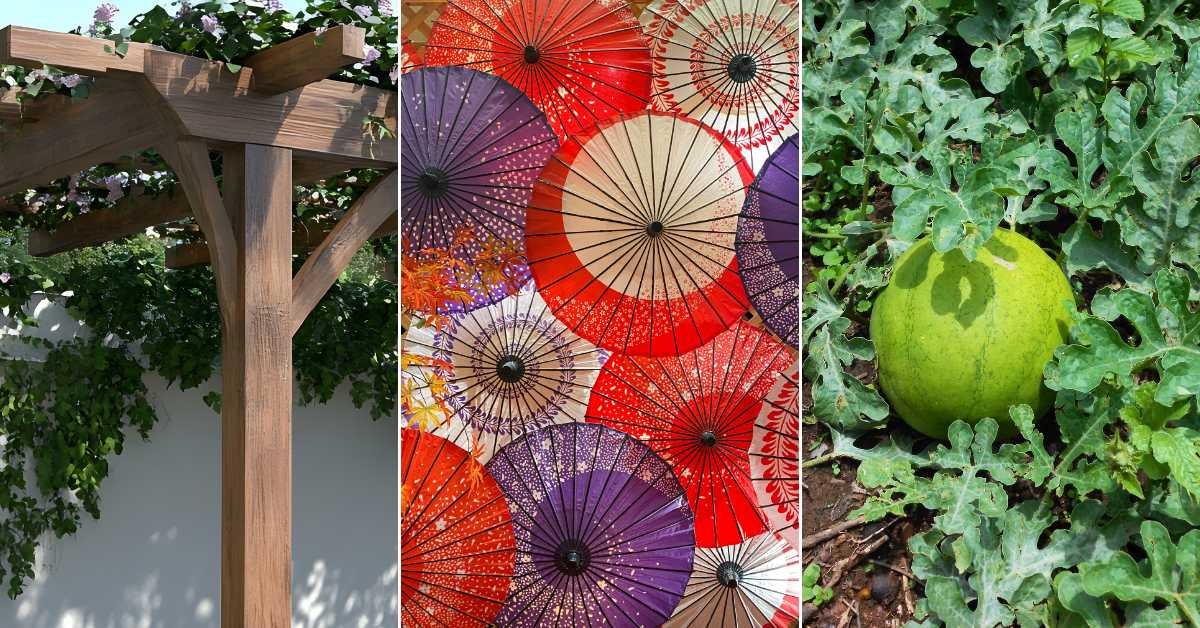
6. Mini Pergola-Style Wooden Shade (Very Aesthetic)
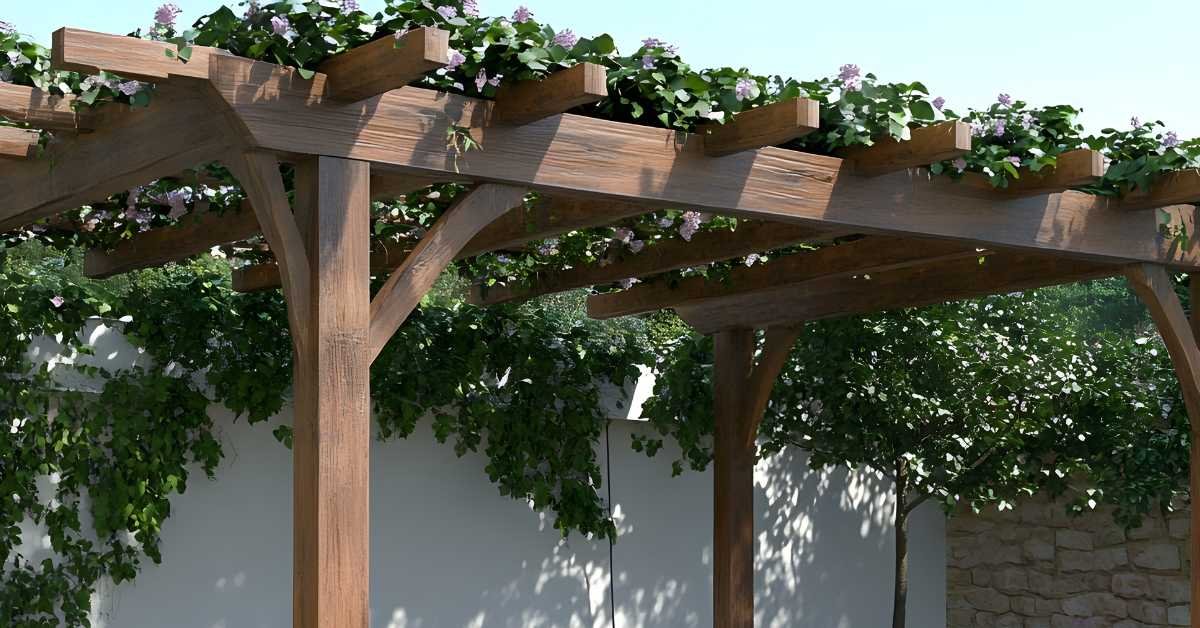
If you want a decorative shade option, you can build a mini pergola frame using scrap wood.
Quick steps
- Make a small rectangle frame (2–3 feet wide).
- Fix two vertical sticks to hold the frame above plant level.
- Cover the top with thin jute or mesh cloth.
- You can even grow a vine on one side later.
Plants that love climbing over it
- Beans
- Sweet peas
- Morning glory
- Malabar spinach
It protects your plants and upgrades your balcony’s overall look. If you’re already designing your balcony, pair it with ideas from Balcony Design Ideas for Apartment.
7. Rolling Plant Rack (Shade on Wheels)
If your balcony’s sunlight changes direction, then a trolley-style rack will save you a lot of trouble.
Useful for
- Delicate herbs
- Seedlings
- Shade-loving greens
- Indoor/outdoor shifting
During peak heat hours, just pull it to the shaded side of the balcony. And in the morning, slide it back into the light. You can also integrate this into your balcony setup using ideas from Balcony Garden Setup Ideas.
8. Using Tall Furniture as Shade Walls
Sometimes your existing balcony furniture can be a smart shading tool.
Try placing delicate plants:
- Behind a tall shelf
- Beside a storage cabinet
- Under a bench
- Beside a balcony divider
This blocks harsh rays naturally and creates cool zones.
If you’re growing vegetables that love partial shade, check Best Vegetables for Balcony Garden.
9. Grow Fast Vines for Living Shade (Most Eco-Friendly Idea)
Climbing vines create a natural shade layer that protects the plants below while making your balcony greener.
Good vine options
- Pole beans
- Black-eyed Susan vine
- Morning glory
- Ivy
- Sweet potato vines
Grow them along a trellis or railing. As they grow, the leaves cast soft, filtered shade that reduces heat and improves the microclimate of the balcony.
10. Shade Using Railing Planters (Top Creates Shade for Below Pots)
This one is surprisingly effective. If you have railing planters, the pots underneath automatically get filtered shade.
What to plant below the railing planters
- Lettuce
- Mint
- Spinach
- Cilantro
- Green onions
- Ginger
It also helps if your railing planters dry out fast because the lower containers naturally stay cooler.
For more railing setup ideas, look at Small Balcony Railing Planter Ideas.
11. Lightweight Temporary Cloth Shade (Fastest Method for Emergencies)
When the balcony suddenly becomes too hot due to heatwaves, you can loosely drape a thin cloth or jute sheet over a couple of sticks.
Why this works
- It softens the sunlight.
- Doesn’t trap much heat.
- Perfect for temporary protection during extreme heat days.
Use:
- A muslin cloth
- A thin scarf
- Jute mesh
- Old white bedsheet pieces
Since white reflects heat, the lower area stays cooler.
12. Using Household Items Creatively for Shade (Free + Super Useful)
Sometimes the most effective shade solutions are already in your home.
Things you can use creatively
- Transparent mesh gift wrappers
- Old saree or dupatta
- Plastic bottle strips arranged like canopy slats
- A metal cooling rack is placed above pots
- A cloth drying stand acting as a shade roof
These work for renters or people who want non-permanent shading that they can remove anytime.
How to Choose the Right Shade Idea for Your Balcony
Before deciding which shading method will work best, you want to understand two things:
1. Your Sun Pattern
Every balcony has its own behavior. Some get 2–3 hours of harsh midday sun. Some get a full blast in the afternoon.
Some get sun only in the summer. So observe exactly which area gets the most intense heat.
2. Your Plant Types
Different plants react differently:
- Tomatoes, peppers, rosemary → love bright light but hate extreme heat.
- Lettuce, spinach, mint → need partial shade.
- Herbs in small pots → dry fast and must be shaded well.
Once you match both (sun direction + plant needs), you’ll automatically pick the right shade idea.
3. Airflow Is Not Optional
A lot of people block sunlight and accidentally block airflow too. That traps humidity and makes the balcony hotter.
So whatever shade you choose, make sure it doesn’t suffocate the plants.
4. Keep Your Balcony Aesthetic Too
Your shade shouldn’t make your balcony look messy or crowded. If you like keeping your space nicely decorated on a budget, check Small Balcony Decoration Ideas on a Budget
It helps you blend your shade structures with your balcony’s look.
Tips to Keep Container Plants Cool
These tips are important because shade alone won’t fix the heat problem.
- Mulch the Soil: Use coco husk chips, wood chips, or dry leaves on top. This keeps the soil cool for long hours.
- Water at the Right Time: Morning watering helps plants absorb moisture before the sun gets intense.
- Avoid Black Pots: Black absorbs heat and overheats roots. If you already have them, wrap the pot with cloth or jute.
- Improve Drainage: Overheated soil + trapped water = root rot. If drainage is an issue, here’s a helpful guide: Balcony Garden Drainage Solutions.
- Choose Heat-Friendly Plants for Summer: This reduces headaches. You can even check: Summer Balcony Plant Care Tips.
- Keep Plants a Little Distance Apart: Overcrowded pots trap heat. Leave small gaps so air moves freely.
Conclusion
Now you know that giving shade to balcony plants isn’t complicated at all. You just want to understand where your sun hits, and then choose any simple shade method that fits your balcony.
Even something as basic as a thin cloth or bamboo curtain can completely save your plants from leaf burn and keep soil cool during heatwaves.
And honestly, when you combine shade with small things like mulching, proper watering time, and good drainage, your plants won’t just “survive” the heat—they’ll actually grow better.
So pick any of these ideas and try it on at least 2–3 containers first. Once you see the difference, you’ll know exactly what setup works best for your balcony.
FAQs
Do container plants really need shade on a hot balcony?
Yes, they do. When your balcony gets too much heat, the soil heats up fast, and the plants start drying even if you water well.
Leaves get scorched, the pot becomes hot, and the plant stops growing the way it should.
Shade doesn’t mean blocking all light — you just want to soften the harsh sun so the plant can stay cool and keep growing normally.
How many hours of sunlight is too much for balcony plants?
Anything more than 5–6 hours of harsh, direct heat, especially during summer afternoons, becomes stressful for most container plants.
Morning sunlight is good, but midday/reflected heat harms them. That’s why filtered shade is important.
What’s the easiest shade idea for beginners?
A thin cloth or a small adjustable umbrella is the fastest and easiest option. Both give instant shade, don’t require DIY work, and you can move them anytime.
If you have bamboo curtains at home, that’s even better—they block heat very well.
Will too much shade slow plant growth?
Yes, too much dark shade will slow growth, especially for vegetables. That’s why you want filtered light, not complete darkness.
Using net cloth, bamboo screens, or natural vine shade is perfect because plants still get light without heat stress.

I’m Abraham creator of Balcony Gardening Ideas. I share balcony gardening tips, DIY projects, and hands-on plant care guides based on my own balcony garden experience. I grow vegetables, herbs, and flowers using organic methods and simple setups anyone can follow.