If you want your balcony plants to survive winter, then the most important things you have to do are: protect the roots from freezing, adjust watering, improve drainage, and grow plants that actually tolerate cold.
Winter isn’t the season to experiment too much—you just want to keep your plants alive, healthy, and ready for spring.
Winter balcony gardening is actually simple once you understand how your containers behave in the cold.
Below, I’m sharing everything you need to do (step-by-step), so your balcony garden stays green even in the cold months.
1. Choose Plants That Actually Like the Winter Season
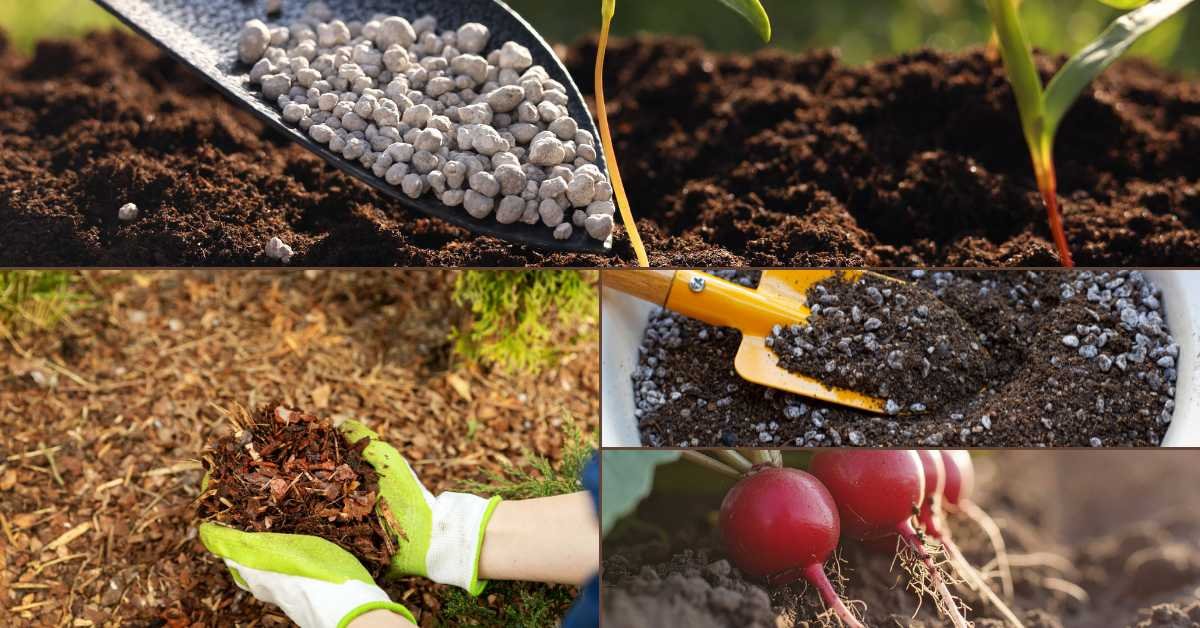
If your balcony gets cold air, frost, or low sunlight, you want to grow plants that naturally tolerate winter. Don’t pick summer vegetables during this time—they’ll simply stop growing or die.
Here are some winter-friendly balcony vegetables:
- Spinach (grows even with weak sunlight)
- Lettuce (loose-leaf, romaine, butterhead)
- Radish
- Green onions
- Kale (baby kale is the best)
- Pea shoots
These are all low-light, low-maintenance winter plants.
If you need more options, I have a complete list of the best vegetables for balcony gardens, where I already explained what grows well in different light conditions.
For winter herbs, the ones I recommend:
- Mint
- Coriander (Cilantro)
- Thyme
- Parsley
- Chives
- Lemon balm
Mint and parsley are truly forgiving in winter. They don’t need too much sun either, which makes them perfect for balconies.
You can also check my full guide on best herbs for balconies, where I shared which ones grow in shade, sun, and cooler seasons.
Winter Flowers (optional)
If you want some color:
- Calendula
- Pansies
- Violas
- Petunias (mild winter only)
- Dianthus
Important: The keyword here is cold-tolerant. If you pick the wrong plant, the rest of the care won’t matter.
2. Prepare the Balcony Soil for Winter (This Is Very Important)
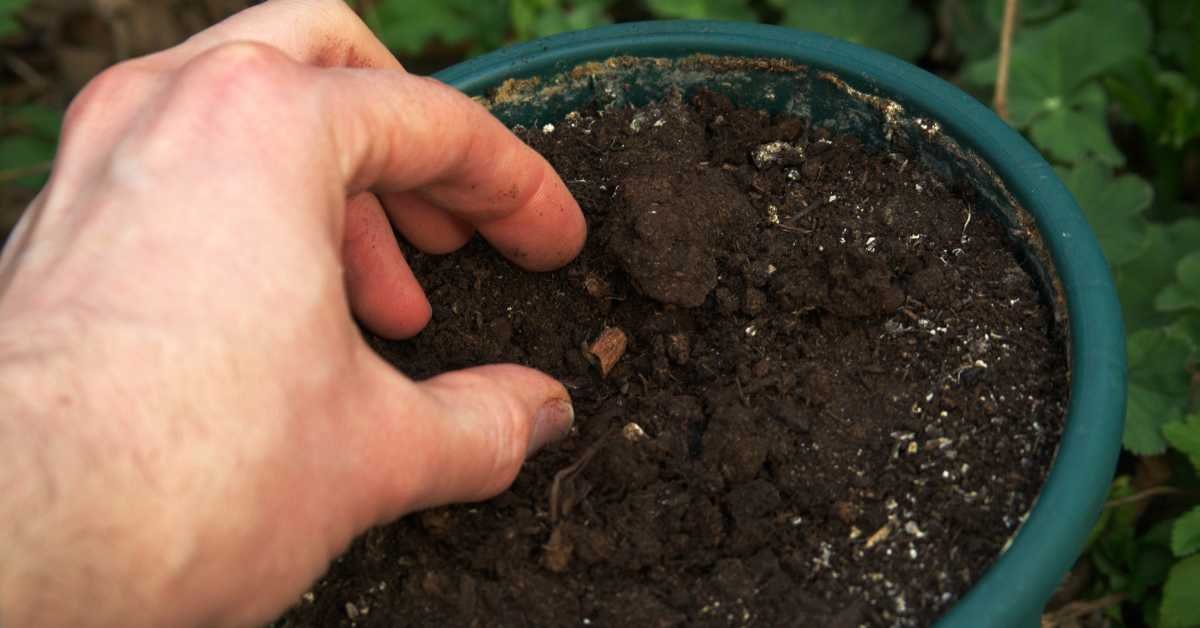
The biggest mistake in winter balcony gardening is using “heavy soil.”
Heavy soil + cold + moisture = instant root rot.
Your winter soil mix should be:
- 50% potting mix
- 25% compost
- 25% perlite or cocopeat
This keeps the soil light, breathable, and well-draining, even when the temperature drops.
In winter, soil stays wet longer, so you want something fluffy rather than dense.
I have already shared the perfect soil recipe in my guide on the best soil for balcony plants, so if you want more detailed ratios, you can check that too.
Avoid garden soil: It compacts in winter and suffocates the roots.
3. Improve Drainage Before Winter Starts
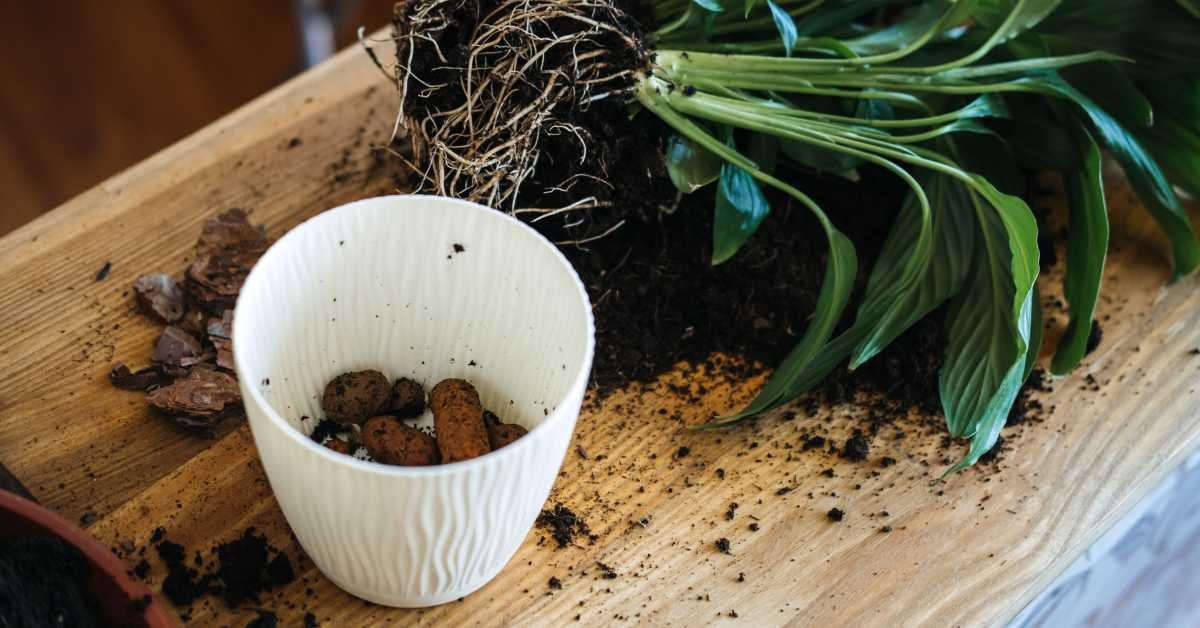
Winter and water don’t go well together. Too much water is the fastest way to kill balcony plants in cold months.
Here are simple ways to improve drainage:
- Add extra drainage holes in pots
- Put clay pebbles or small stones at the bottom
- Avoid trays that collect water
- Use breathable planters instead of deep, narrow ones
- Use a light soil mix (as mentioned above)
If your pots keep holding water or the soil feels soggy for days, then your setup needs better drainage.
I’ve explained multiple drainage ideas in my balcony drainage solutions post if you ever want more options.
4. Rearrange Your Balcony Garden for Winter Sunlight
Winter sunlight is weaker and shorter, so you have to “chase the sun” on your balcony.
Here’s what you do:
- Move all sun-loving plants to the brightest corner
- Keep shade-loving plants on the opposite side
- Place pots near walls—walls store heat during the daytime
- Avoid keeping plants behind balcony grills in winter
- Rotate pots every few days so every side gets light
If your balcony is north-facing, don’t worry—many winter vegetables love low light anyway (spinach, coriander, mint).
If you want a full layout idea, I’ve shared multiple options in my small balcony garden layout ideas post.
5. Protect the Roots (Roots Freeze First, Not the Leaves)
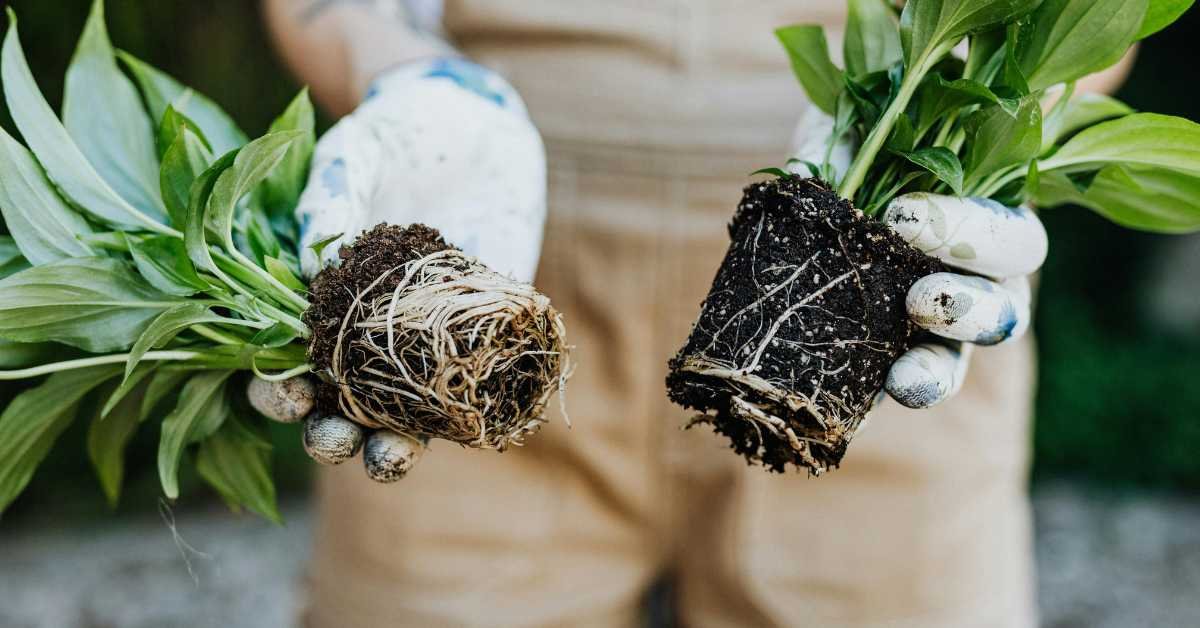
If the roots stay warm, the plant survives. If the roots freeze, the plant dies—even if the top looks green.
Here’s how to protect roots in winter:
- Add mulch (dry leaves, straw, coco husk)
- Wrap pots using old cloth, jute, or bubble wrap
- Use pot covers if you have them
- Group pots together for shared warmth
- Lift pots using stands—cold air settles at the bottom
This one step massively increases survival in cold months.
6. Use Bigger Pots in Winter (Small Pots Freeze Too Fast)

In winter:
- Small pots freeze quickly
- Soil loses warmth instantly
- Moisture stays for too long
So bigger pots are better for winter.
Pick:
- 10–14 inch pots for vegetables
- Herbs can stay in medium pots
- Use thick plastic, clay, or ceramic
If you use railing planters, avoid growing tender plants there during winter—they get windburn easily. I also have a post on railing planter ideas, if you ever want creative setups.
7. Water Less (Winter Plants Hate Overwatering)
Watering is very different in winter.
Here’s the simplest rule: Water only when the top layer is completely dry.
More tips:
- Water early morning (never evening)
- Don’t splash soil
- Don’t keep water trays
- Don’t drench the soil
- Reduce watering by 40–70%
Your plant will not die from dryness in winter, but it will die from wet soil.
Overwatering is the #1 reason balcony plants die in winter.
8. Give Plants Maximum Possible Sunlight
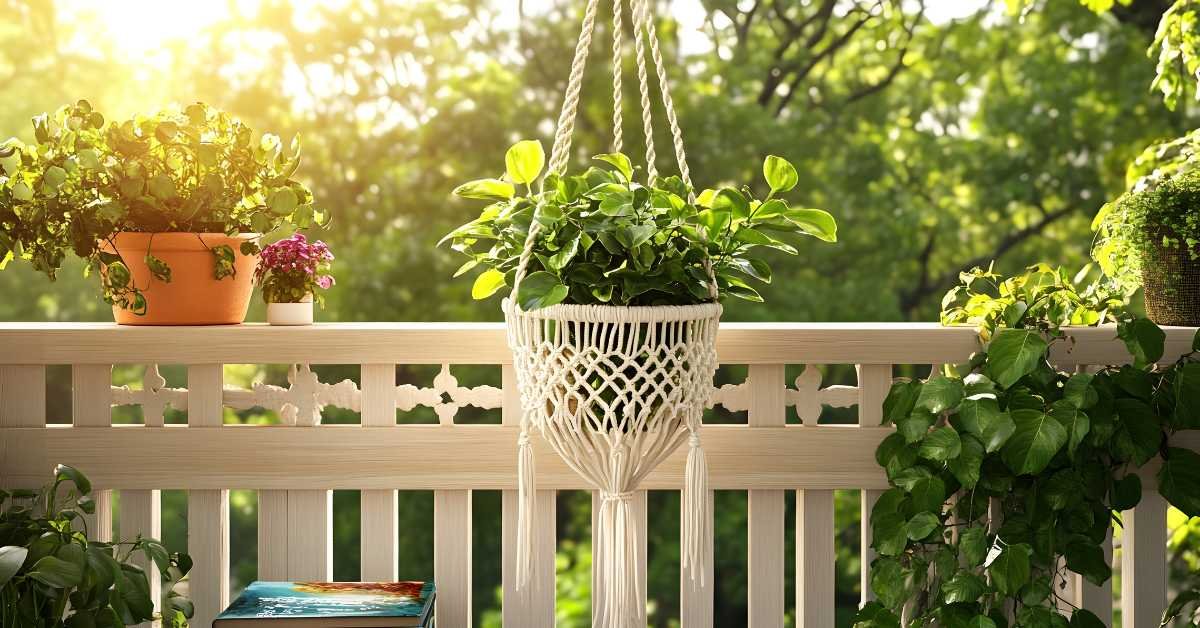
Plants need sunlight to stay warm and active.
Here’s how to increase sunlight on a balcony:
- Clean dust from leaves
- Move plants near reflective surfaces (white wall/board)
- Don’t overcrowd pots
- Rotate plants
- Use the sunniest spot for sensitive plants
If sunlight is extremely low, stick to winter vegetables only.
I’ve also shared a list of low-maintenance balcony veggies that survive winter easily.
9. Protect Plants from Cold Wind
Cold wind damages plants faster than cold temperature.
So you want to block wind using:
- Bamboo sheets
- Straw mats
- Plastic sheets on the railing
- Taller pots are placed in front as barriers
- Balcony divider panels
This prevents leaf burn and keeps soil warm.
10. Bring Tender Plants Indoors at Night
Some plants simply don’t tolerate cold, no matter what you do outside.
Examples:
- Basil
- Tomato
- Chillies
- Eggplant
- Curry leaves
If the temperature drops too low, bring them in at night. Place them near a window where they get light in the morning.
Don’t keep them near heaters—they dry out the plants.
11. Don’t Repot Your Plants in Winter
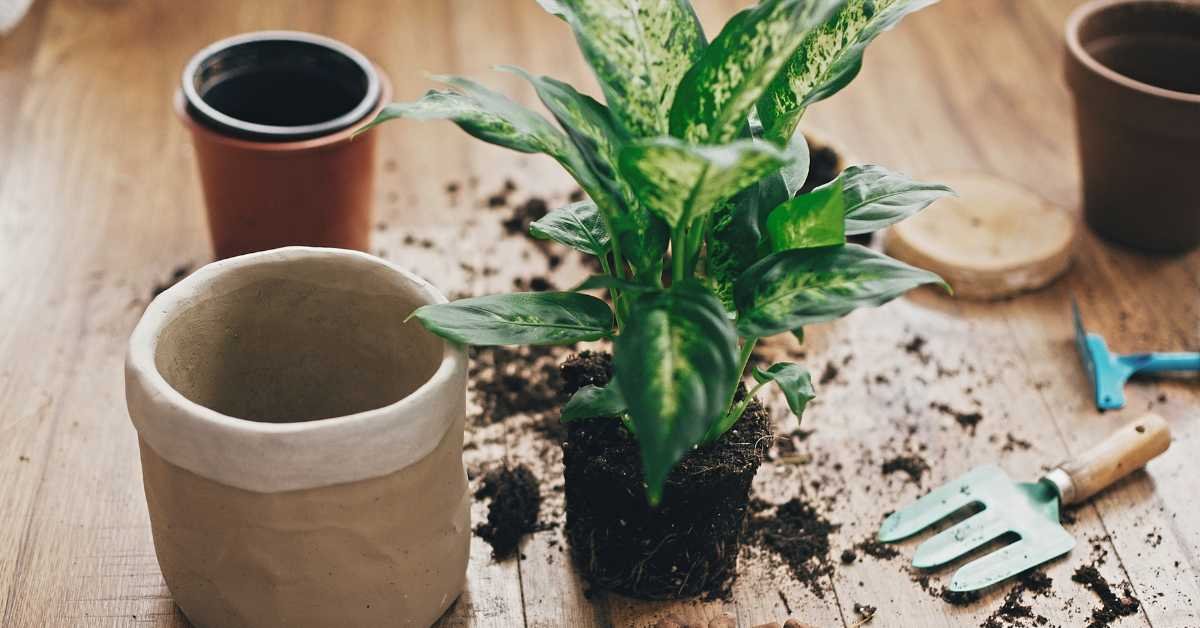
Unless absolutely necessary, don’t repot during winter. Repotting causes stress, and winter already slows down growth.
Only repot if:
- The pot is broken
- Soil is moldy
- Roots are rotting
Otherwise, just wait for spring.
12. Fertilize Very Gently (If at All)
Plants don’t grow aggressively in winter. So you don’t want to push them with heavy feeding.
Do this instead:
- Feed once every 30–45 days
- Use mild compost tea or vermicompost
- Avoid nitrogen-heavy fertilizers
- Avoid chemical liquid feeds
Winter is a “maintenance season,” not a “growth season.”
Your goal is plant survival, not growth speed.
13. Use a Proper Winter Balcony Setup
Your winter balcony setup should focus on:
- Warmth
- Sunlight
- Drainage
- Shelter
If your whole setup is scattered, fix it before winter hits.
You can also check my balcony garden setup ideas, where I’ve shared how to arrange plants so they still get sunlight and airflow in small spaces.
14. Grow Easy Crops in Harsh Winters
If your winter is harsh, don’t grow tomatoes or peppers at all. Grow easy, quick-growing crops instead.
Some low-maintenance winter winners:
- Spinach
- Mint
- Lettuce
- Pea shoots
- Coriander
- Green onions
These barely need any care.
For more extremely low-maintenance choices, you can check my low-maintenance balcony vegetable post.
15. Grow Microgreens Indoors During Deep Winter
If your balcony freezes regularly, or if there’s zero sunlight, switch to microgreens.
You can grow:
- Fenugreek
- Mustard
- Pea shoots
- Broccoli microgreens
- Wheatgrass
Microgreens don’t need direct sunlight and grow in 8–10 days. These are perfect for those extra cold weeks.
16. Clean Your Balcony Garden Before Winter Starts
This step saves plants from fungal issues.
Clean:
- Dead leaves
- Yellow leaves
- Soil debris
- Old broken twigs
Also wash:
- Pots
- Trays
- Tools
This reduces pests like whiteflies and fungus gnats, which get active in winter.
17. Avoid Watering on Leaves (Very Important in Winter)
Wet leaves in cold weather → fungal diseases.
So always water the soil only, not the plant. And water gently near the base.
18. Create a Simple Weekly Check Routine
Winter doesn’t need daily care, but weekly care is important.
Once a week, do this:
- Check moisture
- Rotate pots
- Remove dead leaves
- Check soil smell (it shouldn’t smell rotten)
- Inspect for fungus
- Shake pots to ensure drainage isn’t blocked
This keeps your balcony garden healthy throughout winter.
19. Don’t Overcrowd Plants in Winter
Plants need more airflow than you think in cold months.
Overcrowding causes:
- Fungus
- Low light
- Yellowing
- Stunted growth
Keep small gaps between pots so air can move freely.
Conclusion
These were the most important balcony gardening tips for winter. In cold months, plants don’t want too much water, they don’t grow fast, and they just need a little warmth, good drainage, and the right soil.
If you protect the roots, give some sunlight, reduce watering, and choose winter-friendly vegetables or herbs, then your balcony garden will stay healthy until spring.
I always say this: winter is not for growth, it’s for survival.
So don’t overthink, don’t try fancy things—just follow a simple routine, keep the soil slightly dry, use a proper soil mix, block cold winds, and you’ll see your plants stay green without much effort.
FAQs
How often should I water balcony plants in winter?
You should only water when the topsoil feels completely dry. Winter watering is very different—you might end up watering once in 5–10 days, depending on the plant and your climate.
The most important thing is to avoid soggy soil because roots rot very quickly in winter. Always water in the morning so the soil doesn’t freeze at night.
What vegetables grow best on a balcony during winter?
The easiest and most cold-tolerant winter vegetables for balconies are spinach, lettuce, radish, green onions, kale, and pea shoots.
These don’t need too much sunlight, they grow well in mild-to-cold weather, and they’re perfect for small spaces.
If your balcony gets very low light, then spinach, coriander, and mint are the safest options.
Do I need to fertilize balcony plants in winter?
Yes, but very lightly. Winter isn’t the right time for heavy feeding because plants aren’t growing fast.
You can use a mild fertilizer like a little vermicompost or compost tea once every 30–45 days, but avoid chemical fertilizers completely. The goal in winter is to keep plants alive, not to push growth.

I’m Abraham creator of Balcony Gardening Ideas. I share balcony gardening tips, DIY projects, and hands-on plant care guides based on my own balcony garden experience. I grow vegetables, herbs, and flowers using organic methods and simple setups anyone can follow.