If you want the best fruit to grow on an apartment balcony, choose compact, dwarf, or container-friendly fruit plants that don’t need ground space, are easy to maintain, and can thrive in pots.
The best fruits for balconies are Strawberries, Dwarf Blueberries, Dwarf Citrus, Figs, Mulberries (dwarf), Pineberries, Grapes (compact varieties), Passion Fruit, and a few more.
You only need good soil, proper sunlight, 5–15 gallon containers, and correct varieties.
If your balcony is small (or even narrow), these fruits will still grow perfectly. I’ll explain exact varieties, pot sizes, sunlight needs, and why they are perfect for balconies.
Why Balcony Fruit Growing Actually Works (Even in a Very Small Space)
Most people think growing fruit requires land. But honestly, many fruits actually grow better in containers because the roots stay warm, drainage is controlled, and you can move the pot if sunlight changes.
If your balcony gets at least 4–6 hours of sunlight, you can grow most dwarf fruits. If it gets 6–8 hours, you can grow everything I’ll list here.
And if you have a low-light balcony or north-facing setup, I’ll also give options for that.
For perfect success, make sure your balcony setup is good. If you haven’t already fixed basics like soil, drainage system, and layout, check these helpful guides I already wrote:
- Best soil for balcony plants
- Balcony garden drainage solutions
- Small balcony garden layout ideas
They will help you avoid root rot, poor growth, and wasted pots.
Best Fruits to Grow on Apartment Balconies
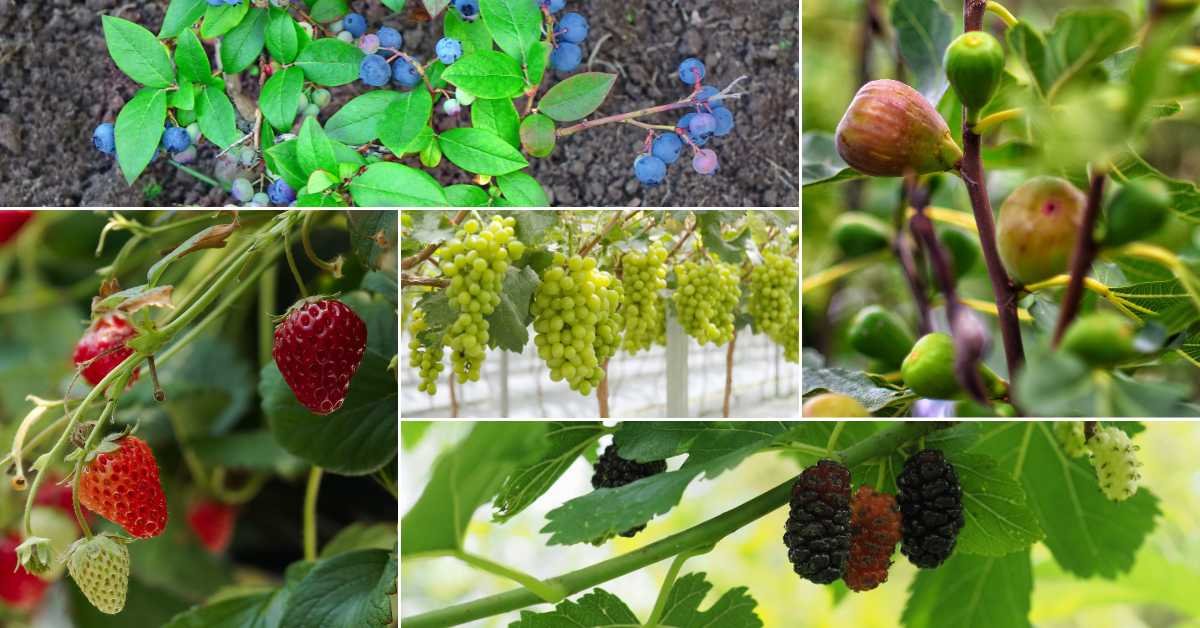
1. Strawberries (Perfect for Any Small Balcony)
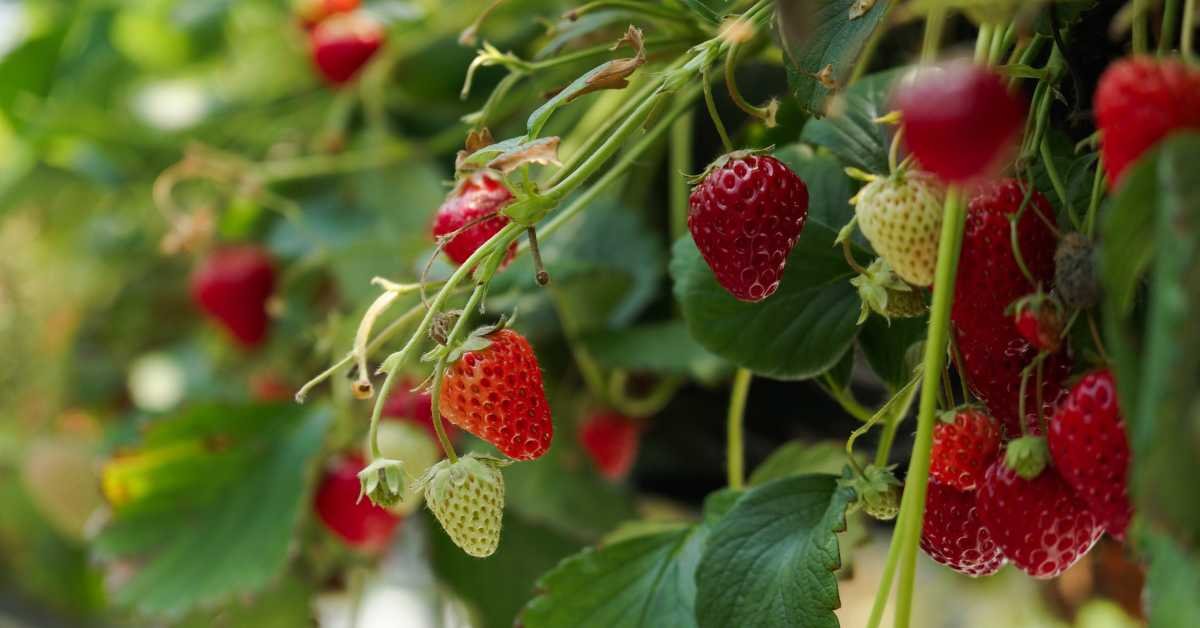
If there is only ONE fruit I’d tell you to grow on a balcony, it’s strawberries.
They need very little soil, grow fast, and fruit heavily even in small pots.
Why They’re Perfect for Balconies
- They don’t need deep soil (8–10 inches is enough).
- It can grow in hanging baskets, pots, railing planters, or even stacked towers.
- Produce in the first year.
- You can grow multiple plants without using too much floor space.
Also read: Vegetables for Balcony Garden.
Best Varieties for Balconies
Choose compact or everbearing types:
- Albion (sweet, reliable)
- Seascape (heavy production)
- Mara des Bois (French variety, very fragrant)
- Alpine Strawberries (shade-tolerant and tiny)
Sunlight
4–6 hours daily. Alpine strawberries tolerate even less.
Pot Size
8–12 inches deep, or railing planters, or hanging pots.
Bonus Tip
Strawberries love loose soil. If you haven’t set up soil yet, you can quickly review my guide on choosing the best soil for balcony plants so your fruiting doesn’t slow down.
2. Dwarf Blueberries (Super Easy & Beautiful)
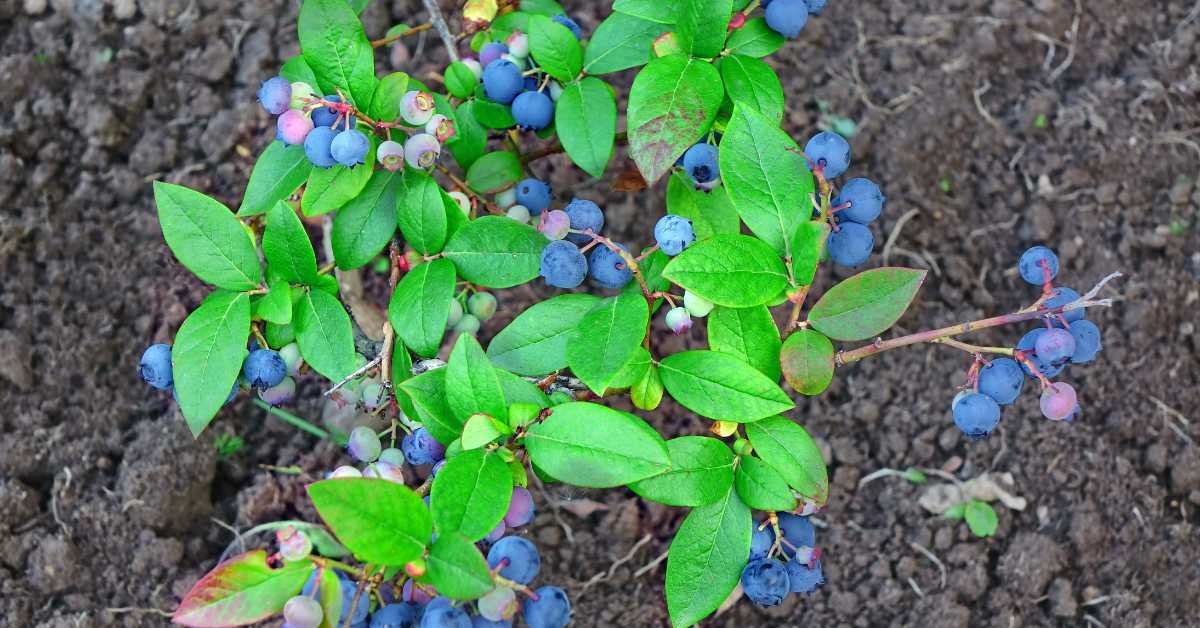
Blueberries look beautiful, stay compact, and give you sweet berries all summer.
Most new gardeners don’t know blueberries grow even better in pots than in the ground, because they need acidic soil, and containers allow you to control that easily.
Best Balcony Varieties
Go for dwarf or patio varieties:
- Top Hat (perfect for very small balconies)
- Jelly Bean
- Peach Sorbet
- Northsky
These stay between 1–3 feet tall, so they don’t eat balcony space.
Sunlight
6+ hours for best fruiting.
Pot Size
10–15 gallon pot (bigger pot = more berries).
Important Note
Use an acidic potting mix. If your drainage is not set up well, blueberries will suffer.
For that, you can check my balcony garden drainage solutions guide — it’ll help you avoid wet feet and root rot.
3. Dwarf Citrus Trees (Lemon, Lime, Calamondin)
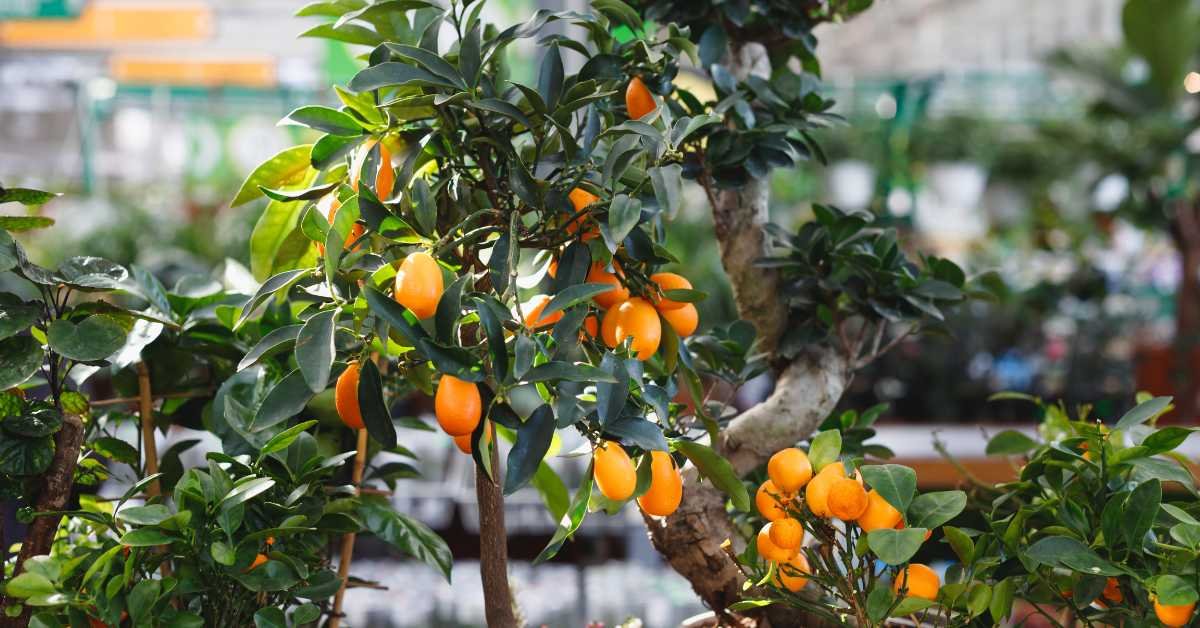
If you want fresh lemons or limes right from your balcony, citrus is the perfect choice. They love pots and grow surprisingly well on balconies.
Best Balcony Citrus
- Dwarf Meyer Lemon (the most popular balcony citrus)
- Dwarf Kagzi Lime
- Dwarf Calamondin Orange
- Dwarf Persian Lime
Why Citrus Works Well on Balconies
- Grows well in pots throughout the year.
- Very fragrant — your balcony will smell amazing.
- Doesn’t grow too tall if pruned lightly.
- Fruits heavily once established.
Sunlight
6–8 hours.
Pot Size
12–18 inches (or 15+ gallons).
Quick Tip
Use loose, airy soil and perfect drainage. Citrus absolutely hates standing water, so again, make sure your balcony drainage system is right.
4. Figs (Best Low-Maintenance Balcony Fruit)
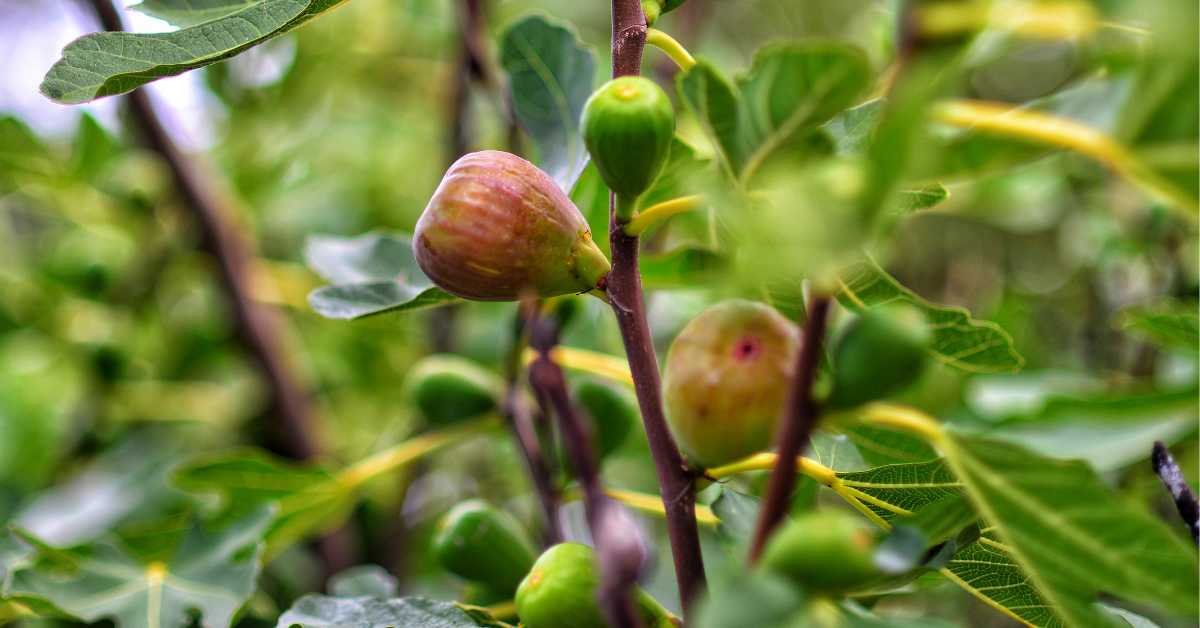
If you want literally the easiest fruit to grow on a balcony, choose figs.
They are extremely forgiving, drought-tolerant, and fruit even in medium-sized pots.
Best Varieties
- Celeste (small and sweet)
- Petite Negra (perfect for balconies)
- Little Miss Figgy (compact, ornamental)
- Brown Turkey (classic, easy)
Pot Size
12–20 gallons for good production.
Sunlight
6–8 hours.
Why Figs Are Perfect for Balconies
- They don’t need a pollinator.
- They tolerate heat and occasional neglect.
- They give fruit in the very first year in many cases.
- You can prune them to keep a compact shape.
If you’re still figuring out where to place larger pots, you can look at small balcony garden layout ideas — it’ll help you plan your space better.
5. Dwarf Mulberry Trees (Fast-Growing & Heavy Fruiting)
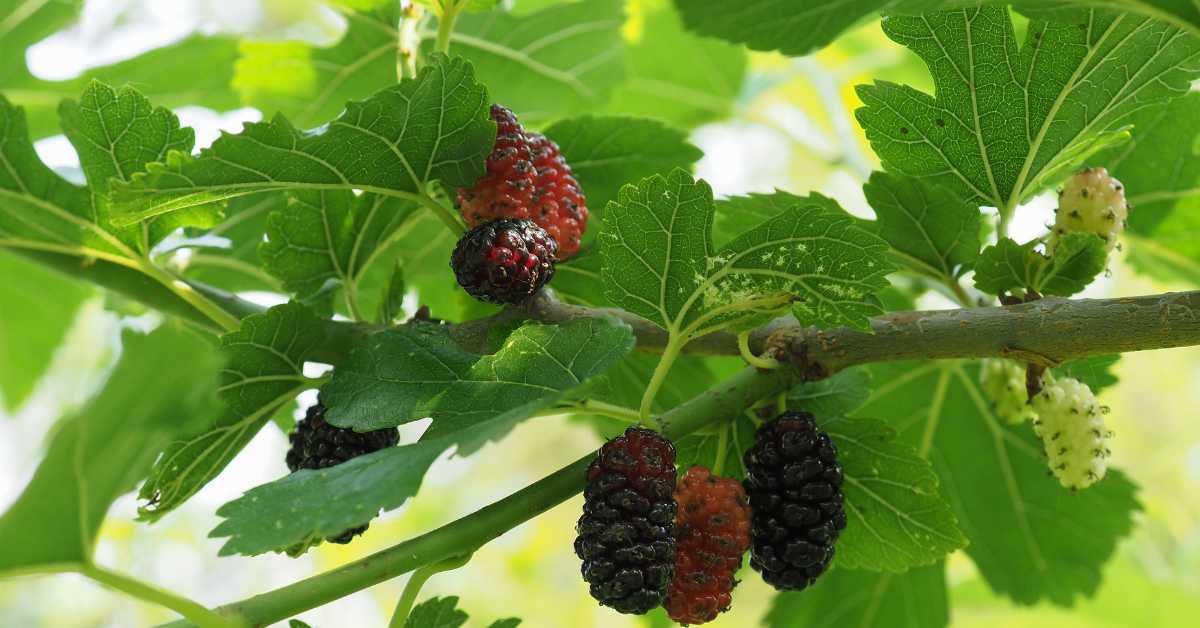
Dwarf mulberries look like mini berry trees and fruit insanely well in pots.
Note: Don’t grow full-size mulberries on a balcony (they grow too big). Only dwarf or compact types.
Best Varieties
- Dwarf Everbearing Mulberry
- Illinois Everbearing (pruned small)
- Black Beauty (patio type)
Why They Work Well
- Fruit in the first year.
- Can be pruned to 2–3 feet.
- Very low maintenance.
- Great for balconies that get good sun.
Sunlight
6+ hours.
Pot Size
15+ gallon pot.
6. Pineberries (White Strawberries)
Pineberries are trending now because they look unique — white with red seeds — and taste like pineapple.
They behave just like strawberries but tolerate slightly less heat.
Best Balcony Varieties
- White Carolina
- White Pine
Sunlight
4–6 hours.
Pot Size
8–12 inches deep.
Why They’re Great
- Produce lots of runners.
- Very ornamental.
- Kids love them.
- Easy to grow next to strawberries.
7. Compact Grapes (Yes, You Can Grow Grapes on a Balcony)
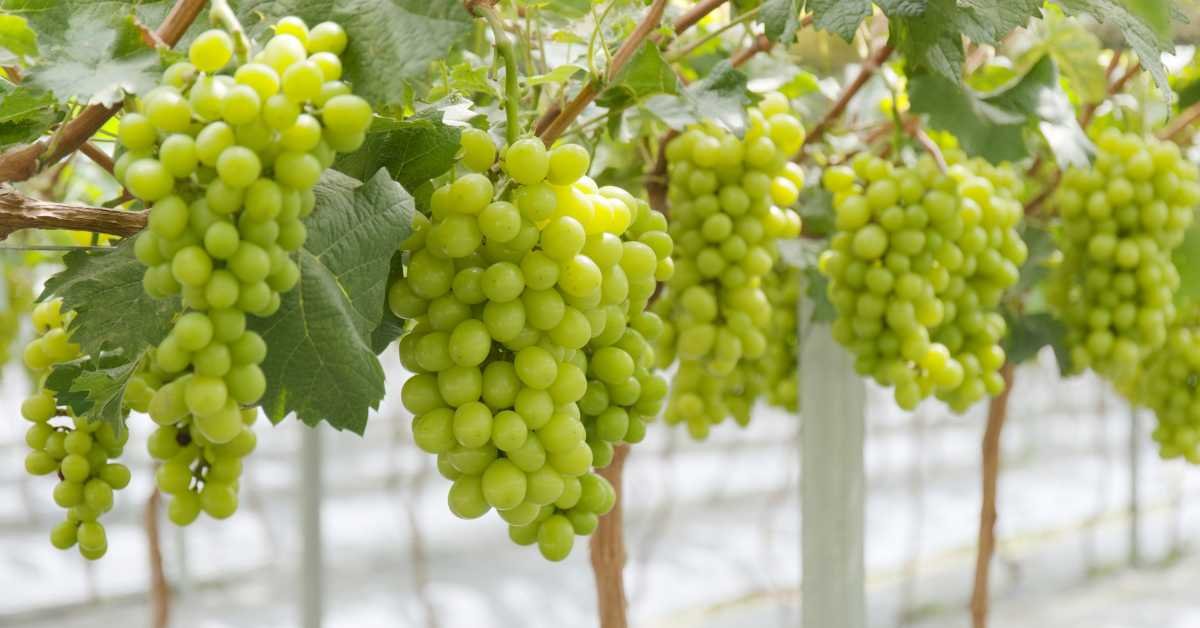
Most people are shocked when they realize grapes do extremely well in large containers.
Just choose compact or balcony-friendly varieties.
Best Varieties
- Pixie Grapes (the best for balconies)
- Crimson Seedless (pruned)
- Blueberry Grape (ornamental + edible, small vines)
Sunlight
6–8 hours.
Pot Size
15–20 gallon pot.
Why Grapes Work on Balconies
- They grow vertically (space-saving).
- Fruits hang beautifully.
- You can train the vine along your balcony railing.
- Very little maintenance once the vine matures.
8. Passion Fruit (If You Want a Balcony Vine That Fruits)
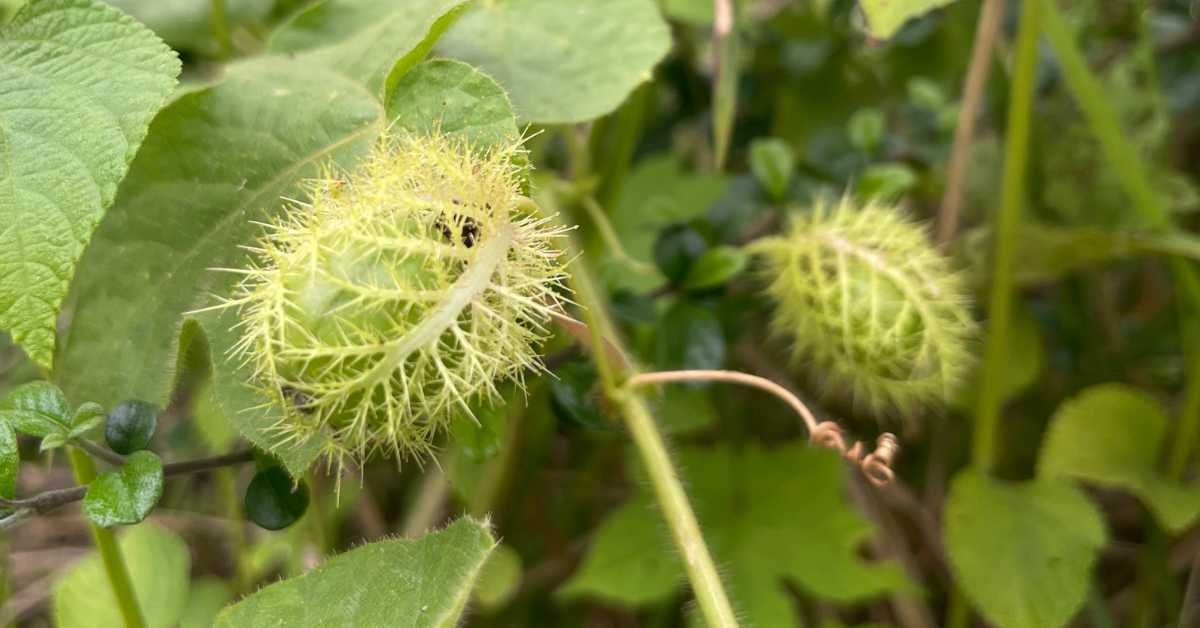
If you want something tropical-looking that climbs beautifully and gives fruit, go for passion fruit.
Best Balcony Varieties
- Yellow Passionfruit
- Purple Passionfruit (Passiflora edulis)
- Panama Red / Gold
Sunlight
6–8 hours.
Pot Size
15–20 gallons.
Why It’s Good for Balconies
- Climbs vertically — saves floor space.
- Beautiful foliage + flowers.
- Fruits in 12–18 months.
- Gives your balcony privacy naturally.
9. Goji Berries (Superfood + Container-Friendly)
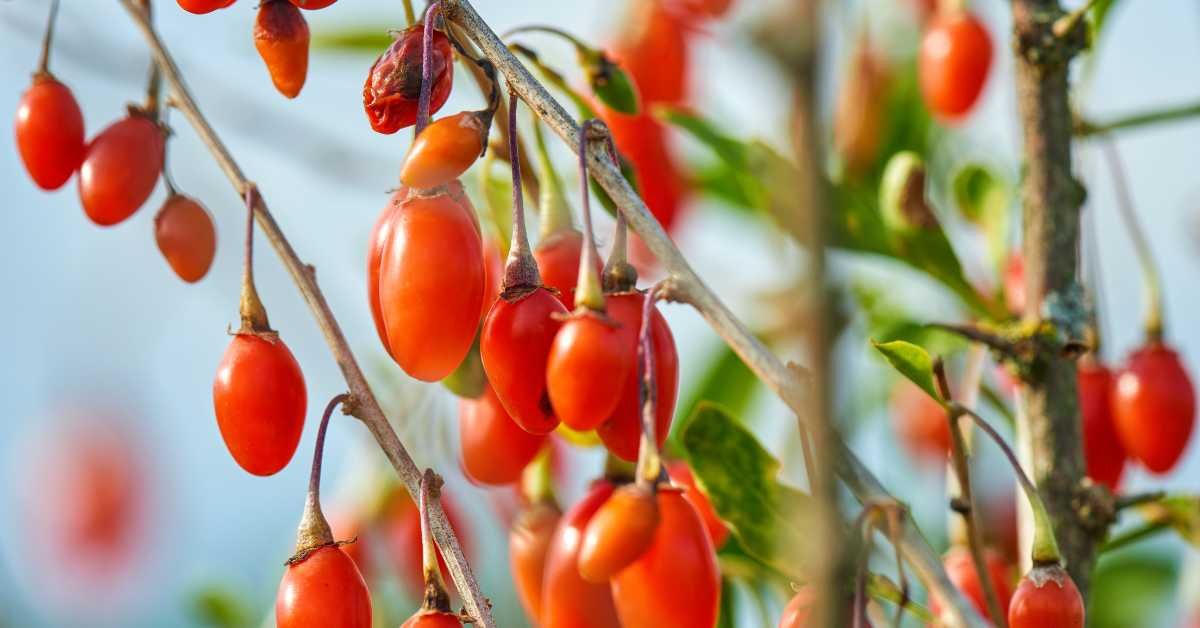
Goji berries don’t need much care, are naturally compact, and give lots of fruit.
Best Varieties
- Phoenix Tears
- Crimson Star
- Sweet Lifeberry
Sunlight
5–7 hours.
Pot Size
10–15 gallons.
Why Goji Berries Work Well
- Hardy plant.
- Very small-space friendly.
- Good for health (superfood).
- Drought-tolerant.
10. Dwarf Guava (If You Want a Tropical Fruit Balcony Tree)
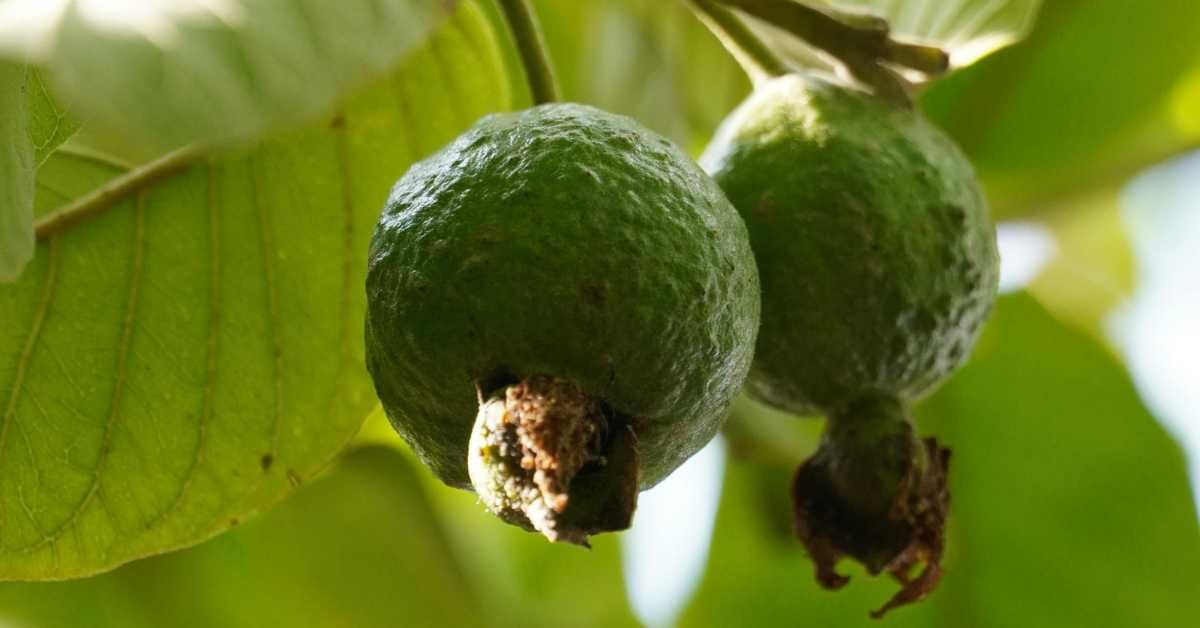
Guava is one of the easiest tropical fruits to grow in pots.
Best Balcony Varieties
- Dwarf Thai Guava
- Red Malaysian Guava
- Barbie Pink (compact)
Sunlight
6–8 hours.
Pot Size
15+ gallon pot.
Why Guava Is Balcony-Friendly
- Small root system.
- Fruits well even in pots.
- Smells amazing.
- Tolerates heat and humidity.
How to Choose the BEST Fruit for YOUR Specific Balcony
Different balconies have different conditions. Here’s how you decide perfectly:
1. If your balcony gets 2–4 hours of sunlight (low light / north-facing)
Grow:
- Alpine Strawberries
- Pineberries
- Goji Berries (partial shade tolerable)
Also, check my guide on the best vegetables for balcony garden — many of those low-light vegetables grow well with berries.
2. If your balcony gets 4–6 hours of sunlight (moderate light)
Grow:
- Strawberries
- Pineberries
- Dwarf Blueberries
- Passion Fruit (okay with 5+ hours)
3. If your balcony gets 6–8 hours of sunlight (ideal)
Grow anything from the main list, especially:
- Citrus
- Figs
- Mulberries
- Grapes
- Guava
Best Pot Sizes for Balcony Fruit Plants
Here’s a quick table for easy reference:
| Fruit | Minimum Pot Size | Notes |
| Strawberries | 8–10 inches | Hanging baskets OK |
| Blueberries | 10–15 gallon | Acidic soil |
| Dwarf Citrus | 12–18 inches | Needs drainage |
| Figs | 12–20 gallon | Very adaptable |
| Mulberries (dwarf) | 15+ gallon | Prune to manage height |
| Pineberries | 8–12 inches | Partial shade OK |
| Grapes | 15–20 gallon | Provide support |
| Passion Fruit | 15–20 gallon | Strong trellis |
| Goji Berries | 10–15 gallon | Hardy |
| Dwarf Guava | 15+ gallon | Heat tolerant |
General Care Tips for Balcony Fruits
1. Use Light, Well-Draining Soil
Balcony planters don’t work with heavy garden soil.
If your mix is compacting or holding too much water, check the guide on the best soil for balcony plants — it’ll fix this problem immediately.
2. Fix Drainage First
Poor drainage kills fruit plants faster than anything. If water stays at the bottom of your pots, check the balcony garden drainage solutions.
3. Place Large Pots Strategically
Don’t randomly place pots. Use corners, railing edges, and sunny spots.
If you need ideas, revisit small balcony garden layout ideas — it’ll help you plan space correctly.
4. Feed Regularly
Fruits need nutrients. Use:
- Liquid seaweed
- Organic compost
- Slow-release fertilizer (once every 45–60 days)
5. Give Support Where Needed
Grapes and passion fruit always need a trellis or railing.
6. Prune
Every dwarf tree responds extremely well to pruning.
If you follow all these correctly, you’ll get fruit even on a tiny balcony.
Conclusion
If you choose the right varieties, balcony fruit gardening is one of the easiest things to do at home. All you really need is good soil, a few compact fruit varieties, and a little sunlight.
Strawberries, dwarf blueberries, figs, citrus, mulberries, pineberries, grapes, and passion fruit — these are more than enough to turn even a very small balcony into a productive mini orchard.
If you also fix basics like the best soil for balcony plants, plan your space using small balcony garden layout ideas, and keep proper drainage using balcony garden drainage solutions, then your fruit plants will grow properly without giving you any stress.
Just start with 1–2 fruits first, get used to how they grow, and slowly expand.
FAQs
Which fruit is the easiest to grow on an apartment balcony for beginners?
If you’re a complete beginner, the easiest fruit to grow is Strawberries, followed by Figs and Dwarf Mulberries.
They are low-maintenance, fruit fast, and don’t need complicated care. Just make sure the pot has good drainage — if not, check my balcony garden drainage solutions guide.
Can I grow fruit on a small north-facing balcony?
Yes, but choose fruits that tolerate low light. Grow Alpine Strawberries, Pineberries, or Goji Berries.
These do fine in 2–4 hours of indirect or filtered light. If your balcony layout is blocking the sun, see my small balcony garden layout ideas to adjust placement.
How big should the pots be for balcony fruit plants?
It depends on the fruit.
- Strawberries: 8–10 inches
- Blueberries: 10–15 gallons
- Figs & Mulberries: 15–20 gallons
- Citrus: 12–18 inches
- Grapes & Passion Fruit: 15–20 gallons
But more important than pot size is soil quality. Don’t use heavy soil. If you aren’t sure what to use, check the best soil for balcony plants so you get it right from day one.
Do balcony fruit plants need fertilizer?
Yes, especially because nutrients in containers wash out faster. Use organic compost, seaweed extract, or a mild slow-release fertilizer once every 45–60 days.
Avoid overfeeding — fruit plants respond better to consistent light feeding than dumping too much at once.

I’m Abraham creator of Balcony Gardening Ideas. I share balcony gardening tips, DIY projects, and hands-on plant care guides based on my own balcony garden experience. I grow vegetables, herbs, and flowers using organic methods and simple setups anyone can follow.