If your small balcony gets even a little sunlight, you can grow herbs. The best herbs are basil, coriander, mint, etc. I grow them because I use them in the kitchen.
Also, these herbs don’t need big land; they love containers, and honestly, they’re the easiest plants you can start with. Also you can choose any of these small balcony garden layout ideas.
So, let’s talk about the best herbs for balcony gardens that actually grow well — not random ones that die halfway.
Why Balcony Herbs Make Sense
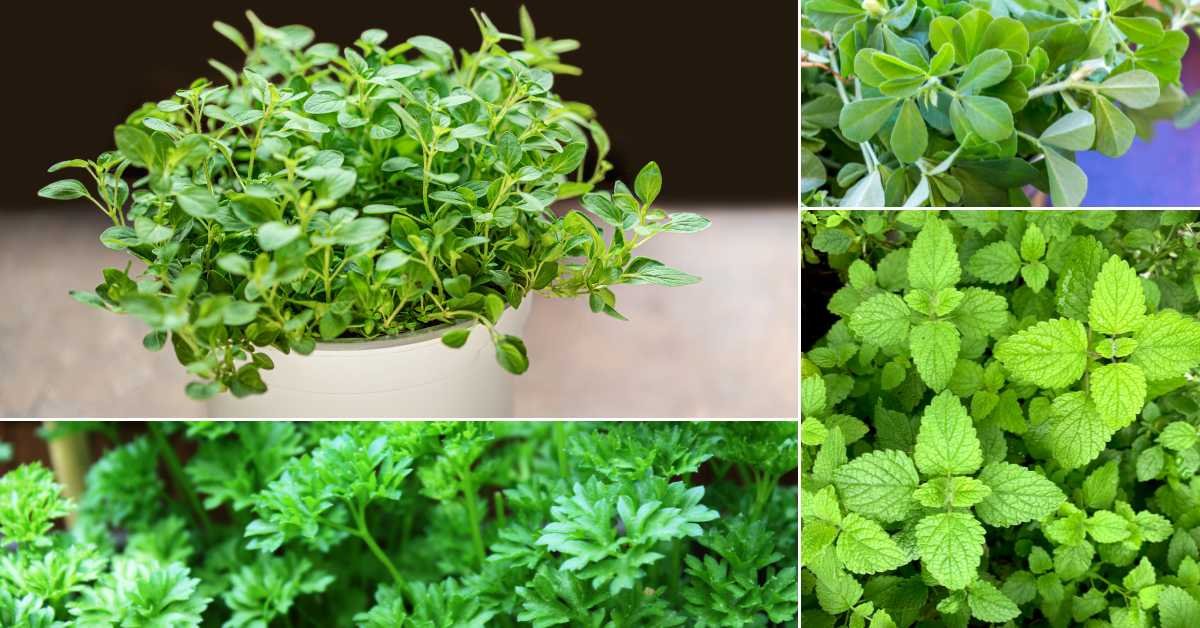
Balcony gardening is perfect for herbs because herbs stay compact, grow fast, and need less soil depth.
Even if your space is small, a few pots can give you constant fresh leaves for cooking.
They clean the air, bring fragrance, and trust me — when you snip a few fresh leaves for your food, the taste is just next level.
Also, most herbs don’t like heavy rain or too much wind — so a balcony with partial cover is ideal.
1. Basil (Sweet Basil or Tulsi)
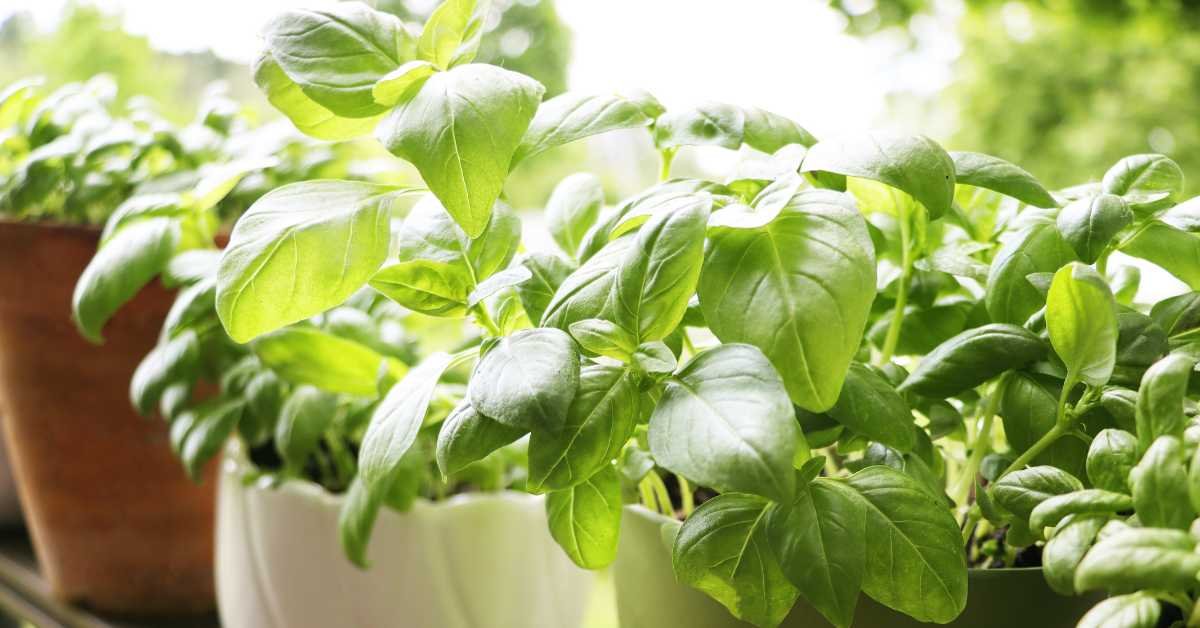
- Best season: Warm weather – from spring to early fall
- Sunlight: 5–6 hrs direct light
- Container: 8–10-inch pot with holes
Basil loves heat. Keep it near a sunny railing, but safe from strong winds.
Always pinch the top leaves once the plant has 4–5 sets of leaves — that keeps it bushy and stops it from flowering early.
Quick notes:
- Water when top soil feels dry.
- Avoid overwatering — roots rot fast.
- You can even grow basil from supermarket cuttings.
Pro tip: In cold regions, shift basil indoors near a window or use a small grow light.
2. Mint
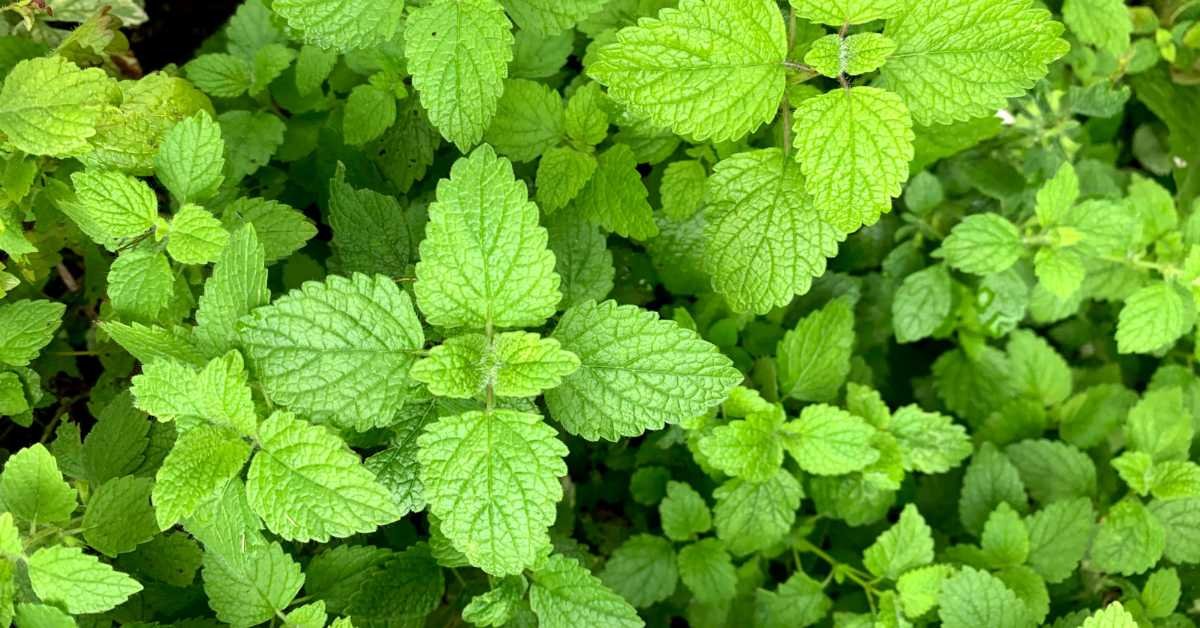
- Best season: Almost all year, loves the monsoon the most
- Sunlight: Partial shade (3–4 hrs light)
- Container: Wide pot, 10–12 inches
Mint grows wild if you let it, so always give it a separate container.
It enjoys humidity, so balcony corners are best.
Care tip: keep soil moist all the time — never dry.
Trim regularly and you’ll get soft, fragrant leaves every week.
Bonus: Perfect for tea, drinks, raita, and summer chutneys.
3. Coriander (Cilantro)
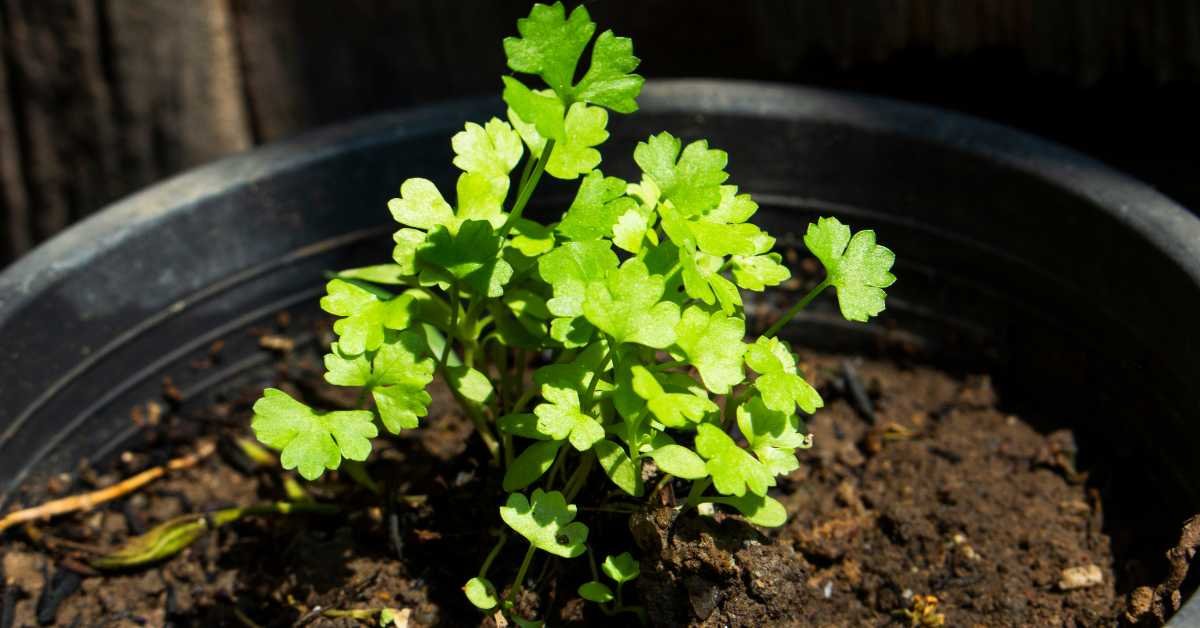
- Best season: Cool to mild weather (autumn to early spring)
- Sunlight: 4–5 hrs
- Container: 6–8 inch depth
Coriander hates too much heat. Sow seeds directly — don’t transplant.
Once it grows 4–5 inches, start harvesting the outer leaves.
Tip:
- Water lightly every alternate day.
- Thin the seedlings so each has space.
- Let one or two plants flower if you want seeds for the next round.
It’s one herb you’ll use almost daily, so sow a small batch every 2–3 weeks for constant harvest.
4. Parsley
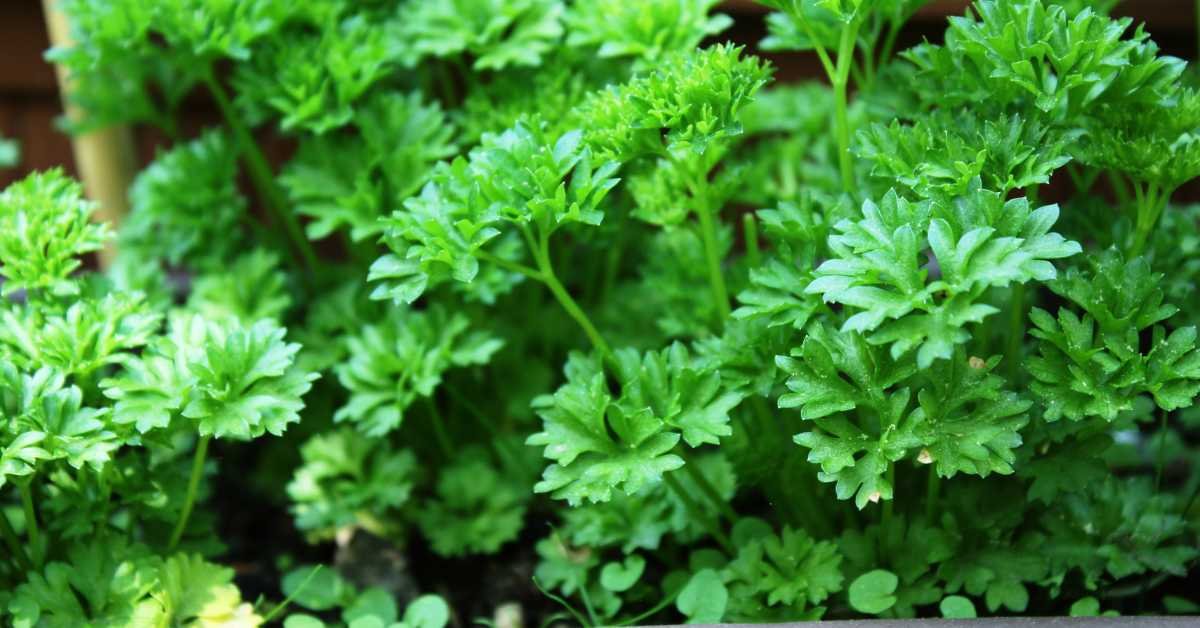
- Best season: Spring and fall
- Sunlight: 4–6 hrs
- Container: 8–10 inch
Parsley takes patience; it germinates slowly, but once it starts, it’s easy.
Perfect for partial-shade balconies.
Keep soil moist but not soggy.
Flat leaf vs curly: flat leaf (Italian) is stronger in flavor, curly looks decorative.
Tip: Don’t disturb roots; parsley doesn’t like shifting pots.
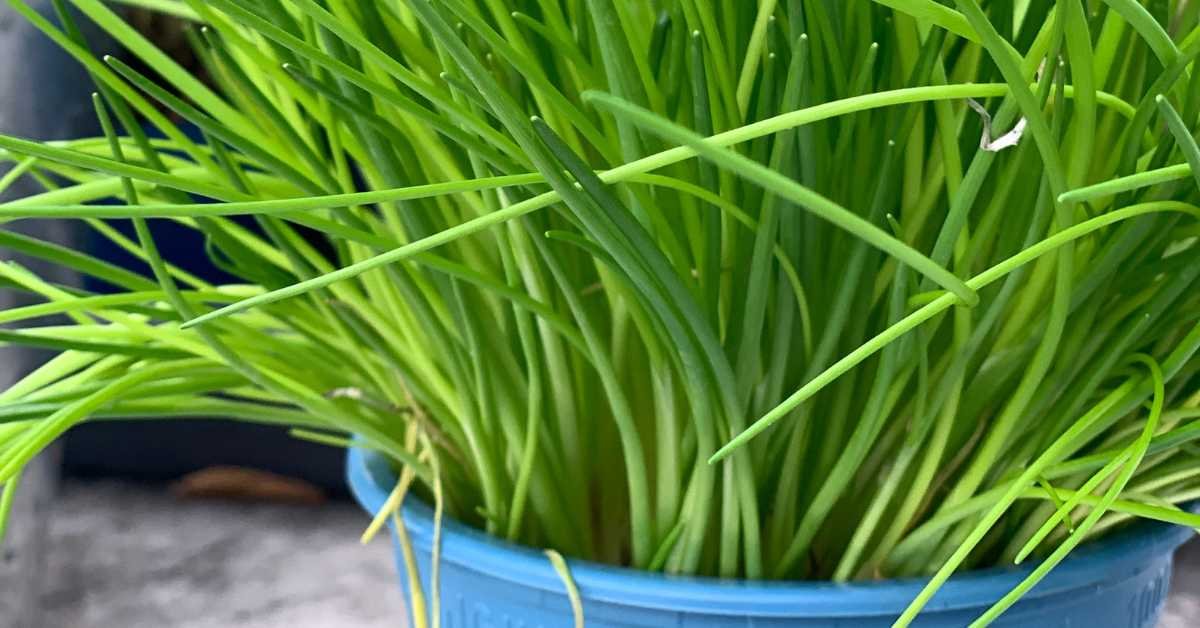
5. Chives
- Best season: Spring to fall
- Sunlight: 4–5 hrs
- Container: 6–8 inch
Chives are like grass — trim and they regrow fast.
They tolerate cool weather, perfect for balconies that get morning sun only.
Care tips:
- Water regularly; they like consistent moisture.
- Cut from the base, not the middle.
- In winter, they rest. Don’t panic — new shoots appear once warm days return.
Small win: Flowers are edible and look great in salads.
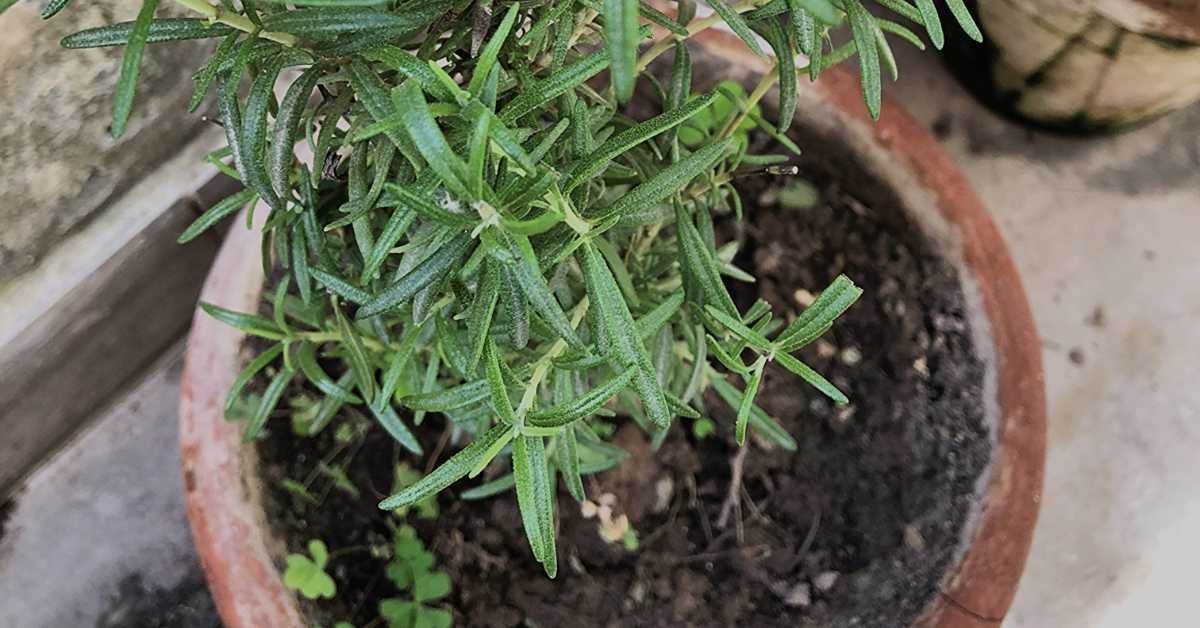
6. Rosemary
- Best season: Spring till late autumn
- Sunlight: Full, 6+ hrs
- Container: 10–12 inch
Rosemary is evergreen if treated right. Loves sunlight, hates wet feet.
Soil must be sandy and dry between watering.
Tips:
- Add sand or perlite to the mix.
- Water only when the top inch feels dry.
- Light pruning keeps the shape compact.
Also, it keeps mosquitoes away — double win for balcony spaces.
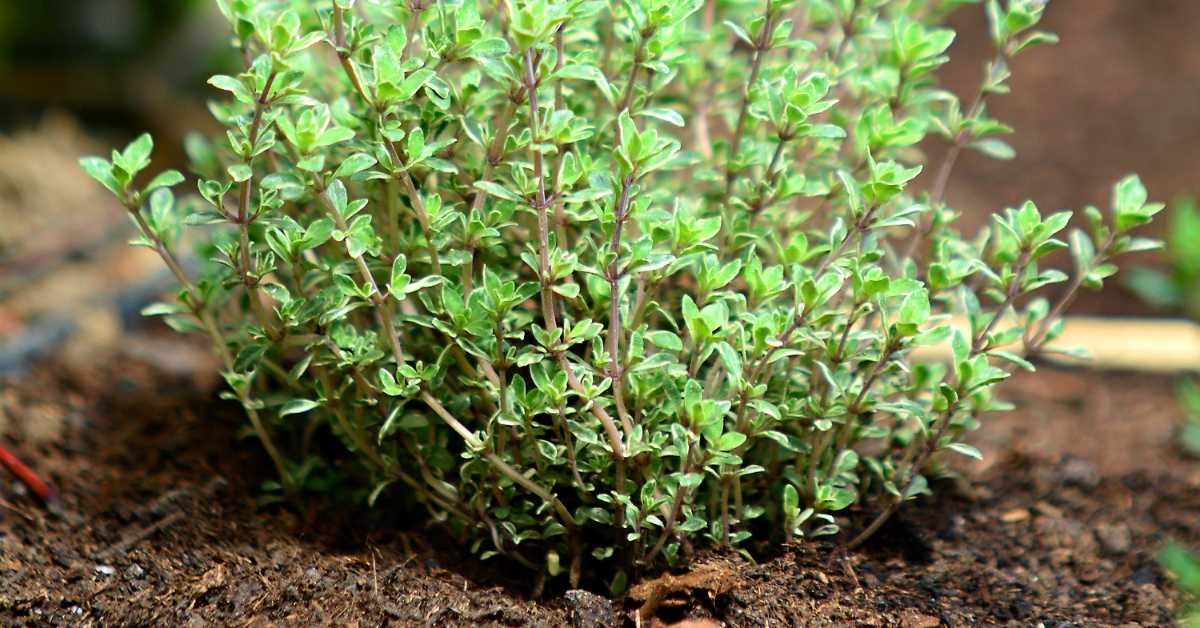
7. Thyme
- Best season: Spring to fall
- Sunlight: 5–6 hrs
- Container: 6–8 inch
Thyme is small, drought-tolerant, and doesn’t need pampering.
If you forget to water for a day or two, no issue.
Tips:
- Use light, airy soil.
- Trim after flowering.
- Don’t overfeed — too much fertilizer kills flavor.
Pairs great with rosemary and oregano in one long rectangular pot.
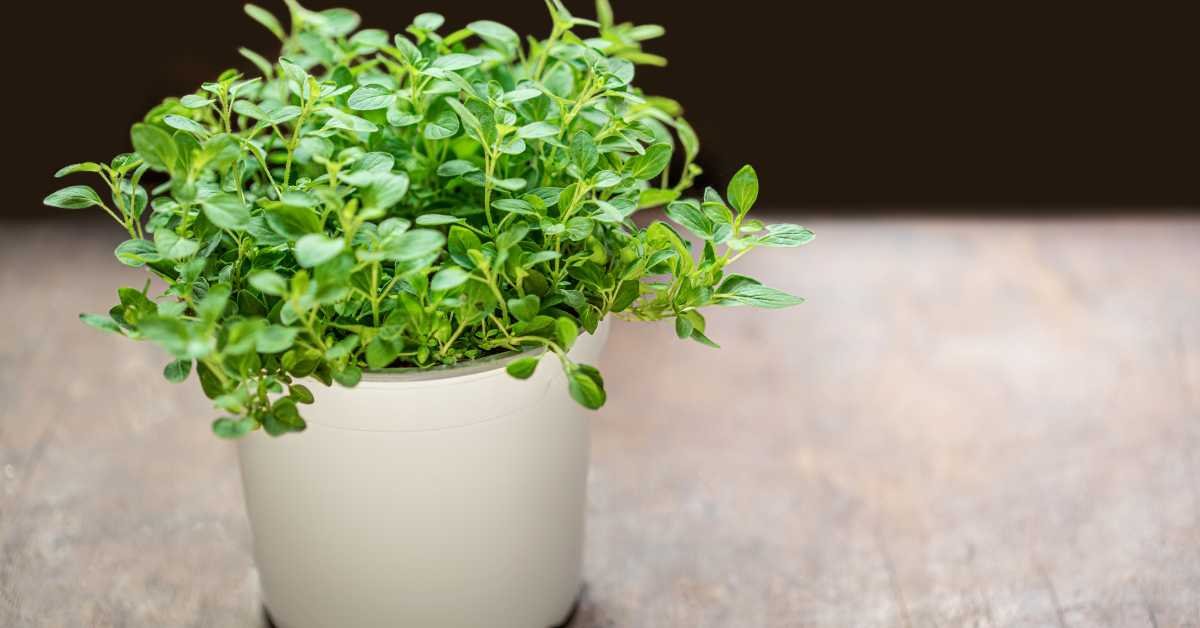
8. Oregano
- Best season: Warm months (late spring till early fall)
- Sunlight: 5–6 hrs
- Container: 8–10 inch
Oregano is strong and forgiving. Loves the sun but manages in half-shade too.
Tips:
- Water the soil when it starts to dry.
- Cut stems often to encourage new growth.
- Protect from frost; move indoors if winter is harsh.
If you cook Italian food, this herb will never go to waste.
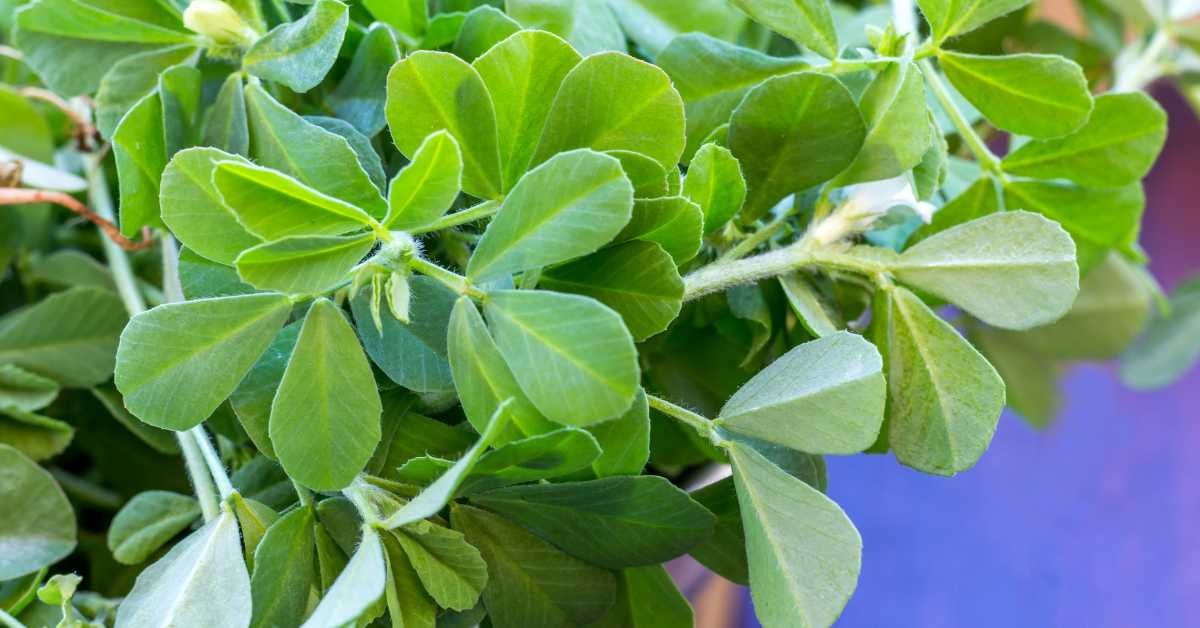
9. Fenugreek (Methi)
- Best season: Winter to early spring
- Sunlight: 4–5 hrs
- Container: Shallow tray or 6 inch pot
Fenugreek gives you a quick harvest — ready in 20–25 days.
Just scatter seeds, press lightly, and water every day.
Cut leaves when they’re 5–6 inches tall and resow again.
Why it’s perfect for a balcony: needs little space, grows even in partial shade, and gives a steady green supply.
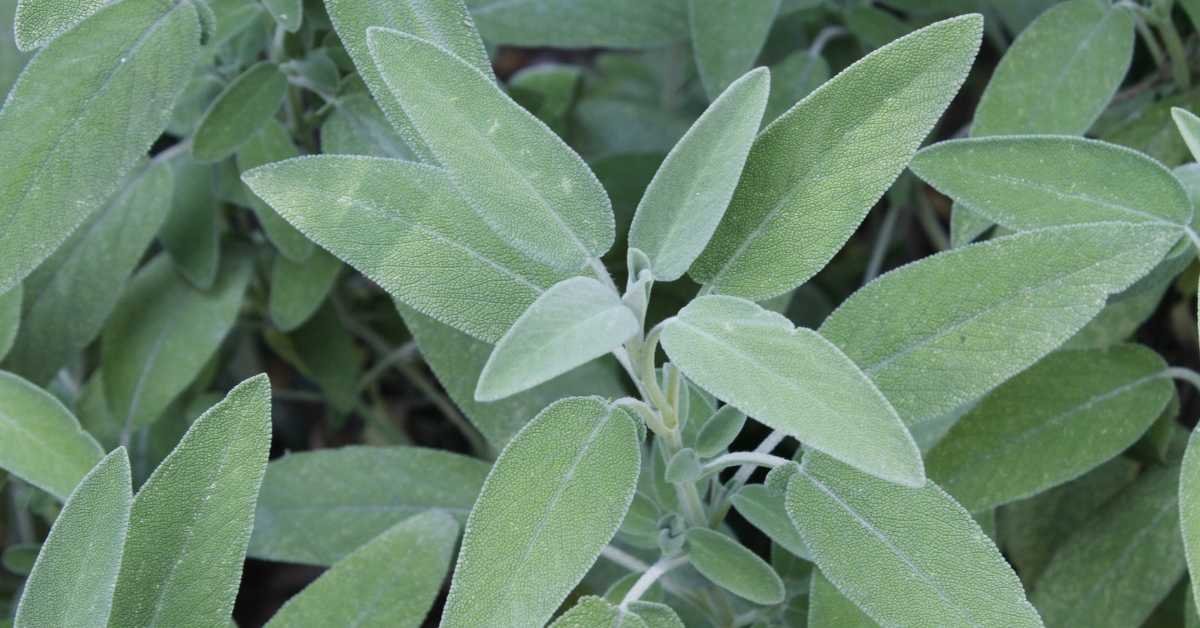
10. Sage
- Best season: Spring till autumn
- Sunlight: 6 hrs
- Container: 10-inch clay pot
Sage is for those who forget to water daily. It’s drought-friendly, smells amazing, and looks great in any balcony setup.
Tips:
- Trim often, avoid woody stems.
- Keep the potting mix dry between watering.
- Works great with rosemary and thyme.
Bees love it, so it’s good for pollination too.
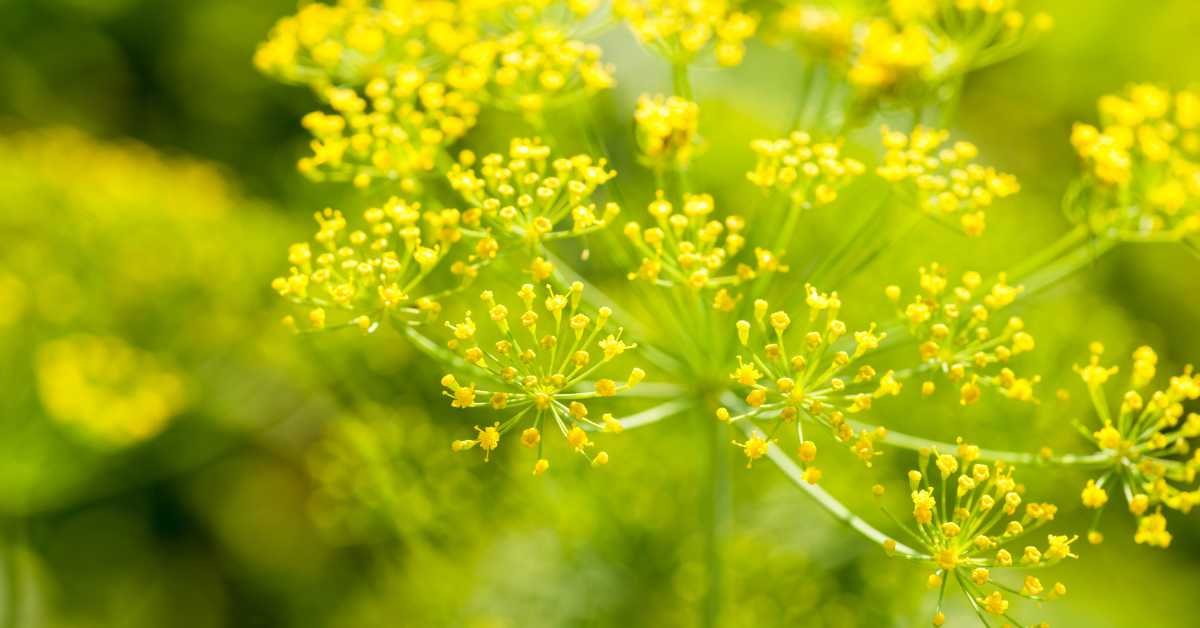
11. Dill (Suva/Shepu)
- Best season: Winter to early spring
- Sunlight: 4–5 hrs
- Container: 8–10 inch
Dill is airy and feathery, doesn’t eat space. Sow directly, no transplanting.
Harvest young leaves — older ones get tough.
Makes your balcony look lush, plus you can use it fresh in soups or curries.
Best Combinations for Balcony Spots
Sunny Balcony (6+ hours light)
- Basil
- Rosemary
- Thyme
- Oregano
- Sage
Part-shade Balcony (3–5 hours light)
- Mint
- Coriander
- Parsley
- Fenugreek
- Chives
These groups match water and light needs, so care stays simple.
Potting Mix That Works
Balcony herbs prefer light soil.
Mix recipe:
- 50 % garden soil or compost
- 25 % coco peat
- 25 % sand or perlite
This keeps the roots breathing. Herbs hate heavy, wet soil.
Watering Rules
- Always water early in the morning.
- Feel the soil before watering — the top should be dry.
- Mint & coriander want slightly more water; rosemary & thyme want less.
- Drain trays if extra water stays.
Also read: How often to water a balcony Plants
Feeding Herbs
Once every 15–20 days, give compost tea or mild organic fertilizer.
Chemical feeds can burn herbs or spoil taste, so avoid them.
Also, use leftover kitchen compost or diluted cow-dung liquid if available — herbs love mild organic feed.
Light & Placement
- Rotate pots every few days. Herbs bend toward light quickly.
- If your balcony faces north and stays dim, a small grow light helps a lot.
- Remember — at least a few hours of natural light daily keeps flavors strong.
Harvesting Rules
Don’t wait too long — herbs taste best when young.
Cut top leaves or outer stems, not middle shoots.
Never take more than one-third of a plant at once.
Regular trimming keeps plants compact and fresh.
Balcony Herb Plan – Season wise
| Season | Best Herbs |
| Spring | Basil, Mint, Parsley, Chives, Thyme |
| Summer | Basil, Oregano, Rosemary, Sage |
| Monsoon | Mint, Coriander, Fenugreek |
| Autumn | Parsley, Dill, Rosemary |
| Winter | Coriander, Fenugreek, Dill, Chives |
Follow this and you’ll have something green every season.
Troubleshooting Quick Help
- Leaves yellowing? Overwatered. Let the soil dry.
- Leggy herbs? Not enough light — move closer to the window.
- No smell or weak flavor? Too much fertilizer.
- Have small flies? Spray neem water on your plants; once a week is enough.
Simple Setup Tips
- Group herbs by light. Sunny herbs together, shade herbs together.
- Use railing planters or vertical racks to save space. Also these small balcony railing planter ideas can help you maximize every inch
- Keep small saucers under pots, but empty them after rain.
- Add a pebbles layer at the pot bottom for better drainage.
- Label each herb, so you don’t mix seedlings.
5 Herbs You Must Start With (If You’re a Beginner)
If you’re new and don’t want to juggle too much:
- Mint – grows crazy fast.
- Coriander – everyday use.
- Basil – bright, aromatic, great in any dish.
- Fenugreek – instant greens.
- Rosemary – long-term, smells great, and pest-repelling.
These five alone can make any balcony look alive and useful.
Small Balcony Design Idea
- If space is tight, hang 3–4 railing boxes — one for sunny herbs, one for partial shade.
- Add one vertical stand in the corner. If you need inspiration, check these balcony garden setup ideas to plan better.
- Keep one bigger clay pot with rosemary or sage to give structure.
- And a small water sprayer nearby — herbs love morning misting.
In a few weeks, you’ll have a green corner that smells amazing and gives you handfuls of flavor daily.
Conclusion
Balcony herbs aren’t just decoration — they’re daily freshness, health, and a piece of nature that actually gives back.
Even with 3–4 pots, you can grow most of what you use in the kitchen. Basil, mint, coriander, parsley, rosemary, thyme — they don’t ask for much, just a little sun, light soil, and your few minutes of care.
Once you start, you’ll realize how peaceful it feels to step out, touch those soft leaves, and clip a few for your meal.
And honestly, nothing compares to that smell when the wind hits your balcony full of herbs — it’s a small space, but it feels like your own green heaven.
Keep things simple, grow smart by season, water right, and rotate your pots — and you’ll have herbs 365 days.
FAQs
Can herbs grow well in a low sunlight balcony?
Yes, a few herbs like mint, parsley, coriander, fenugreek, and chives grow perfectly in partial sunlight (3–4 hrs).
If you get no direct light at all, use a small LED grow light for a few hours daily — herbs don’t mind artificial light as long as it’s consistent.
How often should I water herbs on the balcony?
General rule — check the top 1 inch of soil. If it feels dry, water.
Summer = daily or alternate day
Winter = every 2–3 days.
Overwatering is the main reason herbs fail, especially rosemary and thyme, so always keep the soil airy and drain water quickly.
Which herbs survive all year on the balcony?
Mint, rosemary, thyme, and sage are long-living herbs that can stay green year-round if you protect them from frost.
Just trim regularly, repot every year with fresh mix, and give compost tea monthly — they’ll last for years.
What’s the easiest herb for beginners to start on the balcony?
Start with Mint or Fenugreek.
Mint is forgiving, grows fast, and recovers even if you forget watering for a day.
Fenugreek grows in any shallow pot, and you can harvest in just 20–25 days — it builds instant confidence.

I’m Abraham creator of Balcony Gardening Ideas. I share balcony gardening tips, DIY projects, and hands-on plant care guides based on my own balcony garden experience. I grow vegetables, herbs, and flowers using organic methods and simple setups anyone can follow.