If your balcony is plain and empty, you can turn it into a beautiful green space even if you’ve never grown a plant before.
You won’t need a big area or heavy pots. Just understand your balcony light, choose the right containers, and set them smartly.
Once you know how to use every corner and have Balcony Garden Setup Ideas, even a tiny balcony can look like a small garden that will give you herbs, vegetables, and flowers all year round.
So, let’s now set up a balcony garden.
1. Know Your Balcony Before You Buy Anything
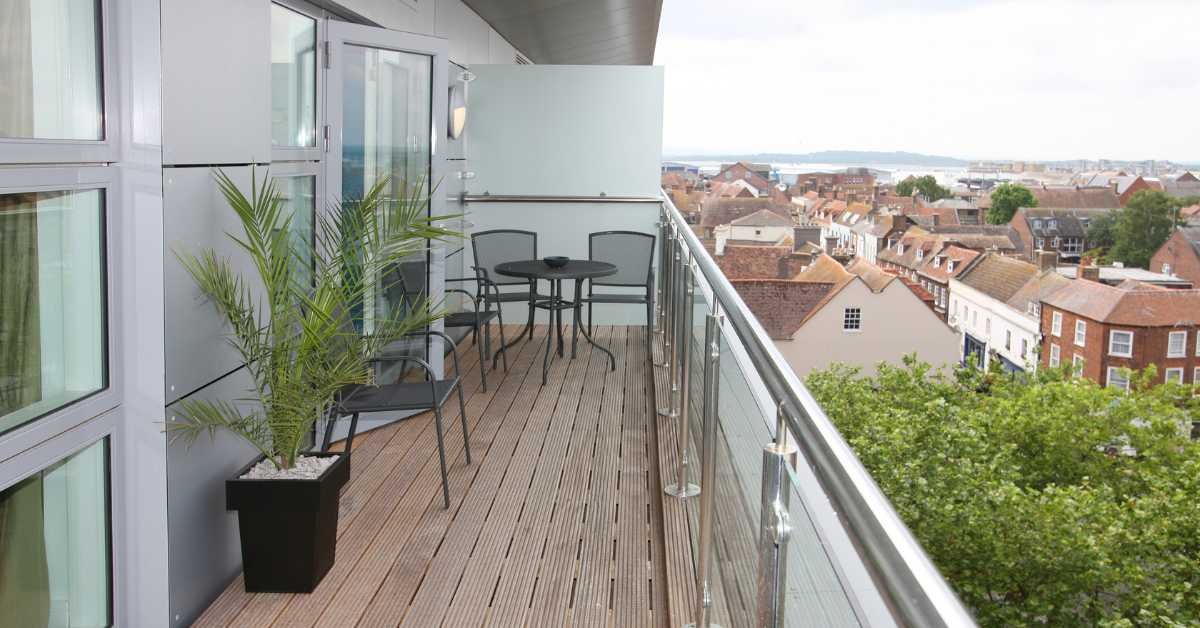
Every balcony is different. What grows well on one side may fail on another.
Spend one full day just noticing where sunlight hits and how long it stays.
- South or west-facing: full sun, perfect for vegetables and herbs.
- East-facing: morning sun, good for most plants.
- North-facing: choose shade-tolerant plants. If your balcony gets very low light, you can follow this list of north-facing balcony plants.
Check the wind too. If your balcony faces open air, strong wind can dry soil fast — keep a screen or net.
Look at railing height, floor space, and wall area — you’ll use all of it later.
2. Decide What Kind of Garden You Want
It matters what you expect. If you want fresh kitchen herbs, the setup will be simple.
If you want colorful flowers or vegetables, you’ll need a few big containers.
If you want low maintenance greenery, focus on indoor-type plants.
When you know the purpose, everything else becomes easy — from choosing plants to arranging them.
3. Choose Containers Wisely
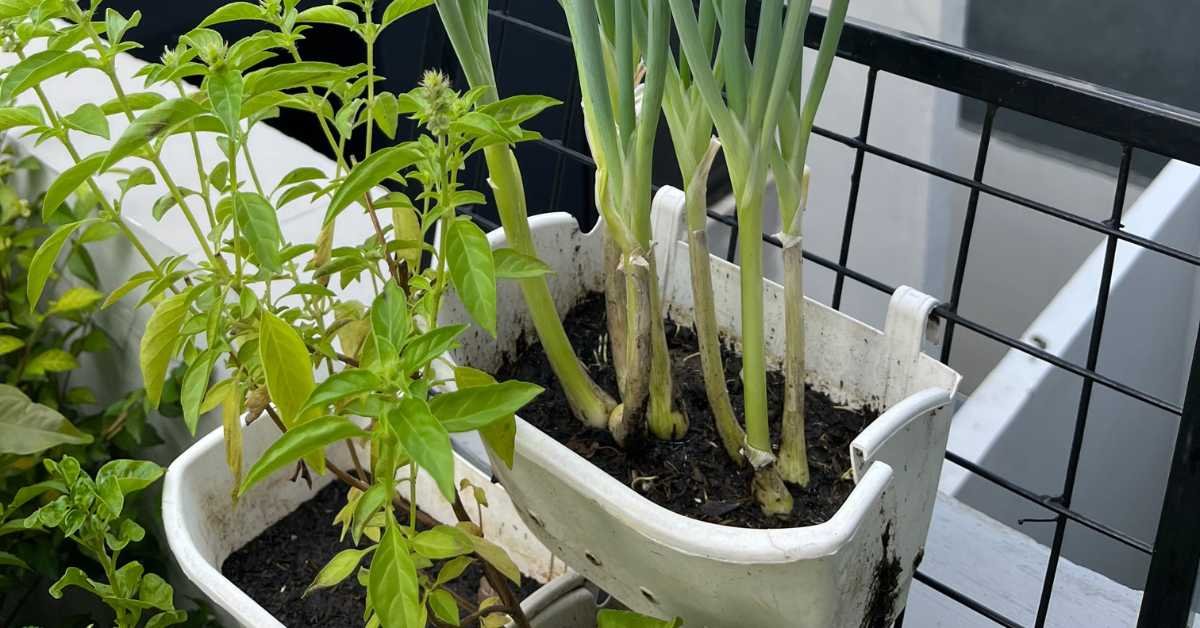
Your pots are the base of your garden. They don’t need to match, but they must have drainage holes.
- Plastic pots: light and easy, good for windy balconies.
- Clay pots: look natural, hold moisture better, but are heavier, though.
- Grow bags: flexible, ideal for vegetables and herbs.
- Recycled buckets or crates: perfect for budget setups.
- Railing planters: save space, grow small herbs or flowers. If you want creative railing options, check these small balcony railing planter ideas.
- Vertical planters: if your floor is small, go vertical.
Depth guide:
- Herbs – 8 to 10 inches
- Leafy greens – 6 to 8 inches
- Tomato or chili – 12 to 18 inches
- Root crops – 10 to 12 inches
Always add a small layer of pebbles before soil. It keeps roots safe from rot.
4. Make the Right Soil Mix
Balcony soil must be light. The garden soil alone is too heavy.
Use this simple mix:
- 40% cocopeat or peat moss
- 30% compost or organic manure
- 20% soil or perlite
- 10% sand
Mix well before filling containers.
It stays loose, drains well, and plants grow faster.
5. Pick Plants That Match Your Light
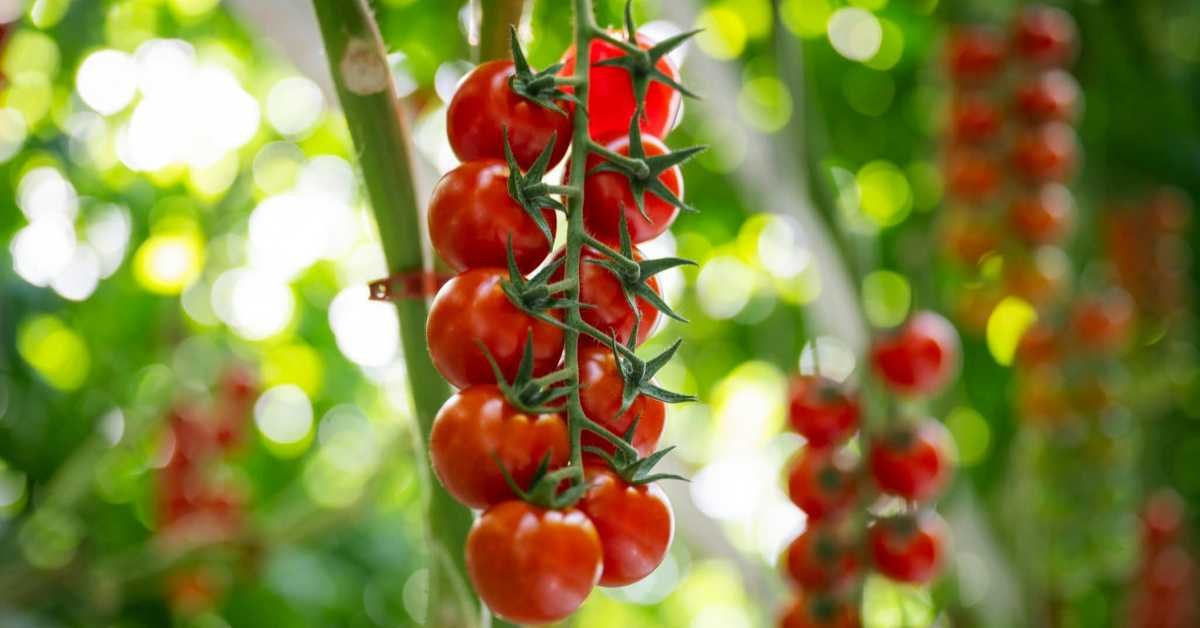
If your balcony gets strong sun, go for edible and flowering plants.
If you get soft light, choose leafy greens and indoor types.
- Sunny balconies: tomato, basil, chili, rosemary, marigold, succulents. You can also explore more balcony plants for full sun.
- Partial sun: lettuce, spinach, mint, coleus, money plant.
- Shady: snake plant, peace lily, ferns, pothos, ZZ plant.
Keep sunlight lovers near the railing, shade lovers near the wall.
That’s how you balance light naturally.
6. Plan a Layout That Works
Don’t fill the floor only. Use vertical and railing space too.
Simple layout:
- Big pots on floor corners.
- Herbs in railing planters.
- One hanging basket.
Vertical layout:
- You can use wall planters or racks.
- Mint, parsley, and lettuce are good options.
Tiered layout:
- You can have a multi-layer stand near the wall.
- Small plants on top and big below.
Mixed layout:
- A few grow bags, a few railing planters, and one shelf.
- Balanced and neat.
Leave space to move or sit. Crowded balconies become hard to maintain.
7. Use Every Inch of Space
Look around — your balcony has a railing, walls, and a ceiling. All can hold plants.
- Ceiling hooks: for hanging baskets.
- Railing clips: for herbs and flowers.
- Wall planters: ideal for small pots or succulents.
- Corner stands: keep 3–4 pots stacked upward.
- DIY bottles or tubs: easy and light.
Vertical gardening changes everything — more plants, same space.
8. Water the Right Way
Most balcony plants die from overwatering, not dryness.
- Water early in the morning or after sunset.
- Touch the soil — if the top feels dry, then water. See how often to water balcony plants.
- You should use a watering can and not a bucket.
- Keep a small tray under each pot. It will collect extra water.
- Group plants with similar needs together.
If you travel, try self-watering pots or drip pipes.
Once you get a routine, watering takes 5 minutes.
9. Feed Plants Regularly
Container soil loses nutrients faster.
Feed every 15–20 days:
- 1 handful of compost per pot.
- Liquid seaweed or compost tea once a month.
- Banana peel water for flowering plants.
Don’t use chemical fertilizers. Stick to organic — it’s safer, smells better, and keeps leaves healthy.
10. Keep Drainage Clean
Always make sure extra water can flow out easily.
Check pot holes monthly.
Add small gravel pieces at the bottom of big pots.
Use drip trays if your balcony drips down to the neighbor’s side.
Tilt floor pots slightly outward so no water stands near the wall.
11. Keep Balcony Clean
Once plants grow, leaves fall, and soil spills. Keep a small broom in the corner.
Trim dry leaves weekly. Dust railing planters once in a while.
Store soil and compost bags in a closed container.
If you can, add small outdoor tiles or pebbles — it makes cleaning easy and gives a neat look.
12. Decorate Lightly
Decoration isn’t about showpieces, it’s about comfort.
Hang one string light or solar lamp. Add a small stool or chair.
Keep scented plants like jasmine or lavender near the sitting corner.
If you’ve space, add a small mat or coffee table.
Simple setups look fresh and peaceful.
13. Balcony Garden by Size
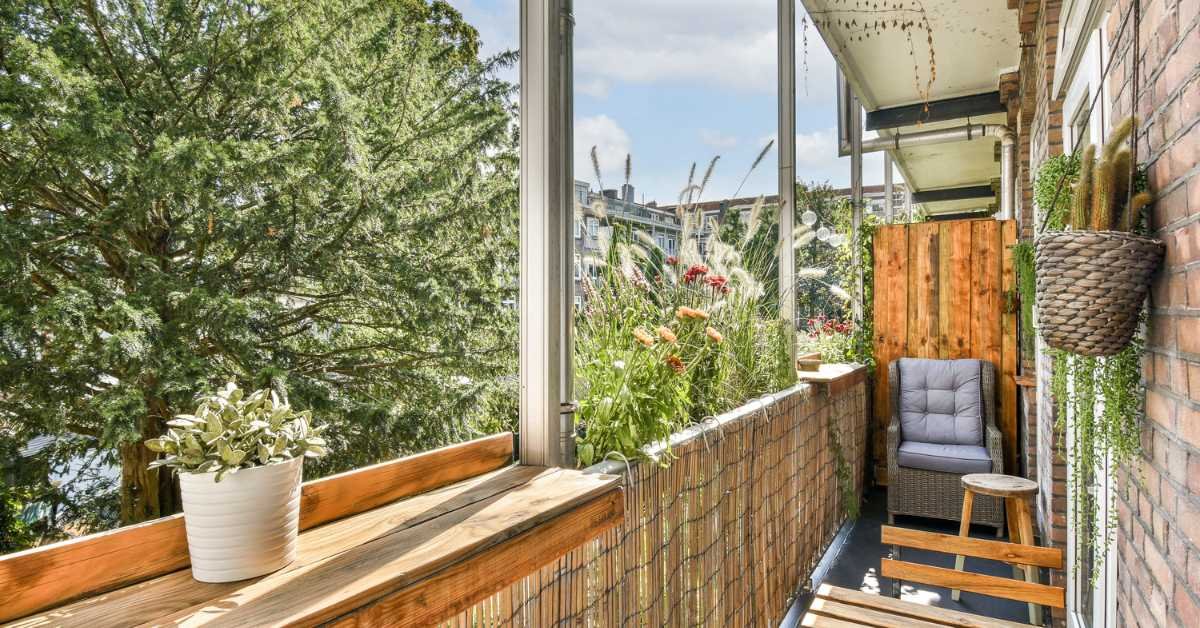
Small balcony:
- Have wall planters, railing boxes, or both.
- They are good to grow compact herbs there, like mint, parsley, and coriander.
- Don’t use heavy pots.
Medium balcony:
- Combine floor pots and railing boxes.
- Add one vertical shelf.
- 1–2 vegetable grow bags.
Large balcony:
- Add dwarf fruit trees, flowering pots, and sitting space.
- Use a shade net in summer.
- Create sections — herbs, veggies, flowers.
14. Easy Plants for Beginners
Start simple. Once you get confidence, grow more.
- Herbs: basil, mint, oregano, parsley, coriander.
- Leafy greens: lettuce, spinach, fenugreek, kale.
- Vegetables: tomato, chili, radish, and okra.
- Ornamentals: money plant, snake plant, spider plant, pothos, ZZ plant.
They all grow fast and survive minor mistakes.
15. Tools You’ll Need
You don’t need many.
- Small trowel
- Hand fork
- Scissors or pruner
- Gloves
- Watering can
- Spray bottle
- Bucket
That’s enough. Keep them in a small box near your balcony door.
16. Common Beginner Mistakes
- Too much water.
- Mixing random plants under the wrong light.
- Using heavy garden soil.
- No fertilizer.
- Pots without drainage holes.
- Planting too close.
Avoid these, and your garden will stay healthy.
17. Useful Add-ons
- Self-watering planters.
- Moisture meter.
- Neem oil spray for pests.
- Small stakes for tall plants.
- Shade cloth in summer.
Small upgrades, big help.
18. Seasonal Care
- Summer: You have to water daily, and mulch pots with dry leaves. And, you can grow basil & chili.
- Winter: Reduce watering and move delicate plants near the wall. You can grow lettuce or spinach.
- Rainy: check drainage, avoid waterlogging, feed with compost after rain.
Simple habits keep your garden active year-round.
19. Balcony Safety
Spread pots evenly.
Use light containers if you live on higher floors.
Keep electric wires off the floor.
Use trays so water doesn’t drip downstairs.
If the balcony floor gets slippery, add rubber mats or grass carpet.
Conclusion
Turning your balcony into a green corner isn’t complicated. You just need to start.
Once you place the first few pots and see them growing, everything begins to connect naturally.
You’ll learn your balcony’s light, how much water each plant likes, and which plants love staying together.
Start with a few herbs, keep the space tidy, feed the soil once in a while — that’s enough to keep it alive and fresh.
The best part is, you don’t just grow plants, you grow peace, routine, and a little joy every day. Soon, your balcony will stop being a corner — it’ll become your favorite spot in the house.
FAQs
Can I start a balcony garden if my balcony gets very little sunlight?
Yes! You can make a balcony garden; you have to choose shade-loving plants. Some of the best options are Snake Plant, ZZ Plant, Money Plant, Peace Lily, and Ferns.
Besides this, you can also grow lights during winter or if your balcony doesn’t get light at all.
What’s the easiest way to water balcony plants when I’m not home daily?
Use self-watering pots or a simple drip irrigation setup. You can also keep a small bottle with a pinhole in the soil as a slow dripper for 1–2 days.
It keeps moisture steady even if you skip a day.
How do I stop balcony plants from making a mess on the floor?
Use pot trays under each container to collect extra water.
Add a thin gravel or tile layer on the floor — it hides soil spills and keeps the space clean.
You can sweep dried leaves weekly, and it stays tidy.
Can I grow vegetables on a small balcony?
Absolutely. Even 3–4 grow bags can give you tomatoes, chilies, spinach, or herbs.
Use railing boxes or vertical planters to save space.
As long as your balcony gets 4–6 hours of sunlight, vegetables will grow well.

I’m Abraham creator of Balcony Gardening Ideas. I share balcony gardening tips, DIY projects, and hands-on plant care guides based on my own balcony garden experience. I grow vegetables, herbs, and flowers using organic methods and simple setups anyone can follow.